Alloy Steels (Leaving Cert Engineering): Revision Notes
📚Revision Notes
Alloy Steels
Alloy steels are specially engineered metals that combine iron and carbon with additional elements to enhance specific properties. These steels are designed to meet particular engineering requirements that plain carbon steels cannot achieve on their own.
Note
The addition of alloying elements allows engineers to customise steel properties for specific applications, making it possible to achieve characteristics like corrosion resistance, heat resistance, and enhanced hardness that would be impossible with plain carbon steel alone.
Stainless steel
Stainless steel is an alloy that resists corrosion, rust, and staining when exposed to water and moisture. Unlike ordinary carbon steel, which rusts quickly in air and moisture, stainless steel maintains its integrity through a protective mechanism.
The corrosion resistance comes from chromium content in the steel. When chromium is present, it forms a thin chromium oxide film on the surface. This protective layer prevents further surface corrosion by blocking oxygen from reaching the underlying steel and stops corrosion from penetrating into the metal's internal structure.
Important
The chromium oxide film is self-healing - if the surface is scratched, the chromium immediately reacts with oxygen to form a new protective layer, maintaining the steel's corrosion resistance.

The most commonly used grades are 18/8 and 18/10 stainless steel. These numbers indicate the composition:
- 18% chromium for corrosion resistance
- 8% nickel (in 18/8 grade) for additional properties
Stainless steel finds widespread use in cutlery and kitchenware because of its hygienic qualities. The non-reactive surface prevents contamination and makes cleaning easier, which is essential for food preparation and serving applications.
High speed steel
High speed steel (HSS) is a specialised alloy designed for cutting applications. It gets its name from its ability to cut materials at higher speeds than traditional high-carbon steel.
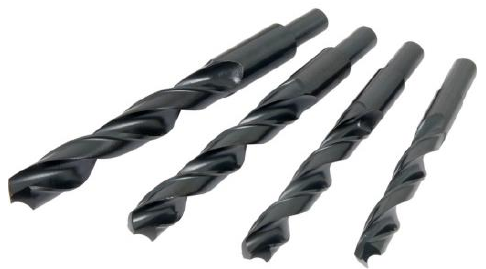
The key property of HSS is its ability to maintain hardness at elevated temperatures. While ordinary high-carbon steel loses its cutting edge when heated during high-speed operations, HSS retains its sharpness and effectiveness. This temperature resistance allows HSS tools to operate at faster cutting speeds, improving productivity.
Important
The ability to maintain hardness at high temperatures is crucial because friction during high-speed cutting generates significant heat. Without this property, cutting tools would quickly become dull and ineffective.
HSS composition typically includes:
- Chromium for hardness
- Tungsten for temperature resistance
- Cobalt for enhanced heat resistance
Common applications include tool bits and cutting tools such as power-saw blades and drill bits. The superior performance of HSS makes it the preferred choice for machining operations where speed and precision are important.
Tool steel
Tool steel encompasses a range of carbon and alloy steels specifically engineered for manufacturing tools and dies. These steels are chosen for their exceptional mechanical properties that make them suitable for demanding applications.
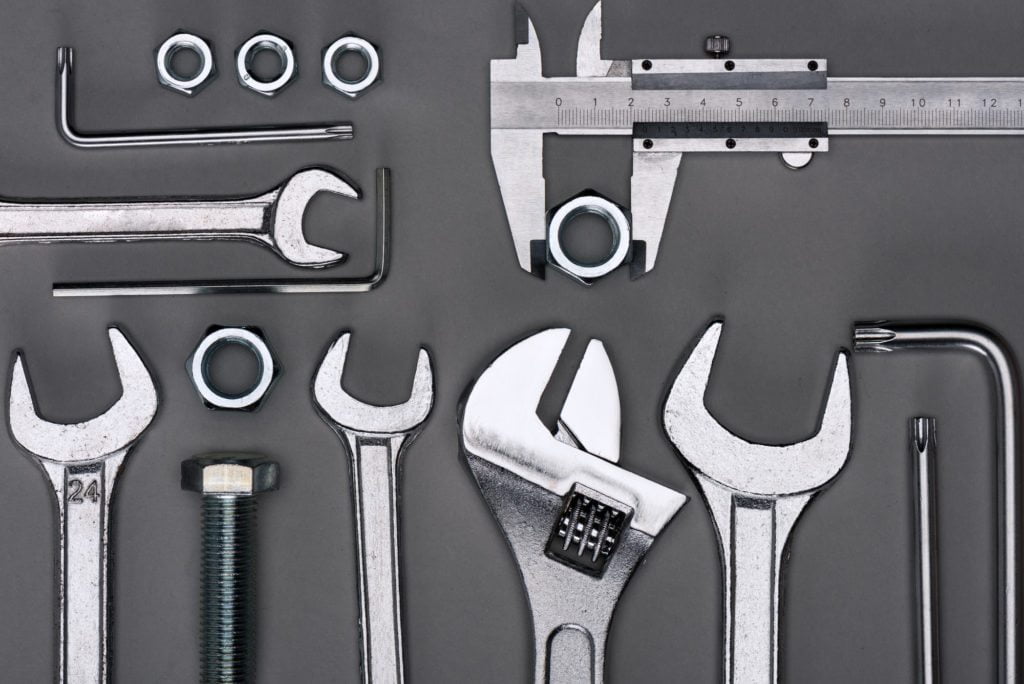
The distinctive characteristics of tool steel include:
- High hardness for cutting and shaping
- Resistance to abrasion for extended tool life
- Resistance to deformation under load
Tool steel composition commonly includes chromium, tungsten, and manganese as alloying elements. Each element contributes specific properties that enhance the steel's performance in tooling applications.
Note
The combination of hardness and toughness in tool steel is carefully balanced - too much hardness can make the steel brittle, while insufficient hardness reduces cutting effectiveness.
Typical applications include machine tools and pressing tools, such as those used for pressing car door panels. The combination of hardness and toughness allows these tools to shape other materials repeatedly without wearing out quickly.
Summary
Key Points to Remember:
-
Stainless steel contains chromium which forms a protective oxide film, preventing corrosion and making it ideal for cutlery and kitchenware
-
18/8 stainless steel contains 18% chromium and 8% nickel, representing the most common grade used in household applications
-
High speed steel (HSS) maintains its hardness at high temperatures, allowing faster cutting speeds in drill bits and saw blades
-
Tool steel combines high hardness with abrasion resistance, making it perfect for manufacturing and pressing tools
-
All three types use alloying elements like chromium, tungsten, and nickel to achieve properties that plain carbon steel cannot provide