Metal Ore Concentration (Leaving Cert Engineering): Revision Notes
📚Revision Notes
Pyrometallurgy
What is pyrometallurgy?
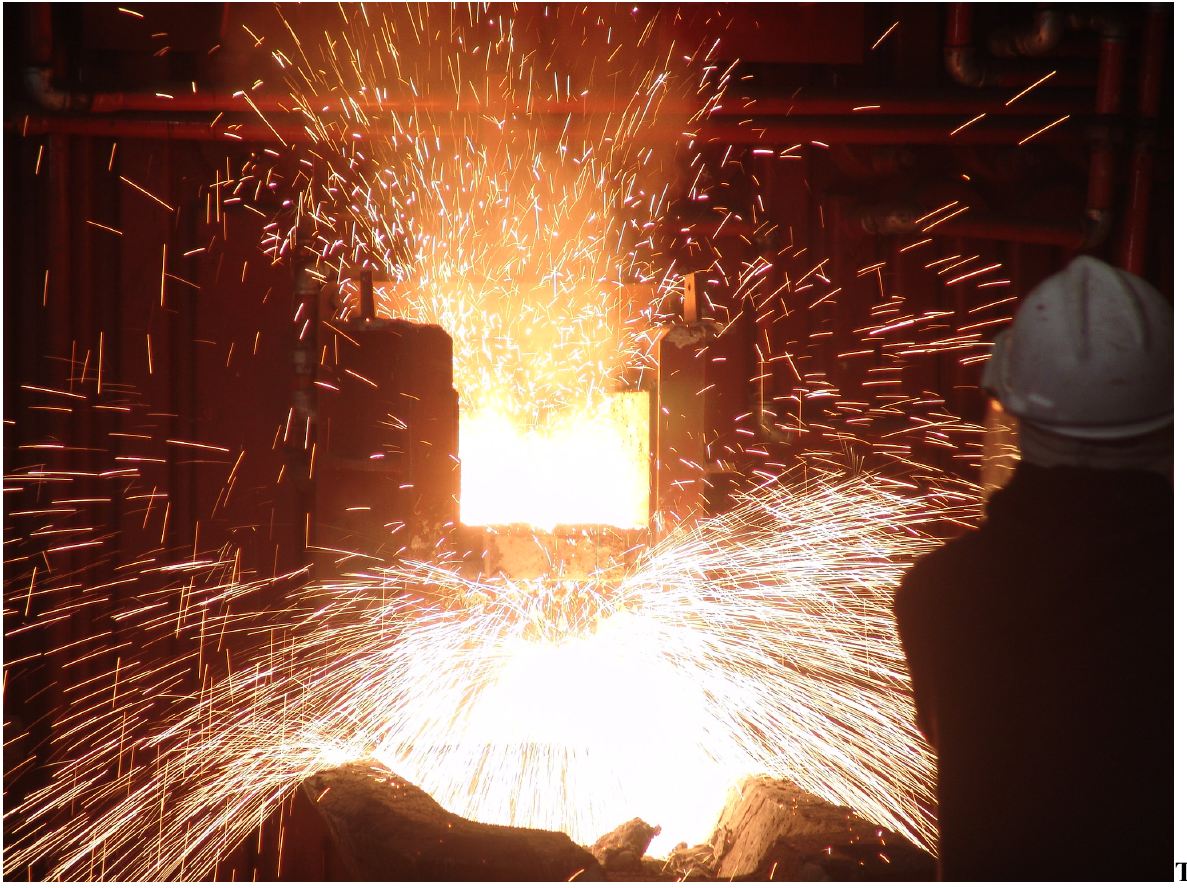
Pyrometallurgy is a branch of extractive metallurgy that uses high-temperature processes to extract valuable metals from their ores. The fundamental approach involves using heat to cause physical and chemical changes in materials, allowing metals to be separated from unwanted materials called gangue.
The basic principle is straightforward: high-temperature chemistry separates valuable metals into one phase while rejecting impurities into another phase. Most commonly, both phases are molten, such as the separation of copper from slag in copper smelting operations.
Note
The key insight of pyrometallurgy is that high temperatures enable both the chemical reactions needed to extract metals and the physical separation of products through melting and phase separation.
Why use pyrometallurgical methods?
Pyrometallurgical processes offer several important advantages for industrial metal production:
Note
Key Advantages of Pyrometallurgical Methods:
-
Faster reaction rates - High temperatures dramatically accelerate chemical reactions, allowing small processing units to achieve high production rates
-
Enables difficult reactions - Some reactions that are thermodynamically impossible at low temperatures become feasible at high temperatures
-
Easy physical separation - At high temperatures, products melt or vaporise, making it simple to separate metals from gangue through processes like metal-slag separation
-
Processes reactive metals - Pyrometallurgy can extract metals that cannot be reduced from aqueous solutions, such as alkaline earth metals, zirconium, and titanium
Energy requirements
Most pyrometallurgical processes require significant energy input to maintain the high temperatures needed (typically 500-2000°C). This energy usually comes from:
- Fossil fuel combustion
- Exothermic reactions within the material
- Electrical heating
Important
When sufficient material is present to sustain the process temperature through exothermic reactions alone, the process is called autogenous. This is an important cost-saving consideration in industrial applications.
The four main pyrometallurgical processes
Calcining
Calcining is the thermal decomposition of a material through heating. This process breaks down compounds into simpler forms by driving off volatile components.
Common examples include:
- Decomposition of ferric hydroxide to ferric oxide and water vapour
- Breaking down calcium carbonate to calcium oxide and carbon dioxide
- Converting iron carbonate to iron oxide
- Calcining processes use various types of furnaces, including shaft furnaces, rotary kilns, and fluidised bed reactors.
Roasting
Roasting involves thermal gas-solid reactions at high temperatures. The most common type is the oxidation of metal sulphide ores, where the sulphide is heated in air to form metal oxide and sulphur dioxide gas.
The process often produces a solid product called "calcine". There are several types of roasting:
- Dead roasting - Complete oxidation of the sulphide when excess oxygen is available
- Partial roasting - Incomplete oxidation when limited oxygen is used, leaving some sulphur partially removed
- Sulfation roasting - Controlled conditions where metal sulphates form instead of oxides
- Selective roasting - Mixed sulphide feeds where one metal forms sulphate whilst another forms oxide
Smelting
Smelting uses thermal reactions where at least one product becomes molten. Metal oxides are typically smelted by heating with coke or charcoal (carbon sources) that act as reducing agents, liberating oxygen as carbon dioxide and leaving refined metal.
The process may involve adding flux materials to help separate impurities into slag. Carbon dioxide production has become an environmental concern, leading to increased focus on identifying enhanced greenhouse gas effects and developing cleaner alternatives.
Important
Smelting is the process that actually produces the liquid metal phase, distinguishing it from other pyrometallurgical processes that primarily involve solid-gas reactions.
Refining
Refining removes impurities from materials through thermal processes. This covers various techniques involving different furnace types. Some pyrometallurgical refining processes are called "fire refining" and may involve electrolytic processes.
The term "refining" can refer to operations at smelters or separate refining plants, depending on the specific application and metal being processed.
Applications
Pyrometallurgical processes are particularly suited for extracting less reactive elements and are commonly used for metals including iron, copper, zinc, chromium, tin, and manganese. These methods are generally cheaper and better suited for large-scale industrial production compared to other extraction techniques.
Note
Industrial Scale Considerations:
The high energy requirements of pyrometallurgy are offset by the ability to process large quantities of material efficiently. This makes pyrometallurgical methods the preferred choice for major metal production industries worldwide.
Summary
Key Points to Remember:
- Pyrometallurgy uses high temperatures (500-2000°C) to extract metals from ores through thermal processes
- The four main processes are Calcining, Roasting, Smelting, and Refining - remember "CRSR"
- High temperatures accelerate reactions and enable physical separation of molten products
- Roasting oxidises sulphide ores, whilst smelting reduces oxide ores using carbon
- Pyrometallurgy is ideal for large-scale production and processing reactive metals that cannot be extracted using aqueous methods