The Impact of Isostasy on Fluvial Processes (Leaving Cert Geography): Revision Notes
📚Revision Notes
The Impact of Isostasy on Fluvial Processes
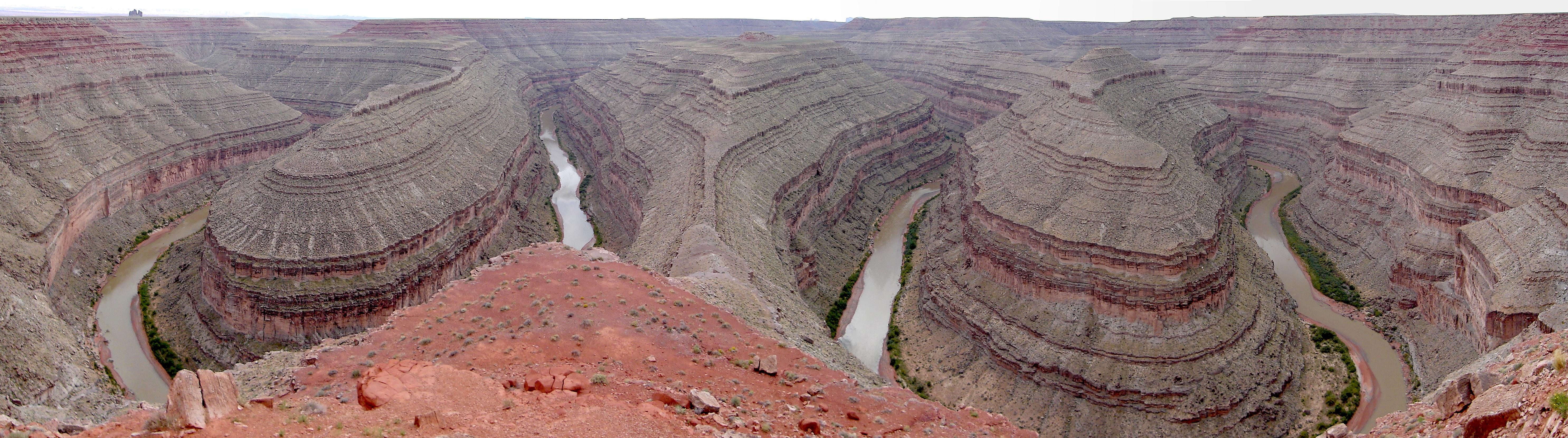
Incised Meanders
Example: River Barrow, Co. Carlow
Processes: Rejuvenation (vertical erosion)
- Once it is rejuvenated, a river will erode vertically again, like in the old age stage
- Incised meanders are created when a meandering river valley erodes vertically into its floodplain
- They are very deep with really steep sides and can be seen on an OS map through tightly packed contour lines along a meandering river
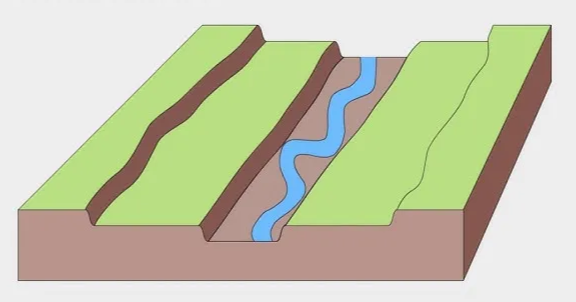
Paired Terraces
Example: River Barrow
Processes: Rejuvenation (vertical, lateral erosion)
- These are the remains of a former floodplain
- Vertical erosion cut a deeper channel into the riverbed when rejuvenation occurred
- This channel was then widened by lateral erosion and the work of meanders. Sediments were deposited during times of flood
- Overtime, new floodplains were created at a lower level than before
- The former floodplain is left high on the valley sides at equal heights – paired terraces
- Rivers can have more than one example of paired terraces depending on how often rejuvenation has occurred
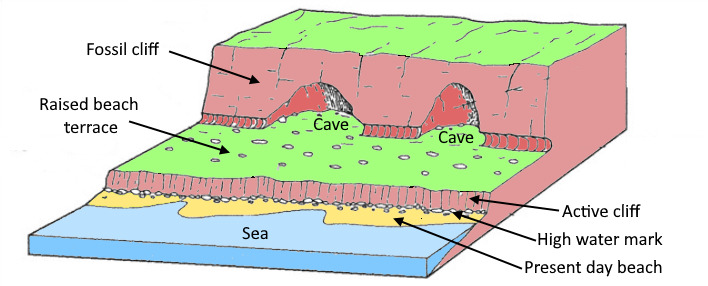
Raised Beaches
Example: Donegal Bay
Processes: Rejuvenation (Coastal Erosion)
- Raised beaches are found high above the present sea level
- Formed when a glacier compressed and weighed down part of the landmass
- When the ice melted, the pressure exerted by the glacier was released and the land surface rose back up towards its previous level
- New beaches are created below the raised beach as the sea starts to erode the newly uplifted land
- The raised beach marks the level the sea reached before the land was uplifted
- Raised cliffs and caves are also formed in the same way