Advances in Technology (Leaving Cert History): Revision Notes
📚Revision Notes
The Space Race and the Cold War
The Cold War was a Catalyst for the Space Race
The Space Race was a significant aspect of the Cold War rivalry between the United States and the Soviet Union. The launch of Sputnik 1 by the Soviet Union on October 4, 1957, served as a significant shock to the United States, demonstrating Soviet technological prowess and igniting fears of Soviet superiority in missile technology. This event catalysed the American space effort, leading to the establishment of NASA in 1958 and a renewed focus on advancing U.S. space capabilities. The Space Race became a symbol of ideological competition, with each superpower striving to showcase the superiority of its political and economic system.
Advancements in Technology were Driven by the Cold War

The Cold War spurred rapid advancements in space technology as both the U.S. and the Soviet Union sought to achieve milestones that would demonstrate their technological and military superiority. The Soviet Union's early successes, such as Yuri Gagarin becoming the first human in space on April 12, 1961, pushed the United States to accelerate its efforts. In response, President John F. Kennedy set the ambitious goal of landing a man on the Moon by the end of the decade, leading to the Apollo programme and the historic Apollo 11 Moon landing on July 20, 1969. This goal was a scientific endeavour and a strategic move to assert U.S. dominance in the space race.
The War Had Impact on Military Technology
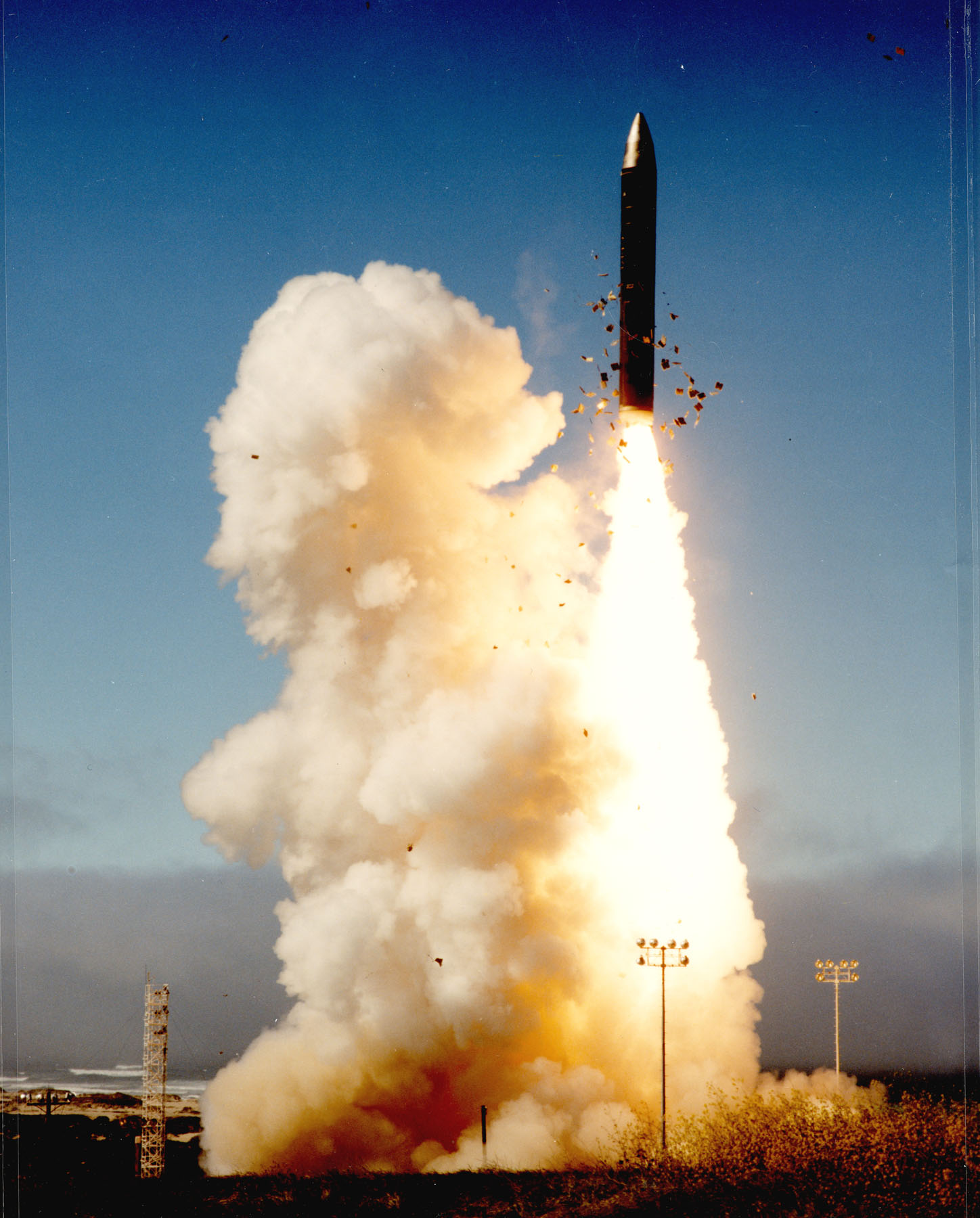
The advancements in space technology during the Space Race had significant military implications. The development of intercontinental ballistic missiles (ICBMs) and satellite technology was directly linked to the need for superior delivery systems and reconnaissance capabilities. Satellites became crucial for gathering intelligence, monitoring nuclear tests, and providing early warning of missile launches. The dual-use nature of many space technologies meant that progress in space exploration also enhanced military capabilities, further intensifying the arms race and the overall Cold War competition.
The Cultural and Political Significance of the Space Race
The Space Race had profound cultural and political impacts domestically and internationally. In the United States, it fostered a sense of national pride and technological optimism, as evidenced by the widespread celebration of the Apollo 11 Moon landing. Politically, it allowed leaders like Kennedy to rally public support and justify increased spending on space and defence projects. Internationally, the Space Race influenced alliances and geopolitical strategies as nations worldwide watched the two superpowers vie for dominance. The successes and failures of each side were used as propaganda tools, highlighting the perceived strengths and weaknesses of the capitalist and communist systems.
Rapid Fire Essay Prep - Key Impacts of Technological Change on American Society
- Economic Growth - Technological advancements in computing and telecommunications drove significant economic growth. The development of the computer industry, especially in places like Silicon Valley, created millions of jobs and fostered new sectors such as software development, IT services, and e-commerce.
- Improved Communication - Innovations in communication technology, such as the internet, mobile phones, and satellite communications, revolutionised how people interact. These technologies made global communication instant and accessible, shrinking the world and facilitating international business and personal connections.
- Healthcare Advances - Technological progress led to significant improvements in healthcare, from advanced medical imaging and diagnostic tools to the development of new treatments and surgical techniques. This resulted in better patient outcomes, longer life expectancies, and improved quality of life.
- Education and Information Access - The proliferation of personal computers and the internet transformed education by providing vast information resources and enabling online learning. This democratised access to knowledge and educational opportunities, allowing people from diverse backgrounds to learn and grow.
- Workplace Transformation - Automation, robotics, and computerisation changed the nature of work in many industries. While these technologies increased efficiency and productivity, they also led to the displacement of some jobs, necessitating new skills and career paths for workers.
- Entertainment and Media - Advances in technology revolutionised the entertainment industry, from the introduction of television and colour broadcasting to digital streaming services. This transformed how people consume media, providing more options and accessibility.
- Social Change - Social media platforms and the internet facilitated new forms of social interaction and activism. These technologies have enabled movements like #MeToo and Black Lives Matter to gain momentum and visibility, influencing public opinion and policy.
- Environmental Impact - Technological advancements have positively and negatively affected the environment. While industrialisation and increased consumption have contributed to environmental degradation, technology has also provided tools for monitoring environmental changes, developing renewable energy sources, and promoting sustainable practices.