Focus on: Norman Mailer (Leaving Cert History): Revision Notes
📚Revision Notes
Focus on: Norman Mailer
A Quick Overview of Mailer's Life
-
Born on January 31, 1923, in Long Branch, New Jersey.
-
Attended Harvard University, where he studied aeronautical engineering.
-
Served in the U.S. Army during World War II, an experience that profoundly influenced his writing.
-
Became one of the most prominent and controversial American writers and public intellectuals of the 20th century.
-
Co-founded the influential literary magazine The Village Voice in 1955.
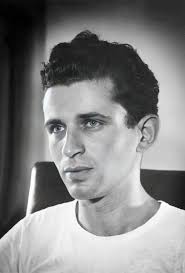
-
Twice awarded the Pulitzer Prize for his work.
-
Died on November 10, 2007, in New York City.
The Naked and the Dead
- Published in 1948, The Naked and the Dead is Mailer's first and most famous novel.
- Based on his experiences during World War II, the novel provides a realistic portrayal of soldiers in combat.
- The book was critically acclaimed and established Mailer as a significant literary figure.
- It explores themes of power, fear, and the human condition, reflecting the brutal realities of war.
- The novel's success began Mailer's long and prolific career.
Other Important Works
- The Deer Park (1955): A novel set in Hollywood that critiques the film industry and post-war American society.
- An American Dream (1965): A novel that explores the dark side of the American dream, delving into themes of violence and corruption.
- Armies of the Night (1968): A non-fiction novel about the 1967 anti-Vietnam War march on the Pentagon, blending historical narrative with personal memoir. Won the Pulitzer Prize and the National Book Award.
- The Executioner's Song (1979): A true crime novel about the life and execution of Gary Gilmore, for which Mailer won his second Pulitzer Prize.
- The Fight (1975): A book chronicling the famous boxing match between Muhammad Ali and George Foreman in Zaire.
Essay Preparation: How Mailer Challenged Views Within the US
- War Realism: Through The Naked and the Dead, Mailer provided a stark, realistic depiction of war, challenging the glorified portrayals common in American media and literature.
- Critique of American Society: His works often criticised various aspects of American society, including the military, Hollywood, and the pursuit of the American dream.
- Exploration of Violence: Mailer frequently explored themes of violence and its impact on human behaviour, questioning the underlying causes and societal acceptance of violent acts.
- Sexual Liberation: His writings delved into complex sexual themes, pushing the boundaries of what was considered acceptable literature at the time.
- Political Activism: Mailer was actively involved in political movements, notably the anti-Vietnam War protests, and his work Armies of the Night blended journalism and fiction to critique U.S. foreign policy.
- Personal Freedom: He advocated for individualism and personal freedom, often clashing with conservative norms and advocating for greater personal and artistic expression.
- Challenging Authority: Mailer's confrontational style and willingness to criticise authority figures made him a provocative and influential voice in American culture.
- Journalistic Innovation: He pioneered the "New Journalism" movement, blending factual reporting with literary techniques to offer deeper insights into contemporary events and issues.