The Black Power Movement, the Black Panthers, and Malcolm X (Leaving Cert History): Revision Notes
📚Revision Notes
The Black Power Movement, the Black Panthers, and Malcolm X
Black Power Movement
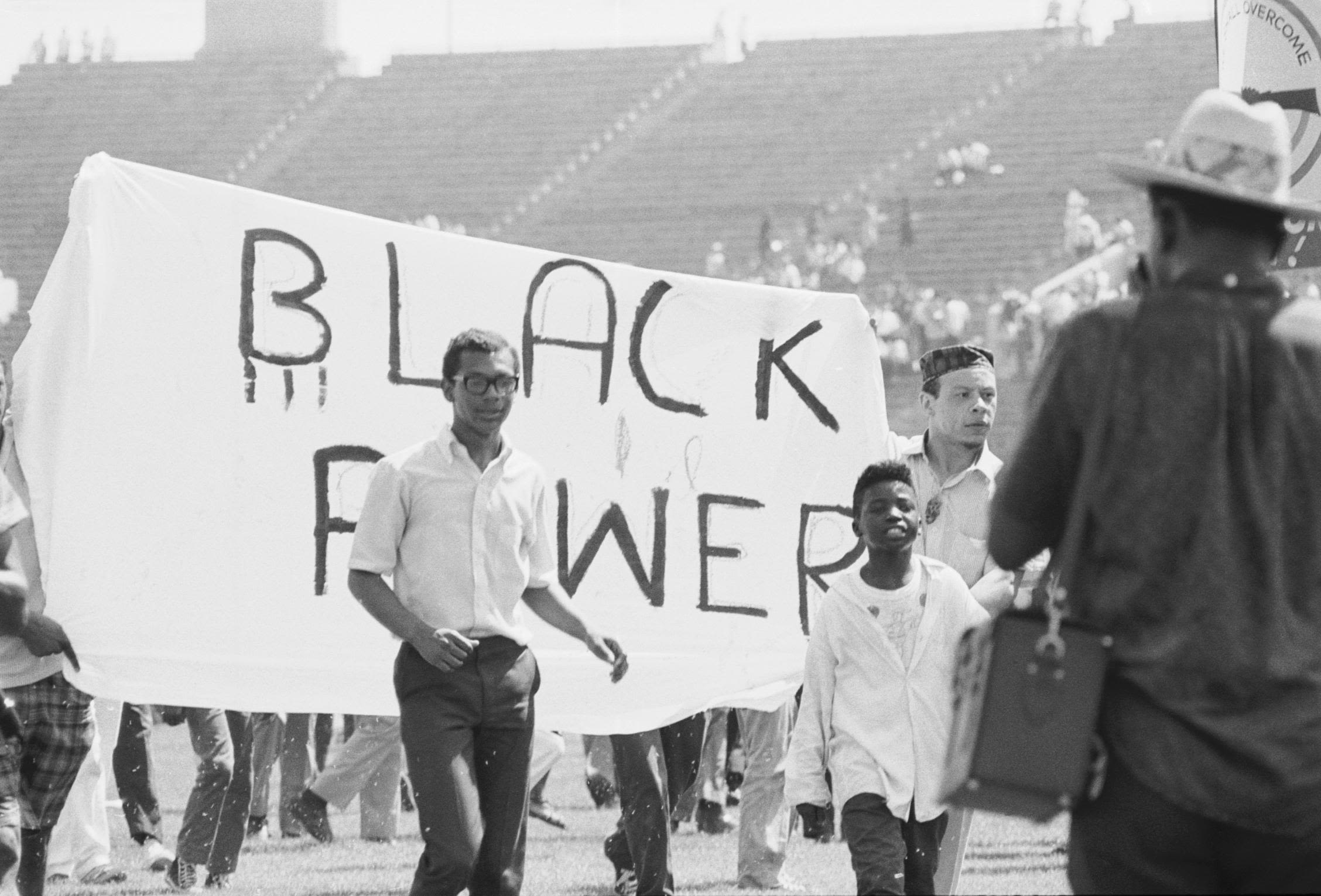
The Black Power Movement emerged in the mid-1960s, reflecting a shift from the Civil Rights Movement's focus on integration and non-violent protest. Advocates of Black Power sought racial dignity, economic and political self-sufficiency, and freedom from white oppression. The movement emphasised self-determination, financial independence, and cultural pride.
Stokely Carmichael, a prominent leader, coined the term "Black Power" in 1966 and promoted more militant approaches. The movement celebrated African heritage and promoted pride in Black identity through art, music, and literature. A significant moment was the 1968 Olympics in Mexico City, where American athletes Tommie Smith and John Carlos raised their fists in a Black Power salute during the medal ceremony, bringing global attention to the movement. (This is also an interesting RSR topic!)
Let's examine the Black Panthers, Malcolm X's role, and how the Black Power Movement marked a clear divergence from MLK's original teaching.
The Black Panthers
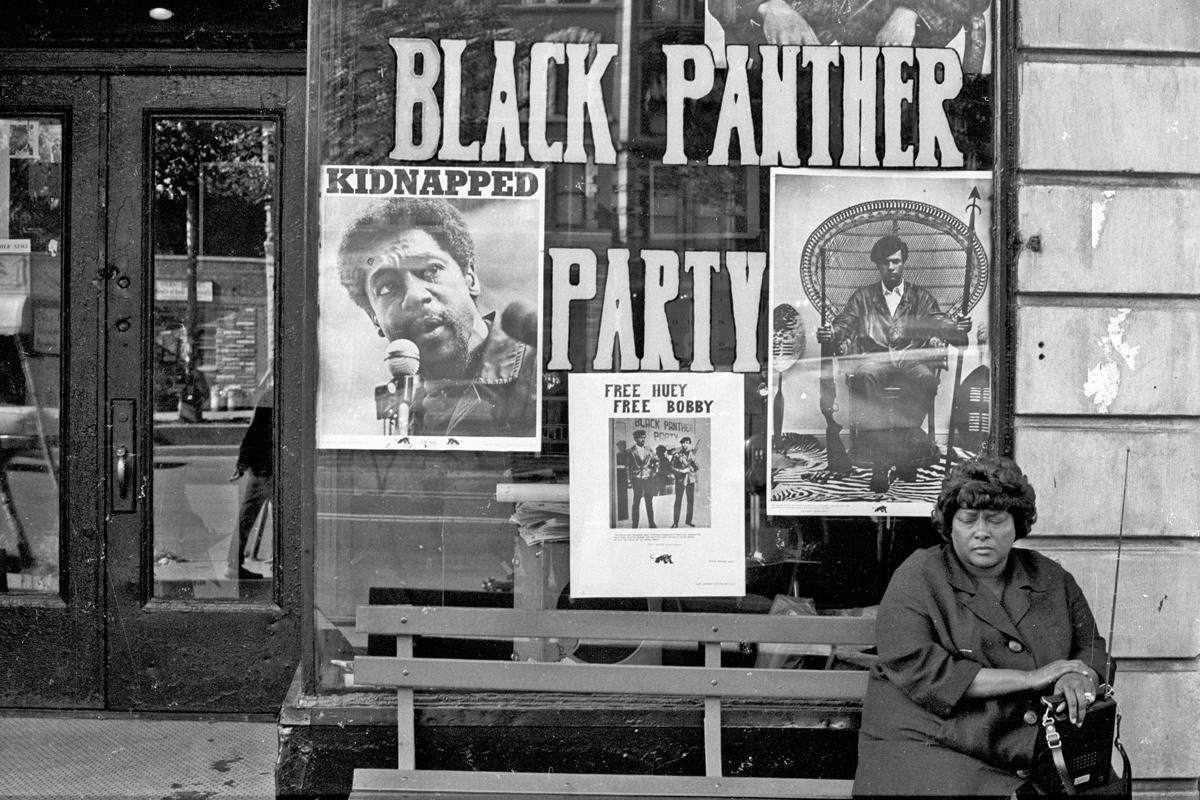
The Black Panther Party, founded in 1966 by Huey Newton and Bobby Seale in Oakland, California, was a revolutionary socialist organisation that became a prominent symbol of the Black Power Movement. The Panthers sought to address systemic issues affecting Black Americans, including police brutality, poverty, and inadequate housing. They believed in armed self-defence and the necessity of protecting Black communities from police violence.
Key activities included the creation of community programmes, such as free breakfast for children, health clinics, and educational programmes. These initiatives aimed to improve the living conditions of Black communities and foster self-reliance. The Panthers also produced a newspaper to spread their message and raise awareness of social injustices. Despite their positive community work, the Black Panthers faced significant opposition from the government, particularly the FBI, which sought to dismantle the organisation through the COINTELPRO programme, involving surveillance, infiltration, and other tactics to discredit and disrupt their activities.
Malcolm X
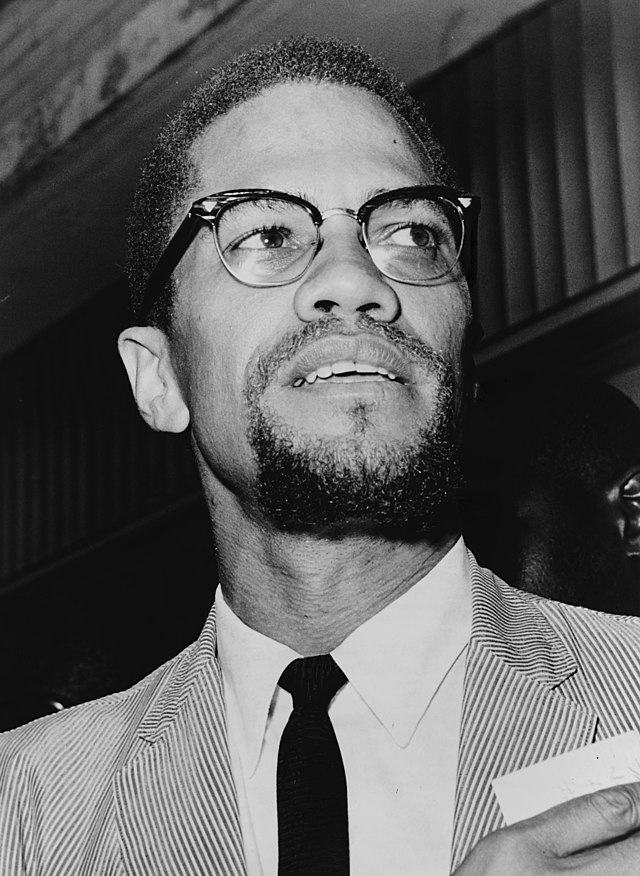
Malcolm X, born Malcolm Little in 1925, was a charismatic and influential Black nationalist leader who advocated for Black empowerment and self-defence. He became a prominent figure in the Nation of Islam, an organisation that combined elements of Islam with Black nationalist ideas, promoting the belief that Black people were superior to whites and that integration was not the solution to racial problems.
Malcolm X's philosophy evolved over time. Initially, he advocated for separation from white society and was critical of the mainstream Civil Rights Movement's focus on nonviolence and integration. His powerful oratory skills and unapologetic stance on Black self-reliance and pride resonated with many African Americans who felt disillusioned with the slow progress of the Civil Rights Movement.
After his pilgrimage to Mecca in 1964, Malcolm X's views on race shifted towards a more inclusive perspective. He left the Nation of Islam and founded the Organisation of Afro-American Unity (OAAU), which aimed to unite all people of African descent and promote human rights. He began to see the struggle for civil rights as part of a broader global fight for human rights.
Malcolm X was assassinated in 1965 by members of the Nation of Islam, but his legacy continued to influence the Black Power Movement and subsequent generations of activists. His ideas about Black pride, self-defence, and human rights remain integral to discussions on racial justice and equality.
How did the Black Power Movement differ from the Peaceful Approach that had underpinned the Civil Rights Movement?
The Black Power Movement diverged significantly from Martin Luther King Jr.'s teachings and the broader Civil Rights Movement (CRM) by advocating for a more militant and self-reliant approach. While King emphasised nonviolent protest, integration, and cooperation with white allies to achieve civil rights, the Black Power Movement, led by figures like Stokely Carmichael and groups like the Black Panther Party, promoted Black autonomy, self-defense, and economic self-sufficiency. They believed nonviolence was ineffective against systemic oppression and that African Americans should protect themselves against police brutality, often endorsing armed resistance. This stance contrasted sharply with King's philosophy of love and peaceful resistance, creating a philosophical rift within the broader struggle for racial equality. The Black Power Movement's focus on Black nationalism and pride also marked a departure from the CRM's goal of a racially integrated society, further highlighting the ideological differences between the two movements.
COINTELPRO - What Was It?
This is additional context. It may be something that you are familiar with, but in case you saw the term written above and panicked, here is a breakdown.
COINTELPRO (Counter Intelligence Programme) was a covert and often illegal FBI operation aimed at surveilling, infiltrating, discrediting, and disrupting domestic political organisations. Initiated in 1956, COINTELPRO targeted civil rights groups, Black Power movements, feminist organisations, socialist and communist groups, and anti-Vietnam War activists. The programme used various tactics, including wiretapping, planting false information, and inciting internal conflicts. The Black Panther Party was one of COINTELPRO's primary targets, facing intense scrutiny and efforts to undermine its activities. COINTELPRO was officially discontinued in 1971 after its existence was publicly revealed, leading to widespread criticism and congressional investigations.