The Government and how they dealt with civil rights (Leaving Cert History): Revision Notes
📚Revision Notes
The Government and how they dealt with Civil Rights
Note
Whilst it is important to zone in on the African American experience of the CRM, it is also just as important to be able to look at it from the other side, from the side of the government, highlighting just how they managed to deal with growing pressure. You might even throw in the opinion that they dealt with the CRM poorly or very well. In any case, only by assessing how the government dealt with the movement can you formulate a concrete opinion.
Key Civil Rights Acts
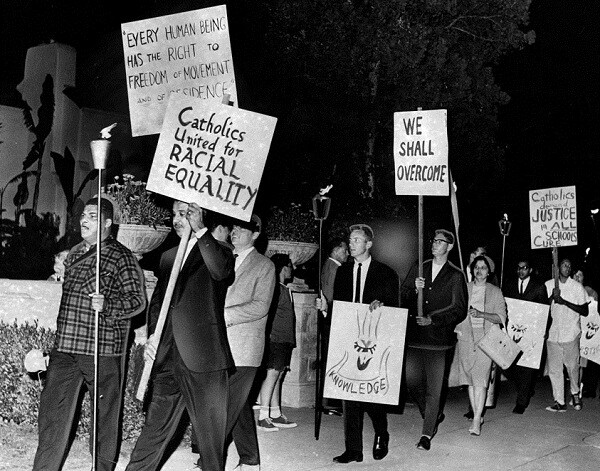
Civil Rights Act of 1964
- Background: The Civil Rights Act of 1964 was a landmark piece of legislation aimed at ending segregation in public places and banning employment discrimination based on race, colour, religion, sex, or national origin.
- Key Provisions:
- Title II: Prohibited discrimination in public accommodations such as hotels, restaurants, and theatres.
- Title VII: Banned employment discrimination and established the Equal Employment Opportunity Commission (EEOC) to help enforce the law.
- Impact: This act was a major victory for the Civil Rights Movement. It legally ended segregation in many public spaces and workplaces, setting a precedent for further civil rights advancements.
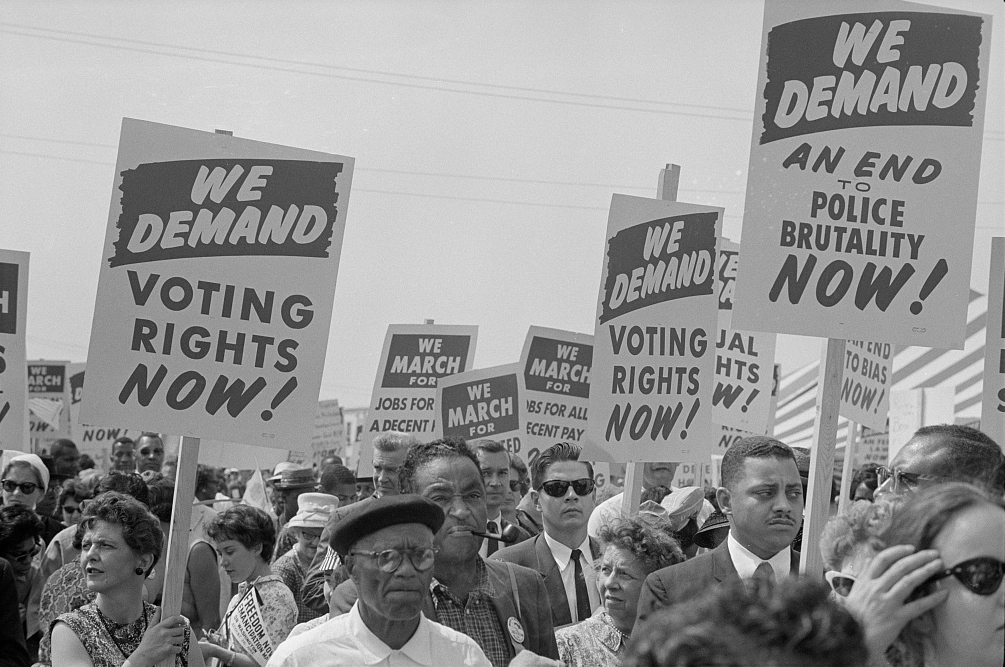
Voting Rights Act of 1965
- Background: The Voting Rights Act of 1965 was passed in response to the widespread disenfranchisement of African Americans, particularly in the South, where discriminatory practices like literacy tests and poll taxes were used to prevent them from voting.
- Key Provisions:
- Section 2: Prohibited any voting practice or procedure that discriminated based on race.
- Section 5: Required certain jurisdictions with a history of discrimination to obtain federal approval before changing their voting laws or practices (known as "preclearance").
- Impact: The act significantly increased voter registration and participation among African Americans, helping to ensure that their voices were heard in the democratic process.
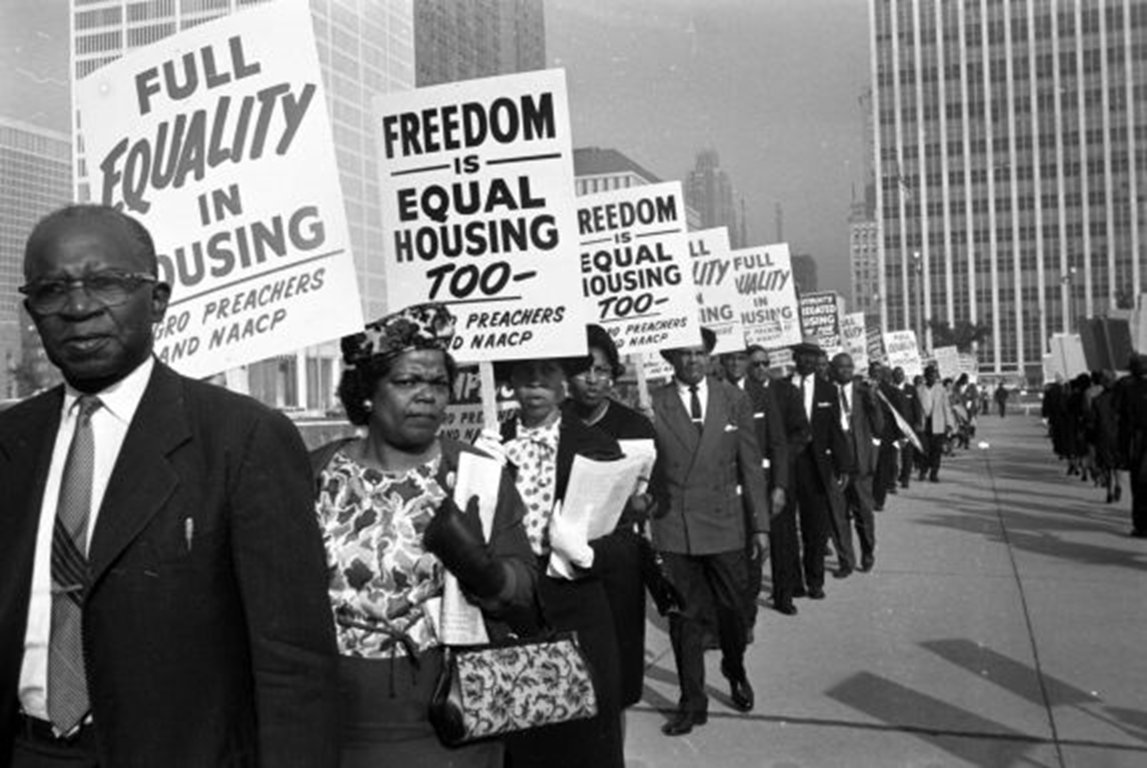
Civil Rights Act of 1968 (Fair Housing Act)
- Background: The Civil Rights Act of 1968, also known as the Fair Housing Act, was passed shortly after Martin Luther King Jr.'s assassination. It aimed to eliminate discrimination in the housing market.
- Key Provisions:
- Prohibited discrimination in housing sale, rental, and financing based on race, colour, religion, sex, or national origin.
- Impact: This act helped to reduce housing discrimination and allowed more African Americans and other minorities to find housing without facing bias.
Why Was the Role of the Federal Government Important During This Time?
Federal Intervention
The federal government played a key role in enforcing desegregation orders. For example, in 1957, President Dwight D. Eisenhower sent federal troops to Little Rock, Arkansas, to ensure the safe entry of nine African American students into a previously all-white high school following the Supreme Court's decision in Brown v. Board of Education.
During the Freedom Rides in 1961, federal marshals were sent to protect the activists who faced violent resistance in the South. This demonstrated the government's commitment to upholding civil rights laws.
The federal government often had to intervene when local authorities failed to protect civil rights activists or enforce the law. The intervention in the Selma to Montgomery marches in 1965, where federal protection was provided to the marchers after "Bloody Sunday", is a notable example.
Legislative Actions
The Civil Rights Movement, through protests, marches, and other forms of activism, put significant pressure on the government to act. This led to the passage of key legislation that advanced civil rights.
Presidents like John F. Kennedy and Lyndon B. Johnson played crucial roles in advocating for civil rights legislation. Johnson, in particular, used his political skill to push through the Civil Rights Act of 1964 and the Voting Rights Act of 1965.
Judicial Decisions
Landmark Supreme Court cases, such as Brown v. Board of Education (1954), which declared school segregation unconstitutional, and Loving v. Virginia (1967), which struck down laws banning interracial marriage, were critical in advancing civil rights.