Bacteria (Leaving Cert Home Economics): Revision Notes
📚Revision Notes
Bacteria
Important: Bacteria are single-celled microorganisms found everywhere in our environment. They play crucial roles in health, food science, and environmental studies, with both beneficial and harmful effects.
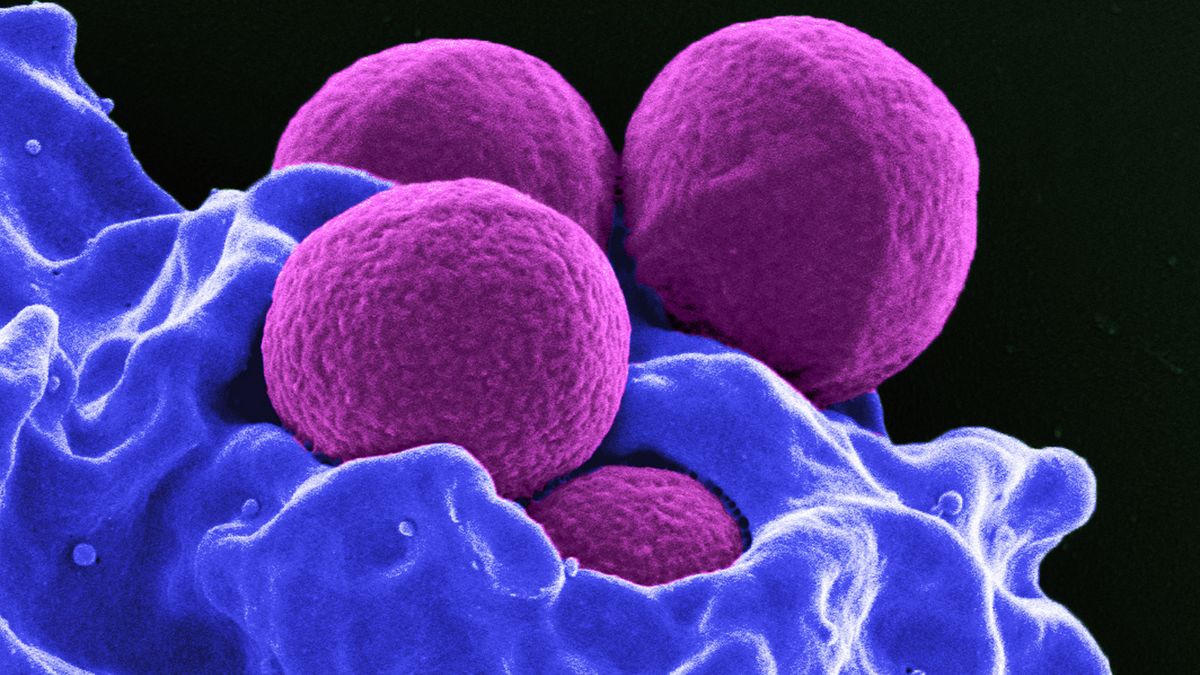
Conditions necessary for bacterial growth
Bacteria need specific environmental conditions to survive and multiply. These conditions are often remembered using the acronym FATTOM.
Note
FATTOM Acronym for Bacterial Growth:
- Food
- Acidity (pH)
- Time
- Temperature
- Oxygen
- Moisture
Food source
Bacteria require nutrients to grow and reproduce. They need:
- Nutrient requirements: carbohydrates, proteins, and lipids for energy and building cellular components
- Sources: bacteria can be found in diverse environments, from soil and water to the human body, where they access these nutrients
Oxygen requirements
Different bacteria have varying oxygen needs:
- Aerobic bacteria: require oxygen to survive and grow
- Anaerobic bacteria: thrive in environments without oxygen
- Facultative anaerobes: can grow in both oxygen-rich and oxygen-free conditions, making them highly adaptable
Temperature
Temperature significantly affects bacterial growth rates:
- Optimal range: most bacteria grow best between 25°C and 40°C, which includes normal room temperature and body temperature
- Thermophiles: some bacteria thrive in extremely hot environments
- Psychrophiles: other bacteria can survive and grow in very cold conditions
Moisture
Water is essential for all bacterial life processes:
- Water activity: bacteria need water for cellular functions and growth
- High moisture environments: foods and environments with high water content promote rapid bacterial multiplication
pH level
The acidity or alkalinity of an environment affects bacterial survival:
- Preferred conditions: most bacteria prefer neutral or slightly alkaline conditions (pH around 7)
- Acid-tolerant bacteria: some bacteria, like lactobacilli, can survive and thrive in acidic conditions
Time
Given suitable conditions, bacteria can multiply at remarkable rates:
- Growth rate: under optimal conditions, some bacteria can double their population every 20 minutes
- Rapid multiplication: this exponential growth means small numbers of bacteria can quickly become dangerous levels in food
Structure of bacteria
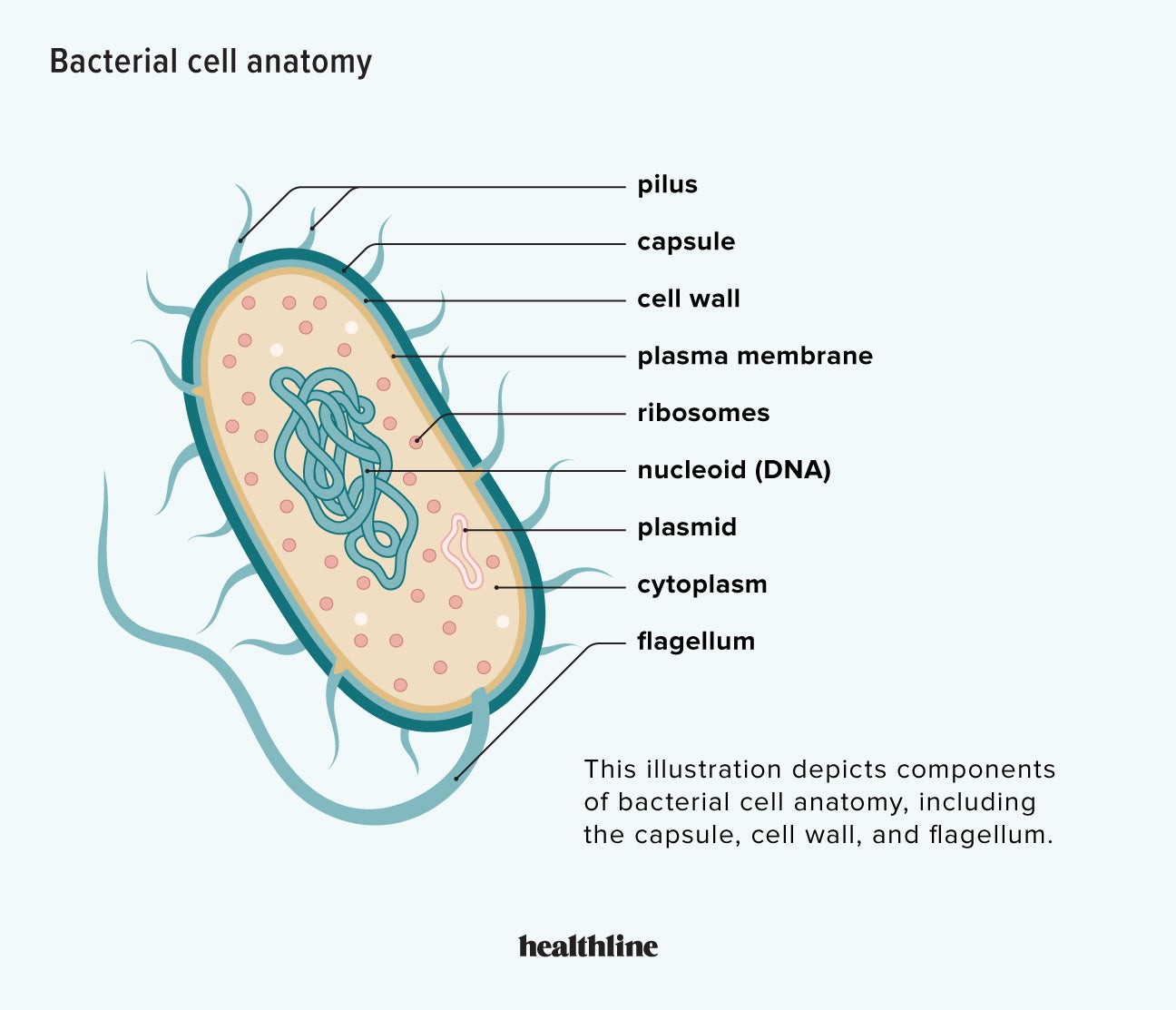
Bacteria have a simple but effective cellular structure that enables them to survive in various environments.
Cell wall
The cell wall is the bacteria's protective outer layer:
- Protection and shape: provides structural support and protects the cell from environmental stress
- Gram staining: bacteria are classified as Gram-positive or Gram-negative based on their cell wall composition, which affects how they respond to antibiotics
Cytoplasm
The cell's internal environment contains essential components:
- Metabolic activities: houses all the enzymes necessary for metabolic processes
- Genetic material: contains the bacterial DNA that controls all cellular functions
Flagella and pili
These are external structures that help bacteria interact with their environment:
- Flagella: tail-like structures that enable bacteria to move and swim towards nutrients or away from harmful substances
- Pili: hair-like structures that help bacteria attach to surfaces and exchange genetic material with other bacteria
Plasmids
These are additional genetic elements:
- Genetic exchange: small DNA molecules that can be transferred between bacteria
- Antibiotic resistance: often carry genes that provide resistance to antibiotics, contributing to the growing problem of antibiotic-resistant bacteria
Bacterial reproduction
Bacteria reproduce through a process called binary fission, which allows for rapid population growth.
Example
Worked Example: Binary Fission Process
The asexual reproduction method involves four key steps:
Step 1: DNA replication - the bacterial DNA makes an exact copy of itself
Step 2: Cell enlargement - the cell grows larger and the DNA copies move to opposite ends
Step 3: Septum formation - a wall (septum) begins to form across the middle of the cell
Step 4: Cell division - the cell completely divides into two genetically identical daughter cells
Replication rate
Under ideal conditions:
- Rapid multiplication: some bacteria can complete binary fission every 20-30 minutes
- Exponential growth: this means one bacterium can become millions within hours under perfect conditions
Growth phases of bacteria
Bacterial populations go through predictable growth phases when introduced to a new environment.
Lag phase
This is the initial adjustment period:
- Adaptation time: bacteria need time to adjust to their new surroundings
- Minimal division: there is very little cell division during this phase as bacteria prepare for growth
- Duration varies: the length depends on environmental conditions and bacterial type
Log phase (exponential growth phase)
This is the rapid multiplication period:
- Exponential growth: bacteria multiply at their maximum rate using available nutrients
- High metabolic activity: bacteria are very active, consuming nutrients and producing waste
- Critical phase: this phase is important for understanding bacterial infections and fermentation processes
Stationary phase
Growth begins to slow during this phase:
- Balanced growth: the rate of new cell formation equals the rate of cell death
- Limited resources: nutrient depletion and waste accumulation slow growth
- Secondary metabolites: bacteria may begin producing different substances during this phase
Decline phase (death phase)
The bacterial population begins to decrease:
- Cell death exceeds growth: more bacteria die than are being produced
- Contributing factors: nutrient exhaustion, toxic waste accumulation, and unfavourable environmental conditions lead to population decline
Endospore-forming bacteria
Some bacteria can form special survival structures called endospores.
Important
Critical Information about Endospores:
Endospores are extremely resistant survival structures that can survive normal cooking temperatures, making them a significant food safety concern. They can remain dormant for years and then become active when conditions improve.
Characteristics of endospores
Endospores are remarkable survival mechanisms:
- Resistant structures: tough, non-reproductive structures that protect bacterial DNA and essential cellular components
- Common bacteria: typically formed by Bacillus and Clostridium species
- Extreme resistance: can survive heat, radiation, chemicals, and dehydration that would kill normal bacterial cells
Formation process
Endospore formation occurs under stress:
- Stress response: triggered when environmental conditions become unfavourable for normal growth
- Protective encasement: the bacterial DNA and part of the cytoplasm become surrounded by a hard protective shell
- Dormant state: the endospore remains inactive until conditions improve
Importance in food safety
Endospores present significant challenges:
- Heat resistance: can survive normal cooking and canning processes, creating food safety risks
- Example: Clostridium botulinum forms endospores and causes botulism, a serious form of food poisoning
Bacterial toxins
Bacteria can produce harmful substances called toxins that cause illness.
Endotoxins
These toxins are part of the bacterial structure:
- Origin: components of the outer membrane of Gram-negative bacteria's cell walls
- Release mechanism: only released when the bacterial cell dies and the cell wall breaks apart
- Effects: generally cause fever, weakness, and other systemic symptoms in the body
Exotoxins
These are actively produced toxins:
- Secreted substances: actively released by both Gram-positive and Gram-negative bacteria during their lifetime
- Higher potency: generally more dangerous than endotoxins
- Disease association: linked to specific diseases such as diphtheria (caused by Corynebacterium diphtheriae) and botulism (caused by Clostridium botulinum)
Classification of bacteria
Bacteria can be grouped using different classification systems.
Note
Mnemonic for Bacterial Shapes: Remember "Come Back Soon" for the three main shapes:
- Coccus (spherical)
- Bacillus (rod-shaped)
- Spirilla (curved/spiral)
Classification by shape
Coccus (spherical bacteria):
- Single coccus: round, solitary bacterial cells
- Diplococci: cocci that occur in pairs
- Example: Streptococcus pneumoniae causes pneumonia
Bacillus (rod-shaped bacteria):
- Rod-like appearance: elongated, cylindrical shape
- Example: Bacillus cereus is commonly found in soil and can cause food poisoning
Curved bacteria:
- Spirilla: bacteria with spiral or curved shapes
- Example: Helicobacter pylori causes stomach ulcers
Classification by Gramme staining
Gram-positive bacteria:
- Cell wall structure: thick peptidoglycan layer in the cell wall
- Staining colour: retain purple dye due to their thick cell wall
- Antibiotic sensitivity: generally more susceptible to antibiotics
- Examples: Staphylococcus aureus, Streptococcus pyogenes
Gram-negative bacteria:
- Cell wall structure: thin peptidoglycan layer with an outer membrane containing lipopolysaccharides
- Staining colour: appear pink after staining because the dye washes away easily
- Antibiotic resistance: generally more resistant to antibiotics due to their outer membrane barrier
- Examples: Escherichia coli, Salmonella species
Advantages of bacteria
Bacteria play many beneficial roles in our world.
Nutrient cycling and decomposition
Bacteria are essential for ecosystem health:
- Decomposition role: break down dead plant and animal matter, returning nutrients to the soil
- Ecosystem function: this recycling process is crucial for maintaining healthy ecosystems and supporting plant growth
Fermentation and food production
Many foods depend on bacterial processes:
- Dairy products: bacteria are essential for producing cheese, yoghurt, and other fermented dairy products
- Fermented foods: bacteria help create products like sauerkraut, kimchi, and fermented beverages
Biotechnology and medicine
Bacteria have important industrial applications:
- Antibiotic production: certain bacteria are used to manufacture antibiotics that fight infections
- Genetic engineering: bacteria can be modified to produce important medicines, vaccines, and therapeutic substances
Environmental applications
Bacteria help solve environmental problems:
- Bioremediation: some bacteria can break down pollutants and clean contaminated environments
- Waste treatment: bacteria are crucial in sewage treatment plants, breaking down organic waste materials
Disadvantages of bacteria
Despite their benefits, bacteria can cause significant problems.
Disease and infections
Pathogenic bacteria pose health risks:
- Human diseases: responsible for illnesses ranging from minor skin infections to serious diseases
- Foodborne illness: bacteria like Salmonella and E. coli contaminate food, causing food poisoning
Food spoilage
Bacteria can damage food quality:
- Decomposition: cause food to spoil, reducing shelf life and making food unsafe to eat
- Economic impact: food spoilage results in significant economic losses for producers and consumers
Antibiotic resistance
A growing global health concern:
- Superbugs: overuse of antibiotics has led to the development of antibiotic-resistant bacteria
- Treatment challenges: these resistant bacteria are increasingly difficult to treat, creating serious public health risks
Uses of microorganisms in food production
Bacteria and other microorganisms are essential in producing many common foods.
Cheese production
Bacteria are fundamental to cheesemaking:
- Lactic acid bacteria: ferment lactose in milk, producing lactic acid that curdles the milk into cheese curds
- Flavour development: different bacterial cultures contribute to the unique flavours and textures of various cheese types
Yoghurt production
Specific bacterial cultures create yoghurt:
- Fermentation process: bacteria like Lactobacillus bulgaricus and Streptococcus thermophilus ferment milk lactose
- Product transformation: this fermentation produces lactic acid that thickens the milk and creates yoghurt's characteristic tangy flavour
Other applications
Microorganisms contribute to various food products:
- Bread: yeast (a fungus) ferments sugars in dough, producing carbon dioxide that makes bread rise
- Vinegar: acetic acid bacteria convert alcohol into acetic acid to create vinegar
Summary
Key Points to Remember:
- Bacteria need six key conditions to grow: food, appropriate pH, time, suitable temperature, oxygen (or lack thereof), and moisture
- Binary fission allows bacteria to multiply rapidly, potentially doubling every 20 minutes under ideal conditions
- Bacteria can be classified by shape (coccus, bacillus, spirilla) and by Gramme staining (positive or negative)
- Endospores help some bacteria survive extreme conditions, making them particularly dangerous in food safety
- While bacteria cause diseases and food spoilage, they're also essential for food production, environmental health, and biotechnology