Yeast (Leaving Cert Home Economics): Revision Notes
📚Revision Notes
Yeast
Conditions needed for yeast growth
Understanding what yeast needs to thrive is essential for successful food production. Yeast is a living organism that requires specific environmental conditions to grow and carry out fermentation.
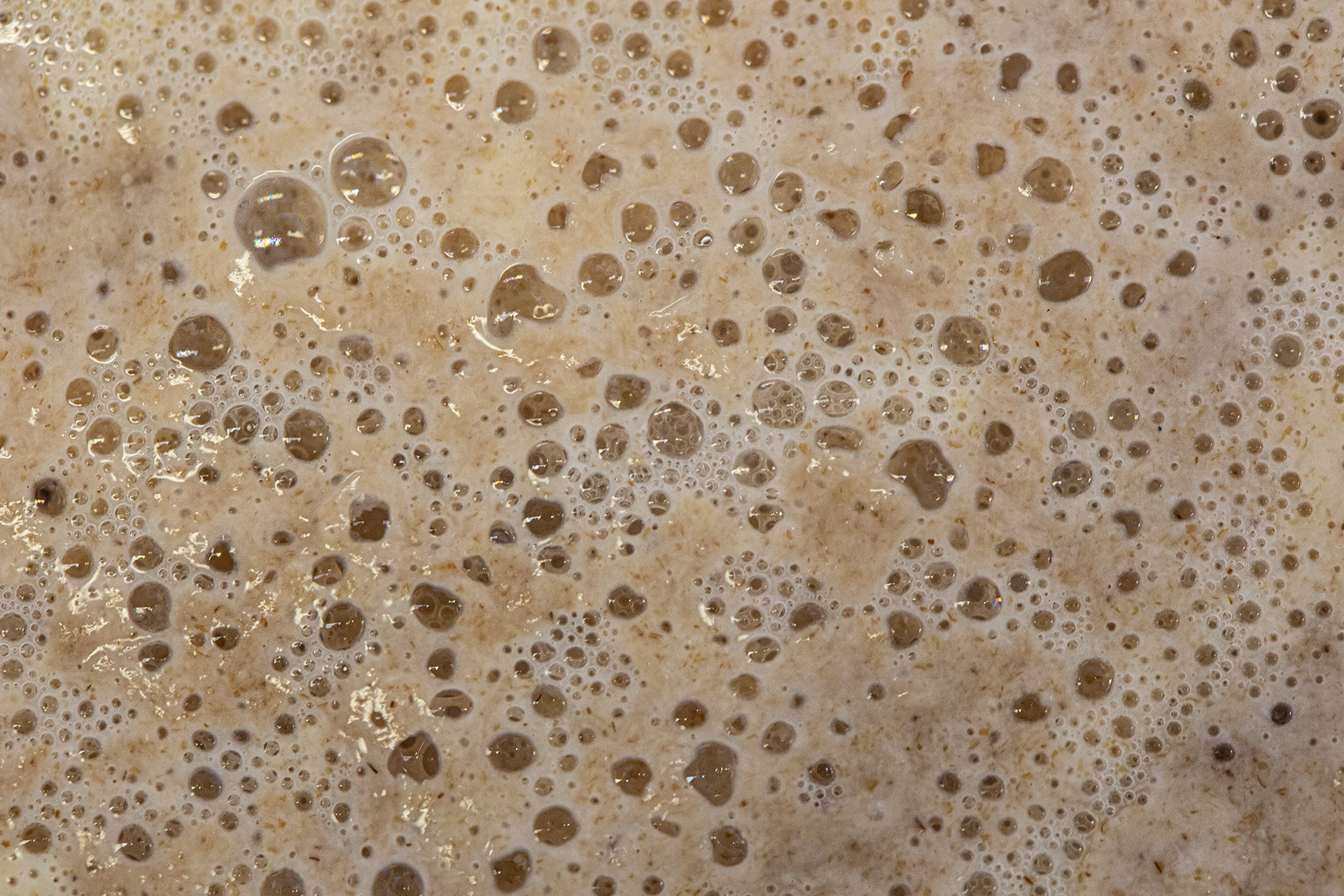
Food source
Yeast feeds on simple sugars to survive and reproduce. The main sugars that support yeast growth include glucose, fructose, and sucrose. These nutrients provide the energy needed for both cellular growth and fermentation processes.
Note
Simple sugars are the primary fuel source for yeast metabolism, providing the energy necessary for both growth and the production of alcohol and carbon dioxide during fermentation.
Common sources of these sugars can be found in:
- Flour (used in bread-making)
- Fruits (essential for wine production)
- Malted grains (crucial for brewing beer)
Oxygen requirements
Yeast demonstrates remarkable flexibility in how it uses oxygen. This microorganism can survive in both oxygen-rich and oxygen-poor environments, which affects how it produces energy.
Important
Aerobic conditions (with oxygen present) encourage yeast cells to multiply rapidly, whilst anaerobic conditions (without oxygen) promote fermentation where alcohol and carbon dioxide are produced.
Temperature control
Temperature plays a critical role in yeast activity. The ideal temperature range falls between and , where yeast cells are most active and productive.
Temperatures outside this range can cause problems:
- Too hot: Can damage or kill yeast cells
- Too cold: Slows down or stops yeast activity entirely
Moisture needs
Water is absolutely essential for yeast activation and survival. Dried yeast remains dormant until it encounters moisture, at which point it becomes active again.
High moisture levels in the surrounding environment help yeast grow more effectively, which is why dough provides an excellent medium for yeast development.
pH level preferences
Yeast performs best in slightly acidic environments, typically within a pH range of to . This mild acidity creates optimal conditions for yeast metabolism.
Note
This pH range is similar to the acidity level found in coffee, making it easy to remember that yeast prefers "mildly acidic like coffee" conditions.
Extremely acidic or alkaline conditions can severely limit yeast growth or prevent it altogether.
Time factors
Yeast needs adequate time to grow and carry out fermentation processes. The exact timing varies depending on the specific product being made and the environmental conditions present.
For bread-making, this timing is called "proofing time" and allows the dough to rise properly.
Structure of yeast
Cellular characteristics
Important
Yeast is a eukaryotic organism, meaning its cells contain a nucleus that houses genetic material, along with various organelles and a protective cell membrane.
Individual yeast cells are typically oval or round in shape and measure approximately micrometres in diameter - incredibly tiny organisms visible only under a microscope.
Key components
Yeast cells contain several important structures that enable them to function:
Cell wall: Made up of complex carbohydrates called polysaccharides, this outer layer provides structural support and protection for the cell.
Cytoplasm: This gel-like substance fills the cell and contains enzymes necessary for metabolic processes, including the glycolysis pathway that enables fermentation.
Vacuoles: These storage compartments hold nutrients that the yeast can use when needed, as well as waste products that need to be removed.
Yeast reproduction
Asexual reproduction through budding
Yeast reproduces without needing a partner through a process called budding. This efficient method allows yeast populations to grow quickly under favourable conditions.
Example
Budding Process: Step-by-Step
- A small bump (bud) begins forming on the surface of the parent yeast cell
- As this bud grows larger, the parent cell's nucleus splits into two parts
- One portion of the nucleus moves into the developing bud
- The bud continues expanding until it's ready to separate
- Finally, the new cell breaks away from its parent, creating an independent yeast cell
- The parent cell may show a small scar where the bud was attached
Fungi benefits and drawbacks
Since yeast belongs to the fungi kingdom, understanding the broader advantages and disadvantages of fungi helps us appreciate yeast's role in our world.
Advantages of fungi
Decomposition and nutrient cycling
Fungi serve as nature's recycling system, breaking down dead organic material and returning valuable nutrients to the soil. This process maintains healthy ecosystems and supports new plant growth.
For example, white-rot fungi decompose fallen trees, releasing carbon and essential nutrients back into the environment.
Food production applications
Many fungi contribute directly to human nutrition and food processing:
- Edible varieties: Mushrooms provide nutritious food rich in proteins and vitamins
- Fermentation processes: Yeasts are indispensable for producing bread, beer, and wine by converting sugars into alcohol and carbon dioxide
Medical breakthroughs
The medical field has benefited enormously from fungi:
- Antibiotics: The discovery of penicillin from Penicillium fungi revolutionised modern medicine
- Other pharmaceuticals: Fungi produce important drugs including statins for heart health and immunosuppressants for organ transplants
Environmental benefits
Fungi contribute to environmental health in several ways:
- Bioremediation: Some fungi can absorb heavy metals from contaminated soil, helping clean up polluted areas
- Plant partnerships: Mycorrhizal fungi form beneficial relationships with plant roots, helping plants absorb nutrients more effectively
Industrial applications
Industries rely on fungi for enzyme production, creating substances used in detergents, food processing, and other manufacturing processes.
Disadvantages of fungi
Food spoilage concerns
Fungi can cause significant problems in food storage and safety:
- Economic losses: Mould growth on bread, fruits, and other foods leads to waste and financial losses
- Health hazards: Some fungi produce toxic substances called mycotoxins that can contaminate food and harm human health
Important
Mycotoxins are particularly dangerous because they can cause serious health problems even in small amounts. Always discard mouldy food completely - do not simply remove the visible mould.
Health risks
Fungi can pose direct threats to human health:
- Respiratory problems: Fungal spores can trigger allergies and breathing difficulties
- Infections: People with weakened immune systems are particularly vulnerable to fungal infections
Agricultural damage
Crop production suffers from various fungal diseases:
- Plant pathogens cause blights, rusts, and other diseases in important crops like wheat and potatoes
- These diseases result in substantial agricultural losses and reduced food security
Structural damage
Fungi can damage buildings and materials:
- Wood decay: Some fungi break down wood, weakening the structural integrity of buildings
- Material deterioration: Fungi can damage paper, textiles, and other organic materials
Summary
Key Points to Remember:
- Yeast needs six key conditions to grow: food (sugars), appropriate oxygen levels, temperatures of , moisture, slightly acidic pH (), and adequate time
- Yeast cells are eukaryotic organisms that reproduce through budding, creating new cells that separate from their parents
- Aerobic conditions promote yeast cell multiplication, whilst anaerobic conditions favour fermentation processes
- Fungi, including yeast, provide essential benefits like decomposition, food production, and medical compounds, but can also cause food spoilage and health problems
- Understanding yeast's requirements and behaviour is crucial for successful bread-making, brewing, and other fermentation processes