Fats and Oils (Leaving Cert Home Economics): Revision Notes
📚Revision Notes
Fats and Oils
Nutritional and dietetic value of fats and oils
Understanding the nutritional role of fats and oils is essential for making informed dietary choices. These compounds serve multiple vital functions in our bodies while providing concentrated energy for daily activities.
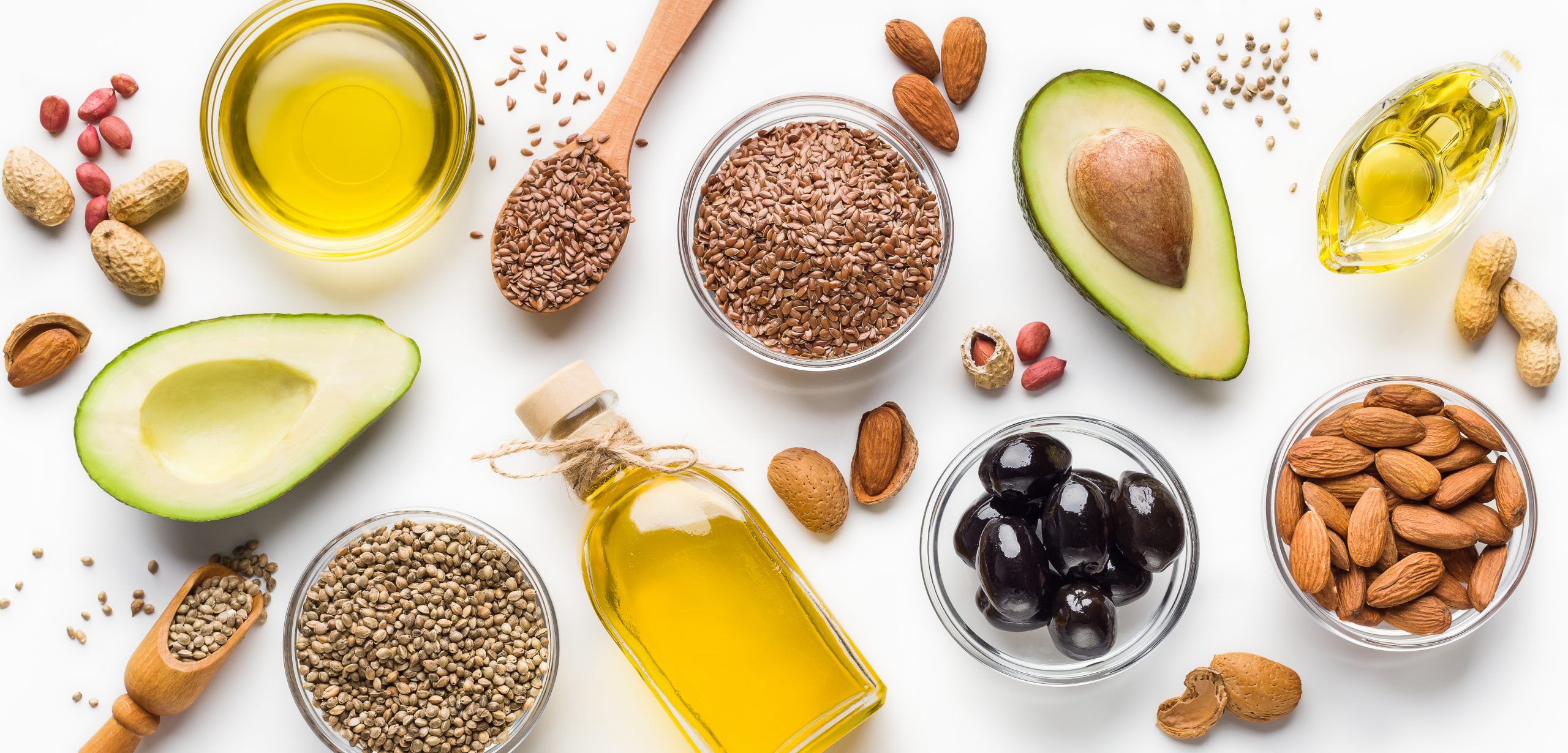
Types of fats
Fats come in several different forms, each with distinct characteristics and health impacts:
Important
Saturated fats are typically solid at room temperature and are commonly found in animal products like butter, cheese, and meat, as well as some plant oils such as coconut oil.
Unsaturated fats remain liquid at room temperature and include two main categories. Monounsaturated fats, found in foods like olive oil and avocados, are considered heart-healthy. Polyunsaturated fats, present in corn oil and sunflower oil, provide essential nutrients your body cannot make on its own.
Trans fats are created through an industrial process called hydrogenation. These fats have been linked to numerous negative health effects and should be limited in your diet.
Essential fatty acids
Your body cannot produce certain fats, making them essential to obtain through food sources.
Important
Omega-3 and omega-6 fatty acids are essential polyunsaturated fats that must come from dietary sources. These are crucial for brain development, reducing inflammation, and maintaining overall health.
Good sources include fish oils, flaxseeds, and walnuts. These fatty acids play a particularly important role in brain function and development.
Vitamins and cholesterol
Fats serve as carriers for important nutrients in your body. The fat-soluble vitamins A, D, E, and K require dietary fats for proper absorption. Vitamin E, commonly found in vegetable oils, acts as a powerful antioxidant protecting your cells from damage.
Note
Cholesterol, while often viewed negatively, is actually essential for cell membrane structure. Your body produces cholesterol naturally, but it can also be obtained from animal-based foods.
Energy and satiety benefits
Fats are remarkably energy-dense, providing calories per gramme compared to calories per gramme from carbohydrates or proteins. This makes them an efficient fuel source for your body's energy needs.
Beyond energy provision, fats contribute significantly to meal satisfaction. They help you feel full after eating and enhance the flavour and texture of foods, making meals more enjoyable and satisfying.
Health considerations
The balance of different fat types in your diet affects your cardiovascular health. Monounsaturated and polyunsaturated fats support heart health, while excessive consumption of saturated and trans fats increases cardiovascular risk.
Fats also play crucial roles in hormone production and brain function, with essential fatty acids being particularly important for cognitive development and mental health.
Dietary recommendations
Moderation and variety
The key to healthy fat consumption lies in balance. Rather than eliminating fats entirely, focus on consuming appropriate amounts that align with your overall dietary needs. Including different types of fats ensures you receive a range of nutrients and health benefits.
Limiting harmful fats
Important
Trans fats should be avoided as much as possible due to their association with increased disease risk. These are often found in processed foods and hydrogenated oils.
Check food labels carefully and choose products that don't contain partially hydrogenated oils, which are the primary source of trans fats in processed foods.
Manufacture of vegetable oil
Understanding how vegetable oils are produced helps you make informed choices about the oils you use in cooking and food preparation.
Seed preparation process
The journey from seed to oil begins with careful preparation. Seeds must first be thoroughly cleaned using sieves and magnetic separators to remove any impurities that could affect the final oil quality.
Hulling involves removing the outer seed coverings through mechanical processes, separating the hull from the inner seed. This step is crucial for efficient oil extraction.
The prepared seeds then undergo crushing and flaking, where they're processed to increase their surface area. This mechanical treatment makes the subsequent oil extraction much more efficient.
Oil extraction methods
Mechanical extraction uses a screw press to physically squeeze oil from the prepared seed flakes. While this method produces oil without chemical solvents, it typically yields less oil compared to other extraction methods.
Solvent extraction is more commonly used in commercial production. This process uses hexane, a chemical solvent, to dissolve the oil from the seed material. After extraction, the solvent is evaporated, leaving behind the extracted oil. This method achieves higher oil yields, making it preferred for large-scale production.
Cold pressing is a speciality method used for premium oils where maintaining natural flavours and nutrients is important. Heat is avoided during this process to preserve the oil's desirable characteristics.
Refining processes
Raw extracted oil undergoes several refining steps to improve its quality and shelf life.
Note
Degumming removes phospholipids and other substances that can make oil appear cloudy. This process typically involves treating the oil with water or acid, followed by centrifugation to separate the unwanted materials.
Neutralising eliminates free fatty acids that can cause rancidity and off-flavours. An alkali treatment neutralises these acids, helping preserve the oil's quality during storage.
Bleaching improves the oil's appearance by removing pigments and coloured substances. This process uses clay to absorb these compounds, resulting in clearer, more appealing oil.
Filteration removes any remaining particulate matter, ensuring the final product is pure and free from solid contaminants. Philtre presses are commonly used for this final purification step.
Deodorisation eliminates any unwanted tastes and smells through steam distillation under high vacuum and temperature conditions. This step ensures the final oil has a neutral flavour profile.
Packaging and quality control
The refined oil is packaged in various container sizes for both retail and commercial use. Labels provide important information including product type, nutritional content, and expiration dates, helping consumers make informed purchasing decisions.
Manufacture of margarine
Margarine production involves transforming liquid vegetable oils into a spreadable, butter-like product through several key processes.
Oil selection and extraction
Margarine manufacturers typically use vegetable oils such as soybean, corn, sunflower, and palm oil. These oils are extracted using either mechanical pressing or solvent extraction methods, similar to regular vegetable oil production.
Hydrogenation process
Important
Hydrogenation is a chemical process that adds hydrogen atoms to unsaturated fat molecules, converting liquid oils into solid or semi-solid forms.
This process, typically catalysed by nickel, transforms the oil's texture and increases its shelf-life by preventing rancidity. However, hydrogenation can create trans fats, which is why many manufacturers now use alternative methods or partial hydrogenation to minimise trans fat content.
Adding ingredients and emulsification
Various ingredients are added to create the final product characteristics. Emulsifiers like lecithin help blend water and oil phases, while preservatives extend shelf-life. Colourings and flavourings enhance appearance and taste, and vitamins A and D are often added to match butter's nutritional profile.
Note
Emulsification is the process of mixing oil and water phases to create a stable, uniform blend that resembles butter's texture and consistency.
Churning develops the final texture while incorporating air, contributing to the product's lightness and spreadability.
Final processing
Precise weighing ensures consistent product quantity in each package. The margarine is then packaged in tubs or sticks, depending on its intended use. Materials are chosen to preserve freshness and flavour during storage.
Labelling includes comprehensive information about ingredients, nutritional content, and fat composition, helping consumers understand what they're purchasing.
Types of margarines and dairy spreads
Different types of margarines and spreads serve various culinary purposes and offer different nutritional profiles.
Block margarine characteristics
Block margarine is made from hydrogenated oils, resulting in a solid form that maintains its shape at room temperature (around to ). This firmer texture makes it particularly suitable for baking and high-temperature cooking applications where structural integrity is important.
Soft margarine benefits
Soft margarine uses a blend of non-hydrogenated oils, creating a softer, more spreadable consistency. This type is ideal for spreading on bread and toast, and it generally contains lower levels of trans fats compared to block margarine, making it a healthier choice for many applications.
Dairy spread varieties
Low-fat dairy spreads typically contain -% less fat than regular butter. They often include water, milk proteins, and emulsifiers to maintain spreadability while reducing calorie content. These products offer a lower-calorie option for those managing their weight.
Functional dairy spreads are enriched with additional nutrients like omega-3 fatty acids, vitamins, or plant sterols. These products are designed to provide specific health benefits, such as improved heart health or cholesterol management, while offering various flavours to enhance taste.
Nutritional considerations
Note
Margarine products may be high in trans fats due to hydrogenation processes, while dairy spreads are generally high in saturated fats. Both product types may be fortified with vitamins A and D, with dairy spreads naturally containing these vitamins and margarines often having them added during manufacturing.
Storage and cooking guidelines
Proper storage and cooking techniques help maintain the quality and safety of fats and oils while maximising their culinary benefits.
Storage best practices
Store fats and oils in cool, dark places to prevent rancidity caused by excessive heat and light exposure. Avoid direct sunlight, which can degrade oil quality over time.
Use airtight containers to limit air exposure, which can cause oxidation. Dark glass or opaque containers are preferable as they reduce light exposure that can affect oil stability.
Always check and follow best-before dates on packaging. Some oils, particularly flaxseed oil, should be refrigerated after opening to extend their shelf life and maintain nutritional quality.
Cooking considerations
Important
Smoke point refers to the temperature at which oil begins to smoke and break down, producing harmful compounds and affecting flavour.
Choose oils with high smoke points, such as canola, peanut, and avocado oils, for high-temperature cooking methods like frying. For dressings and low-temperature cooking, oils with lower smoke points like extra virgin olive oil work well and provide excellent flavour.
Avoid reusing cooking oil multiple times, as repeated heating can generate harmful compounds. Similarly, avoid using oils that produce trans fats when heated to high temperatures.
Culinary applications
Flavour enhancement: Different oils contribute unique flavours - olive oil and sesame oil add distinctive tastes to dishes, while butter provides rich, creamy flavour in baking and cooking.
Texture development: Fats like butter and shortening create flakiness in pastries and add smoothness to sauces and dressings. They also serve as effective cooking mediums for frying and sautéing, facilitating heat transfer and browning.
Nutritional benefits: Fats aid in the absorption of fat-soluble vitamins, making them important for nutrient uptake from meals containing vitamins A, D, E, and K.
Summary
Key Points to Remember:
- Fats provide concentrated energy ( calories per gramme) and are essential for absorbing fat-soluble vitamins A, D, E, and K
- Omega-3 and omega-6 fatty acids are essential nutrients that must come from food sources and are crucial for brain health
- Trans fats should be limited due to their negative health effects, while unsaturated fats support heart health
- Vegetable oil production involves multiple refining steps including degumming, neutralising, bleaching, and deodorisation
- Choose cooking oils based on their smoke points - high smoke point oils for frying, lower smoke point oils for dressings and gentle cooking