Soya Beans (Leaving Cert Home Economics): Revision Notes
📚Revision Notes
Soya Beans
Nutritional significance
Soya beans are considered one of the most nutritionally valuable plant-based protein sources available. Understanding their composition helps explain why they're such an important food for various dietary needs.
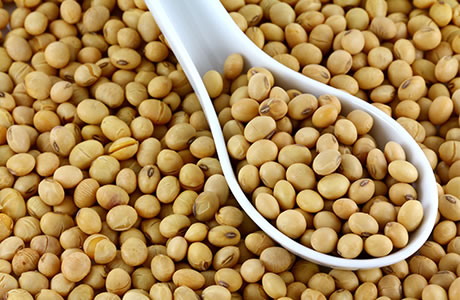
Protein content
Soya beans provide a unique type of plant protein that sets them apart from other vegetables. While they contain 1-8% Low Biological Value (LBV) protein, they are exceptional because they also offer High Biological Value (HBV) protein from a plant source.
Important
High Biological Value protein contains all the essential amino acids needed for human nutrition, making it crucial for growth and repair processes in the body.
The presence of all essential amino acids makes soya beans particularly valuable for people following vegetarian or vegan diets, where complete proteins can be harder to obtain.
Fat composition
Unlike many other vegetables, soya beans provide considerable amounts of beneficial fats. These are primarily polyunsaturated fats, which offer several health advantages:
- Support healthy cell membrane formation
- Help reduce the risk of coronary heart disease (CHD)
- Provide essential fatty acids the body cannot produce itself
Carbohydrate content
Soya beans offer 3-20% carbohydrates, including valuable dietary fibre. This fibre content serves multiple purposes:
- Aids digestion and promotes gut health
- Helps prevent bowel disorders
- May assist in managing blood sugar levels
- Provides starch for energy needs
Vitamins and minerals
Soya beans are rich in several important vitamins:
- Vitamin A: Supports healthy membranes, skin, and hair whilst being essential for growth regulation
- Vitamin B6 (pyridoxine): Important for energy release and folate metabolism
Contribution to the diet
Dietary benefits
Soya beans offer exceptional nutritional value, especially for those following plant-based diets. As a source of HBV protein, they provide an excellent alternative to animal products for vegetarians and vegans.
Note
The high fibre content supports digestive health and may help with blood sugar management. The polyunsaturated fat content contributes to heart health, making soya beans beneficial for cardiovascular wellbeing.
Versatility and use
One of soya beans' greatest advantages is their adaptability in cooking and food preparation:
- Can be consumed as tofu, soya milk, or whole beans
- Works as an effective meat substitute in many dishes
- Suitable for various cooking methods and cuisines
- Appeals to different dietary preferences and restrictions
Cost-effectiveness
Soya beans and their derived products are generally affordable, making them a cost-effective protein source for many households. They are widely available in supermarkets and health food stores, ensuring easy access for consumers.
This affordability combined with their nutritional value makes them an excellent choice for budget-conscious individuals seeking high-quality protein alternatives.
Types of soya products
Tofu
Tofu is produced by curdling soya milk and pressing the resulting curds into blocks, creating a soft, cheese-like texture. It can be smoked to add extra flavour.
Tofu is prized as a highly versatile ingredient that can be used in dishes ranging from stir-fries to desserts. Its ability to absorb flavours from other ingredients makes it popular in various cooking applications.
Soya milk
This dairy alternative is created by soaking soya beans in water, grinding them with the soaking water, then heating, filtering, and often flavouring the mixture. The final product can be homogenised and pasteurised for longer shelf life.
Soya milk serves as an excellent alternative to dairy milk, making it suitable for vegans and those with lactose intolerance. It can be used in beverages, cereals, and cooking applications.
Soya yoghurt
This non-dairy yoghurt is made by adding bacterial cultures to soya milk. The mixture is warmed to to and then fermented to develop the characteristic tangy flavour and thick texture.
Example
Production Process: Making Soya Yoghurt
Step 1: Add bacterial cultures to soya milk Step 2: Warm the mixture to the optimal temperature range ( - ) Step 3: Allow fermentation to develop tangy flavour and thick texture
Soya yoghurt provides a dairy-free alternative that can be enjoyed on its own or used in smoothies, desserts, and cooking.
Other soya-based products
- Quorn: Made from mycoprotein derived from fungi, used as a meat substitute
- Textured Vegetable Protein (TVP): A protein-rich meat substitute made from soya flour
- Soya cheese: A dairy-free cheese alternative made from soya milk
- Soya ice cream: A dairy-free alternative to traditional ice cream, made using soya milk
Summary
Key Points to Remember:
- Soya beans are unique plants that provide High Biological Value protein with all essential amino acids
- They contain beneficial polyunsaturated fats that support heart health
- Soya products offer versatile, cost-effective alternatives to animal products
- The high fibre content aids digestion and may help manage blood sugar levels
- Various soya products (tofu, milk, yoghurt) can be easily incorporated into different diets and cooking styles