Textured Vegetable Protein (Leaving Cert Home Economics): Revision Notes
📚Revision Notes
Textured Vegetable Protein
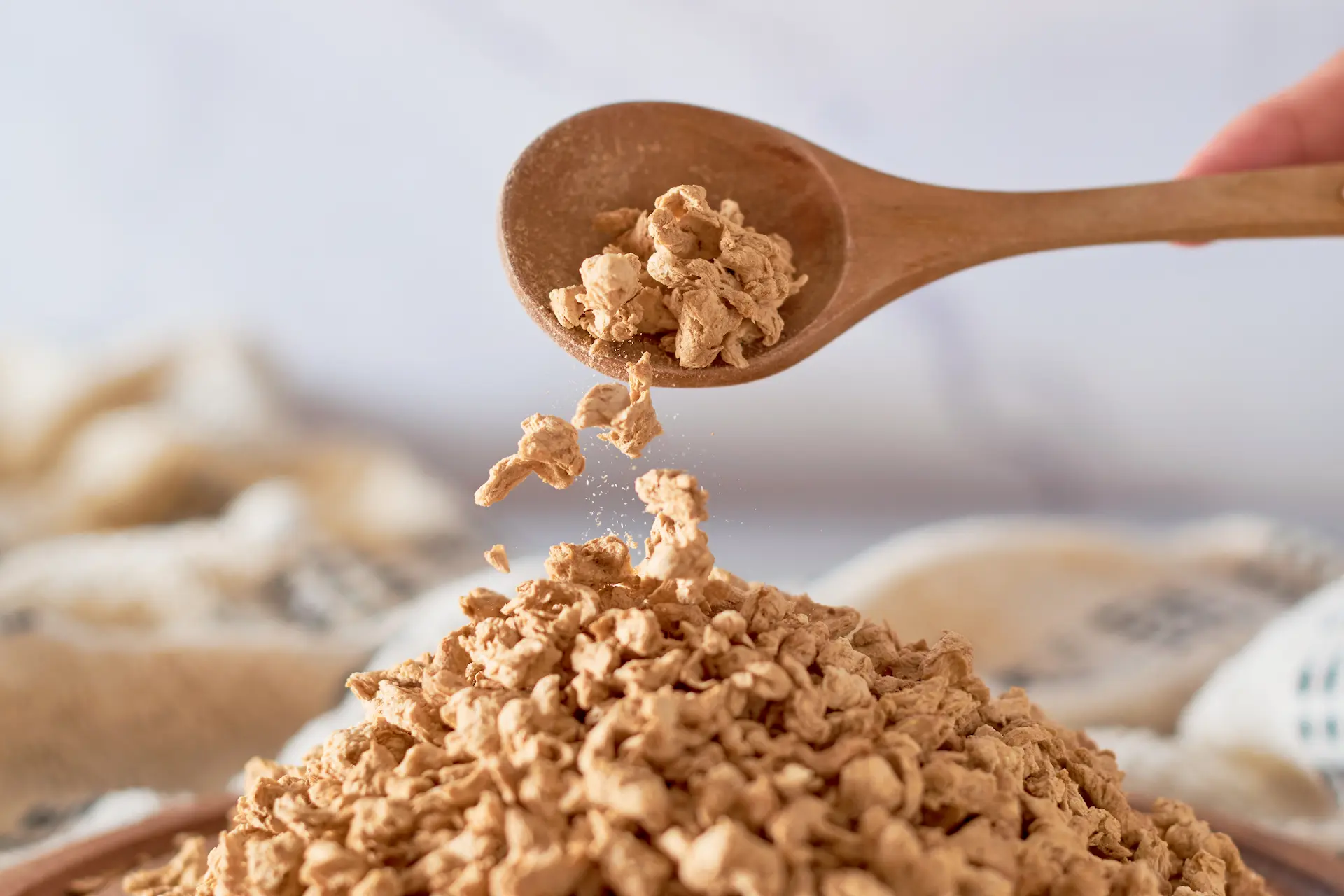
Textured Vegetable Protein (TVP) is a versatile meat substitute made primarily from soya beans through an industrial process that creates a protein-rich product with a meat-like texture.
TVP represents an important alternative protein source in modern food production. This processed soya product has gained popularity amongst vegetarians, vegans, and those seeking cost-effective protein options.
Manufacturing process of TVP
The production of TVP involves several carefully controlled stages that transform raw soya beans into the final textured protein product.
Note
Understanding the TVP manufacturing process helps explain why this product has such unique characteristics compared to whole soya beans, including its extended shelf life and distinctive texture.
Initial processing stages
The manufacturing begins with de-hulling and oil extraction. Soya beans undergo processing to remove their outer protective layer, followed by oil extraction which leaves behind a defatted soya product. This defatted material becomes the foundation for TVP production.
The defatted soya beans are then ground into a fine flour. This flour serves as the primary ingredient base, providing the concentrated protein content that makes TVP nutritionally valuable.
Protein concentration and enhancement
During the removal of carbohydrates stage, manufacturers eliminate excess carbohydrates from the soya flour. This process significantly increases the protein concentration, making the final product more nutritionally dense.
Addition of ingredients follows, where various components enhance the product's nutritional profile and palatability. These additions typically include vegetable oils for texture, flavourings to improve taste, seasonings for enhanced appeal, and crucial nutritional additives such as vitamin B12, methionene, and iron.
Texture formation and final processing
The heating and extrusion stage represents the most critical part of TVP manufacture. The mixture undergoes heating whilst being forced through specialised dies under pressure. This extrusion process creates the characteristic texture that resembles meat whilst simultaneously cooking the flour and denaturing proteins to form the final textured structure.
Following extrusion, the product undergoes shaping where it's cubed or chopped to resemble mince or other meat-like textures. The drying process removes moisture, creating a shelf-stable product that doesn't require refrigeration. Finally, packaging and labelling prepares the TVP for distribution and retail sale.
Advantages of TVP
TVP offers several significant benefits that make it an attractive protein source for many consumers.
Nutritional benefits
TVP provides high nutritional value as an excellent source of protein. Manufacturers often fortify it with additional nutrients, making it particularly beneficial for vegetarians and vegans who may struggle to obtain complete protein profiles from plant-based diets alone.
The product maintains low fat content, especially saturated fats, supporting healthier dietary practices compared to many animal protein sources.
Economic and practical advantages
Affordability makes TVP accessible to budget-conscious consumers, as it typically costs significantly less than equivalent amounts of meat products whilst providing comparable protein levels.
The long shelf life of dried TVP eliminates the need for refrigeration and reduces food waste concerns. This shelf stability makes it practical for emergency food supplies and reduces storage costs.
Versatility in cooking allows TVP to substitute for ground meat in numerous recipes including burgers, spaghetti sauces, and chilli dishes, making it easy to incorporate into existing meal planning.
Disadvantages of TVP
Despite its benefits, TVP presents several challenges that may limit its appeal to some consumers.
Health and allergen considerations
Important
Allergen Alert: TVP poses significant risks for individuals with soya allergies, as it derives entirely from soya beans and may trigger severe allergic reactions in sensitive individuals. Always check ingredient labels and consult healthcare providers if you have known soya sensitivities.
Sensory challenges
Flavour limitations present a common complaint, as TVP often tastes bland and requires substantial seasoning to achieve appealing flavours. This necessity for additional flavouring may discourage some consumers.
Texture issues can disappoint consumers expecting meat-like experiences, as some people find TVP's texture unappealing or noticeably different from actual meat products.
Processing concerns
Being a highly processed food, TVP may not appeal to consumers preferring whole, minimally processed foods in their diets, despite its nutritional benefits.
Guidelines for preparing and cooking TVP
Proper preparation significantly impacts TVP's palatability and cooking success.
Note
Preparation Tip: The key to successful TVP cooking lies in proper rehydration and generous seasoning. Many first-time users underestimate how much flavouring TVP requires to become truly appetising.
Essential preparation steps
Rehydration represents the most crucial preparation step. TVP requires soaking in hot water or broth for approximately 10-15 minutes until it softens and achieves the desired texture. This rehydration process allows the dried protein to absorb moisture and become suitable for cooking.
Seasoning becomes essential due to TVP's naturally bland taste. Marinating the rehydrated TVP or cooking it with herbs, spices, or sauces dramatically improves flavour and makes dishes more appealing.
Example
Worked Example: Basic TVP Preparation
Step 1: Measure 1 cup of dried TVP
Step 2: Pour 1 cup of hot vegetable broth over the TVP
Step 3: Let stand for 10-15 minutes until fully rehydrated
Step 4: Add seasoning such as garlic powder, onion powder, and herbs
Step 5: Sauté with vegetables or incorporate into your recipe
Cooking applications
Cooking methods for TVP mirror those used for ground meat. It can be sautéed, baked, or grilled as part of various recipes, making it easy to incorporate into familiar cooking techniques.
Combining with other ingredients works particularly well, as TVP complements vegetables, grains, and legumes effectively. This combination adds both texture and protein content to dishes whilst creating more complex, satisfying meals.
Summary
Key Points to Remember:
- TVP manufacturing involves multiple stages: de-hulling, grinding, carbohydrate removal, ingredient addition, heating/extrusion, shaping, drying, and packaging
- Key advantages include high protein content, affordability, long shelf life, and cooking versatility
- Main disadvantages are allergen risks, bland flavour, texture differences from meat, and high processing levels
- Proper preparation requires rehydration for 10-15 minutes and thorough seasoning before cooking
- TVP works best when combined with flavourful ingredients and can substitute for ground meat in most recipes