Sponsorship and Advertising (Leaving Cert Physical Education): Revision Notes
📚Revision Notes
Sponsorship and Advertising in Physical Activity and Sport
Note
Key Learning Focus:
- Understand sponsorship and advertising in sports.
- Examine the messages sports-related advertising sends to young people.
- Explore the advantages and disadvantages of sponsorship in sports.

The Golden Triangle
The "golden triangle" represents the relationship between sport, media, and business. It shows how these three elements are interconnected, relying on one another to thrive. Sport depends on media coverage to attract spectators, which in turn draws sponsorship and business opportunities.
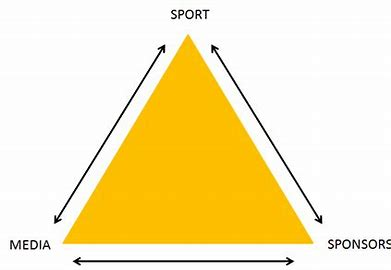
Commercialisation: In this context, sports move from being purely about participation and athletic performance to becoming a commercial product. This shift allows sports to be marketed and monetized, often through sponsorship deals and advertising. Without media attention, businesses would be less likely to invest in sport due to reduced visibility and engagement from the public.
Sponsorship: This occurs when a business pays to have its name, brand, or logo associated with a team or individual. Sponsorship brings mutual benefits: the business gains exposure and positive associations with the sport, while the performer receives funding that can be used to improve training and performance.
Sponsorship Opportunities for Businesses:
- Increased revenue through brand exposure.
- Promotion of their brand and positive associations with sport.
- Helping athletes or teams improve performance through funding. Examples:
- Many stadiums and arenas are named after corporate sponsors in exchange for financial gain. For instance, Netwatch Cullen Park is an example of a GAA stadium that changed its name as part of a sponsorship deal.
Note
Practical Task: Research a sports star and their sponsor to evaluate how both parties benefit from this sponsorship relationship.
Positive and Negative Impacts of Media for Spectators
| Positive Impacts | Negative Impacts |
|---|---|
| Performers/Performances: More money in sports leads to better training facilities, coaching, and performance support. | Loss of Traditions: Some spectators may be resistant to change when rules or formats are altered. |
| Better Stadiums: Improved media coverage increases revenue, allowing for better facilities like seating, screens, and sound systems. | Minority Sports Ignored: These often receive less coverage as media focuses on mainstream sports. |
| Analysis & Education: Spectators gain deeper insights into games with expert commentary and in-depth knowledge. | Advert Overload: More frequent breaks for advertising can disrupt the flow of the game. |
| Exciting Formats: Media introduces exciting formats like aggregate scores or changing rules for more engaging content. | Corporate Influence: The prioritisation of sponsors can change the schedule, leading to inconvenient match times. |
| Improved Spectator Experiences: Personal devices allow spectators to access instant replays and highlights, enhancing viewing experiences. | Start Times to Suit Sponsors/TV: Match start times may be adjusted to fit television schedules, inconveniencing fans. |
Sponsorship and Advertising in Physical Activity and Sport
Note
The following roles provide financial support, increase exposure, and enhance the marketability of sports and athletes:
- Sponsorship
- Endorsement
- Merchandising
Merchandising
Merchandising involves selling products related to sports, such as jerseys, equipment, and accessories. This helps generate additional revenue for sports organisations.
Example:
- Adidas sells branded merchandise for the FIFA World Cup, increasing revenue through global sales.
Types of Sponsorships
- Individuals
- Teams and Clubs
- Sports
- Events
- In-Kind
Individuals
Sponsorship deals with individual athletes often involve logos on clothing and training equipment, providing financial support and increasing the sponsor's visibility.
Example:
- Roger Federer and UNIQLO have a sponsorship deal that includes branded training gear and clothing.
Teams and Clubs
Sponsorships for teams and clubs include displaying banners, using company names for teams, and covering travel costs.
Example:
- Real Madrid and Emirates have a sponsorship agreement that includes branding on team kits and stadium advertisements.
Sports
Sports sponsorships involve naming tournaments, competitions, and leagues after specific brands, often covering the costs of organising the events.
Example:
- The Heineken Champions Cup is named after its sponsor, covering many organisational costs.
Events
Event sponsorships allow the use of the sponsor's logos on products, free products for participants, and funding for the event.
Example:
- McDonald's sponsors the Olympic Games, providing funds and free products to athletes.
In-Kind
In-kind sponsorships involve providing goods or services instead of cash, benefiting both the sponsor and the recipient by reducing costs and increasing visibility.
Example:
- Clayton Hotels sponsors Munster Rugby by providing accommodation and facilities.
Impact of Sponsorship
Sponsorship is when a business pays to have its brand associated with a sports event, team, or individual performer.
Sponsorship can offer benefits like:
- Increased revenue.
- Enhanced promotion and visibility.
- Positive brand association.
Examples:
- Naming rights, such as Netwatch Cullen Park, which was renamed after the GAA accepted a sponsorship deal with Netwatch.
- Shane Lowry, a well-known golfer, has several sponsors that promote his name and the sport.
| Impact on Sport | Impact on Performer |
|---|---|
| Increased financial rewards | Ability to focus on training |
| Promotion of sports and athletes | Reduces stress of financial burden |
| Enhanced opportunities for media exposure | Can elevate the athlete's personal status |
| Draws more fans to the sport | Improves access to training and medical support |
Note
Practical Task:
- Research a sports sponsorship deal and examine the mutual benefits for both the business and the sport.
Social Media and Sponsorship
Key Points:
- Social media platforms allow athletes and brands to reach a vast audience, making it a key area for sponsorship and endorsements. Athletes like Cristiano Ronaldo use platforms such as Instagram to promote brands, leveraging their massive following to increase sponsorship value.
- Social media has become an essential tool for athletes and teams to connect with fans, promote events, and advertise products.
Elite athletes use social media platforms to promote themselves and their sponsors. This adds another dimension to the traditional athlete-business relationship.
- Example: Cristiano Ronaldo is a prominent social media influencer who helps his sponsors reach a wide audience.
Note
Knowledge Check:
- List the advantages and disadvantages of sponsorship for both athletes and sports organisations.
- Why might a code of practice for sponsorship be important?
Advantages and Disadvantages of Sponsorship
| Advantages | Disadvantages |
|---|---|
| Increased funding and promotion. | Sponsorship may promote ideas contradictory to sport values. |
| Financial support for athletes, allowing them to focus on performance. | Sponsorship could be withdrawn at any time. |
| Increased visibility and participation in sport. | Competition for sponsorship could exclude minority sports. |
Note
Knowledge Check:
- Define commercialisation in sport.
- What role does sponsorship play in the golden triangle?
Advantages for Sport
Sponsorship provides essential funding for gear, travel, accommodation, and competition fees. This financial support allows athletes to focus on their training and performance without the stress of securing additional income.
Example:
- Teams and clubs may receive funding for coaching and development programmes, talent identification, and event hosting.
Disadvantages for Sport
Reliance on sponsorship can lead to ethical concerns, especially if the sponsor's image conflicts with the sport's values. Sponsorship can also be withdrawn, leaving sports organisations in financial difficulty.
Example:
- An athlete sponsored by a tobacco company may face backlash due to the health risks associated with tobacco.
Advantages for Sponsors
Sponsorship enhances brand visibility and credibility, leading to increased sales. Associating with sports can improve a company's image and reach new demographics.
Example:
- A company sponsoring a popular sports team can improve its public perception and attract more customers.
Disadvantages for Sponsors
Sponsorship is an uncertain investment, with risks of negative publicity if the sponsored entity is involved in a scandal. The sponsor's reputation can be affected by the actions of the athletes or teams they support.
Example:
- Lance Armstrong's doping scandal negatively impacted his sponsors, leading to financial and reputational damage.
Sponsorship of National Governing Bodies (NGBs)
Note
National Governing Bodies (NGBs) rely on sponsorship for funding and support. These sponsorships help in organising and promoting sports at all levels, but they also come with potential challenges and ethical considerations.
Positive Effects
Sponsorship provides essential funding for NGBs, helping to develop sports at both grassroots and elite levels. Partnerships with companies can promote positive health and well-being messages.
Example:
- Sport Ireland uses sponsorship funds to support NGBs, enhancing their programmes and initiatives.
Negative Effects
Sponsorship can lead to ethical dilemmas, especially if the sponsor's values conflict with those of the NGB. There is also a risk of reduced financial support if the partnership faces public scrutiny.
Example:
- The Irish Heart Foundation criticised partnerships with junk food brands, leading to a review of sponsorship policies.
Endorsements in Sport

Key Points:
- Endorsements involve athletes promoting a product or brand in return for financial incentives. High-profile athletes like Rory McIlroy have lucrative endorsement deals that increase brand visibility and link the athlete's success with the product's image.
- Social media influencers, such as athletes, use their platforms to promote products to their audience, making them key figures in advertising campaigns.
- Athletes should ensure the products they endorse align with their values and promote a healthy lifestyle. Endorsements can be both positive and negative, as seen with controversies like Lance Armstrong or Ronaldo's Coca-Cola incident.
Impact of Endorsements
| Positive Impact | Negative Impact |
|---|---|
| Increased athlete visibility | Ethical concerns if the product is harmful |
| Financial stability for athletes | Athletes' image tied to product controversies |
| Promotion of healthy lifestyle | Potential loss of authenticity |
Note
Knowledge Check:
- What are endorsements and how do they benefit athletes?
- Can you think of an example where an athlete lost an endorsement deal due to controversy?
Note
Endorsements can greatly enhance a product's marketability by leveraging the credibility and popularity of athletes. They can open new markets and create strong brand associations.
Builds Credibility
Endorsements create a connection between consumers and the athlete, enhancing the perceived value of the endorsed product.
Example:
- Consumers trust products endorsed by their favourite athletes, believing in their quality and effectiveness.
Opens Up New Markets
Partnering with popular athletes can help brands reach new demographics, increasing their market share.
Example:
- Nike's partnership with Michael Jordan expanded its reach to basketball enthusiasts worldwide.
Helps the Product Stand Out
Endorsements improve product visibility, making it a preferred choice among consumers.
Example:
- Products endorsed by athletes are prominently displayed in stores, attracting more buyers.
Creates a Brand Trigger
Endorsements link products with the athlete's success, creating a strong brand association.
Example:
- A consumer might choose a sports drink endorsed by a successful athlete, believing it will enhance their performance.
Negative Impact of Endorsements
Note
While endorsements can boost a brand, they also carry risks, including the potential for negative publicity, high costs, and market oversaturation.
- Celebrity Image Can Change Rapidly
- Expensive
- Too Many Endorsements
- Lack of Online Presence
Celebrity Image Can Change Rapidly
Athletes' reputations can be affected by personal scandals, negatively impacting the endorsed product's image.
Example:
- Wayne Rooney's endorsement deal with Coca-Cola was affected by negative publicity.
Expensive
Endorsement deals can be costly, with high-profile athletes demanding significant fees.
Example:
- Steph Curry's endorsement deals cost Under Armour millions annually.
Too Many Endorsements
Multiple endorsements by the same athlete can dilute the impact of each endorsement.
Example:
- NBA legend Shaquille O'Neal endorsed over 50 products, reducing the effectiveness of each endorsement.
Lack of Online Presence
Without a strong online presence, endorsements may not effectively reach the target audience.
Example:
- Traditional TV ads are less effective than social media campaigns in engaging younger consumers.
Merchandising in Sport
Note
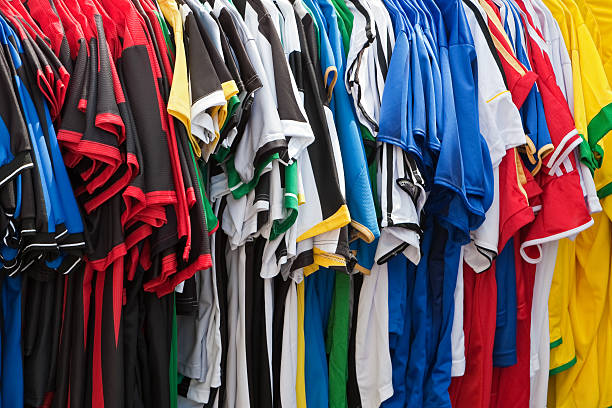
Merchandising generates revenue and promotes brands through the sale of sports-related products. It can significantly impact the financial health of sports organisations.
Key Points:
- Merchandising involves selling products associated with a sport or team. Popular sports merchandise includes jerseys, caps, and other branded gear that fans buy to show support.
- In Ireland, the GAA has strong links to O'Neill's for the production of official team gear. Example:
- Adidas sells branded merchandise for the FIFA World Cup, increasing revenue through global sales.
Impact of Merchandising
| Impact on Sport | Impact on Fans |
|---|---|
| Increased revenue from sales | Fans feel closer to their team through ownership of branded merchandise |
| Branding opportunities for clubs | Higher prices due to brand association |
| Enhances fan loyalty | Risk of commercialising the sport too much |
Advantages
Merchandising generates revenue, supports salaries, maintains facilities, and funds training and events. Effective visual merchandising positively affects retail sales.
Example:
- Sales of branded jerseys and equipment provide significant income for sports teams.
Disadvantages
Merchandising can be costly, with expenses for design and production impacting profitability.
Example:
- High costs of producing branded football jerseys may deter fans from purchasing, leading to financial losses.
Note
Knowledge Check:
- Explain how merchandising can financially benefit sports teams.
- Name a popular sporting brand and how they contribute to team identity.
Impact of Commercialisation on Sport and Performers
- Commercialisation is the process of managing or marketing sports for profit. This shift from participation to profit means that sport is marketed much like a business.
- Media and business are highly dependent on each other. Media coverage increases visibility, which can boost participation and spectatorship. In turn, businesses get more opportunities to market products.
- This cycle often leads to kit deals, where brands like Under Armour supply kits to teams or events, such as the Irish Paralympic team.
Key Points:
- Commercialisation of sports has led to increased financial benefits but also shifts the focus from sport to revenue generation.
- Athletes may face additional pressure from sponsors and media exposure but gain more financial stability and training opportunities.
Impact of Commercialisation on Sport and Performers
| Impact on Sport | Impact on Performers |
|---|---|
| Improved financial rewards | Ability to focus on training |
| Additional investment in sports | Greater access to equipment and medical care |
| Increased spectator interest | Scheduling of events may affect athlete preparation |
Note
Knowledge Check:
- Explain the term commercialisation and its role in modern sports.
- How does sponsorship impact the training and performance of athletes?
Sports-Related Advertising
Note
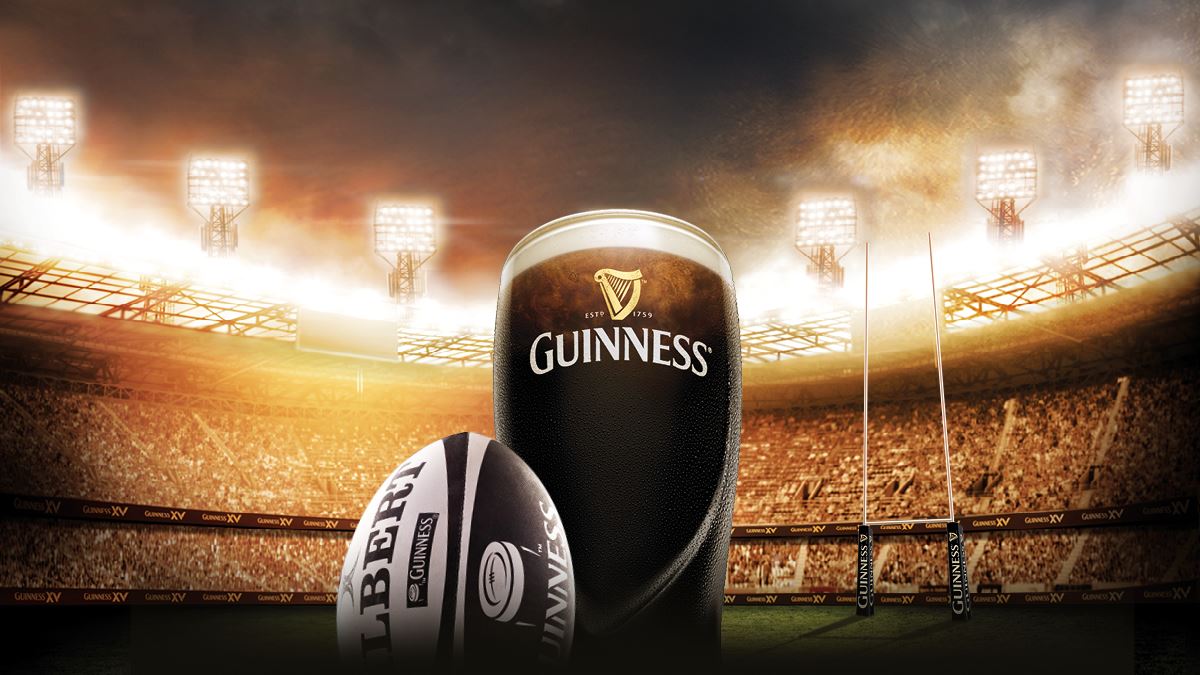
Sports-related advertising is a powerful tool for reaching wide audiences. It can promote positive messages but also present mixed messages, especially when involving unhealthy products.
Mixed Messages
Sports advertising can send mixed messages, especially when promoting unhealthy products.
Example:
- Advertisements for sugary drinks during sports events can contradict the promotion of healthy lifestyles.
Food
Food advertisements often promote unhealthy products, contributing to poor dietary habits and health issues.
Example:
- Ads for fast food during sports events encourage unhealthy eating habits among viewers.
Alcohol
Alcohol advertising in sports can promote excessive drinking, conflicting with the health benefits of physical activity.
Example:
- Alcohol sponsorship of sports events has been linked to increased alcohol consumption and related health issues.
Positive Messaging
Advertising can promote positive messages, encouraging healthy lifestyles and social responsibility.
Example:
- Campaigns promoting active living and balanced diets align with the values of sports and physical activity.
Selecting Commercial Sponsorship
Note
Selecting the right commercial sponsorship involves careful consideration of the sponsor's values and the potential impact on the sport and its participants. Guidelines help ensure these partnerships are beneficial and ethical.
Guidelines
- Research suitable companies to approach, ensuring alignment with the sport's values and goals.
- Gather information on potential sponsors to evaluate their fit with the sport or activity.
- Determine what the sponsor expects in return, such as money, travel costs, equipment, or uniforms.
- Be realistic in choosing sponsors, considering both national and international options.
- Design an appropriate proposal, highlighting the benefits and exposure opportunities for the sponsor. Example:
- Ireland reduced unhealthy food sponsorship at primary schools, promoting healthy eating habits among children.