The History of Money (Grade 10 NSC Matric Economics): Revision Notes
📚Revision Notes
The History of Money
Understanding how money developed over time helps us appreciate the complex economic systems we use today. Money didn't always exist in the forms we know now - it evolved through different stages to meet the changing needs of societies.
The beginnings of money
In the earliest human societies, people didn't use money at all. Instead, they relied on a barter system, where goods and services were traded directly for other goods and services. This direct exchange method worked for simple transactions but became increasingly problematic as societies grew more complex.
Example
Example of Barter Trading
A farmer might trade grain for tools, or a craftsperson might exchange pottery for meat. However, this system had limitations - what if the tool maker didn't need grain at that moment, or if the values of the items being traded didn't match?
However, as societies grew more complex, people gradually recognised the benefits of having a medium of exchange - something that could represent value and make trading easier.
The first mediums of exchange included items that were naturally valuable or useful, such as cattle, cowry shells, and other precious objects. These early forms of money had to be portable, durable, and widely accepted by the community.
Note
The transition from barter to early money systems represented a fundamental shift in how humans conducted trade. This evolution laid the foundation for all modern economic activity.
Around 650 BCE, a significant development occurred when the first official metal coins were created in Lydia (in modern-day Turkey). Metal coins became popular because they were much easier to carry around than cattle or large shells, and their metal content gave them intrinsic value. As trade expanded, governments became involved in creating coins to make them more reliable and standardised across regions.
Today's coins are made of brass, nickel and bronze rather than precious metals. Each country has developed its own currency - the official money system used within that nation. Originally, bank notes (paper money) represented a specific amount of gold kept at a bank and could be exchanged for gold. This system was called the gold standard.
Indigenous and early African money
Before European colonisation, African societies developed their own sophisticated monetary systems. Indigenous money in Africa took many forms, including cattle, beads, ostrich shells, and cloth. Valuable materials like ivory and gold were probably also used as mediums of exchange in various regions.
Note
African monetary systems were often based on materials that had practical value beyond their use as currency. Cattle, for instance, provided milk, meat, and labour, while beads and shells served decorative and ceremonial purposes.
Archaeological evidence shows that metal coins were used in several African locations long before European arrival. Researchers have discovered ancient metal coins in Zimbabwe, the Marico region, and the Eastern Cape, demonstrating that African societies had established complex trade networks and monetary systems.
Colonial money
When the Cape Colony was established as a halfway port for ships travelling to the East, the monetary system became quite complex. Many different types of coins circulated simultaneously, including Dutch florins, Spanish dollars, and a silver real specifically for Dutch trade activities.
In 1705, the Dutch authorities recognised the need for a standardised monetary system and established the Cape rixdollar as the official monetary unit for the Cape Colony. This represented an important step towards creating a unified currency system in the region.
Important
The coexistence of multiple currencies in early colonial South Africa created significant challenges for trade and commerce. Merchants had to constantly convert between different monetary systems, making transactions complicated and sometimes leading to disputes over exchange rates.
Imperial money
British control of the Cape in 1806 brought significant changes to the monetary system. In 1826, the British introduced sterling currency (pounds, shillings and pence) as another form of legal tender alongside the existing rixdollar system. This created a dual-currency situation that reflected the political changes occurring in the region.
Following the Anglo Boer War, British currency became the official currency throughout South Africa. By 1824, sterling was recognised as the only legal tender in the Cape Colony and Natal.
Note
Legal tender means the currency that may be legally used in a country - for example, you cannot legally buy goods in South African shops using French francs.
The Independent Republic in the Transvaal decided to assert its independence by minting its own gold coins. Similarly, Pretoria minted gold and silver coins, and in 1893, the famous Kruger pounds were created, showing the political importance of controlling currency.
When the Union of South Africa was formed in 1910, sterling became the legal tender across the entire country, unifying the monetary system. In 1921, an important institution was established - the South African Reserve Bank - which began printing and issuing pound notes based on the gold standard.
The gold standard meant that all bank notes issued were backed by gold stored at banks, giving people confidence that their paper money had real value. However, in 1932, South Africa dropped the gold standard, though it continued issuing gold coins as collectors' and investors' pieces.
Example
Major Currency Change: Sterling to Decimal
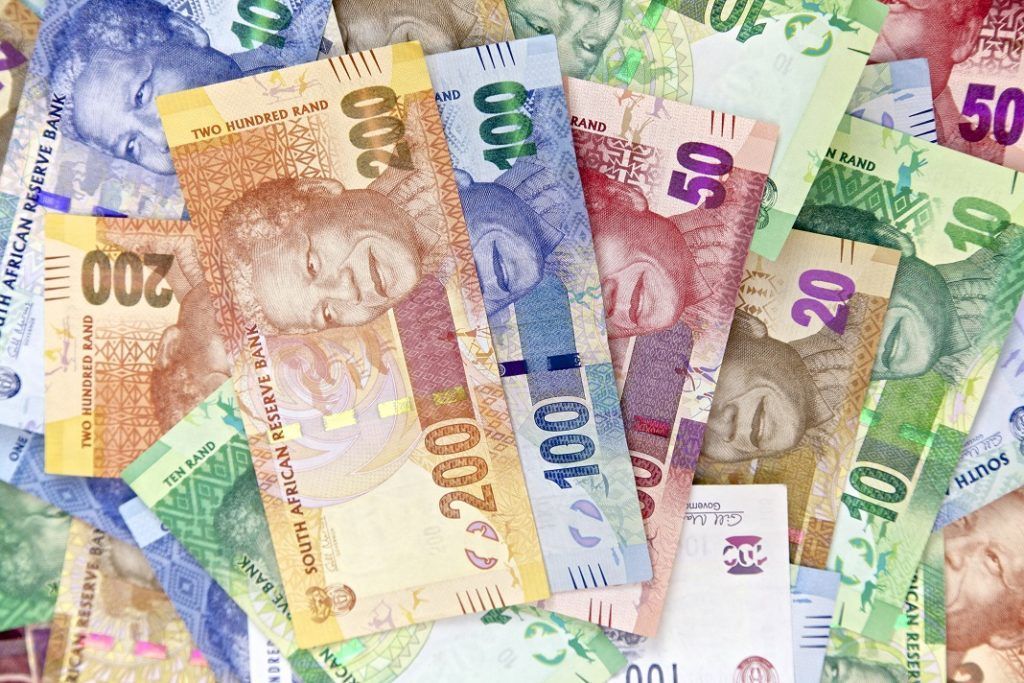
A major change occurred in 1961 when South Africa adopted the decimal system, introducing rands and cents instead of the sterling system of pounds, shillings and pence. This made calculations much easier and aligned South Africa with the global trend towards decimal currency systems.
Under the old system: 1 pound = 20 shillings = 240 pence
Under the new system: 1 rand = 100 cents
It's important to understand that today, the value of our currency is no longer determined by the amount of gold reserves we hold. Modern currencies operate on different principles than the historical gold standard system.
Summary
Key Points to Remember:
- Money evolved from simple barter systems to complex currency systems over thousands of years
- The first official coins were created around 650 BCE, making trade much more efficient
- African societies developed sophisticated monetary systems using cattle, beads, shells, and metals long before colonisation
- South Africa's monetary history reflects its political changes, from Dutch and British colonial systems to an independent currency
- The establishment of the South African Reserve Bank in 1921 and the adoption of decimal currency in 1961 were crucial milestones in developing our modern monetary system