The Greenhouse Effect (Grade 10 NSC Matric Geography): Revision Notes
📚Revision Notes
The Greenhouse Effect
What is the greenhouse effect?
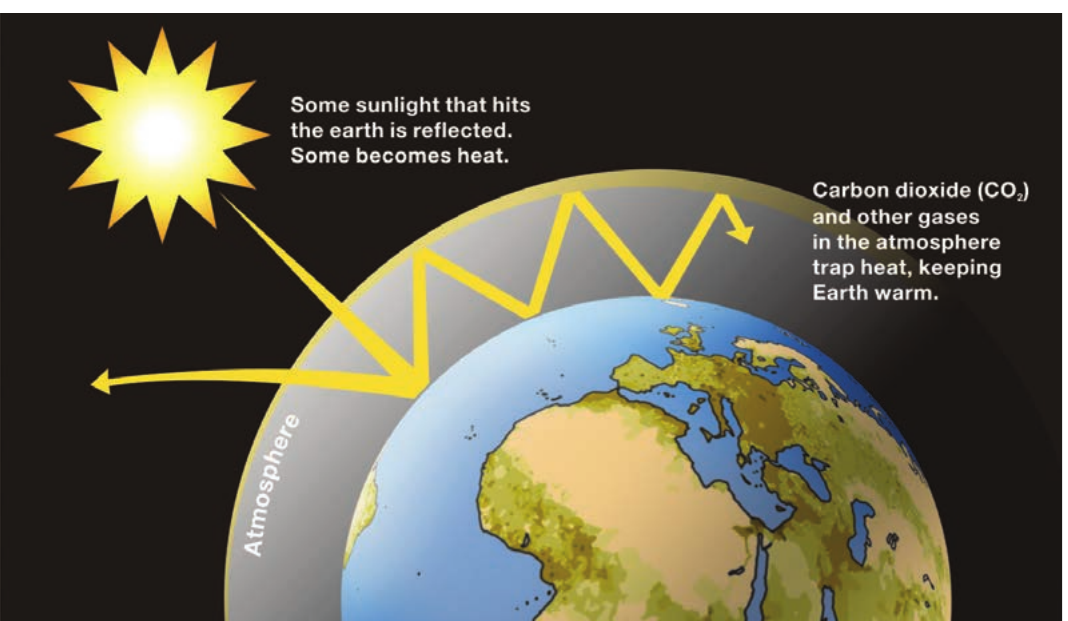
The greenhouse effect is nature's way of keeping our planet warm enough to support life. Think of it like a giant glass greenhouse or glasshouse that gardeners use to grow vegetables. Just as the glass in a greenhouse traps heat inside to keep plants warm, certain gases in Earth's atmosphere trap heat to keep our planet comfortable.
Note
The Greenhouse Analogy
Just like how a gardener's glasshouse works, Earth's atmosphere acts as a protective layer that lets sunlight in but prevents heat from escaping too quickly. This natural "greenhouse" keeps our planet at just the right temperature for life to thrive.
The greenhouse effect works through a natural process where Earth's atmosphere absorbs and reflects heat that comes from the ground. This process involves special gases called greenhouse gases that easily soak up heat energy. The most important greenhouse gases are:
- Water vapour - the most common greenhouse gas
- Carbon dioxide (CO₂) - released from natural processes and human activities
Without the greenhouse effect, Earth would be far too cold for most life forms to survive. It's actually an essential natural process that maintains suitable temperatures for life to flourish.
How does the greenhouse effect work?
Understanding how the greenhouse effect works involves following the journey of energy from the sun to Earth and back again. The process occurs mainly within the first 11 kilometres above Earth's surface, where three-quarters of our atmosphere's total mass is located in the troposphere.
Example
Step-by-Step Process: How Heat Gets Trapped
Step 1: Solar energy arrives
- Sunlight (called insolation) travels through space and reaches Earth's atmosphere
- Most of this solar energy passes through the atmosphere with very little being absorbed
Step 2: Earth absorbs energy
- When sunlight reaches Earth's surface, our solid planet absorbs much of this energy
- The absorbed energy warms up the land and oceans
Step 3: Earth releases heat
- The warmed Earth then gives off heat energy back towards space
- This heat energy is called terrestrial radiation (heat coming from Earth rather than the sun)
Step 4: Greenhouse gases trap heat
- Greenhouse gases like water vapour and carbon dioxide in the atmosphere easily absorb this heat energy from Earth
- Instead of letting all the heat escape to space, these gases trap it and warm up the atmosphere
- The warmed gases then re-radiate some of this heat back down to Earth's surface
This continuous cycle of energy absorption and re-radiation creates the natural warming effect that makes life on Earth possible.
The enhanced greenhouse effect
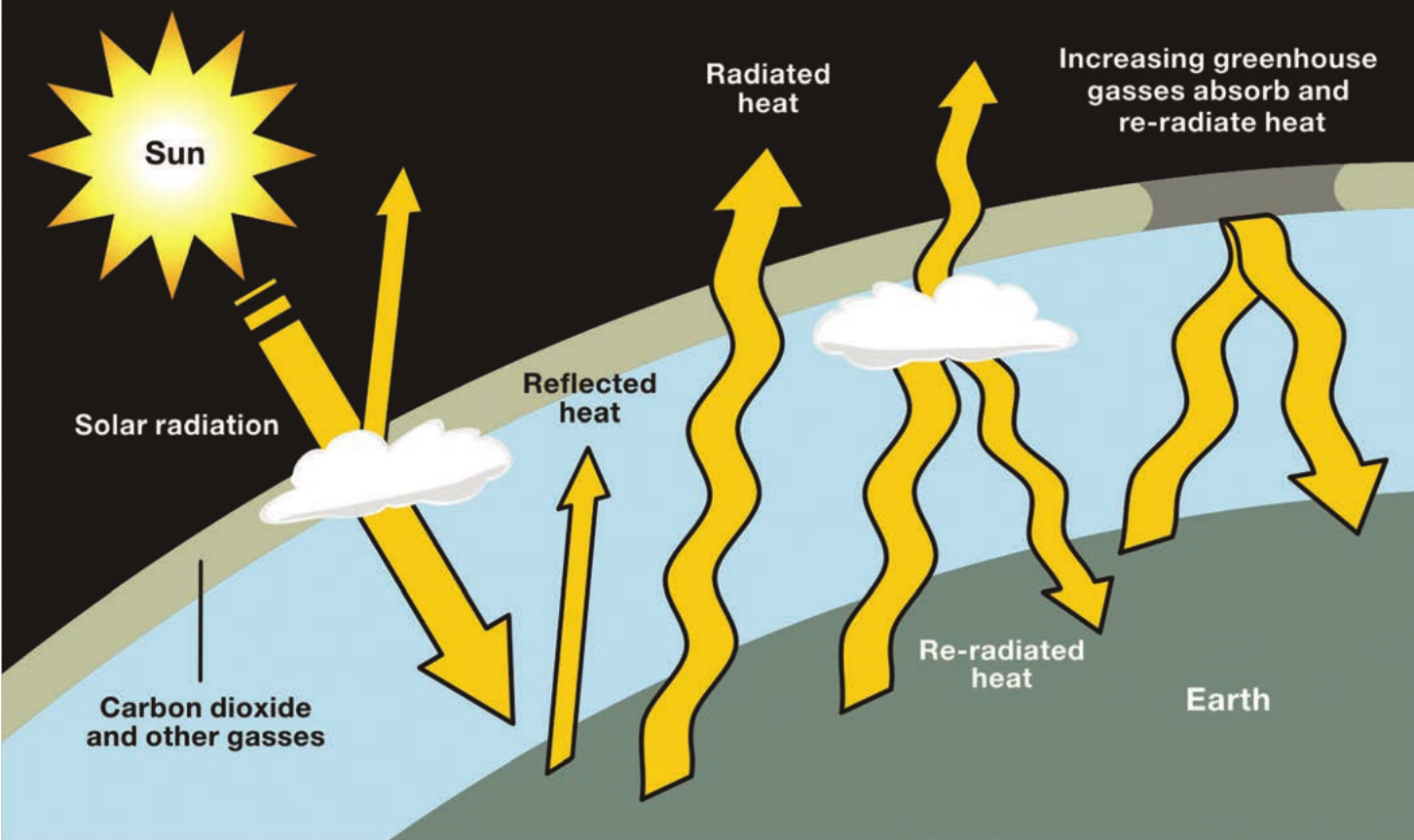
While the natural greenhouse effect is beneficial, human activities have begun to change this delicate balance. When people burn fossil fuels, cut down forests, and engage in industrial activities, we add extra greenhouse gases to the atmosphere. This creates what scientists call the enhanced greenhouse effect.
Important
Human Impact on Natural Balance
The enhanced greenhouse effect means there are now higher concentrations of greenhouse gases in the atmosphere than would occur naturally. These extra gases absorb and re-radiate even more heat back to Earth's surface, causing our planet's average temperature to rise. This overall increase in Earth's temperature is called global warming.
The enhanced greenhouse effect can be demonstrated simply by observing how a car parked in the sun becomes much hotter inside than outside. The car windows trap heat in the same way that increased greenhouse gases trap more heat in Earth's atmosphere.

Environmental impacts
The enhanced greenhouse effect creates both positive and negative changes for our environment, though the negative impacts are generally more significant and concerning.
Positive impacts of enhanced warming
Interestingly, some warming can initially have benefits:
- More of Earth's surface becomes suitable for human settlements and farming
- Warmer temperatures allow different climate zones to develop around the world
- Various plants and animals can adapt to live in these changing climates, creating diverse ecosystems in different regions
Negative impacts of enhanced warming
However, as Earth and the atmosphere continue to warm beyond natural levels, serious problems begin to emerge:
Important
Critical Environmental Consequences
- Changing weather patterns - Some places may become too hot for growing crops, while others may experience too much or too little rainfall
- Rising sea levels - If large amounts of ice melt at the polar regions, ocean levels could rise significantly
- Climate disruption - The world's climate systems may begin to change dramatically, affecting weather patterns globally
These environmental changes can have cascading effects throughout ecosystems and natural systems that have developed over thousands of years.
Impact on people
People have successfully adapted to live in nearly all parts of Earth by taking advantage of different environments for fishing, farming, and other activities. However, if global temperatures continue to rise and climate patterns change, human lives and communities will be significantly affected.
Effects on where people live:
- Global warming will impact decisions about where people can live comfortably
- Some regions may become unsuitable for human habitation due to extreme temperatures
Effects on food production:
- Agricultural regions may become too dry for farming, threatening food security
- Heavy rainfall and rising sea levels may cause flooding that damages farms and settlements
- Changes in growing seasons and crop viability will affect food production worldwide
Effects on livelihoods:
- Traditional farming and fishing practices may no longer be viable in changed climates
- Communities may need to relocate or completely change their way of life
- Economic activities dependent on stable climate conditions will face challenges
Note
The Industrial Connection
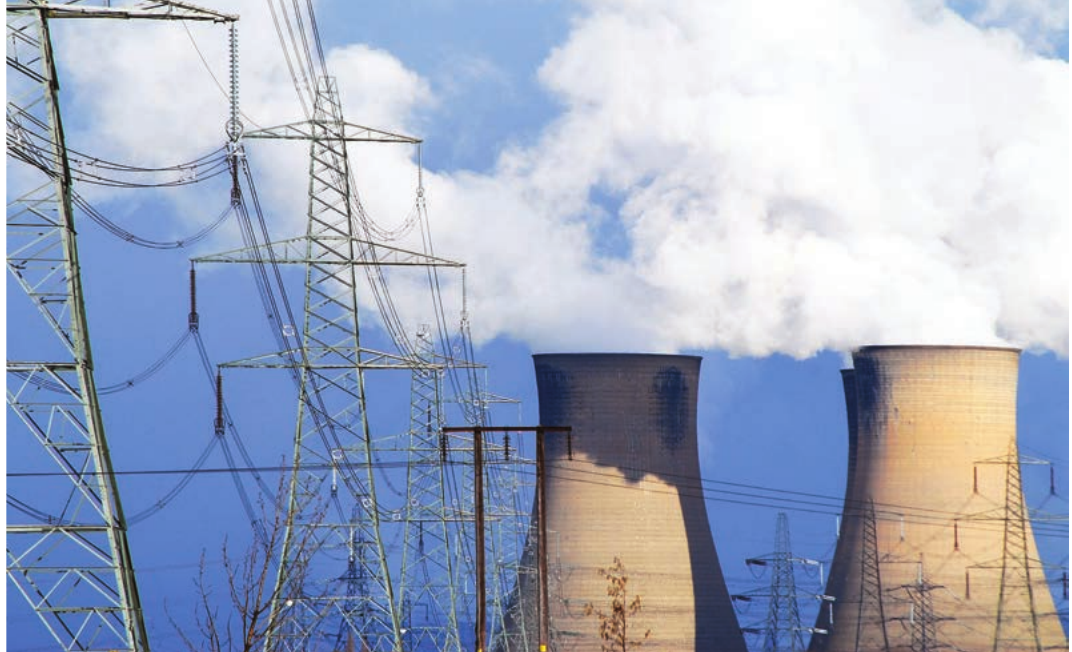
Human activities, particularly those involving fossil fuel burning such as coal-fired power stations, continue to release large quantities of carbon dioxide and other greenhouse gases into the atmosphere. This creates a cycle where human industrial activities enhance the greenhouse effect, leading to climate changes that then impact human communities and activities.
Remember!
Summary
Key Points to Remember:
-
The greenhouse effect is natural and necessary - Without it, Earth would be too cold to support most life forms
-
Greenhouse gases trap heat - Water vapour and carbon dioxide absorb heat from Earth's surface and re-radiate it back, keeping our planet warm
-
Human activities enhance the effect - Burning fossil fuels and industrial processes add extra greenhouse gases, causing global warming
-
Both positive and negative impacts exist - While some warming can create more suitable living areas, excessive warming leads to serious environmental and social problems
-
The process affects everyone - Changes in climate patterns impact food production, where people can live, and how communities function worldwide