Electromagnetic Radiation (Grade 10 NSC Matric Physical Sciences): Revision Notes
📚Revision Notes
Penetrating Ability of EM Radiation
The ability of electromagnetic radiation to pass through materials depends on its frequency and energy. Understanding how different types of EM radiation penetrate matter is crucial for both beneficial applications and protection from harmful effects.
Basic principles of penetration
Penetrating ability refers to how well electromagnetic radiation can pass through materials. Different frequencies of EM radiation have different degrees of penetration ability.
Note
The key relationship to remember is that electromagnetic radiation with higher frequency has higher energy and greater penetrating ability compared to radiation with lower frequency.
For example, when examining the human body:
- Visible light is reflected off the surface of the skin
- Ultraviolet light from sunlight can damage the skin layers
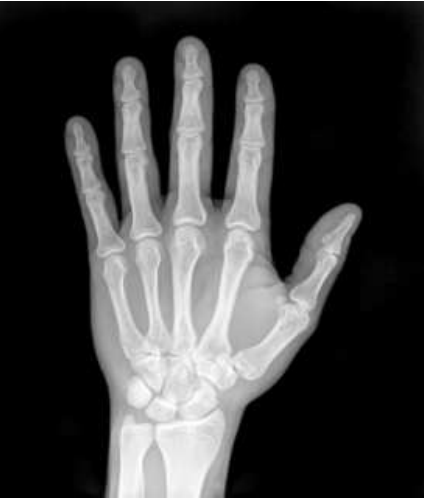
- X-rays can penetrate through skin and soft tissue to reveal bones underneath
Ionising radiation and its dangers
Important
Ionising radiation includes ultraviolet radiation, X-rays, and gamma rays. These types of radiation are particularly dangerous because they carry enough energy to break molecular bonds in living tissue.
Definition: Ionising radiation transfers energy as it passes through matter, breaking molecular bonds and creating ions.
This process can cause:
- Destruction of biological tissue
- DNA damage in cells
- Increased risk of cancer
- Cell death
Fortunately, Earth's atmosphere provides natural protection from most harmful EM radiation from space.
Ultraviolet radiation effects
UV radiation and skin damage
Ultraviolet radiation is divided into two main categories:
- UVA radiation: Penetrates deeply into skin, contributes to skin ageing, DNA damage, and possibly skin cancer. Does not cause sunburn.
- UVB radiation: Causes skin cancer by exciting DNA molecules in skin cells, leading to possible cancerous mutations. This is why the ozone layer's protection from UVB radiation is so important.

Protection from UV radiation
The body's natural defence against UV radiation is tanning. When exposed to moderate levels of UV radiation, skin releases the brown pigment melanin, which helps block UV penetration and protects deeper skin tissue.
Note
Sunscreen protection works through two main mechanisms:
- SPF (Sun Protection Factor): Indicates protection against UVB radiation
- Broad-spectrum protection: Includes compounds like titanium dioxide and zinc oxide for UVA protection
What makes effective sunscreen:
- UVB protection: Padimate O, Homosalate, Octisalate, Octinoxate
- UVA protection: Avobenzone
- UVA/UVB protection: Octocrylene, titanium dioxide, zinc oxide, Mexoryl
Sun protective clothing has a UPF (Ultraviolet Protection Factor) rating that describes protection against both UVA and UVB radiation.
UV radiation and eye protection
High intensity UVB light can cause serious eye damage including:
- Welder's flash (photo keratitis or arc eye)
- Cataracts
- Other medical complications
Note
Eye protection methods:
- Full coverage eye protection is most effective
- Plastic lenses (especially polycarbonate) provide better UV blocking than glass
- Most contact lenses help protect the retina by absorbing UV radiation
X-ray penetration
X-rays have much higher penetrating ability than visible light or UV radiation, making them valuable for medical imaging.
Note
Medical applications: X-rays can pass through skin and soft tissue to create images of bones and internal structures, such as mammograms for detecting breast cancer.
Health risks: Prolonged exposure to X-rays can lead to cell damage and increase cancer risk. For example, women who begin regular mammograms too young may face increased breast cancer risk due to cumulative X-ray exposure.
Gamma-ray penetration
Gamma-rays have the highest energy and greatest penetrating ability of all EM radiation types.
Important
Extreme dangers:
- Can cause serious damage when absorbed by living cells
- Not stopped by skin - can penetrate deep into the body
- Cause DNA alteration by interfering with genetic material
- DNA double-strand breaks are the most significant biological damage
- Can cause cancer and hereditary diseases
Studies of nuclear workers exposed to high doses of gamma radiation show clear links between radiation exposure and death from leukaemia, lung, liver, skeletal and other solid cancers.
Microwave radiation and mobile phones
Health concerns have been raised about microwave radiation from mobile phones, especially given their widespread use.

Current understanding:
- Mobile phones use electromagnetic waves in the microwave range
- The World Health Organisation has found a possible link between brain cancer and mobile phone use
- However, there is still no firm evidence, and any link remains uncertain
Note
Safety recommendations for mobile phone users:
- Use hands-free devices to decrease radiation exposure to the head
- Keep the mobile phone away from the body when not in use
- Avoid using mobile phones in cars without external antennas
Summary
Key Points to Remember:
- Higher frequency EM radiation has greater penetrating ability than lower frequency radiation
- Ionising radiation (UV, X-rays, gamma-rays) can break molecular bonds and cause serious biological damage
- UV protection requires both UVB protection (SPF rating) and UVA protection (broad-spectrum sunscreens)
- X-rays are useful for medical imaging but prolonged exposure increases cancer risk
- Gamma-rays have extreme penetrating power and can cause DNA damage throughout the body