Gender Roles and Their Effects on Health and Well-Being (Grade 11 NSC Matric Life Orientation): Revision Notes
📚Revision Notes
Gender Roles and Their Effects on Health and Well-Being
What are gender roles?
Gender roles are the different behaviours, activities and responsibilities that society expects from men and women. These expectations aren't the same in every culture around the world. For instance, some societies believe that men should be the head of the household whilst women should focus on cooking and caring for children and elderly family members.
Note
It's important to understand that there's no biological reason why men cannot cook or look after children - these are simply ideas that society has created over time.
The roles that men and women are expected to play can significantly impact their health and well-being. A clear example is when women cook over open fires or stoves indoors, breathing in harmful smoke daily.
Important
This indoor air pollution causes approximately half a million women to die worldwide each year, compared to 156,000 men - demonstrating how gender roles can have serious health consequences.
Understanding power imbalances between genders
What is power inequality?
Power inequality occurs when some people have more rights, better opportunities, or greater control than others. In many societies, this creates an unfair power balance where men typically have more authority than women, and boys are sometimes considered more important than girls.
This inequality shows up in various ways:
- Education: Some cultures don't prioritise girls' education, meaning they cannot complete school, find decent employment, or earn their own income. This forces them to depend on men financially.
- Household decisions: In some families and cultures, husbands make all major decisions about where the family lives, where children attend school, and other important matters. Wives must obey these decisions without having input.
- Employment: Different jobs are often associated with different genders. Most teachers and nurses are women, whilst most principals and doctors are men. Skilled workers and artisans are predominantly men, whilst cleaners and domestic workers are predominantly women. Men generally receive higher-paying jobs, giving them more financial power. Even when men and women do the same work, women often earn less.
Empowering women to create change
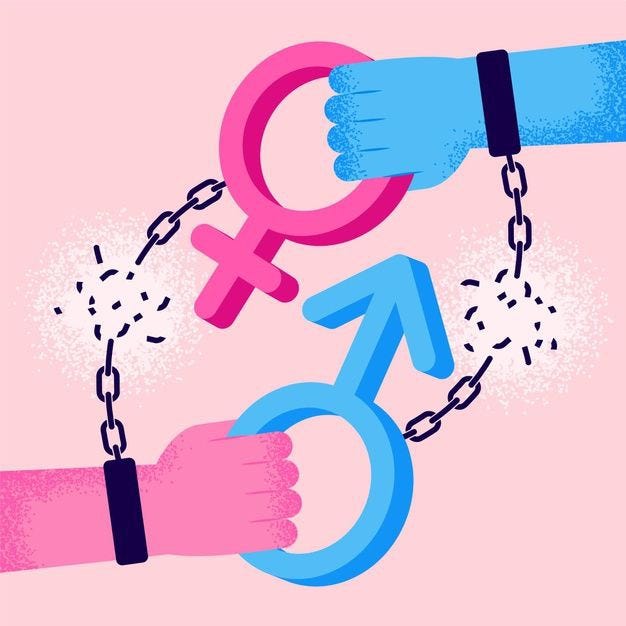
Gender equality means treating men and women with equal respect and giving them equal opportunities to develop themselves. Both should be able to choose their careers based on their qualifications and interests, receive equal pay for equal work, and have control over their own finances.
Example
Real-World Example: Women's Empowerment in Farming
An African farming project initially gave loans to men as heads of households. However, most farms failed because the men used the money for other purposes and often moved to cities for work.
Investigators discovered that women were actually doing most of the farming work. When the project changed to give loans directly to women, the farms became successful.
This shows how empowering women with financial control can benefit entire communities.
Different forms of power abuse
When someone has more power than another person, they may unfortunately misuse that power. This abuse can happen at different levels in society.
Individual level: Physical abuse
Physical abuse involves using physical force to cause harm, injury, disability or even death. This includes actions like scratching, pushing, throwing, grabbing, choking, shaking, slapping, punching, burning, tying up, biting, hitting, cutting, drowning, strangling and kicking. It can also involve withholding basic needs like food, medicine, or shelter.
Family level: Incest
Incest refers to sexual contact between family members who are so closely related that marriage between them would be illegal. This can occur between fathers and daughters, mothers and sons, siblings, grandparents and grandchildren, or uncles/aunts and nieces/nephews.
Important
When incest involves a child, it is considered child abuse and is a serious criminal offence.
Cultural level: Mourning practices
Many cultures have specific traditions and rules about mourning - the process of grieving when someone dies. These rules often differ significantly for men and women, particularly for widows and widowers.
Note
Traditional Mourning Practices - Gender Differences
In some African cultures, widows must:
- Mourn for extended periods (sometimes up to 12 months)
- Wear specific mourning clothes (often black)
- Stay at home to avoid "spreading bad luck"
- Be home before sunset when visiting others
- Sit beside the coffin constantly until burial
- Sleep on the floor rather than on a bed
- Avoid relationships during the entire mourning period
- Consume bitter-tasting herbs
In contrast, widowers in the same cultures typically have much fewer restrictions. They can move around freely, don't need to wear mourning clothes except for small tokens, can stay wherever they choose, and may remarry quickly after their wife's burial.
Different religions also have varying practices. Muslim widows must mourn for four months and ten days (unless pregnant), stay at home, wear plain clothing, avoid jewellery and makeup, and cannot remarry during this period. Some Orthodox traditions require widows to wear mourning clothes for life.
Social level: Domestic violence
Domestic violence occurs when someone in a close relationship tries to dominate and control their partner through fear, guilt, shame, threats and physical violence. The Domestic Violence Act protects people from this abuse, which is completely unacceptable.
Domestic violence includes many different behaviours:
- Physical violence (as described above)
- Property damage - destroying belongings that you value
- Stalking - constantly following or monitoring you
- Economic abuse - controlling money, preventing you from working, selling your possessions without permission
- Emotional abuse - behaviour that humiliates and degrades you, insults, threats, swearing, keeping you away from family and friends
- Sexual violence - any unwanted sexual activity
Recognising abusive relationships
Abusive relationships often follow patterns where the abuser gradually increases control.
Important
Warning Signs of Abusive Relationships:
- Feeling like you're "walking on eggshells" around your partner
- Being prevented from seeing friends and family
- Having your movements constantly monitored
- Being forced into unwanted sexual activity
- Having your finances completely controlled
- Being constantly criticised or put down
- Living in fear of your partner's reactions
Workplace: Sexual harassment
Sexual harassment is unwanted and repeated sexual behaviour that creates an uncomfortable or threatening environment. In workplaces or schools, there are power imbalances between bosses and employees, or teachers and learners, which makes sexual harassment a form of power abuse.
Sexual harassment can include:
- Sexual comments about someone's body or personal life
- Unwanted physical contact like touching or pinching
- Sharing pornographic materials
- Making promises of advancement in exchange for sexual favours
- Name-calling and spreading untrue stories about someone's sexual life
- Sending inappropriate messages or emails
- Making rude gestures or offensive jokes
Note
Companies and schools should have policies protecting people from sexual harassment and providing safe ways to report incidents.
Effects on health and well-being
All forms of abuse can have serious negative impacts on both physical and emotional health.
Physical effects of abuse
The physical consequences of abuse can include:
- Bruises, cuts and broken bones
- Burns from cigarettes, irons or hot water
- Bald spots where hair has been pulled out
- Rope or restraint marks on the body
- Sexually transmitted infections including HIV and AIDS
- Unwanted pregnancies
- In severe cases, death
Emotional and psychological effects
The emotional impact of abuse often lasts much longer than physical injuries and can include:
- Constant fear of the abuser
- Depression and feelings of hopelessness
- Anxiety about personal safety
- Anger and frustration
- Increased risk of suicide
- Problems with alcohol or substance abuse
- Shame and self-blame for the violence
- Difficulty concentrating and poor academic performance
- Sleep problems and nightmares
- Fear of trusting other people
- Social isolation and loneliness
- Feelings of powerlessness
Important
The emotional impact of abuse often lasts much longer than physical injuries and requires professional support to heal properly.
Specific effects on widows
Traditional mourning practices can have particularly harmful effects on widows' health and well-being:
- Isolation - being kept away from social support when it's most needed
- Blame and mistreatment - being held responsible for their husband's death
- Physical discomfort - forced to consume bitter herbs or sleep on floors
- Limited autonomy - unable to make decisions about their own lives
- Economic vulnerability - prevented from working or accessing resources
- Emotional distress - made to feel "unclean" or like they bring bad luck
- Health risks - inability to seek medical care or maintain proper nutrition
Breaking the cycle
Understanding these issues is the first step towards creating positive change. Both individuals and communities can work to:
- Challenge unfair gender expectations
- Promote equal opportunities for all people regardless of gender
- Support survivors of abuse
- Create safe environments free from harassment and violence
- Recognise that everyone deserves respect and equal treatment
Note
When people are empowered with equal rights, education, and opportunities, entire communities benefit from their contributions and talents.
Summary
Key Points to Remember:
-
Gender roles are society's expectations, not biological requirements - they can and should change to promote equality and health for everyone
-
Power imbalances between genders create unfair situations that limit opportunities and can lead to various forms of abuse
-
Abuse takes many forms - physical, emotional, sexual, economic, and cultural - and all are serious violations of human rights
-
The effects of abuse extend far beyond physical injuries to include long-term emotional and psychological harm that affects all aspects of life
-
Everyone deserves to live free from violence, with equal opportunities, respect, and the right to make their own choices about their lives