Diets (Grade 11 NSC Matric Life Sciences): Revision Notes
📚Revision Notes
Diets

What is a balanced diet?
A balanced diet is essential for maintaining good health throughout your life. This means eating foods that provide your body with all the nutrients it needs in the right amounts. Think of your body like a car - it needs the right fuel to run properly!
A balanced diet should include:
- Carbohydrates and fats - these give your body energy to function
- Proteins - these help build and repair your cells and tissues
- Vitamins and minerals - these support your immune system and keep all your body processes working properly
Note
Your nutritional needs aren't the same as everyone else's. They depend on several factors:
- Age - growing children need more protein to build new cells
- Gender - men typically need more energy foods than women
- Activity level - active people need more energy-providing foods
For example, if you're a teenager who plays lots of sport, you'll need more carbohydrates for energy than someone who's less active.
Different types of diets
People choose different diets for various reasons including cultural traditions, religious beliefs, ethical concerns, and health requirements. Here are four common dietary approaches:
- Vegan diets exclude all animal products, including meat, dairy, and eggs
- Vegetarian diets avoid meat but include dairy products and eggs
- Halaal diets follow Islamic guidelines, avoiding pork, alcohol, and carnivorous animals
- Kosher diets follow Jewish dietary laws, excluding pork, shellfish, and certain other foods
Each of these diets can be nutritionally adequate when properly planned, though some may require extra attention to ensure all nutrients are included.
Malnutrition and nutritional disorders
Important
Malnutrition happens when someone doesn't follow a balanced diet. This can occur in two ways:
- Under-nourishment - not eating enough food or lacking specific nutrients
- Over-nourishment - eating too much food, particularly high-energy foods
Both types of malnutrition can lead to serious health problems.
Here are the main nutritional disorders you should know about:
Deficiency disorders (caused by not getting enough nutrients):
- Kwashiorkor occurs when children don't get enough protein, causing swollen stomachs, skin sores, and stunted growth
- Marasmus results from lack of energy foods, leading to extreme thinness and weakness
Psychological eating disorders:
- Anorexia nervosa involves refusing to eat due to fear of weight gain, which can be life-threatening
- Bulimia involves cycles of overeating followed by vomiting, causing serious health complications
Lifestyle-related disorders (often caused by poor diet choices):
- Obesity results from eating too many high-energy foods and can lead to heart disease and diabetes
- Coronary heart disease develops from diets high in fats and sugars, combined with other risk factors
- Diabetes can be triggered by poor diet and lack of exercise, affecting blood sugar control
Food allergies
Some people have immune systems that react negatively to certain foods. When someone with a food allergy eats the problematic food, their body mistakenly identifies it as dangerous and attacks it.
Note
Common symptoms of food allergies include:
- Swelling (particularly of face, lips, or throat)
- Itching or skin rashes
- Difficulty breathing or wheezing
- In severe cases, life-threatening reactions
The most common food allergens include:
- Milk and dairy products
- Peanuts and tree nuts
- Shellfish and fish
- Eggs
- Gluten (found in wheat, barley, and rye)
People with food allergies must carefully read food labels and avoid their trigger foods completely.
Food supplements
Sometimes people's diets don't provide all the nutrients they need, so they might take food supplements. These are concentrated forms of vitamins, minerals, or other nutrients.
Supplements might be helpful for:
- Calcium and Vitamin D - particularly important for pregnant women and elderly people to maintain strong bones and prevent osteoporosis
- Protein supplements - used by bodybuilders and athletes to support muscle growth and repair
- Specific vitamin deficiencies - when someone's diet lacks particular nutrients
Important
Important note: Supplements should only be taken on the advice of healthcare professionals. A balanced diet is always the best way to get your nutrients!
Diet and tooth decay
What you eat and drink directly affects your dental health. Tooth decay occurs when the hard outer layer of your teeth (called enamel) gets damaged.
Example
How tooth decay happens:
Step 1: When you eat foods high in sugar, bacteria in your mouth feed on these sugars
Step 2: These bacteria form a sticky film called plaque on your teeth
Step 3: The bacteria in plaque produce acids that attack and weaken your tooth enamel
Step 4: Over time, this creates holes (cavities) in your teeth
Prevention tips:
- Limit sugary foods and drinks
- Brush your teeth regularly with fluoride toothpaste
- Fluoride helps strengthen teeth and prevent cavities - it's often added to drinking water and toothpaste for this reason
Reading food labels
Food packaging provides valuable information to help you make healthy choices. When you look at a food label, you'll typically find:
- Ingredients list - shows everything in the product
- Nutritional content - amounts of carbohydrates, proteins, fats, and other nutrients
- Allergen information - warns about common allergens like nuts, milk, or gluten
- Serving size recommendations - helps you understand appropriate portions
- Energy content - usually shown in kilojoules (kJ)
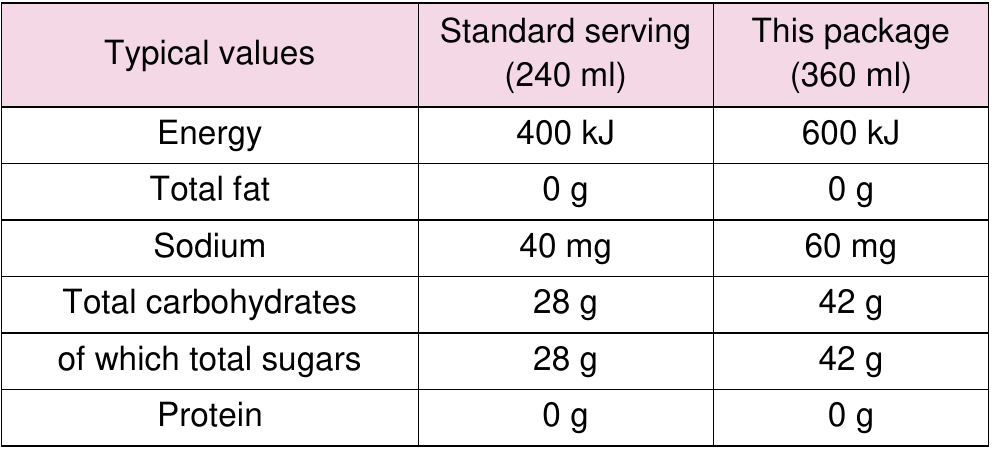
Learning to read these labels helps you understand what you're eating and make informed dietary choices.
Summary
Key Points to Remember:
- A balanced diet contains all necessary nutrients in the right quantities for your individual needs
- Different diets (vegan, vegetarian, halaal, kosher) reflect cultural, religious, and personal choices
- Malnutrition can be either under-nourishment or over-nourishment, both causing health problems
- Food allergies require complete avoidance of trigger foods and careful label reading
- Supplements can help with deficiencies but should be taken with professional guidance
- Your diet directly affects your dental health - limit sugary foods and use fluoride toothpaste