The Purposes of Tourism and Growth in the Tourism Industry (Grade 12 NSC Matric Economics): Revision Notes
📚Revision Notes
The Purposes of Tourism and Growth in the Tourism Industry
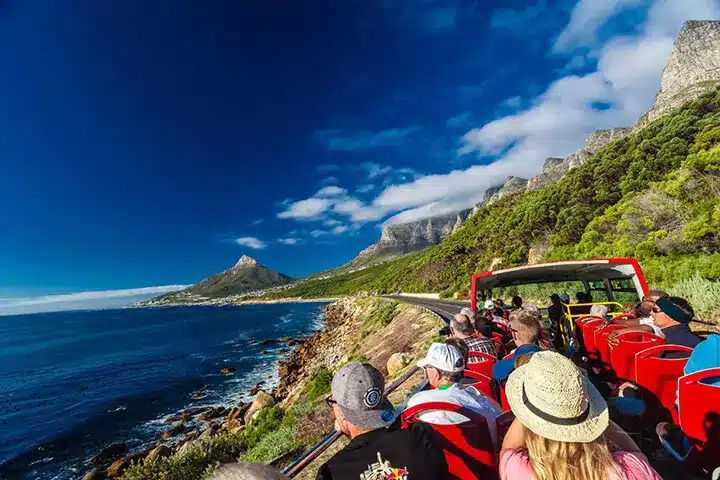
Understanding different types of tourism
Tourism serves many different purposes, and understanding these various types helps us appreciate why the industry has grown so significantly. There are five main categories of tourism, each attracting different kinds of visitors to South Africa.
Leisure and recreation tourism represents the most traditional form of tourism, where people travel primarily for enjoyment and relaxation. These tourists visit South Africa to go on holiday, participate in sports activities, visit friends and family, or simply to see famous tourist attractions. This type of tourism focuses on rest, entertainment, and personal enjoyment.
Cultural tourism attracts visitors who are interested in learning about and experiencing different cultures, history, and heritage.
Example
South African Cultural Tourism Examples:
Cultural tourists often visit important historical sites such as:
- Robben Island - where Nelson Mandela was imprisoned
- Apartheid Museum in Johannesburg - tells the story of South Africa's apartheid era
- Museums and art galleries throughout the country
Ecotourism has become increasingly popular as people become more environmentally conscious. This type of tourism involves visiting pristine natural areas that have been minimally disturbed by human activity.
Example
South African Ecotourism Destinations:
South Africa offers excellent ecotourism opportunities in places like:
- Richtersveld Cultural and Botanical Landscape
- Cape Floral Region Protected Areas
- Kruger National Park - world-famous wildlife destination
These destinations allow tourists to experience wildlife and natural landscapes whilst supporting conservation efforts.
Business and professional tourism serves the needs of people who travel for work-related purposes. These tourists visit South Africa to attend business meetings, conferences, trade shows, or other professional events. Although their primary purpose is business, they often extend their stays to experience leisure activities as well.
Other purposes include educational tourism, where people travel for studies or research, and medical tourism, where visitors come to South Africa for medical treatments or procedures that may be more affordable or specialised than in their home countries.
How tourism is measured
Not every trip or visit qualifies as tourism from an economic perspective. Tourism economists use specific criteria to determine what activities should be counted as tourism. Understanding these criteria helps explain how tourism statistics are compiled and why certain economic impacts are measured.
Important
The Five Essential Tourism Criteria
For an activity to be classified as tourism, it must meet these requirements:
- Purpose - There must be a clear purpose for the visit (camping, business, studies)
- No remuneration - The visitor should not earn income at the tourist destination
- Minimum stay - At least one night (distinguishes from day trips)
- Maximum stay - Should not exceed one year (longer stays indicate migration)
- Distance - Travel distance should exceed 160 kilometres from residence
Note
These criteria help governments and businesses accurately measure tourism's economic impact and plan appropriate infrastructure and services. The 160km minimum distance rule ensures that local daily activities aren't mistakenly counted as tourism.
Reasons for the remarkable growth in tourism
The tourism industry has experienced extraordinary growth worldwide, fundamentally changing people's lifestyles and economic opportunities. This rapid expansion has been more noticeable in developed countries initially, but developing countries are now experiencing even faster growth rates in their tourism sectors. South Africa has benefited significantly from this global trend, becoming an increasingly attractive tourist destination.
Several economic factors have contributed to this growth. People now have increased disposable income, meaning they have more money available for non-essential expenses like travel and holidays. Working hours have also decreased in many countries, giving people more leisure time to travel. Additionally, there's been a growing awareness of the importance of leisure and recreation for personal well-being and quality of life.
Note
Infrastructure and Accessibility Improvements
Better transport systems, including more affordable air travel, improved communication networks, and enhanced accommodation facilities have all made travelling easier and more appealing. The tourism industry has also benefited from increased advertising and promotion, making people more aware of different destinations and experiences available to them.
Financial factors have also played a role, with foreign exchange becoming more easily obtainable in many countries, making international travel more convenient for ordinary citizens.
The growth patterns differ between international and local tourism. Internationally, tourism remains more prominent in developed countries, but developing nations are experiencing faster growth rates - for example, some developing countries saw tourism growth of 4.6% between 2010 and 2011.
At the local level, tourism takes several forms:
- Foreign arrivals - international tourists who visit South Africa as their primary destination
- Transit tourists - same-day travellers who stop over briefly while travelling elsewhere
- Foreign tourists - come specifically for game farms, cultural experiences, heritage sites, or sports events
- Domestic tourism - South Africans travelling within their own country for leisure
- Outbound tourism - South Africans travelling abroad
Important
Impact on Balance of Payments
Outbound tourists have the same negative effect on South Africa's Balance of Payments as imports, since money flows out of the country to pay for foreign goods and services.
The economic effects of tourism
Tourism creates significant economic impacts that extend far beyond the immediate spending by visitors. To help remember the six main areas affected by tourism, economists use the acronym PIGEEE: Poverty, Infrastructure, GDP, Employment, Environment, and Externalities.
Employment creation
Tourism has become a major source of employment in South Africa, directly employing approximately 7% of the country's workforce, which represents about 1.12 million people. This makes tourism one of the largest providers of jobs in the South African economy.
Tourism excels at job creation for several important reasons. It is a labour-intensive industry, meaning it relies heavily on human workers rather than machinery or automation. The industry also employs people with many different kinds of skills and qualifications - from highly trained tourist guides who need extensive knowledge of history, culture, and languages, to hotel staff, restaurant workers, transport operators, and craft producers.
Note
Why Tourism Creates Jobs Quickly
Tourism provides immediate employment opportunities. When new tourist facilities open or visitor numbers increase, jobs are created relatively quickly compared to other industries that might require lengthy setup periods. The industry also creates excellent entrepreneurial opportunities, allowing people to start their own businesses such as tour companies, accommodation facilities, restaurants, or craft enterprises.
Tourism is particularly valuable as a foreign exchange earner. When foreign tourists visit South Africa, they pay for services using foreign currency, which helps strengthen the country's international financial position. Foreign tourists also typically spend more money than local tourists, making them especially valuable for the economy.
Contribution to GDP
Tourism makes substantial contributions to South Africa's Gross Domestic Product (GDP) through both direct and indirect channels. The industry has the biggest impact on the services sector, which includes accommodation, restaurants, transport, and entertainment services.
The indirect contribution of tourism is enormous because tourism is fundamentally a service-based industry that supports many other economic sectors. In developed economies, tourism-related activities are responsible for about 65% of GDP, whilst in developing countries, this figure is around 40%.
The direct contribution of tourism to South Africa's GDP is approximately 7.9%, which, whilst substantial, is actually lower than the global average of 12%. This suggests there may be opportunities for further growth in South Africa's tourism sector.
Example
How Tourism Contributes to GDP:
Tourism's contribution occurs through various channels:
- Direct spending - tourists on accommodation, food, transport, and attractions
- Indirect spending - tourism businesses purchase supplies from other companies
- Induced spending - tourism employees spend their wages in the broader economy
Summary
Key Points to Remember:
-
Tourism has five main purposes: leisure and recreation, cultural experiences, ecotourism, business and professional activities, and other purposes like education or medical treatment
-
Tourism measurement requires specific criteria: there must be a purpose, no local earnings, minimum one night stay, maximum one year duration, and travel distance over 160km from home
-
Tourism growth results from multiple factors: increased disposable income, more leisure time, better infrastructure, improved promotion, and easier foreign exchange access
-
Tourism creates significant employment: it employs 7% of South Africa's workforce through labour-intensive, skills-diverse, and entrepreneurial opportunities
-
Tourism contributes substantially to GDP: approximately 7.9% direct contribution to South Africa's GDP, with much larger indirect effects through the services sector
-
Remember PIGEEE for the six main areas affected by tourism: Poverty, Infrastructure, GDP, Employment, Environment, and Externalities