Endocrine System Disorders (Grade 12 NSC Matric Life Sciences): Revision Notes
📚Revision Notes
Endocrine System Disorders
Understanding endocrine system disorders
When our body's hormone-producing glands don't function properly, it disrupts the delicate balance needed for homeostasis. Endocrine system disorders occur when glands produce either insufficient amounts of hormones (called hyposecretion) or excessive amounts (called hypersecretion). These imbalances can have serious consequences for normal body functions and overall health.
Note
The endocrine system relies on precise hormone levels to maintain balance. When this balance is disturbed over time, a person may develop an endocrine disorder that requires medical attention and treatment.
Pituitary gland disorders
The pituitary gland, often called the "master gland," controls many other endocrine glands. Problems with growth hormone (GH) secretion from the pituitary can lead to three distinct conditions, depending on when the disorder occurs and whether there's too much or too little hormone production.
Important
Timing is Critical for Growth Hormone Disorders
The same hormone imbalance can cause completely different conditions depending on when it occurs:
- During childhood: Excess GH causes gigantism, deficiency causes dwarfism
- After puberty: Excess GH causes acromegaly (bones can no longer grow longer)
Growth hormone disorders
Growth hormone plays a crucial role in determining our final height and body proportions. When GH levels are abnormal, it can cause dramatic changes in growth patterns.
Example
Growth Hormone Disorder Examples
Acromegaly: Develops when the pituitary produces excessive growth hormone after a person has finished growing (after puberty). Since the long bones can no longer grow longer, the excess hormone causes other body parts to enlarge instead. People with acromegaly experience enlargement of their hands, feet, and facial features including the forehead, jaw, and nose.

Dwarfism: Results from insufficient growth hormone production during childhood when growth is supposed to be occurring. Children with this condition maintain normal body proportions but remain much shorter than average. They also experience delayed growth and puberty, though they are typically well-proportioned.
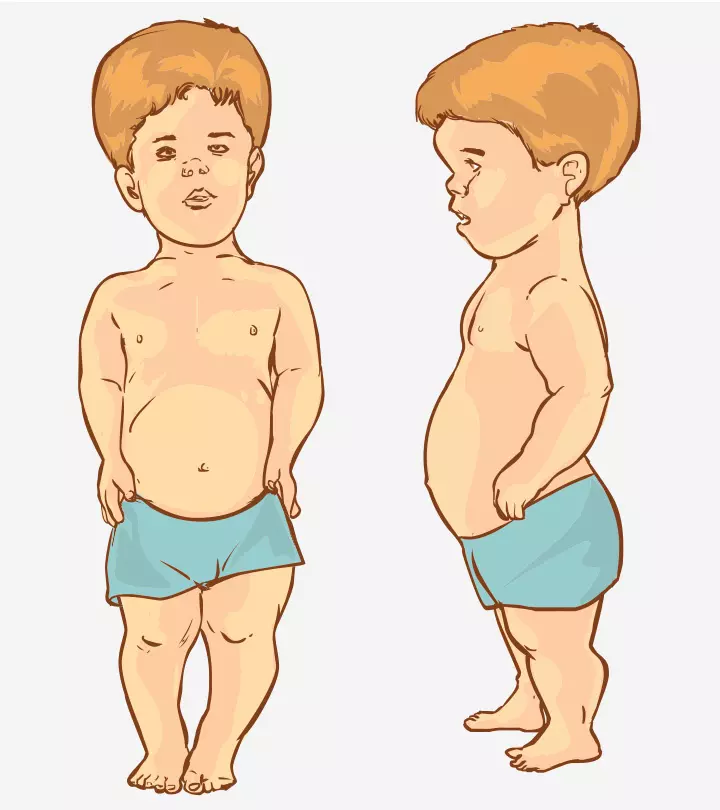
Gigantism: Occurs when there's excessive growth hormone production during childhood, before the growth plates close. This leads to extraordinary height growth, with some individuals reaching heights of 2.1 to 2.5 metres tall. The rapid growth affects not just bones and connective tissue, but also causes internal organs like the heart to enlarge, often leading to high blood pressure and other health complications.

Thyroid gland disorders
The thyroid gland produces thyroxin, a hormone that controls our body's metabolic rate. Thyroid disorders are classified as either hyperthyroidism (excessive thyroxin production) or hypothyroidism (insufficient thyroxin production).
Hyperthyroidism conditions
When the thyroid becomes overactive, it speeds up the body's metabolism, leading to several characteristic symptoms.
Graves' disease is an autoimmune condition where the body's immune system mistakenly attacks the thyroid gland, causing it to overproduce thyroxin. This results in distinctive symptoms including protruding or bulging eyes, unexplained weight loss, and a very fast metabolism that makes patients feel restless and energetic.
Goitre refers to the visible swelling of the thyroid gland in the neck area. This enlargement is often linked to increased thyroid activity and can be accompanied by symptoms such as increased metabolic rate, elevated heart rate and blood pressure, increased anxiety levels, and noticeable swelling in the neck region.
Hypothyroidism conditions
When the thyroid doesn't produce enough thyroxin, the body's metabolism slows down significantly.
Example
Hypothyroidism Conditions
Cretinism: Occurs when there's a severe lack of thyroxin from birth or early infancy. This condition leads to both physical and mental developmental delays that can be permanent if not treated early. It represents one of the most serious consequences of untreated hypothyroidism in children.
Myxoedema: Develops when adults have an underactive thyroid gland. The symptoms include persistent mental and physical tiredness, a significantly slower metabolic rate, increased accumulation of fat under the skin, and rough, thickened skin texture. People with this condition often feel constantly fatigued and may gain weight despite eating normally.
Pancreas disorders - diabetes mellitus
The pancreas produces insulin, a hormone essential for controlling blood glucose levels. When this system fails, it results in diabetes mellitus, a condition characterised by chronically high blood glucose levels. A person with persistently elevated glucose levels is described as hyperglycaemic.
Note
Normal Blood Glucose Levels
Healthy blood glucose levels typically range from 80-100 mg/ml of blood. When levels consistently exceed this range, it indicates diabetes mellitus.
Important
Understanding the Key Difference Between Diabetes Types
-
Type 1 Diabetes: An autoimmune disease where the body destroys its own insulin-producing beta cells. Patients produce NO insulin and require daily injections to survive.
-
Type 2 Diabetes: The pancreas still produces insulin, but either not enough or the body's cells become resistant to its effects. Often manageable through lifestyle changes.
Type 1 diabetes
Example
Type 1 Diabetes Mechanism
Type 1 diabetes is an autoimmune disease where the body's immune system destroys the insulin-producing beta cells in the pancreas. This destruction means the pancreas can no longer manufacture insulin, the hormone essential for allowing cells to absorb glucose from the bloodstream.
Without insulin, glucose accumulates in the blood while cells throughout the body cannot access this vital energy source. This creates the dangerous situation where blood sugar levels become dangerously high while cells are essentially starving for fuel.
Treatment: People with Type 1 diabetes require daily insulin injections to survive. Modern treatment includes sophisticated insulin pumps that can be attached directly to the patient, providing more precise control over blood glucose levels.
Type 2 diabetes
Example
Type 2 Diabetes Mechanism
Type 2 diabetes occurs when the pancreas still produces insulin, but the body's cells become resistant to its effects, or the pancreas doesn't produce sufficient amounts to meet the body's needs.
In this condition, some insulin is available, but it's not enough to properly regulate glucose absorption by cells. This leads to elevated blood glucose levels, though typically not as severe as in Type 1 diabetes initially.
Management: Many people with Type 2 diabetes can manage their condition through careful diet control, maintaining a healthy weight, and regular exercise. These lifestyle modifications help improve the body's sensitivity to insulin and can sometimes restore normal blood glucose control without medication.
Long-term consequences and management
Note
Long-term Effects of Uncontrolled Diabetes
Diabetes, regardless of type, can cause serious long-term health problems if not properly managed. High blood glucose levels over time damage blood vessels throughout the body, leading to circulation problems and multiple organ damage. Wounds heal poorly, and the eyes are particularly vulnerable, potentially leading to vision problems and blindness in severe cases.
The key difference in management approaches reflects the underlying causes: Type 1 diabetics need insulin replacement therapy because their bodies cannot produce any insulin, while Type 2 diabetics often benefit more from lifestyle changes that help their bodies use insulin more effectively.
Summary
Key Points to Remember:
-
Endocrine disorders result from hormone imbalances - either too little (hyposecretion) or too much (hypersecretion) hormone production disrupts normal body functions
-
Timing matters for growth disorders - excess growth hormone during childhood causes gigantism, while excess after puberty causes acromegaly; deficiency during childhood results in dwarfism
-
Thyroid problems affect metabolism - hyperthyroidism speeds up body processes (weight loss, fast heart rate), while hypothyroidism slows them down (fatigue, weight gain)
-
Type 1 and Type 2 diabetes have different causes - Type 1 is autoimmune destruction of insulin-producing cells, while Type 2 involves insulin resistance or insufficient insulin production
-
Early diagnosis and treatment are crucial - many endocrine disorders can be managed effectively with proper medical care, but untreated conditions can cause permanent damage