Galvanic and Electrolytic Cells (Grade 12 NSC Matric Physical Sciences): Revision Notes
📚Revision Notes
Galvanic and Electrolytic Cells
Introduction to electrochemical reactions
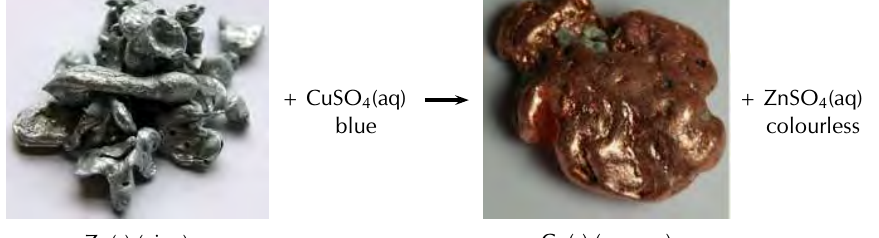
Chemical reactions can do more than just produce heat or form new compounds. When a zinc strip is placed in a copper sulphate solution, something fascinating happens - electrons are transferred between the metals, and this electron transfer can be harnessed to create electrical energy.
The zinc atoms lose electrons (become oxidised) whilst the copper ions gain electrons (become reduced). This type of reaction, where electrons move from one substance to another, is called an electrochemical reaction.
Note
Electrochemical reaction: A reaction that involves the transfer of electrons, with conversion between chemical potential energy and electrical potential energy.
Electrochemical cell: A device where electrochemical reactions take place.
Electrochemistry is the branch of chemistry that studies these electrochemical reactions and the cells where they occur.
Key terminology and electrode behaviour
Before exploring the two types of electrochemical cells, you must understand some essential terms and concepts that form the foundation of electrochemical understanding.
Electrodes
Note
Electrode: An electrical conductor that connects the electrochemical species in solution to the external electrical circuit of the cell.
There are two types of electrodes in every electrochemical cell:
- Anode: The electrode where oxidation occurs
- Cathode: The electrode where reduction occurs
The OIL RIG mnemonic
To remember what happens at each electrode, use these helpful memory aids that are essential for exam success:
Important
Key Memory Aids:
- OIL: Oxidation Is Loss (of electrons)
- RIG: Reduction Is Gain (of electrons)
- An Ox: Anode Oxidation (oxidation occurs at the anode)
- Red Cat: Reduction occurs at the Cathode
These mnemonics are crucial for understanding electrode behaviour in both galvanic and electrolytic cells.
Other essential components
The following components are vital for electrochemical cell operation:
Note
Electrolyte: A solution containing free ions that can conduct electrical charge.
Salt bridge: A material containing electrolytic solution that connects two half-cells, completing the circuit whilst maintaining electrical neutrality between the compartments.
Galvanic cells
A galvanic cell represents one of the most important applications of electrochemical principles, converting chemical energy into usable electrical energy.
Note
Galvanic cell (also called a voltaic or wet cell): An electrochemical cell that converts chemical potential energy to electrical potential energy through a spontaneous chemical reaction.
How galvanic cells work
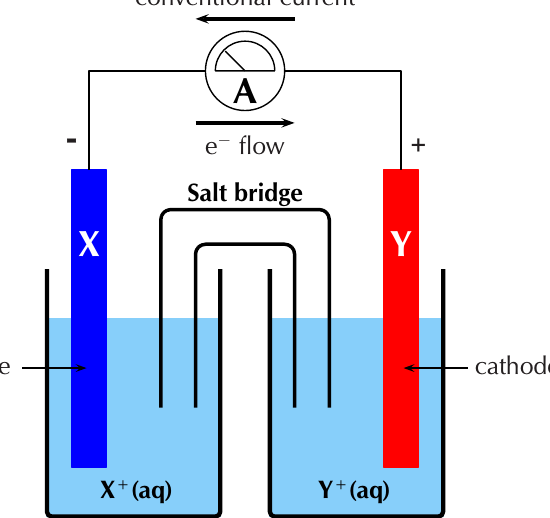
A galvanic cell consists of two half-cells, each containing an electrode in an electrolyte solution. The process involves spontaneous electron transfer that generates electrical current. Here's what happens:
- At the anode: The metal electrode loses electrons (oxidation)
- Electrons remain on the electrode, making it negatively charged
- Metal ions go into solution
- At the cathode: Metal ions in solution gain electrons (reduction)
- Electrons are removed from the electrode, making it positively charged
- Metal ions are deposited as solid metal
- Electron flow: Electrons flow from the anode (negative) through the external circuit to the cathode (positive)
- Current flow: Conventional current flows in the opposite direction to electron flow
Worked example: Zinc-copper galvanic cell
Example
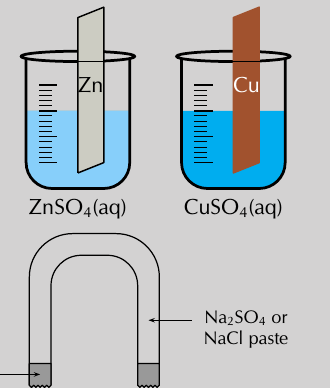
Worked Example: Zinc-Copper Galvanic Cell
In this classic galvanic cell:
At the zinc anode (oxidation half-reaction):
At the copper cathode (reduction half-reaction):
Overall reaction:
Standard cell notation
Note
Galvanic cells are represented using standard notation:
Where:
- The anode is written on the left
- The cathode is written on the right
- | represents phase boundaries
- || represents the salt bridge
Important
Key point: Galvanic cells produce electrical energy from spontaneous chemical reactions without requiring external energy input.
Electrolytic cells
While galvanic cells produce electricity, electrolytic cells do the opposite - they use electricity to drive chemical changes that wouldn't occur naturally.
Note
Electrolytic cell: An electrochemical cell that converts electrical potential energy to chemical potential energy by using electricity to drive a non-spontaneous chemical reaction.

How electrolytic cells work
Electrolytic cells are activated by applying external electrical potential across the electrodes. This forces chemical reactions that would not occur naturally:
- External power source: A battery or power supply provides the electrical energy
- Forced reactions: The electrical energy drives non-spontaneous reactions
- Same electrode rules apply: Oxidation still occurs at the anode, reduction at the cathode
Note
Electrolysis: The method of driving chemical reactions by passing electric current through an electrolyte.
Ion migration under electrical charge
When an electric field is applied, ions move towards oppositely charged electrodes in a predictable pattern:
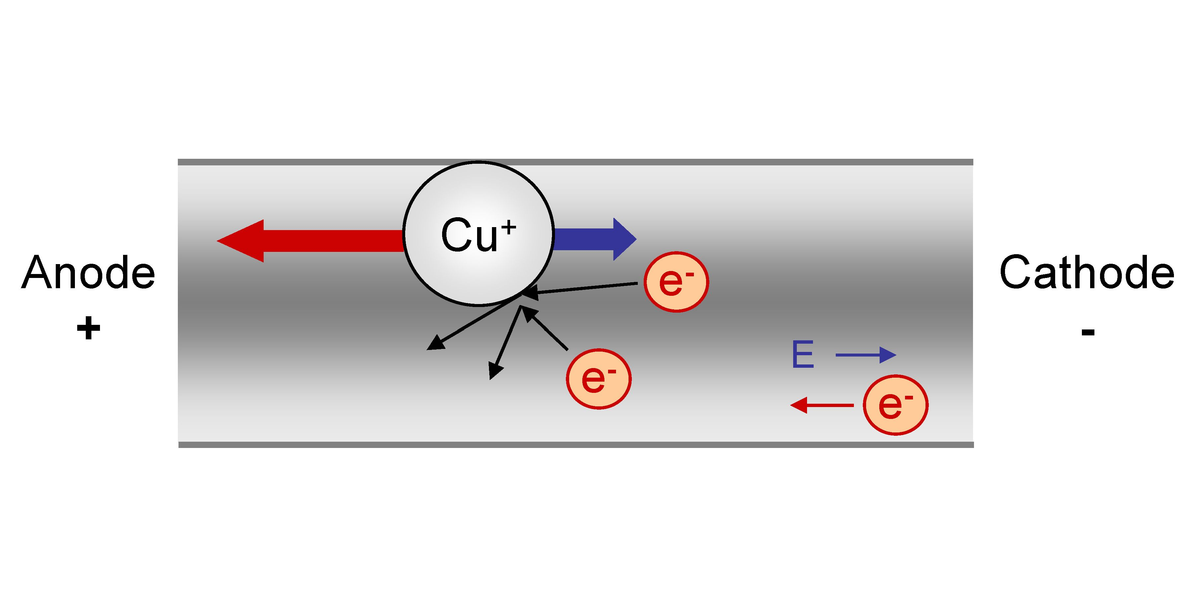
- Positive ions (cations) move towards the negative electrode (cathode)
- Negative ions (anions) move towards the positive electrode (anode)
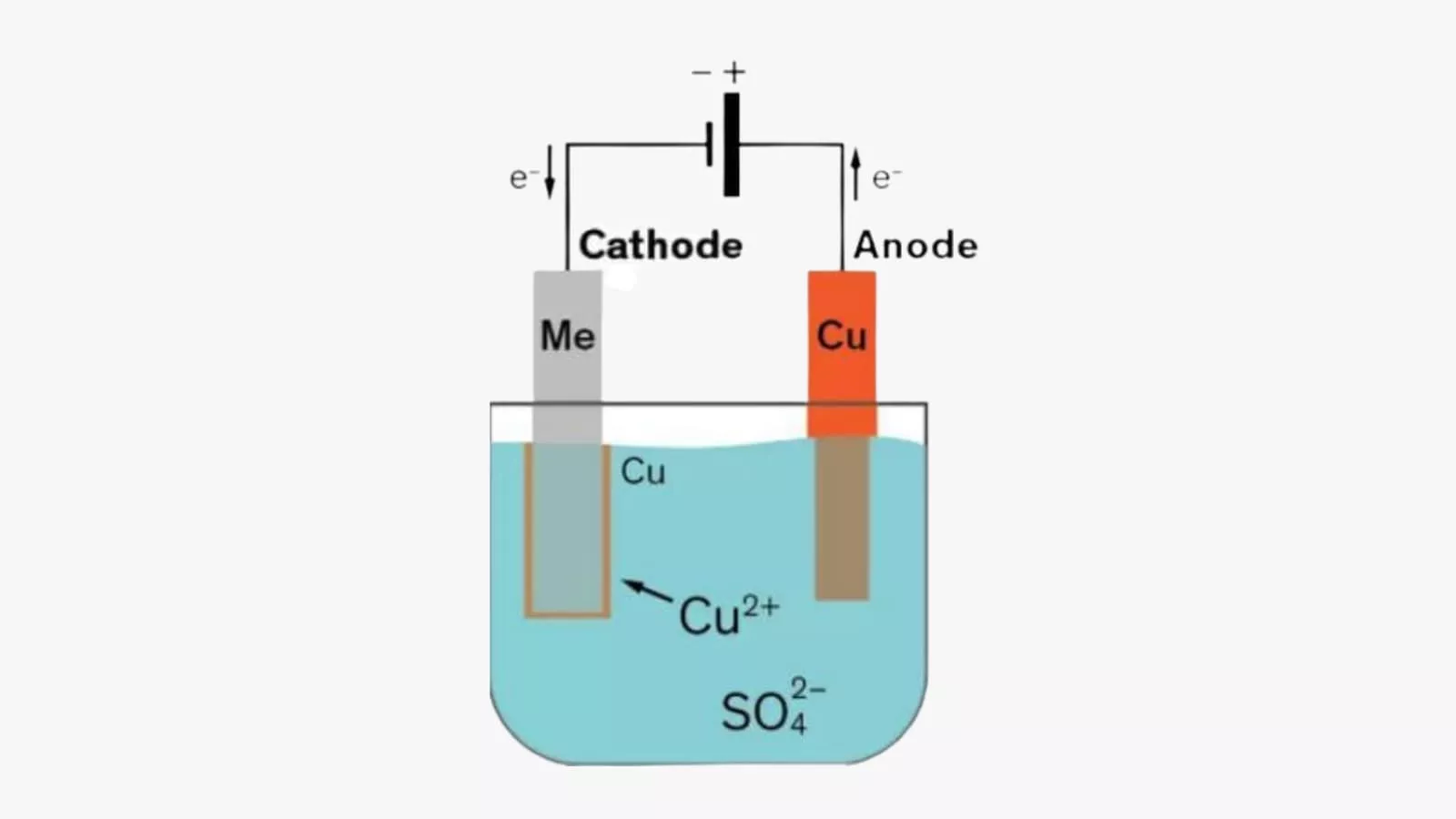
Worked example 1: Copper electroplating
Example
Worked Example: Copper Electroplating
In this electrolytic cell with copper electrodes in copper sulphate solution:
At the positive electrode (anode): (oxidation)
At the negative electrode (cathode): (reduction)
The copper dissolves from the anode and deposits on the cathode, creating a copper plating effect.
Worked example 2: Electrolysis of water
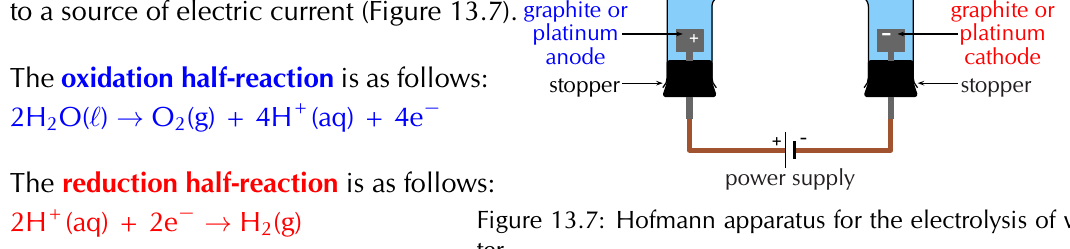
Water can undergo electrolysis to produce hydrogen and oxygen gases, demonstrating the conversion of electrical energy into chemical potential energy:
Example
Worked Example: Electrolysis of Water
Overall reaction:
Oxidation half-reaction (at anode):
Reduction half-reaction (at cathode):
This process is important because hydrogen gas can be used as a clean energy source.
Worked example 3: Simple electrolysis experiment
Example
Worked Example: Simple Electrolysis Experiment
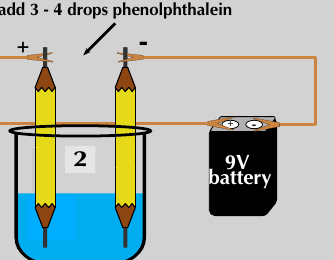
Using pencil graphite electrodes and dilute sulfuric acid:
Step 1: Connect the electrodes to a 9V battery
Step 2: Add phenolphthalein indicator to observe pH changes
Step 3: Observe gas bubbles forming at both electrodes
Step 4: Note the colour changes indicating different pH levels at each electrode
This demonstrates the practical application of electrolytic principles in a simple laboratory setup.
Key differences between galvanic and electrolytic cells
Understanding the fundamental differences between these two types of electrochemical cells is crucial for exam success:
| Feature | Galvanic Cell | Electrolytic Cell |
|---|---|---|
| Energy conversion | Chemical → Electrical | Electrical → Chemical |
| Reaction type | Spontaneous | Non-spontaneous (forced) |
| External power | Not required | Required |
| Purpose | Produces electricity | Uses electricity to drive reactions |
| Examples | Batteries, fuel cells | Electroplating, metal purification |
Exam tips and common misconceptions
This section addresses the most frequently encountered difficulties students face with electrochemical cells:
Important
Remember:
- Oxidation always occurs at the anode, reduction always occurs at the cathode (in both types of cells)
- Electrons flow from anode to cathode through the external circuit
- Conventional current flows from cathode to anode (opposite to electron flow)
- The salt bridge is essential for completing the circuit in galvanic cells
Important
Common exam traps:
- Don't confuse the direction of electron flow with conventional current flow
- Remember that in galvanic cells, the anode is negative and cathode is positive
- In electrolytic cells, the electrode connected to the negative terminal becomes the cathode
Summary
Key Points to Remember:
- Electrochemical reactions involve electron transfer between chemical and electrical potential energy
- Galvanic cells convert chemical energy to electrical energy spontaneously - they produce electricity
- Electrolytic cells use electrical energy to force non-spontaneous chemical reactions
- OIL RIG: Oxidation Is Loss of electrons, Reduction Is Gain of electrons
- An Ox Red Cat: Oxidation occurs at the Anode, Reduction occurs at the Cathode