Future Research, Benefits, and Changes (HSC SSCE Biology): Revision Notes
📚Revision Notes
Future Research, Benefits, and Changes
The evolution of biotechnology
The field of biotechnology continues to advance rapidly, with modern techniques becoming increasingly sophisticated and precise compared to those used just a decade ago. As scientists make new discoveries, we can better predict how emerging biotechnologies will affect individuals, communities, and natural environments. These advances span multiple fields, including agricultural science, medical research, and industrial applications.
Note
Understanding these future directions helps us prepare for both the opportunities and challenges that lie ahead. It also allows us to consider the ethical implications before technologies become widespread.
CRISPR: A revolutionary gene editing tool
One of the most significant recent developments in biotechnology is a genome editing technique called CRISPR (Clustered Regularly Interspaced Short Palindromic Repeats). This technology has enormous implications for future research and applications.
What is CRISPR?
CRISPR enzymes were originally discovered in bacteria, where they serve a defensive function. Bacteria use these enzymes to protect themselves by cutting up the DNA of invading viruses. Scientists have adapted this natural system for precise genetic modification.
How CRISPR-Cas9 works
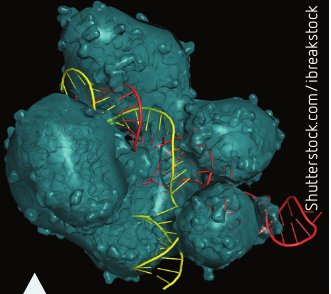
The CRISPR-Cas9 system consists of two main components:
- Cas9 enzyme: Acts like molecular scissors that can cut DNA at specific locations
- Guide RNA: A molecule that directs the Cas9 enzyme to the exact location in the genome where cutting should occur
Note
The guide RNA is designed to be complementary to a specific nucleotide sequence in the target genome. When the guide RNA finds its matching sequence, it guides the Cas9 enzyme to that precise location. The enzyme then cuts the DNA, allowing scientists to remove, add, or replace genetic material with remarkable accuracy.
Applications of CRISPR technology
This pinpoint accuracy opens up numerous possibilities, including:
- Medical research: Scientists can identify genes responsible for neurological conditions such as Alzheimer's disease and schizophrenia
- Disease treatment: Potential for correcting genetic mutations that cause inherited diseases
- Agricultural improvements: Creating crops with enhanced nutritional value or disease resistance
- Conservation biology: Potentially helping endangered species
Ethical concerns
Despite its enormous potential, CRISPR technology raises important ethical questions, particularly regarding:
Important
Critical Ethical Considerations:
- Germline gene editing: Changes made to reproductive cells (eggs or sperm) that would be passed to future generations
- 'Designer babies': The possibility of selecting or enhancing traits in human embryos
- Unintended consequences: Potential unforeseen effects of genetic modifications
- Access and equity: Who will have access to these technologies and at what cost
The ease of use and accuracy of CRISPR makes these concerns particularly pressing, as the technology becomes more accessible to researchers worldwide.
Investigating future biotechnology directions
Research into future biotechnology applications requires systematic investigation across multiple fields. When exploring new directions in biotechnology, students should consider three main categories:
1. Agriculture and food production
Example
Example: Wheat Fibre Enhancement
Boosting wheat fibre content through hybridisation techniques to help protect against bowel cancer and autoimmune diseases such as type II diabetes
2. Conservation and environmental protection
Example
Example: The Sea-quence Project
The Sea-quence project aims to sequence the genomes of nine reef-building corals along with their symbiotic microbes, to help prevent coral loss on the Great Barrier Reef
3. Medicine and industry
Examples range from extracting valuable compounds from urine for fertiliser production to developing new therapeutic approaches.
Researching future technologies
When investigating emerging biotechnologies, it's important to evaluate:
| Technology | Future direction for use | Potential benefit of researching this technology |
|---|---|---|
| Select technologies from different fields | Identify specific applications | Consider impacts on society and environment |
Note
This systematic approach helps us understand not just what biotechnology can do, but whether and how we should apply it.
Changes to Earth's biodiversity
Biodiversity refers to the variety of life forms on Earth and is essential for maintaining healthy ecosystems. These ecosystems support all plant and animal life, including humans. Understanding how biotechnology affects biodiversity is crucial for making informed decisions about its use.
How biotechnology alters evolution
Modern biotechnology gives humans unprecedented ability to influence evolutionary processes. Through techniques like genetic engineering, we can:
- Artificially combine characteristics from organisms that were once separate species
- Create transgenic species (organisms containing genes from other species)
- Introduce entirely new gene combinations into populations
Short-term versus long-term effects
Short-term effects (potentially positive):
- Increased biodiversity through introduction of new gene combinations
- New genetic variations within populations
- Novel traits in individual organisms
Long-term concerns (potentially negative):
- Reduced biodiversity if organisms with desirable traits are repeatedly cloned or selectively bred
- Decreased genetic diversity within populations
- Greater vulnerability to disease or environmental changes
Cross-breeding concerns
A significant worry is that wild populations of plants and animals might interbreed with genetically engineered organisms. This cross-breeding could:
Important
Potential Impacts of Cross-breeding:
- Alter the genetic makeup of wild populations
- Spread engineered genes beyond their intended use
- Affect Earth's biodiversity in unpredictable ways
- Potentially lead to extinction of natural varieties
Conservation applications of biotechnology
Despite these concerns, biotechnology offers valuable tools for conservation:
- Species preservation: Helping save species on the brink of extinction
- Biodiversity enhancement: Improving genetic diversity in farming practices
- Food security: Alleviating hunger in resource-poor regions whilst maintaining biodiversity
- Future resilience: Implementing conservation measures to ensure species can adapt to future challenges
The genetic diversity problem
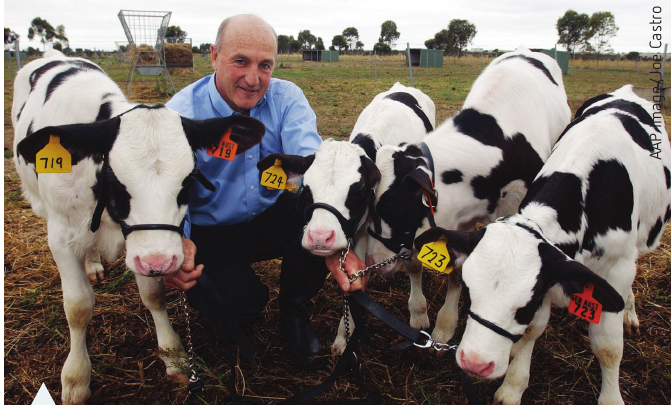
Technologies such as selective breeding, cloning, and genetic engineering can reduce genetic diversity over time. This creates significant risks:
Important
Risks of Reduced Genetic Diversity:
- Disease vulnerability: Populations with low genetic diversity are more susceptible to being wiped out by diseases
- Environmental sensitivity: Reduced ability to adapt to sudden environmental changes
- Ecosystem imbalance: Loss of species can disrupt entire ecosystems
If humans influence evolution to the point where species become extinct, human survival itself may be compromised. We depend on balanced ecosystems with wide species diversity.
Maintaining genetic diversity
To address the threat of reduced diversity, several strategies are being employed:
- Varied breeding stocks: Maintaining populations of different cattle breeds with diverse genetic backgrounds
- Germplasm banking: Storing plant genetic material for future use
- Gamete preservation: Freezing and storing reproductive cells (eggs and sperm) from animals
- Genome libraries: Ensuring a variety of genetic information is available for future needs, such as responding to unprecedented environmental events
Note
These preservation methods act as 'insurance policies' for genetic diversity, providing options if current populations become vulnerable or extinct.
Competition between engineered and wild organisms
The survival of genetically engineered organisms in natural environments depends on their competitive abilities:
- If engineered genes provide advantages, their frequency in the gene pool will increase
- This could lead to engineered organisms outcompeting natural species
- The result might be extinction of wild-type species
- However, preparing genetically modified organisms to resist new diseases through further genetic transformation may prove too costly and time-consuming
Future directions and potential benefits
Future biotechnology research encompasses several key areas:
Gene therapy for disease treatment
Scientists are developing methods to treat inherited human diseases by correcting faulty genes. This approach could:
- Cure genetic disorders rather than just treating symptoms
- Improve quality of life for affected individuals
- Reduce healthcare costs in the long term
Genetically modified organisms for food security
As the global population grows, GMOs may help address food shortages by:
- Increasing crop yields
- Enhancing nutritional content
- Improving resistance to pests and diseases
- Enabling crops to grow in challenging environments
Conservation through genetic banking
Both plant and animal genetic material is being preserved to:
- Maintain agricultural biodiversity
- Support wildlife conservation efforts
- Provide genetic resources for future breeding programmes
- Protect against total loss of species or varieties
Next-generation biofuels
Research into plant- and algae-based resources aims to develop:
- Sustainable energy sources
- Alternatives to fossil fuels
- Environmentally friendly fuel production methods
- Economic opportunities in renewable energy
Fighting animal extinction
Innovative approaches include using DNA from deceased animals to:
- Reintroduce genetic diversity into small populations
- Bring 'parents from the grave' back into the gene pool
- Support breeding programmes for critically endangered species
- Maintain genetic health of threatened populations
Exam tips
When answering questions about future biotechnology research:
Note
Exam Strategy:
- Always consider both benefits and risks
- Think about impacts on different groups (individuals, society, environment)
- Consider ethical implications alongside practical applications
- Use specific examples to support your arguments
- Evaluate both short-term and long-term consequences
Remember!
Summary
Key Points to Remember:
-
CRISPR-Cas9 is a precise gene editing tool that can cut DNA at specific locations using guide RNA, opening up possibilities for treating genetic diseases but raising concerns about germline editing and designer babies.
-
Biotechnology has dual effects on biodiversity: it can increase diversity in the short term through new gene combinations but may reduce it long-term through selective breeding and cloning of desirable traits.
-
Conservation strategies are essential: germplasm banking, gamete preservation, and maintaining varied breeding stocks help preserve genetic diversity for future needs and protect against population extinction.
-
Future research directions span multiple fields: including gene therapy for human disease, GMOs for food security, conservation genetics, and development of sustainable biofuels from plant and algae resources.
-
Balancing progress with caution is crucial: whilst biotechnology offers solutions to major challenges like disease and hunger, we must carefully consider ethical implications and potential impacts on natural ecosystems before widespread application.