Pathogens and Infectious Diseases: The Fundamentals (HSC SSCE Biology): Revision Notes
📚Revision Notes
Pathogens and Infectious Diseases: The Fundamentals
Understanding disease and pathogens
Disease refers to any process or condition that negatively impacts how a living organism or its parts function normally. Before scientists like Louis Pasteur and Robert Koch developed the germ theory of disease, people believed in spontaneous generation - that living organisms could arise from non-living matter. The germ theory established that diseases and decay result from living organisms, fundamentally changing our understanding of infectious disease.
An infectious disease is caused by another organism or infective agent called a pathogen. These diseases can be "caught" from somewhere or someone, distinguishing them from non-infectious diseases like cancer and diabetes. The term communicable disease describes diseases that can spread from plant to plant or animal to animal.
What is a pathogen?
Pathogens are disease-causing organisms or agents that include:
- Single-celled microbes such as bacteria, protozoa and yeasts
- Multicellular parasites such as fungi and worms
- Non-cellular agents such as viruses and prions
Examples of infectious diseases in humans include measles and influenza. Pathogens use various strategies to transfer between hosts, based on molecules called virulence factors. These enable the pathogen to inhabit its host more effectively and may help it evade destruction by antibiotics.
Important
For instance, bacteria producing the enzyme beta-lactamase become resistant to penicillin-derived antibiotics. This demonstrates how pathogens evolve mechanisms to survive antimicrobial treatments, making some infections increasingly difficult to treat.
Signs and symptoms of disease
Understanding the difference between signs and symptoms helps in identifying and diagnosing infectious diseases.
Signs are objectively measurable factors that can be observed or detected, including:
- Increased body temperature (pyrexia or fever)
- Appearance of a rash
- Increased blood pressure (hypertension)
- Changes in tissue colour
- Lesions (such as wounds or abscesses)
Note
Signs are typically recorded during physical examination and may include results from histopathology (microscopic examination of tissues). These objective measurements can be documented and tracked over time to monitor disease progression or recovery.
Symptoms are factors reported by the patient that cannot be directly observed by others, such as:
- Pain
- Fatigue
- Nausea
- Headache
Together, signs and symptoms provide a complete picture of how pathogens affect an organism.
The balance between defence and pathogenicity
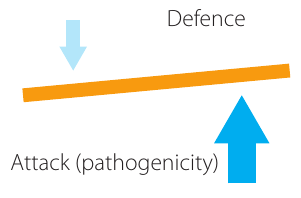
Whether an organism develops an infectious disease depends on the balance between two key factors:
- The pathogenicity of the microbe, including the number of pathogens present (the pathogenic burden)
- The defence capabilities of the host
Important
In low numbers, a pathogen may be unable to cause disease. As pathogenic burden increases, the body's immune defences can become overwhelmed, leading to infectious disease. This balance is dynamic and can shift based on various factors affecting either the pathogen population or the host's immune system.
Example: Opportunistic pathogens
Example
Understanding Opportunistic Pathogens: Demodex canis
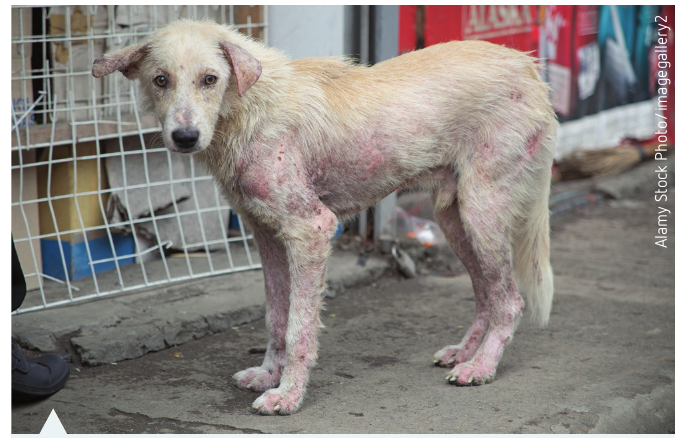
The mite Demodex canis normally inhabits dog hair follicles in low numbers without causing problems. However, it becomes an opportunistic pathogen when:
- The immune system is still developing (in young puppies)
- The immune system is compromised (in older animals)
- There are concurrent diseases present
- The animal receives drugs that suppress immunity (such as corticosteroids)
In these cases, the mite population increases and causes demodectic mange, demonstrating how disease results from a loss of balance between defence and attack.
Classification of pathogens
Pathogens can be broadly classified based on several characteristics, including whether they are microscopic or macroscopic, cellular or non-cellular, and their cellular organisation.
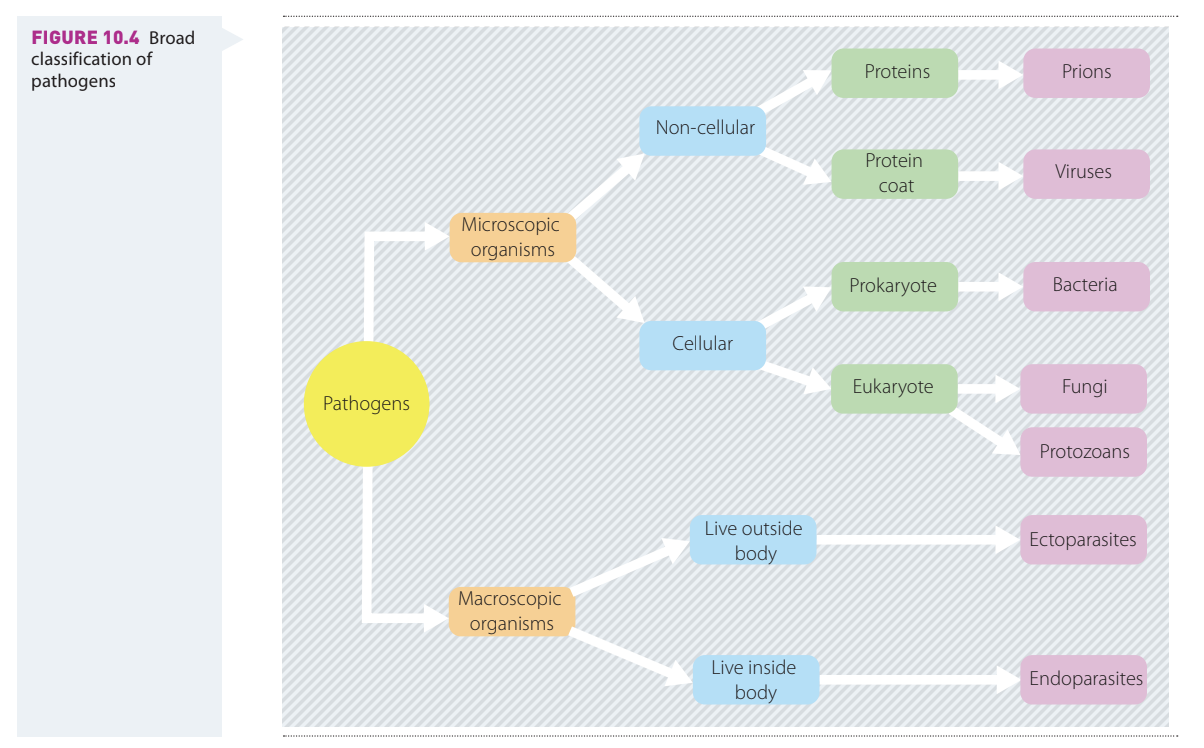
The main categories include:
Microscopic organisms:
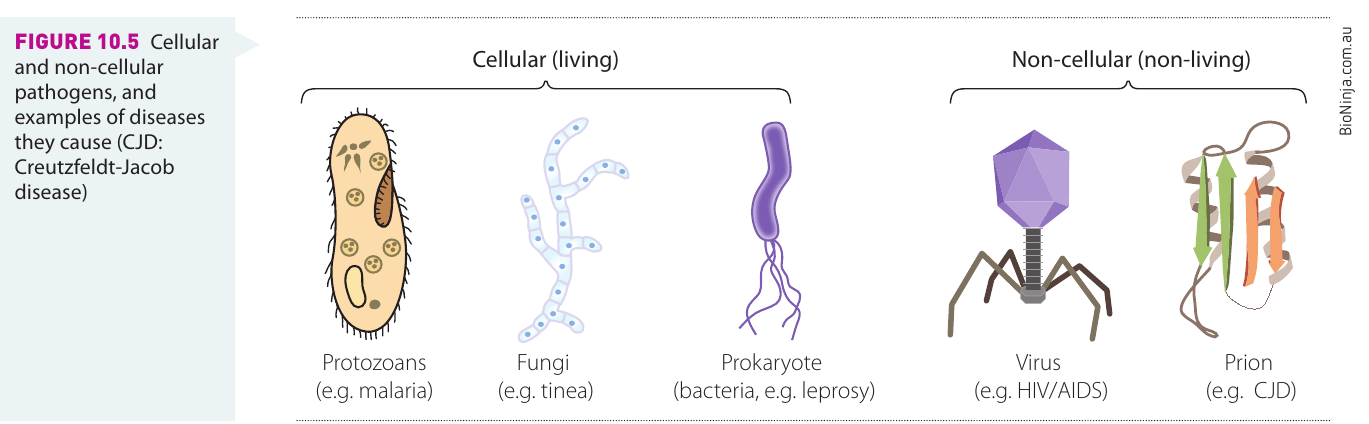
- Non-cellular: proteins, prions, viruses (with protein coat)
- Cellular: bacteria (prokaryotes), fungi and protozoans (eukaryotes)
Macroscopic organisms:
- Ectoparasites (living outside the body)
- Endoparasites (living inside the body)
Cellular pathogens: Bacteria
Meningococcal meningitis
In 2017, the NSW Government introduced a school-based vaccination programme for Year 11 and 12 students to protect against meningococcal disease. This serious bacterial disease can cause:
- Acute illness and death
- Bacterial meningitis (bacteria in the brain)
- Septicaemia (bacteria in the blood)
A new form of the bacteria, type W, had caused a threefold increase in disease notifications.
Important
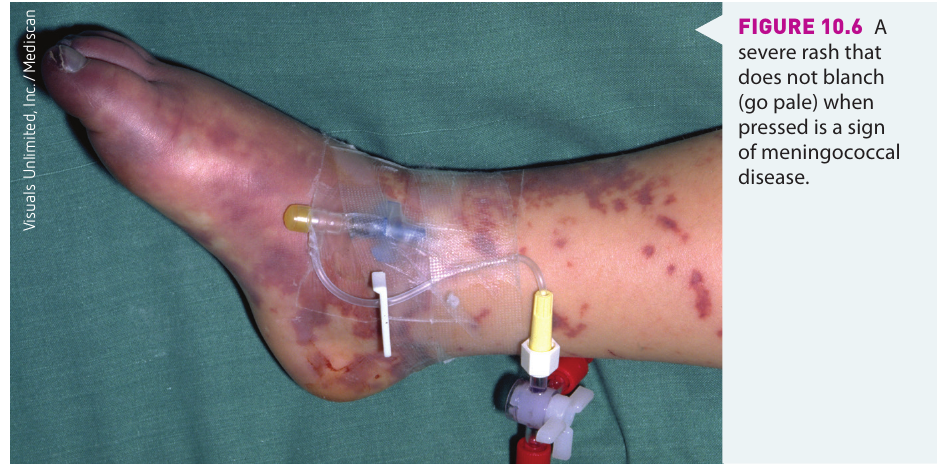
Common symptoms include fever, headache, neck stiffness, joint pain, and a characteristic red-purple rash that does not blanch (go pale) when pressed. This non-blanching rash is a critical warning sign that requires immediate medical attention.
Older teenagers and young adults face increased risk due to social behaviours that increase transmission risk, particularly in close quarters like military establishments and boarding schools.
Structure and classification of bacteria
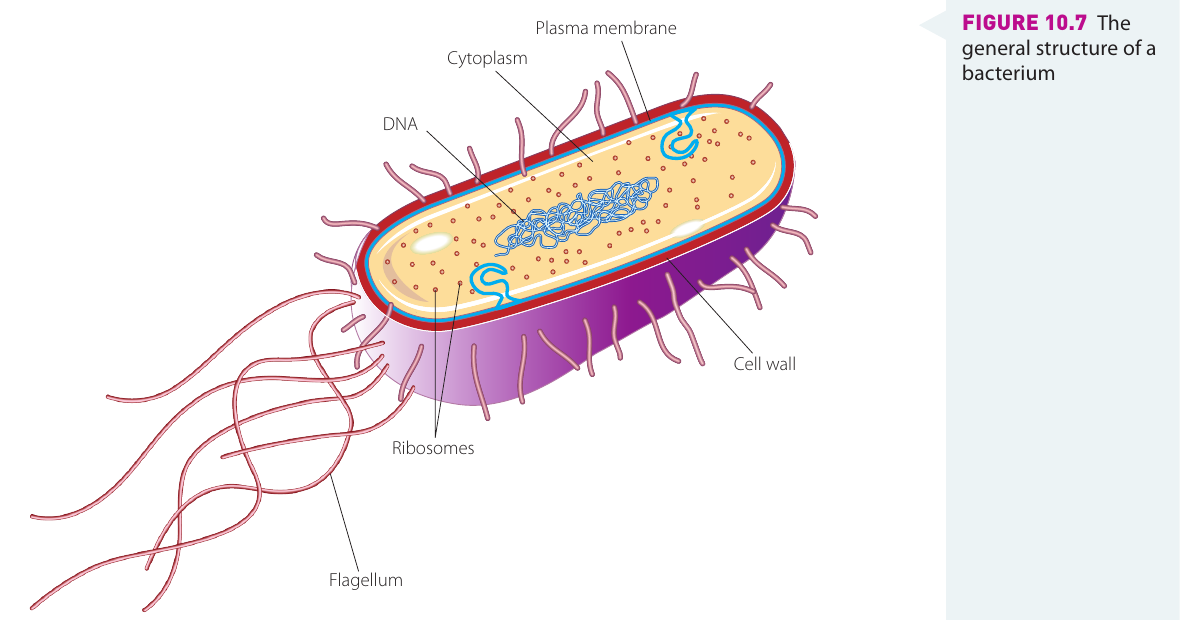
Bacteria are single-celled prokaryotic organisms. They possess a cell wall but lack a membrane-bound nucleus or organelles. Bacteria are classified as one of the three domains of living things (alongside eukaryotes and archaea).
Note
Key characteristics:
- Size: to in length (larger than viruses but smaller than protozoans)
- Reproduction: asexual process called binary fission (dividing in two)
- Generation time: varies between minutes and hours, allowing huge numbers to be produced rapidly
- Genetic material: bacterial DNA as a large circular chromosome, plus smaller circular DNA fragments called plasmids
- Cell wall: composed of peptidoglycan (protein and carbohydrate molecules), unlike plant cell walls made of cellulose
Bacterial shapes and types
Bacteria are classified according to their shape:
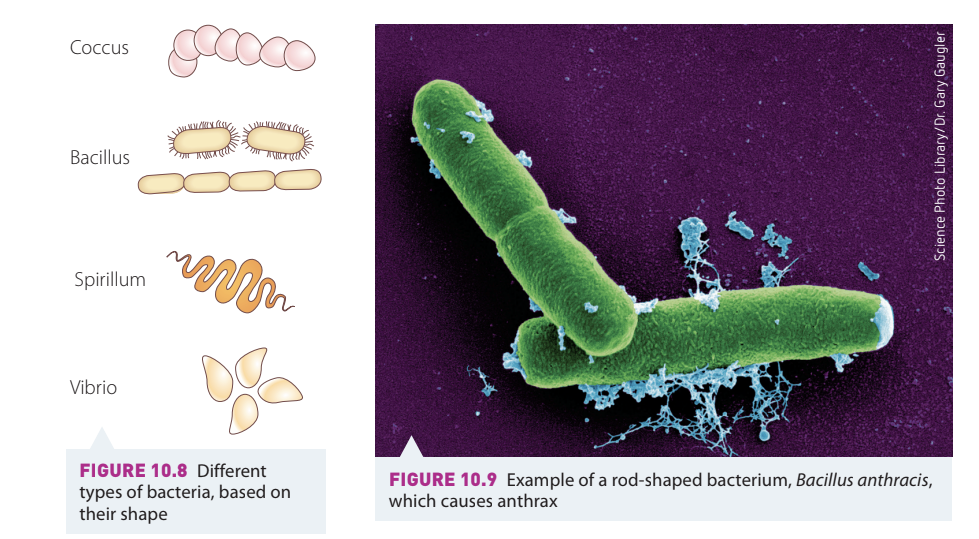
- Coccus: spherical cells
- Bacillus: rod-shaped cells
- Spirillum: spiral-shaped cells
- Vibrio: comma-shaped cells
Other bacterial classifications
By location:
- Obligate intracellular parasites: cannot live outside cells (e.g., Rickettsia, Chlamydia)
- Extracellular parasites: live in tissue fluid (e.g., E. coli, Pseudomonas aeruginosa)
By staining properties:
- Gram-positive: retain Gram stain
- Gram-negative: do not retain Gram stain
By oxygen requirements:
- Aerobes: require oxygen
- Anaerobes: do not require oxygen
- Facultative anaerobes: can switch between aerobic and anaerobic respiration
Transmission and treatment of bacterial diseases
Bacteria are ubiquitous in nature, found in water, soil and ecosystems where they serve vital roles. Many inhabit multicellular organisms in beneficial, symbiotic relationships - the human body contains an estimated 1000 trillion bacteria, most of which are helpful.
Pathogenic bacteria cause disease by:
- Producing toxins or harmful chemicals
- Directly damaging host tissue
This represents a parasitic relationship (benefit to bacteria, harm to host).
Transmission occurs:
- Directly: close contact with infected host
- Indirectly: contact with contaminated objects
Many bacteria are susceptible to antibiotic treatment, often combined with surgical removal of dead tissue, wound cleansing and supportive care.
Note
Special bacterial structures:
- Endospores: tough, waterproof layers allowing bacteria to survive dormant for years (e.g., Clostridium tetani causing tetanus)
- Biofilms: mucus-like structures that bind to tissue and surfaces, enhancing defence against antibiotics
Examples of bacterial diseases
| Bacteria | Disease | Features |
|---|---|---|
| Bordetella pertussis | Whooping cough (pertussis) | Runny nose, sneezing; characteristic 'whoop' during coughing; gagging or vomiting |
| Salmonella enterica | Salmonellosis (food poisoning) | Vomiting and diarrhoea; dehydration; fever and abdominal cramps |
| Mycobacterium tuberculosis | Tuberculosis | Cough; fever; night sweats; blood-stained sputum |
| Clostridium tetani | Tetanus ('lockjaw') | Fever, sweating, headache; dysphagia (difficulty swallowing); tachycardia (rapid heartbeat); muscle spasms beginning with jaw and spreading |
| Chlamydia trachomatis | Chlamydial disease (sexually transmitted) | Burning sensation while urinating; discharge; may lead to infertility if untreated |
Cellular pathogens: Fungi
Tinea (athlete's foot)
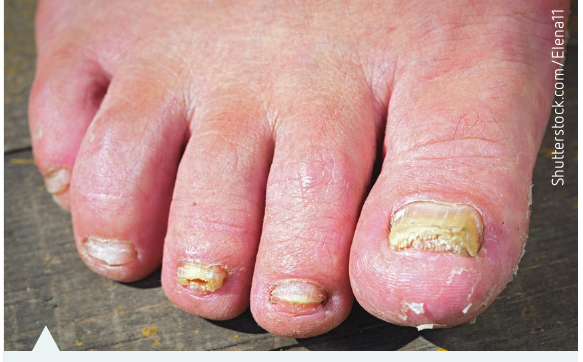
Public showers at gyms and pools provide ideal conditions for fungal pathogen growth and spread due to their warm, moist environment. Tinea (Tinea pedis) or 'athlete's foot' is a common fungal disease in humans causing:
- Redness and itching around the toes
- Scaling of the skin
- Nail deformities such as yellowing and hardening
Note
Treatment involves antifungal creams for an extended period, continuing even after symptoms disappear. This extended treatment is necessary because fungal infections can persist in the deeper layers of skin even when surface symptoms have resolved.
Classification of fungi
Fungi are eukaryotic organisms with distinctive characteristics:
- Cell wall composed of chitin (unlike cellulose in plants)
- Heterotrophic: cannot produce their own nutrients (lack chlorophyll)
- Mostly saprophytic: live on dead plant and animal material, serving as decomposers in ecosystems
Fungi may be:
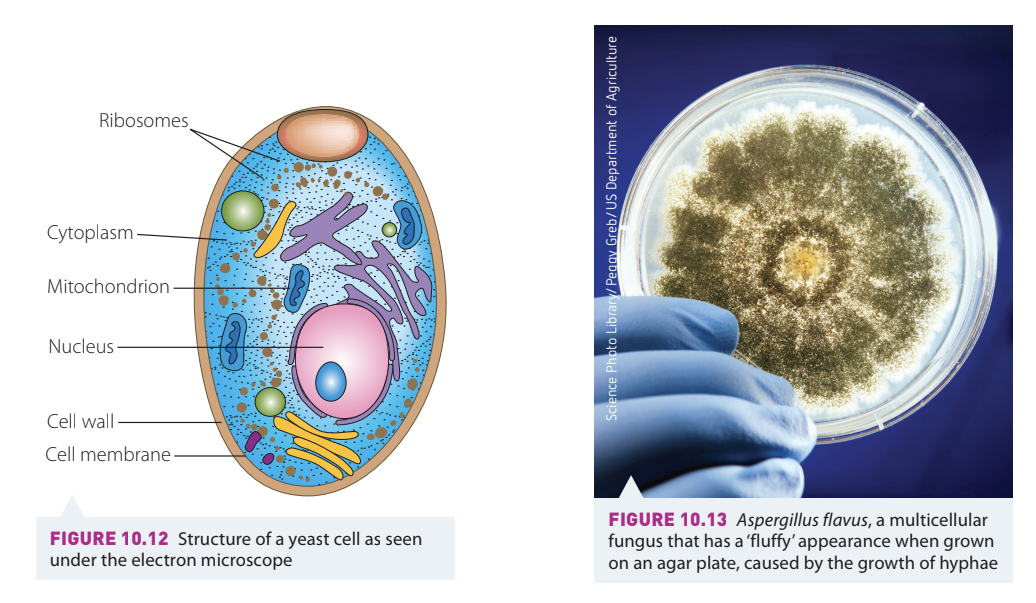
- Unicellular: such as yeasts
- Multicellular: such as moulds, composed of microscopic tubular filaments called hyphae that branch to form a mycelium
Reproduction:
- Some reproduce asexually only (yeasts)
- Others use both sexual and asexual reproduction
- Size ranges from microscopic to macroscopic
Note
Some fungi are beneficial to humans, used in producing bread and alcohol. The yeast Saccharomyces cerevisiae, for example, is essential in baking and brewing industries.
Transmission and types of fungal disease
Fungal infections (mycoses) may be:
- Cutaneous: affecting the outer skin layer
- Subcutaneous: beneath the skin surface, from penetrating wounds
- Systemic: affecting internal organs
Most fungal infections are opportunistic, affecting those with weakened immune systems or concurrent diseases. Many fungal pathogens are dermatophytes, living on skin, nails and hair.
Transmission occurs through:
- Close contact with diseased person or animal
- Contact with contaminated objects
Important
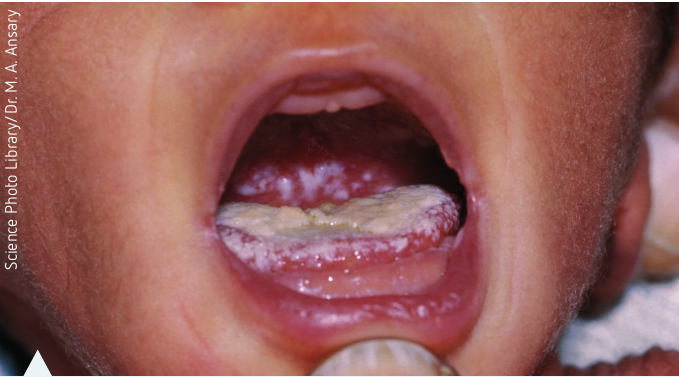
Some fungi (Aspergillus, Blastomycosis, Cryptococcosis, Coccidioides) can cause serious, life-threatening diseases. Thrush, caused by the yeast Candida albicans, can result from long-term use of asthma inhalants containing corticosteroids or prolonged antibiotic use.
In plants, fungi are a leading cause of infectious diseases including blights, mildews and rusts.
Examples of fungal diseases
| Fungus | Disease | Features |
|---|---|---|
| Epidermophyton, Trychophyton, Microsporum | Tinea, Ringworm | Cutaneous mycoses; fungus secretes enzymes breaking down keratin; requires exposure to pathogen with warm, moist conditions; redness, itching, scaliness of skin; ringworm may cause ring-shaped lesions; yellowing and hardening of nails |
| Sporothrix schenckii | Sporotrichosis (rose gardener's disease) | Subcutaneous mycosis; small cut allows fungal entry; scratches from thorns combined with handling infected plant matter; scratches and bites from cats |
| Histoplasma capsulatum, Blastomyces dermatidis, Coccidioides spp. | Histoplasmosis, Blastomycosis, Coccidiodomycosis | Systemic mycoses causing severe lung disease; Histoplasma grows in soil contaminated with bat droppings; Blastomycosis contracted by breathing fungal spores from moist soil and leaf material |
Cellular pathogens: Protozoa
Giardiasis and cryptosporidiosis
Swimming pools and splash parks can become sources of protozoal pathogens when contaminated. Cryptosporidium parvum and Giardia lamblia are protozoal organisms living in the human gastrointestinal tract, potentially contaminating pools and water sources.

Infection causes:
- Abdominal cramps
- Chronic diarrhoea
- Bloating
- Weight loss
Important
Both organisms resist chlorine under normal pool operating conditions. Infected infants and children are particular sources due to faecal contamination. Transmission occurs mainly through swallowing infected pool water.
In summer 2016, a cryptosporidiosis outbreak prompted health authority warnings about splash park maintenance, leading to plans to include splash parks under 'public swimming pools' definitions for strict water quality control.
Classification of protozoa
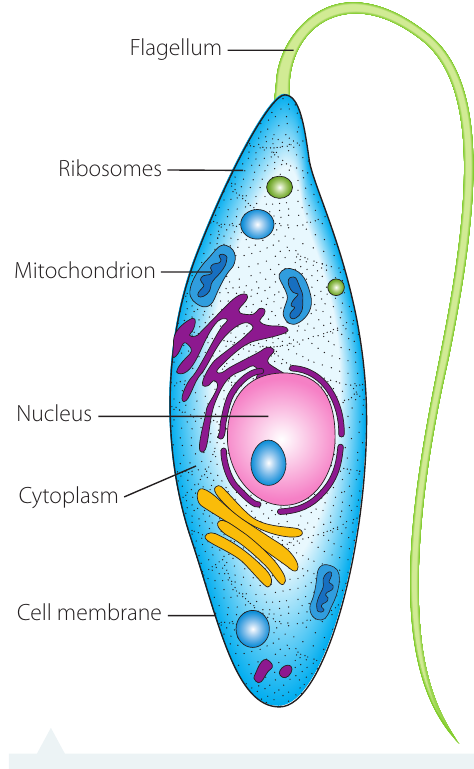
Protozoa are single-celled eukaryotic organisms classified with algae and slime moulds in Kingdom Protista. They possess:
- Membrane-bound nucleus
- Membrane-bound organelles
- Cell membrane (but no cell wall)
- Size: to (smallest are bacterium-sized)
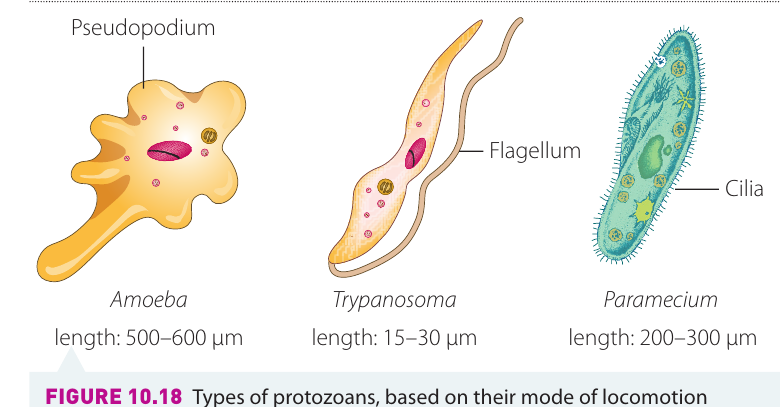
Most protozoans are motile, classified by their locomotion type:
Note
- Flagellates: propelled by a long whip-like flagellum (e.g., Trypanosoma, - length)
- Ciliates: propelled by many hair-like cilia (e.g., Paramecium, - length)
- Amoebae: use cytoplasm projections called pseudopods (e.g., Amoeba, - length)
- Sporozoa: no locomotion structures, reproduce by releasing spores (e.g., Plasmodium)
Reproduction occurs primarily through binary fission.
Transmission and treatment
Many protozoa are free-living and harmless, but some are pathogenic. Protozoal diseases are transmitted through:
- Insect bites (malaria, trypanosomiasis/African sleeping sickness)
- Contaminated water - faeco-oral route (amoebic dysentery, giardiasis)
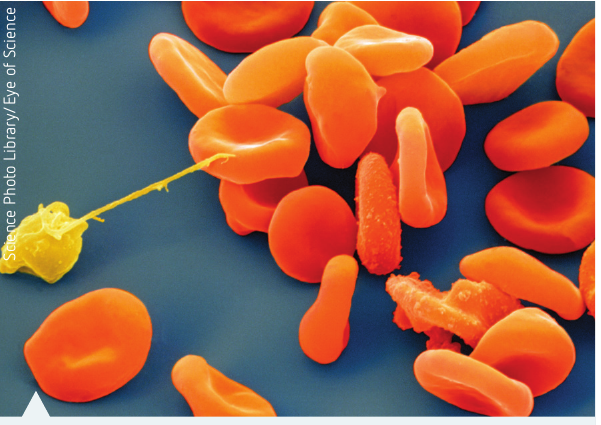
Treatment generally involves antiprotozoal medications.
Examples of protozoal diseases
| Protozoan | Disease | Features |
|---|---|---|
| Plasmodium spp. | Malaria | Fever; fatigue; headaches; jaundice; vomiting |
| Toxoplasma gondii | Toxoplasmosis | May be asymptomatic; headache, fatigue; fever; muscle aches; tender lymph nodes; seizures |
| Entamoeba histolytica | Amoebiasis | May be asymptomatic; diarrhoea (often bloody); fever and chills |
Macro-organisms (macroparasites)
Macroparasites are larger than other pathogens - visible to the naked eye. These multicellular eukaryotic organisms vary in size from tiny lice to very long tapeworms. Some cause disease directly whilst others act as vectors transmitting disease.
Macroparasites are classified into two groups based on location:
Endoparasites live inside the host's body, including:
- Flatworms (tapeworms and flukes)
- Roundworms
- Cause diseases such as taeniasis, hydatidosis, schistosomiasis and elephantiasis
Ectoparasites live on the body's outside, usually sucking blood, including:
- Mosquitoes, fleas, ticks, leeches, mites, lice
- Can inject toxins causing inflammation, allergic reactions and sometimes paralysis
- Can act as vectors for other pathogens (e.g., fleas transmit Yersinia pestis causing bubonic plague)
Parasitic helminths (worms)
Heartworm example
In the 1970s, Sydney vets noticed increased heartworm incidence in dogs. Previously recognised in tropical north Queensland, it had not been seen so far south. Heartworms are long, thin worms living in the right side of the heart as adults, blocking blood flow and damaging heart lining, valves and pulmonary veins.
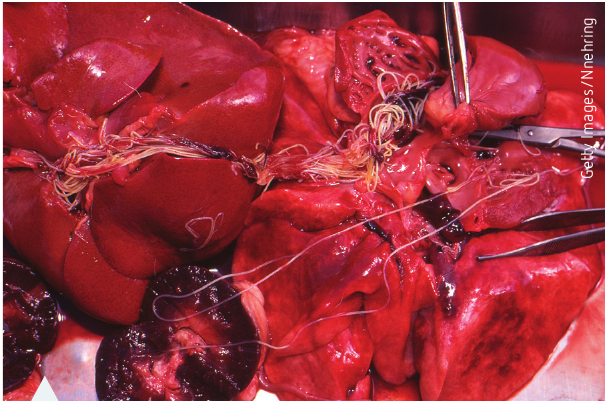
Important
Symptoms include:
- Coughing
- Fluid accumulation in abdomen and lungs
- Swollen liver
- Sudden collapse and death
Diagnosis involves radiographic detection of lung and heart changes, with reliable blood tests now available. Treatment can be dangerous as dying worms may dislodge and block major blood vessels.
Mosquitoes spread heartworm by biting infected hosts and transferring to other dogs. Cats can also be infested.
Classification of helminths
Helminths are worm-like organisms commonly inhabiting gastrointestinal systems, living on nutrients supplied by the host. They adversely affect hosts through:
- Attachment to gut wall
- Disruption of normal digestion and absorption
- Effects on immune response
- Feeding behaviour
Main types include:
- Nematodes: roundworms, whipworms, hookworms
- Cestodes: tapeworms
- Flatworms: platyhelminths such as flukes
Transmission of helminths
Most helminths have complex life cycles involving several stages and hosts. Part of the cycle may occur in the external environment. All reproduce using eggs, which may be:
- Deposited in the environment
- Picked up by another host through unsanitary drinking water or infected soil
- Hatched into larvae that mature in the host
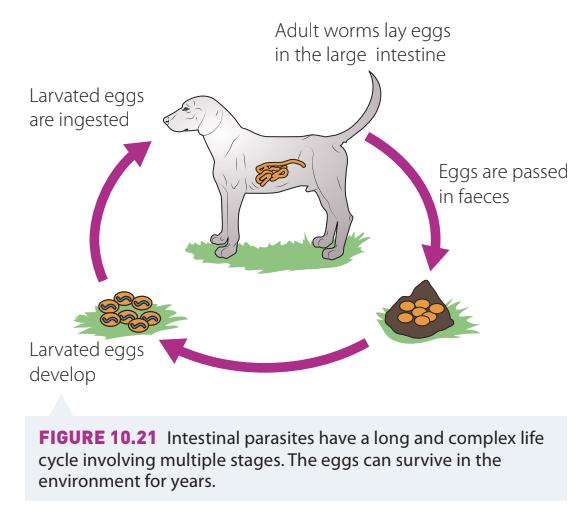
Each species' eggs have unique architecture identifiable under microscope. Faecal egg counts are performed on farm animals to estimate worm parasite abundance and species.
Note
Helminth infections create economic burden on agricultural enterprises through animal illness and reduced meat, milk and wool yields. Overcrowding (high stocking rates) facilitates rapid parasite egg spread. Interestingly, research suggests low worm burdens may benefit hosts by stimulating the immune system.
Domestic pets receive routine anthelmintic drugs ('deworming'). Large helminth burdens like hookworm can cause intestinal bleeding and anaemia in puppies and kittens, whilst roundworms contribute to intestinal blockages. Some worms irritate animals' bottoms, leading to 'scooting' behaviour.
Important
Many worms (such as strongyles or large redworms) affect horses, potentially migrating through blood vessels to liver and skin, causing catastrophic damage.
Plants are also susceptible to helminth infection, with larvae disrupting leaves and vascular systems, compromising photosynthesis and water/nutrient transport.
Examples of helminth diseases
| Helminth | Disease | Features |
|---|---|---|
| Enterobius vermicularis | Threadworm/pinworm (most common worm infection in Australia) | Red and itchy anus; irritability and behaviour changes; lack of appetite; restless sleep; worms may be visible in faeces; weight loss; abdominal pain; diarrhoea; blood in faeces |
| Taenia solium (pigs), Taenia saginata (cattle) | Tapeworm | |
| Toxocara canis (dogs), Toxascaris leonina (cats), Ascaris lumbricoides (humans) | Roundworm | |
| Ancylostoma duodenale (humans), Ancylostoma caninum (dogs), Unicnaria stenocephala (dogs, cats, foxes) | Hookworm |
Parasitic arthropods
Arthropods are invertebrates with exoskeletons and segmented bodies, including insects and arachnids. Parasitic arthropods are ectoparasites causing significant disease in humans, animals and plants. They may:
- Cause skin irritation
- Act as vectors for other pathogens
- Contribute to blood loss and concurrent infections
Treatment generally involves chemicals.
Fleas
Fleas infest various animals, including humans. They can:
- Transmit tapeworms in dogs (Dipylidium caninum)
- Cause allergic reactions to their saliva containing antigenic protein
Note
Flea allergy dermatitis results from hypersensitivity, commonly causing hair loss and skin redness in dogs along the back or 'hot spots' near the tail and belly. Fleas inhabit soil, cracks in floorboards and paving wherever household pets frequent. Eggs are sensitive to vibrations and carbon dioxide concentrations, often hatching in thousands when inhabitants return from holidays.
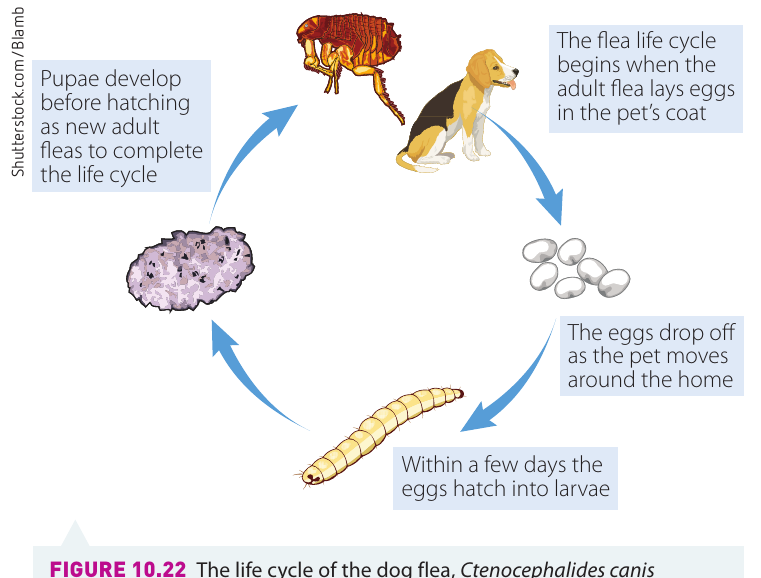
Ticks
Ticks are common ectoparasites of humans and animals. The paralysis tick Ixodes holocyclus is problematic in wet, densely vegetated areas like north-west Sydney. It injects a neurotoxin during feeding causing progressive paralysis.
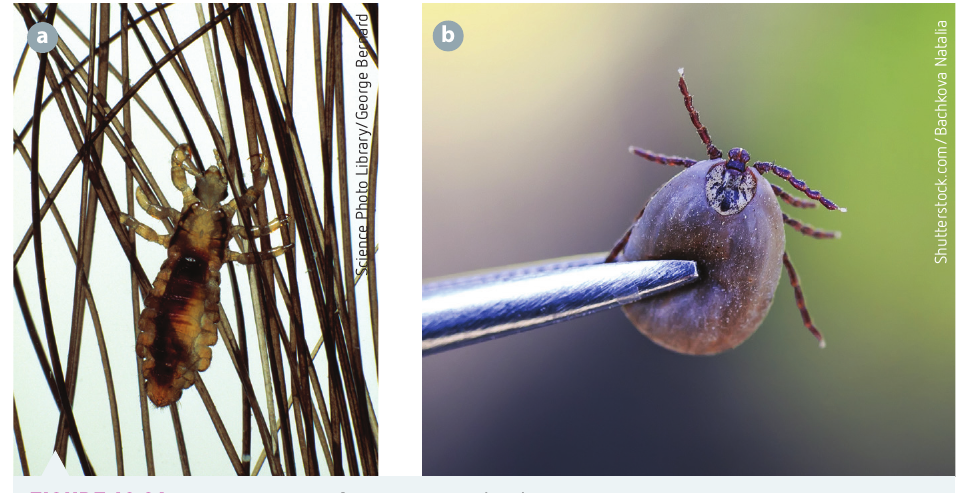
Ticks can be extremely difficult to locate on pets, with effects lasting several weeks after removal. Bandicoots and possums are natural hosts but are generally unaffected unless carrying large tick numbers.
Important
First signs of tick paralysis in dogs include:
- Dysphonia: strange bark
- Dysphagia: difficulty swallowing
- Staggering gait (ataxia)
- Potentially life-threatening paralysis
Lice
Lice possess biting or sucking mouthparts, causing:
- Economic loss in the wool industry as itchy sheep scratch themselves
- Anaemia in infested animals through sucking
- Common problems in schools and childcare centres (head lice, Pediculus humanus capitis)
Mites
Mites are arachnids living mostly on animals but also infesting humans. Infestation causes mange, generally resulting in irritation, itchiness and skin redness. House dust mites feed on shed human skin flakes, causing many respiratory and skin problems through allergies.
| Mite | Disease | Features |
|---|---|---|
| Demodex canis (dogs) | Demodectic mange | Overpopulation due to host immune compromise; hair loss (alopecia); itching; red skin; skin crusting |
| Sarcoptes scabei | Scabies | Hair loss (alopecia); itching; red skin; skin crusting |
| Ornithonyssus bursa | Bird mites | Hair loss (alopecia) in humans; itching; red skin; skin crusting |
Flies
The common housefly is found worldwide. It is non-biting but can transmit pathogens between hosts, including dangerous gut bacteria like E. coli. Some flies lay eggs in damaged skin.
Note
Fly strike in sheep, caused by the sheep blowfly (Lucilia cuprina), is devastating as hatched maggots burrow into flesh and feed. Stable fly in horses (Stomoxys calcitrans) can lead to reduced weight gain through continual agitation from biting.
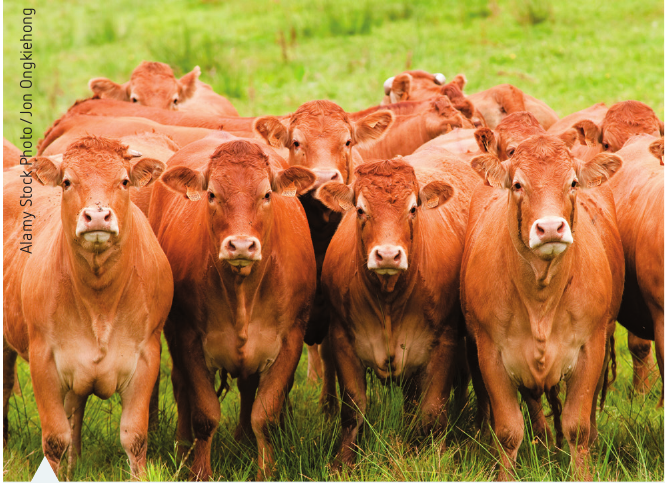
Large fly populations around cattle yards cause severe stress as animals shake heads and flap ears attempting to rid themselves of flies, potentially developing heat stroke in summer.
Mosquitoes
Mosquitoes can be considered biological parasites, benefiting from blood meals from hosts. They also act as vectors, transferring pathogens causing:
- Malaria
- Ross River fever
- Yellow fever
- Dengue fever
- Zika virus (an emerging concern, especially dangerous for unborn foetuses, first reported outside Africa and Asia in 2007)
Remember!
Summary
Key Points to Remember:
-
Infectious diseases are caused by pathogens - organisms or agents that can be 'caught' and transferred between hosts, unlike non-infectious diseases such as cancer.
-
Signs are objectively measurable features (fever, rash, lesions) whilst symptoms are patient-reported experiences (pain, fatigue, nausea).
-
Disease results from an imbalance between pathogen attack (pathogenicity) and host defence capabilities. Opportunistic pathogens cause disease when immune systems are compromised.
-
Pathogens are classified as cellular (bacteria, fungi, protozoa, macro-organisms) or non-cellular (viruses, prions), and as microscopic or macroscopic.
-
Bacteria are prokaryotic, reproduce by binary fission, and are classified by shape (coccus, bacillus, spirillum, vibrio), staining properties (Gram-positive/negative), and oxygen requirements (aerobe/anaerobe).
-
Fungi are eukaryotic with chitin cell walls, may be unicellular (yeasts) or multicellular (moulds with hyphae), and cause cutaneous, subcutaneous or systemic mycoses.
-
Protozoa are single-celled eukaryotes classified by locomotion: flagellates (flagellum), ciliates (cilia), amoebae (pseudopods), and sporozoa (no locomotion structures).
-
Macroparasites include endoparasites (helminths living inside the body) and ectoparasites (arthropods like fleas, ticks, lice, mites living outside the body), which may act as disease vectors.