Aboriginal Medicine Development (HSC SSCE Biology): Revision Notes
📚Revision Notes
Aboriginal Medicine Development
Introduction to Aboriginal medicinal knowledge
Aboriginal Australians are the custodians of an extensive and sophisticated knowledge system about medicinal native plants, fruits and vegetables. This traditional knowledge has been developed and refined over tens of thousands of years. Historically, Aboriginal people maintained excellent health, though they occasionally needed treatments for wounds from burns, stings and bites, as well as food poisoning.
Note
Today, there is growing recognition of the value of this traditional medicinal knowledge. Various organisations are working to compile databases and preserve this important information for future generations. One example is the Macquarie University Indigenous Bioresources Research group, which focuses on documenting traditional Aboriginal medicine practices.
Traditional medicine practices
Plant substances used in healing
Aboriginal medicine relied on several types of natural substances extracted from plants. These included:
- Tannins: Plant compounds with astringent and antimicrobial properties
- Mucilage: Gel-like substances that soothe and protect tissues
- Oils: Liquid extracts with various therapeutic properties
- Latex: Milky plant fluids used for healing
- Alkaloids: Nitrogen-containing compounds with powerful medicinal effects
Each of these substances served specific purposes in treating different conditions. Aboriginal healers had detailed knowledge about which plants contained these substances and how to use them effectively.
Preparation techniques
The preparation of traditional medicines involved sophisticated techniques passed down through generations. Plant material was typically crushed to release the active compounds. This crushed material could be used in two main ways:
- As a poultice: The crushed plant material was applied directly to wounds or affected areas of the body
- As an infusion: The plant material was mixed with water to create a drink
Important
An important innovation in Aboriginal medicine was the incorporation of animal fat into plant preparations. This technique served a crucial purpose: it increased the fat solubility of the plant substances. When medicinal compounds are more fat-soluble, they can be absorbed more readily into body tissues, making the treatment more effective.
Modern scientific research into bush medicine
Discovery of bioactive compounds
Contemporary scientists are making exciting discoveries about the chemical composition of traditional bush medicines. Research has revealed that many of these plants contain bioactive compounds—naturally occurring chemicals that have specific effects on biological systems. Importantly, several of these compounds demonstrate antimicrobial properties, meaning they can kill or inhibit the growth of microorganisms that cause infectious diseases.
This scientific validation of traditional knowledge demonstrates that Aboriginal medicine was based on genuine therapeutic effects, not merely cultural practices. However, researchers have also discovered that many medicinal plants contain potentially harmful compounds alongside their beneficial ones. Aboriginal people developed specialised preparation techniques to minimise these harmful effects, showing the sophistication of their medical knowledge.
Examples of important medicinal plants
Example
Medicinal Plant Case Study: Moreton Bay Chestnut (Black Bean)
The Moreton Bay Chestnut, scientifically known as Castanospermum australe, is commonly called the black bean.
Traditional Use: Used by Aboriginal peoples as a traditional medicine
Modern Research: Scientists have isolated alkaloid compounds from this plant that show promise in managing HIV/AIDS
Significance: This discovery highlights how traditional Aboriginal knowledge can contribute to modern medical research addressing contemporary health challenges.
Example
Medicinal Plant Case Study: Smokebush (Conospermum)
Botanical History: In 1798, English botanist James Smith named the genus Conospermum, which means 'cone seed'. These plants are commonly known as smokebush due to their distinctive appearance.
Distribution: Most species grow in south-west Western Australia, though some occur in New South Wales and Tasmania.
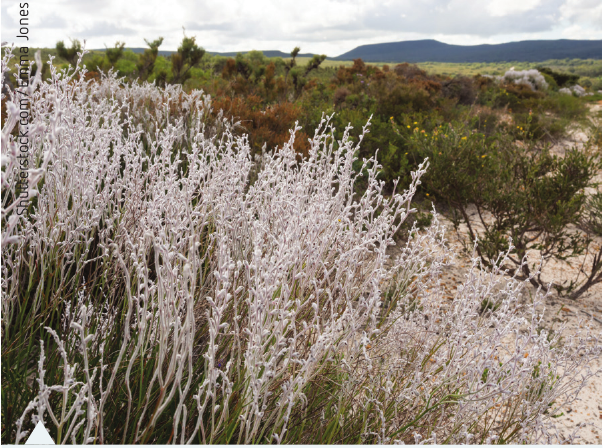
Physical Characteristics: Some smokebush species produce large, woolly white flowers that resemble drifting smoke when viewed from a distance. These plants belong to the Proteaceae family.
Traditional and Modern Applications: Indigenous peoples traditionally used smokebush for healing purposes. Modern scientific investigation has explored the plant's potential applications against cancer and HIV/AIDS, demonstrating how traditional knowledge can guide contemporary medical research.
Bush medicine as a field of study
Bush medicine represents an emerging branch of horticulture with significant potential for developing new treatments against various pathogens. However, scientists face the important challenge of separating beneficial compounds from potentially harmful ones before these treatments can be used commercially. This work must be done carefully and in consultation with Aboriginal communities who hold the traditional knowledge.
Investigation 13.7: Research protocols for Aboriginal medicines
Aims of the investigation
This investigation has two primary aims:
- To gather and process information about the current use of biological materials by Aboriginal people in traditional medicine (bush medicine)
- To establish how Indigenous cultural and intellectual property should be protected during research
Research methodology
When conducting research into Aboriginal traditional medicine, specific protocols must be followed:
Source selection: Researchers must use publications that are authored or endorsed by Aboriginal or Torres Strait Islander people. This ensures the information is accurate and respects Indigenous perspectives. Where possible, researchers should involve local Aboriginal communities directly when gathering information.
Research focus: The investigation specifically examines traditional uses of medicines, not modern applications. This distinction is important for understanding the historical and cultural context of Aboriginal medical knowledge.
Traditional medicines for investigation
The following table lists examples of traditional medicines that can be researched:
| Plant or Animal | Traditional Properties and Uses as Antimicrobials | Photo |
|---|---|---|
| Emu bush leaves | ||
| Tea tree leaves | ||
| Kakadu plum fruit | ||
| Witchetty (witjuti) grub |
Students should research the traditional antimicrobial properties and uses of these biological materials, using appropriate sources and following ethical research protocols.
Ethical and legal considerations
Importance of Aboriginal-authored sources
Using sources authored by Aboriginal people is preferable for several important reasons:
- Accuracy: Aboriginal authors have direct access to traditional knowledge and can present it accurately
- Cultural context: They understand the cultural significance and proper protocols around using this knowledge
- Respect: Using Aboriginal-authored sources shows respect for Indigenous intellectual property
- Avoiding misrepresentation: Non-Aboriginal sources may misinterpret or oversimplify traditional knowledge
Important
Potential problems with non-Aboriginal sources include misunderstanding cultural contexts, inappropriate use of sacred knowledge, and failure to acknowledge the source of the information properly.
Intellectual property rights
Indigenous intellectual property rights in Australia face significant challenges:
Current situation: The intellectual property rights of Indigenous peoples are not yet well supported in Australia. Traditional knowledge has often been recorded, used, and commercialised without proper consultation, consent, or compensation for Aboriginal communities.
Important
Key questions: If someone discovers a plant with medicinal properties on land traditionally owned by Aboriginal peoples, several legal and ethical questions arise:
- Who owns the plant and the knowledge about its properties?
- Can someone patent and commercialise the plant without Aboriginal involvement?
- How should Aboriginal traditional knowledge be recognised and protected?
Case study: WA smokebush controversy
The rediscovery of Western Australian smokebush by Western scientists in the 1960s provides an important example of intellectual property issues. The WA government made financial and legal arrangements with the Australian pharmaceutical company AMRAD to develop products from the plant.
However, Aboriginal people received no recognition of their traditional knowledge and no financial benefit from the exploitation of the plant, despite having used it for medicinal purposes for thousands of years.
Important
This case highlights the need for better legal frameworks that protect Indigenous intellectual property and ensure Aboriginal communities benefit appropriately when their traditional knowledge is used commercially.
Value of traditional medicine
Traditional medicine systems like Aboriginal bush medicine represent valuable sources of knowledge that must be preserved for future generations. This knowledge:
- Provides insights into effective natural medicines
- Contributes to biodiversity conservation
- Maintains cultural heritage and identity
- Offers alternatives or complements to Western medicine
- Guides modern scientific research
The challenge facing modern society is to preserve and utilise this knowledge while respecting Indigenous rights, cultural protocols, and intellectual property. Research must be conducted ethically, with proper consultation, consent, and benefit-sharing arrangements with Aboriginal communities.
Exam tips
Note
Examination Strategies
- When answering questions about Aboriginal medicine, always acknowledge the cultural and intellectual property dimensions
- Remember that traditional knowledge was developed over thousands of years and has genuine therapeutic value
- Be able to explain specific examples like smokebush and Moreton Bay Chestnut
- Understand the difference between traditional uses and modern scientific applications
- Consider ethical issues when discussing commercialisation of traditional knowledge
Remember!
Summary
Key Concepts to Remember
-
Aboriginal Australians possess extensive traditional knowledge about medicinal plants including their antimicrobial properties and preparation methods
-
Traditional medicines used plant substances (tannins, mucilage, oils, latex, alkaloids) prepared as poultices or infusions, often incorporating animal fat to improve absorption
-
Modern scientific research has discovered bioactive compounds in bush medicines, with examples like Moreton Bay Chestnut (for HIV/AIDS) and smokebush (for cancer and HIV/AIDS) showing significant therapeutic potential
-
Ethical research requires using Aboriginal-authored sources, consulting with Indigenous communities, and respecting cultural protocols around traditional knowledge
-
Indigenous intellectual property rights remain poorly protected in Australia, highlighting the need for better legal frameworks that ensure Aboriginal communities receive recognition and benefit from their traditional knowledge