Limiting the Spread of Infectious Disease (HSC SSCE Biology): Revision Notes
📚Revision Notes
Limiting the Spread of Infectious Disease
Introduction to disease spread in modern society
Modern transportation has dramatically changed how infectious diseases spread across the world. Regular and affordable international travel means more people can visit or work in different countries. When people travel, they can carry pathogens with them, potentially exposing new populations to infectious agents.
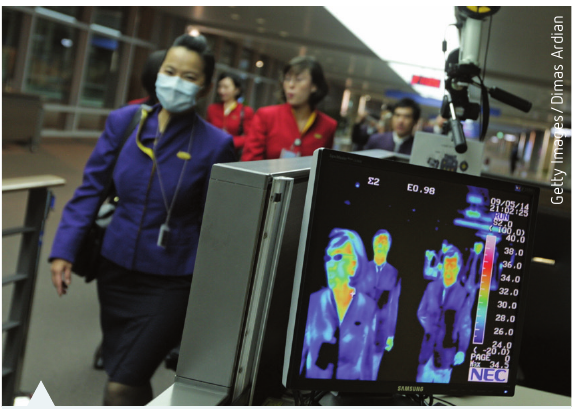
To help monitor this risk, some airports use advanced screening technology. Temperature-sensing equipment can detect potential carriers of diseases like influenza as travellers pass through arrivals.
Note
Temperature screening at airports represents a frontline defence against disease transmission, allowing health authorities to identify potentially infected travellers before they enter the wider community.
Three levels of disease monitoring and control
Because people can travel so easily, disease surveillance and prevention must operate at three interconnected scales: local, regional, and global. Each level addresses different aspects of disease control and requires coordinated efforts.
Important
Disease control is multifactorial - no single approach works in isolation. Effective prevention requires coordinated efforts across all three levels simultaneously.
Local factors
Local factors typically relate to specific communities, villages, towns, or cities. Several key elements influence disease transmission at this level:
Sanitation and waste management is crucial for preventing disease spread. How communities dispose of waste and sewage directly affects infection rates. This becomes especially critical after natural disasters like typhoons and hurricanes, when sewerage systems may be damaged or disrupted, leading to contamination of water supplies.
Overcrowding significantly increases the likelihood of person-to-person transmission. When people live in close quarters, pathogens can spread more easily through the population.
Infrastructure and communication networks affect access to medical care. Poor road networks may prevent people from reaching hospitals or obtaining medical information when they need it.
Note
The quality of local infrastructure directly impacts a community's ability to respond to disease outbreaks. Remote areas with poor road access face the greatest challenges in disease control.
Animal husbandry practices can create opportunities for disease transmission between animals and humans. For example, keeping chickens and pigs together may facilitate the spread of avian and swine influenza from animals to people. In south-eastern Queensland, keeping horses near wild fruit bats has led to the emergence of diseases like Hendra virus and Australian bat lyssavirus.
Cultural and spiritual beliefs influence how communities respond to medical advice. Traditional practices may affect attitudes toward Western medicine, burial rituals, and disease prevention measures. In Madagascar, a traditional ceremony called famadihana involves exhuming deceased relatives and dancing with them through the streets. Health officials believe this practice has contributed to deadly plague outbreaks.
Important
Cultural Sensitivity in Disease Control
Understanding and respecting cultural beliefs is essential for effective disease control. Health interventions that ignore local customs often fail, while those that work within cultural frameworks are more likely to succeed.
Regional factors
The United Nations divides the world into five regions: Africa, the Americas, Asia, Europe, and Oceania (which includes Australia, New Zealand, Melanesia, Micronesia, and Polynesia). Each region has characteristics that influence disease transmission.
Geographic features play a significant role in disease spread. Mountains, deserts, rainforests, and grasslands all affect how easily populations can move and interact. People living in mountainous areas or on islands have natural isolation, which reduces their exposure to infected individuals from other areas.
Coastal populations face unique challenges. Approximately 60% of the world's population lives in coastal regions, where bacteria and viruses can accumulate in seawater and seafood. Hepatitis A virus, for example, can concentrate in molluscs like oysters and clams. The source of these microbes is often sewage disposal, creating significant challenges for disease control in regions like South-East Asia, where high coastal populations depend on seafood for protein.
Food trade across regional areas creates potential pathways for pathogen transmission. For instance, frozen mixed berries imported from China and contaminated with faecal matter contributed to hepatitis A cases in Australia in 2016.
Note
Regional food trade networks can rapidly spread contaminated products across large areas, making source identification and recall procedures critical for disease control.
Seasonal variations in temperature and rainfall patterns influence the availability of disease vectors. Monsoon-related outbreaks of cholera, typhoid, malaria, and leptospirosis commonly occur in equatorial regions.
Global factors
At the global level, several interconnected factors affect disease control efforts.
International travel and migration introduce challenges for limiting disease spread. The movement of refugee populations, often experiencing trauma, food insecurity, overcrowding, and lack of healthcare access, requires special attention. Pre-migration medical examinations help screen for infectious diseases like tuberculosis, measles, malaria, and polio.
Antimicrobial resistance has become a worldwide threat to infectious disease control. Misuse of antibiotics and other antimicrobial medications has led to resistant bacteria. Many tuberculosis strains now resist the antibiotics traditionally used for treatment.
Important
The Global Threat of Antimicrobial Resistance
Antibiotic resistance represents one of the most serious threats to global health security. When bacteria develop resistance to antibiotics, previously treatable infections become difficult or impossible to cure, potentially returning medicine to the pre-antibiotic era.
Communication technology has revolutionised disease control. The Internet enables rapid transmission of accurate, up-to-date data on disease outbreaks as they occur. Communication between scientists worldwide is vital for effective infectious disease control.
Understanding disease transmission factors
When infectious disease outbreaks occur, they rarely have a single cause. Instead, disease transmission involves multiple interacting factors operating at local, regional, and global levels. Understanding these factors is essential for developing effective strategies to limit disease spread.
Note
The causes of disease outbreaks are multifactorial - involving pathogen characteristics, host susceptibility, environmental conditions, and societal factors all working together.
Pathogen factors
Each pathogen has unique characteristics that affect how it spreads and causes disease. Understanding these differences helps develop targeted control strategies.
Virulence refers to a pathogen's ability to cause disease. Some pathogens are highly virulent and can cause serious illness even in small numbers, while others require large numbers to produce disease.
Natural reservoirs are where pathogens exist in food, water, or the environment. Some pathogens can survive for long periods in these reservoirs, while others are not environmentally resilient and must transfer directly from one host to another.
Incubation period varies between pathogens. Some have short incubation periods, while others may remain dormant for extended periods before causing symptoms.
Environmental resilience differs greatly. Some pathogens are easily neutralised by water and disinfectants, while others are much more resistant to these control measures.
Note
Virulence Factors
The strategies pathogens use to cause disease are called virulence factors. Once scientists understand a pathogen's biology, they can design control strategies targeting its specific features. This targeted approach is more effective than generic disease control measures.
Host factors
Exposure to a pathogen doesn't automatically result in disease. The human immune system has multiple barriers that usually effectively defend against pathogen challenges.
Immune system effectiveness varies based on several factors. The body's defence systems may not work properly for several reasons:
Concurrent illness can reduce the effectiveness of host defences. Cancer patients, people with HIV/AIDS, or those with diabetes may have less resistance to additional pathogens.
Malnutrition strains the body's ability to fight infection. People in developing nations facing food shortages due to war, drought, or poverty may be unable to resist infections.
Pharmaceutical use can lower barriers against pathogens. Certain medications, such as corticosteroids or anticancer drugs, may reduce the body's defences.
Important
Understanding Opportunistic Infections
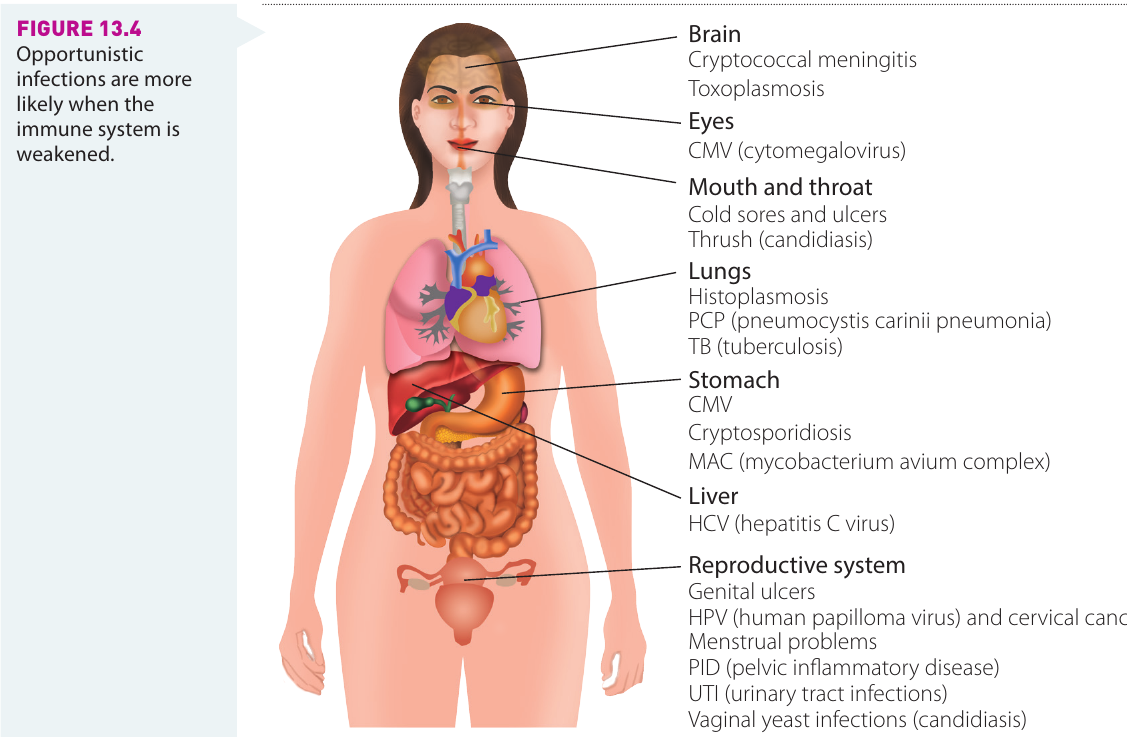
When the immune system is weakened, opportunistic infections become more likely. These are infections that healthy immune systems would typically prevent. The presence of opportunistic infections often indicates underlying immune system compromise.
Environmental and geographic factors
Certain environments increase the risk of infectious disease spread. Wherever pathogens can build large reservoirs in the environment, outbreak risk increases.
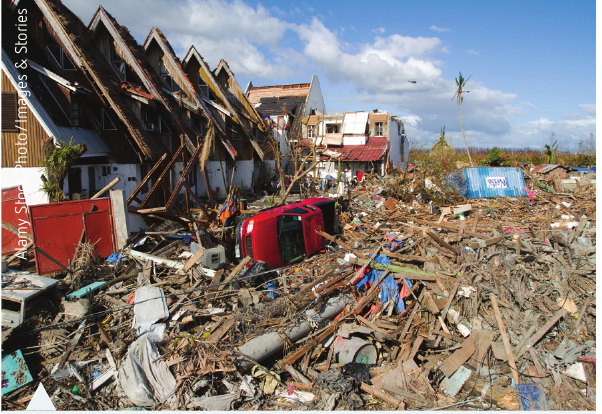
Natural disasters can severely impact disease control. Earthquakes, hurricanes, and volcanic eruptions may damage sanitation systems, leading to poor hygiene and increased cholera-causing bacteria in local waterways.
Note
After natural disasters, the breakdown of sanitation infrastructure creates ideal conditions for waterborne disease outbreaks. Emergency response must prioritize restoring clean water supplies and proper waste disposal.
Climate conditions affect pathogen survival and vector populations. Environmental conditions may favour pathogen preservation, particularly in countries affected by malaria. Mosquitoes require warm weather and water bodies to reproduce and transmit the malaria parasite.
Habitat destruction, such as large-scale rainforest clearing, may expose previously unknown pathogen reservoirs. This puts people using cleared land for housing and agriculture at risk from new diseases.
Societal factors
Several social and behavioural factors influence disease transmission in modern society.
Vaccination attitudes affect disease prevalence. In Australia, preventable diseases like chickenpox and measles are making a comeback, partly due to anti-vaccination campaigns influencing parental decisions.
Education levels impact public health decisions. Lack of education about epidemic factors can contribute to poor decision-making regarding disease prevention. Poverty and limited vaccine access affect disease control, particularly in remote communities.
Armed conflict and displacement create unprecedented population movements. In the early 21st century, large numbers of people are fleeing conflicts in Africa and the Middle East, travelling thousands of kilometres from home. These refugees face malnutrition, exposure to harsh conditions, and exhaustion, all reducing resistance to pathogens. In refugee camps, questionable food and water hygiene combined with overcrowding increases person-to-person transmission risk. The young and elderly are most vulnerable.
Important
Vulnerable Populations During Conflict
Refugee populations face multiple risk factors simultaneously: compromised nutrition, damaged immune systems from stress and trauma, overcrowded living conditions, and limited access to healthcare. This combination creates perfect conditions for disease outbreaks.
Genetic diversity in populations affects disease susceptibility. Isolated societies with small gene pools face greatest risk during outbreaks. Limited variation in innate immunity and absence of adaptive immunity can devastate small, isolated populations. When Aboriginal Australians first encountered European diseases like smallpox, many died due to lack of previous exposure.
International travel increases transmission likelihood. Air passengers on long flights share small spaces and air supplies with many people in close proximity, facilitating pathogen spread if any passengers are carriers.
Summary
Key Points to Remember:
-
Disease monitoring and control operates at three interconnected levels: local (neighbourhood to city), regional (large geographic areas), and global (worldwide).
-
Disease transmission is multifactorial, involving four main categories: pathogen factors, host factors, environmental/geographic factors, and societal factors. All these elements interact to determine outbreak risk.
-
Local factors critical for disease control include sanitation, overcrowding, infrastructure quality, animal husbandry practices, and cultural beliefs about health and medicine.
-
Host susceptibility varies greatly depending on immune system strength, presence of other illnesses, nutritional status, and medication use. A weakened immune system increases vulnerability to opportunistic infections.
-
Environmental disruptions such as natural disasters, climate patterns, and habitat destruction can dramatically increase disease transmission by creating favourable conditions for pathogens or their vectors, and by damaging sanitation infrastructure.