Properties of Common Inorganic Acids and Bases (HSC SSCE Chemistry): Revision Notes
📚Revision Notes
Properties of Common Inorganic Acids and Bases
Understanding acids and bases
Acids and bases are two important families of chemical substances. Each family can be identified by certain characteristic properties that all members share. These properties help us recognise whether a substance is an acid or a base.
Note
Understanding the properties of acids and bases is fundamental to chemistry, as these substances are involved in countless chemical reactions in nature, industry, and everyday life.
Common properties of acids
Acids share several distinctive properties that make them easily identifiable through simple tests:
Physical and chemical characteristics:
- Sour taste: Acids have a sharp, sour taste. However, you must never taste chemicals in a laboratory setting, as many acids are dangerous
- Electrical conductivity: Acids conduct electricity when dissolved in water, as they form ions in solution
- Effect on litmus paper: Acids turn blue litmus paper red. A helpful mnemonic to remember this is BAR (Blue in Acid goes Red)
Note
The ability of acids to conduct electricity is a key indicator that they contain mobile charged particles (ions) when in solution. This ionic nature is central to understanding how acids behave in chemical reactions.
Common properties of bases
Bases also have characteristic properties that distinguish them from acids and other substances:
Physical and chemical characteristics:
- Soapy or slippery feel: Bases feel slippery or soapy when touched in aqueous solution (though you should never deliberately touch laboratory chemicals)
- Bitter taste: Bases taste bitter, though again, you must never taste chemicals in the laboratory
- Electrical conductivity: Soluble bases conduct electricity in solution. Note that not all bases are soluble in water
- Effect on litmus paper: Bases turn red litmus paper blue, which is the opposite effect to acids
Note
The solubility of bases varies significantly. While some bases like sodium hydroxide are highly soluble in water, others like calcium hydroxide are only sparingly soluble. This affects their ability to conduct electricity in solution.
Natural indicators
What are indicators?
Acid-base indicators are substances that change colour depending on whether a solution is acidic or basic. These colour changes make indicators very useful for identifying the nature of unknown solutions.
Historical use of indicators:
The effects of acids and bases on vegetable dyes, particularly litmus, were originally used to classify substances as acidic or basic. Litmus can be extracted from various species of lichens, such as Parmelia sulcate.
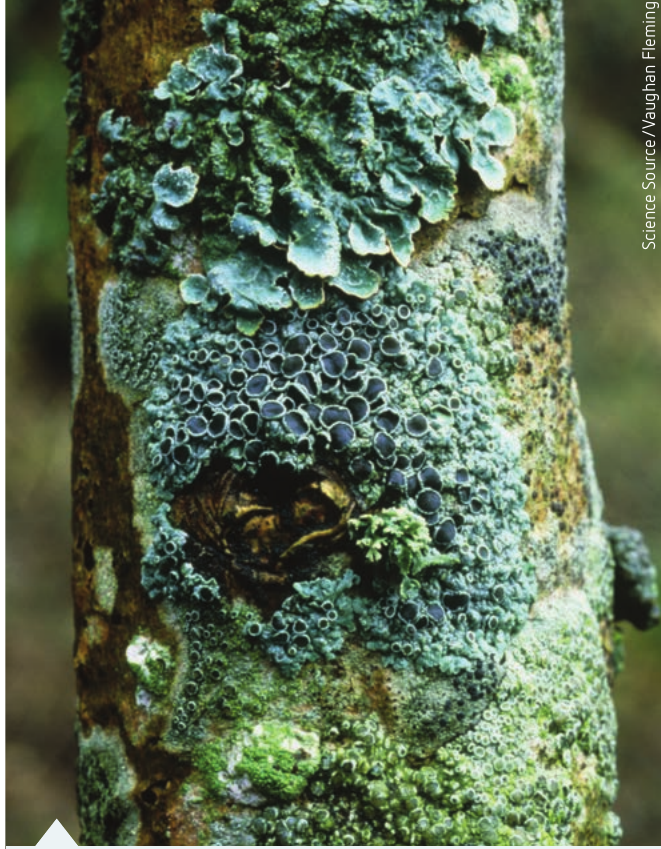
Sources of natural indicators:
Many plants contain dyes that function as acid-base indicators:
- Anthocyanins: A class of organic compounds found in red cabbage, red onion, blueberries, red grapes and violet leaves that change colour in the presence of acids and bases
- Other plant sources: Hydrangea, geranium, petunia, red rose petals and turmeric
These natural indicators can be prepared by extracting the coloured compounds from the plant material, making them accessible alternatives to synthetic indicators.
Chemical definitions of acids and bases
While practical tests help us identify acids and bases in the laboratory, chemists also define these substances based on their chemical composition and behaviour at the molecular level.
Important
Definition of an acid:
An acid is a substance that produces hydrogen ions () in aqueous solution. More precisely, the hydrogen ion attaches to a water molecule to form hydronium ions ().
Example
Example: Hydrochloric Acid Dissociation
Simple representation:
More accurate representation (showing hydronium ion formation):
Important
Definition of a base:
A base is a substance that either contains the oxide ion () or hydroxide ion (), or produces hydroxide ions in aqueous solution.
Example
Example: Base Dissociation and Reactions
Sodium hydroxide in solution:
When an oxide reacts with water:
Understanding amphoteric oxides
What makes an oxide acidic or basic?
Not all oxides behave the same way when they react with acids or bases:
- Acidic or neutral oxides: Most oxides formed between a non-metal and oxygen (such as or ) are acidic or neutral
- Basic oxides: Oxides formed between a metal and oxygen (such as or ) are typically basic
- Amphoteric oxides: Some oxides can act as both an acid and a base, depending on what they react with
Note
Common amphoteric oxides:
Oxides of beryllium, aluminium, zinc, tin and lead show amphoteric behaviour. This dual nature makes them particularly interesting in chemistry, as they can participate in reactions with both acids and bases.
Example
Example: Aluminium Oxide Showing Amphoteric Behaviour
Aluminium oxide () demonstrates amphoteric properties by reacting with both acids and bases:
When reacting with an acid (acting as a base):
When reacting with a base (acting as an acid):
The product in the second equation is sodium tetrahydroxyaluminate.
Safety considerations when handling acids and bases
Important
Laboratory Safety is Critical
When working with acids and bases in the laboratory, always follow these safety guidelines:
- Sodium hydroxide is caustic and can cause chemical burns
- Hydrochloric acid is corrosive and can damage skin and materials
- Always wear safety glasses and appropriate personal protective clothing
- Avoid contact with skin
- If chemicals are spilt on skin, immediately wash the affected area with plenty of water
Never underestimate the potential dangers of these chemicals, even in dilute solutions.
Summary
Key Points to Remember:
- Acids turn blue litmus red (BAR - Blue in Acid goes Red) and taste sour, while bases turn red litmus blue and feel soapy
- Both acids and bases conduct electricity when dissolved in water because they form ions
- Acids produce hydrogen ions ( or ) in solution, while bases contain or produce hydroxide ions ()
- Natural indicators from plants like red cabbage and litmus from lichens change colour in the presence of acids and bases
- Amphoteric oxides, such as aluminium oxide, can react as both acids and bases depending on the conditions