Synthetic Polymers (HSC SSCE Chemistry): Revision Notes
📚Revision Notes
Synthetic Polymers
Introduction to polymers in modern life
Polymers are found everywhere in our contemporary world. These versatile materials can occur naturally in living organisms or be manufactured synthetically in laboratories and factories. Natural polymers include familiar biological molecules such as:
- Carbohydrates (e.g., cellulose in plant cell walls)
- Proteins (e.g., silk fibres, wool, hair)
- DNA (genetic material)
- Natural rubber (from rubber trees)
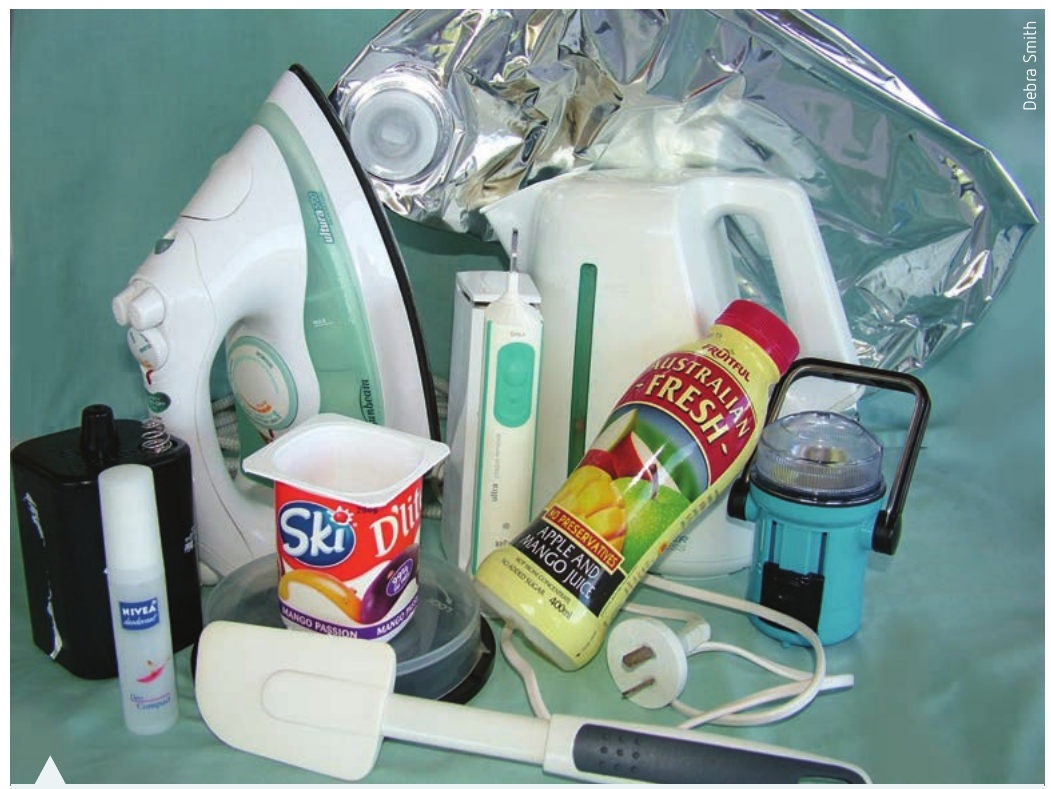
Synthetic polymers, commonly called plastics, have become essential to modern life. They appear in countless applications including packaging materials, adhesive products, clothing fibres, medical equipment, and electronic devices. The variety is so extensive that listing all uses would be nearly impossible.
Note
These manufactured materials have transformed numerous industries. In sports equipment, they have enabled lighter and stronger designs. In electronics, they have made possible major technological advances. The aviation sector has particularly benefited - polymer use has doubled over the past decade because these materials can be engineered to provide both strength and lightness, crucial properties for aircraft construction.
From early childhood, we are surrounded by plastic products: toys, storage containers, shopping bags, non-stick cookware coatings, chewing gum, and even synthetic fibres like Lycra in clothing. The widespread development and use of plastics is relatively recent, occurring mainly over the last 60-70 years. Many materials in electronics that you use today did not even exist a decade ago.
Consider the plastic items around you right now: pens, calculator cases, mobile phone housings, computer components, and DVD discs with their cases are all made primarily from plastic. A single pair of sports shoes typically contains six or more different types of plastic in the sole, padding, upper material, laces, and lace tips.
Understanding synthetic polymers
Polymers are very large molecules, also called macromolecules, which form when numerous smaller molecules join together through covalent chemical bonds. The small building-block molecules that link together are called monomers. The chemical process that connects monomers into long chains is known as polymerisation.
There are two principal types of polymerisation reactions that chemists use:
- Addition polymerisation - involves addition reactions between monomers
- Condensation polymerisation - involves condensation reactions between monomers
Important
Understanding the Distinction
It is important to understand the distinction between synthetic polymers and plastics. While all plastics are synthetic polymers, not all synthetic polymers qualify as plastics. The term "plastic" specifically refers to materials that are malleable and pliable - capable of being shaped and moulded when heated and placed under pressure. This property allows them to be formed into specific shapes during manufacturing.
Classification of synthetic polymers
Chemists classify synthetic polymers into two main categories based on how they respond to heating. This distinction has significant practical implications for recycling and product durability.
Thermoplastic polymers
Thermoplastic polymers become soft and pliable when heated. This property makes them highly suitable for recycling because they can be melted down and remoulded into new products without significant degradation. The polymer chains in thermoplastics can slide past each other when heated, allowing the material to flow and take new shapes.
Common examples of thermoplastic polymers include:
- Polyethylene - used in plastic bags and plastic wrap due to its flexibility
- Polyvinyl chloride (PVC) - found in garden hoses and plumbing pipes
- Polyethylene terephthalate (PET) - widely used for soft-drink bottles and food containers
Note
Recycling Advantage
The recyclability of thermoplastics represents a significant environmental advantage. Used thermoplastic items can be collected, melted, and reformed into new products, reducing waste and conserving resources.
Thermosetting polymers
Thermosetting polymers behave very differently when heated. Once formed, these materials do not soften or change shape when exposed to heat. This characteristic makes them difficult or impossible to recycle through conventional melting and remoulding processes.
The superior rigidity of thermosetting polymers results from strong cross-links between polymer chains. These cross-links form a rigid three-dimensional network structure that remains stable at high temperatures. Consequently, thermosetting polymers generally exhibit:
- Greater structural strength compared to thermoplastics
- Higher chemical resistance to solvents and corrosive substances
- Better durability for long-term applications
Examples of thermosetting polymers include:
- Polyurethane - used in insulating foams and cushioning materials
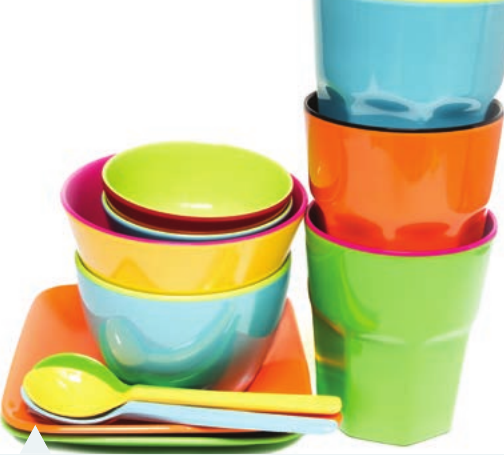
- Melamine - found in worktop surfaces and durable tableware
- Bakelite - an early plastic used in electrical insulators and vintage items
- Various materials used in crockery and heat-resistant cutlery
Important
Structural Differences
The differences in behaviour between thermoplastic and thermosetting polymers stem from their internal structure and the nature of bonding within the polymer chains. Understanding these differences helps explain why certain plastics are suitable for recycling whilst others are not.
Production of synthetic polymers from ethylene
Ethylene as the starting material
Ethylene (also called ethene, with the chemical formula ) represents the most widely used starting material for manufacturing synthetic polymers. This simple hydrocarbon molecule serves as the foundation for producing many common plastics that surround us daily.
Ethylene is obtained from crude oil (petroleum), a complex mixture of hydrocarbons that forms the basis of the petrochemical industry. To extract useful materials from crude oil, it must first undergo processing.
From crude oil to ethylene
The initial processing of crude oil involves fractional distillation, a separation technique that divides the mixture into various components (called fractions) based on their different boiling points. Different fractions contain hydrocarbon chains of different lengths.
However, fractional distillation alone does not produce enough of certain valuable products, particularly petrol and ethylene. To address this shortage, longer hydrocarbon chains from crude oil are broken down into smaller, more useful molecules through a process called cracking.
Cracking processes
Cracking involves breaking large hydrocarbon molecules into smaller ones. This process typically breaks long-chain alkanes (saturated hydrocarbons) into a mixture of smaller alkanes and alkenes (unsaturated hydrocarbons). The alkenes produced, particularly ethylene, become raw materials for polymer production.
There are two main methods for cracking hydrocarbons:
Catalytic cracking
This method employs special substances called catalysts to speed up the breaking of chemical bonds. The conditions required for catalytic cracking are:
- Temperature: Approximately 500°C
- Pressure: Moderate levels of about 4-20 atmospheres
- Catalyst: Special materials called zeolites (porous aluminosilicate minerals)
Note
The presence of a catalyst allows the cracking reaction to proceed at lower temperatures and pressures than would otherwise be necessary.
Thermal cracking
This alternative method relies solely on heat and pressure to break the chemical bonds, without using a catalyst. Because no catalyst assists the reaction, more extreme conditions are required:
- Temperature: Approximately 700°C
- Pressure: Very high levels, potentially up to 70 atmospheres
Note
The much higher temperature and pressure compensate for the absence of a catalyst.
Important
Comparing Cracking Methods
Catalytic cracking uses zeolite catalysts at about 500°C and 4-20 atmospheres, whilst thermal cracking requires higher conditions (about 700°C and up to 70 atmospheres) without a catalyst. The choice between these methods depends on the desired products and available facilities.
Chemical reactions in cracking
During the cracking process, long hydrocarbon chains split into smaller molecules. For example, pentadecane (a 15-carbon alkane) can be broken down:

Example
Worked Example: Cracking Reactions
Reaction 1: A long-chain alkane breaks into a shorter alkane and an alkene:
In this reaction, pentadecane splits into decane (a 10-carbon alkane) and pentene (a 5-carbon alkene).
Reaction 2: The alkene produced can undergo further cracking into smaller alkenes:
Here, pentene breaks down into ethene (ethylene) (with 2 carbons) and propene (with 3 carbons). Both of these smaller alkenes serve as valuable monomers for polymer production.
These cracking reactions demonstrate how the petrochemical industry converts the long hydrocarbon chains found in crude oil into the smaller molecules needed to manufacture synthetic polymers.
Environmental and practical challenges
Despite their tremendous utility and versatility, the widespread production and use of synthetic polymers presents significant challenges that society must address.
The disposal problem
Important
Challenge 1: Environmental Persistence
The first major challenge concerns what happens to plastic products after they have served their purpose. Many synthetic polymers are extremely durable and resist natural decomposition. When plastic items are discarded, they can persist in the environment for decades or even centuries, contributing to pollution in landfills, oceans, and other ecosystems.
Thermoplastic polymers offer some solution through recycling, but not all plastics are equally recyclable, and recycling rates remain relatively low in many regions. Thermosetting polymers present an even greater challenge because their structure prevents remoulding and conventional recycling.
Resource sustainability
Important
Challenge 2: Non-renewable Resources
The second major challenge relates to the source of raw materials. Currently, synthetic polymers depend on crude oil as their primary feedstock. Petroleum is a non-renewable fossil fuel resource that will eventually become depleted. As oil reserves diminish, the plastics industry will need to develop alternative sources for producing monomers like ethylene.
Research continues into sustainable alternatives, including bio-based polymers produced from renewable plant materials, but these technologies require further development before they can fully replace petroleum-based production.
These challenges highlight the need for ongoing innovation in polymer chemistry, improved recycling systems, and more sustainable approaches to polymer production and use.
Remember!
Summary
Key Points to Remember:
-
Polymers are very large molecules (macromolecules) formed when many small monomer molecules link together through covalent bonds in a process called polymerisation.
-
Thermoplastic polymers soften when heated and can be melted and remoulded, making them recyclable. Examples include polyethylene, PVC, and PET used in bottles, bags, and packaging.
-
Thermosetting polymers do not soften with heat and cannot be easily recycled due to their rigid cross-linked structure. Examples include melamine, polyurethane, and Bakelite used in durable items like worktops and electrical insulators.
-
Ethylene (ethene), obtained from crude oil through cracking processes, serves as the most important starting material for producing synthetic polymers.
-
Cracking breaks long hydrocarbon chains into smaller molecules. Catalytic cracking uses zeolite catalysts at about 500°C and 4-20 atmospheres, whilst thermal cracking requires higher conditions (about 700°C and up to 70 atmospheres) without a catalyst.
-
Two major challenges facing synthetic polymer use are managing plastic waste disposal and finding sustainable alternatives to crude oil as the raw material source.