Budgeting and Household Expenses (HSC SSCE Mathematics Standard): Revision Notes
📚Revision Notes
Running and Maintenance Costs
What are car running costs?
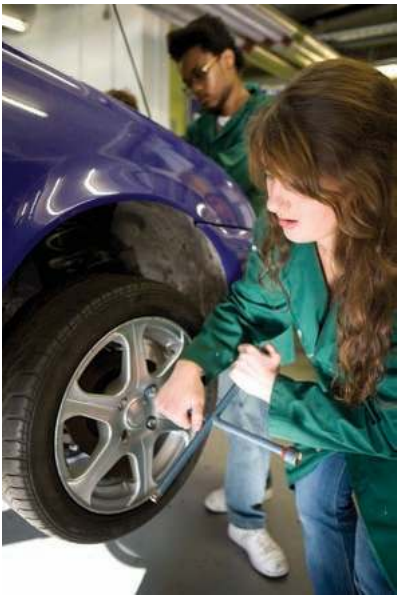
Running costs are the ongoing expenses you need to pay to keep a car on the road. These costs are often irregular and unpredictable, and they vary depending on the make, model, and age of your car. Unlike the purchase price of a car, running costs continue throughout the time you own the vehicle.
Note
Understanding your car's running costs helps you budget effectively and make informed decisions about vehicle ownership. These costs can add up significantly over time, sometimes exceeding the original purchase price of the car.
Types of car running costs
There are eight main types of car running costs:
Maintenance – Regular servicing and replacement of parts that wear out over time. This includes oil changes, tune-ups, new tyres, and brake replacements. Car parts need to be replaced after a certain period or after travelling a specific number of kilometres.
Repairs – Costs to fix damage from accidents, scratches, or dents. These costs are very unpredictable because you cannot plan for accidents.
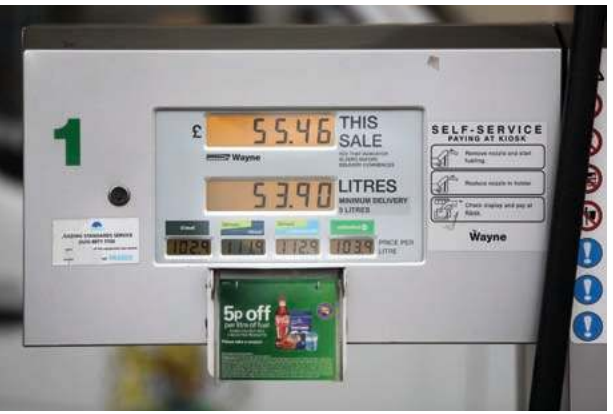
Fuel – The cost of petrol or diesel to run your car. This depends on how far you travel, the price of fuel, how efficient your car is, and your driving style.
Improvements – Optional items you buy to enhance your car, such as seat covers, new floor mats, or upgraded sound systems.
Parking – Money you pay to park your car. This can be very expensive in major cities where parking spaces are limited.
Tolls – Fees charged for using certain motorways or roads.
Car washes – The cost of keeping your car clean, whether at a car wash facility or buying products to wash it yourself.
Fines – Traffic penalties issued by police for breaking road rules, such as speeding tickets or parking fines.
Note
Key Concept: Car Running Costs
Car running costs involve eight main categories: maintenance, repairs, fuel, improvements, parking, tolls, car washes, and fines. Each category contributes differently to your total vehicle expenses, with fuel and maintenance typically being the largest regular costs.
Calculating maintenance costs
One important skill is working out how much maintenance items cost over time or distance. This helps you budget for these expenses and compare the long-term costs of different vehicles or parts.
Example
Worked Example: Cost of Tyre Wear
Julia travels km each year in her car. A set of tyres costs $640 and lasts about km. We can calculate the cost of tyre wear in two ways:
Part a: Cost per kilometre
Step 1: Write the cost as a fraction
Step 2: Calculate the cost per kilometre
Part b: Cost per year
Step 1: Work out how many years the tyres will last
Step 2: Divide the tyre cost by the number of years
Therefore, tyre wear costs $320 per year.
Important
Exam Tip: Make sure you match the units in your answer to what the question asks for. If asked for cost per kilometre, give your answer in dollars per kilometre. If asked for cost per year, give your answer in dollars per year.
Fuel consumption
Fuel is often one of the largest running costs for a car. Understanding fuel consumption helps you estimate how much you'll spend on fuel and compare the efficiency of different vehicles.
What is fuel consumption?
A vehicle's fuel consumption (or fuel consumption rate) is the number of litres of fuel it uses to travel kilometres. In Australia, this is expressed as L/100 km (litres per 100 kilometres). A lower fuel consumption number means the car is more efficient and costs less to run.
How to measure fuel consumption
To calculate fuel consumption, follow these steps:
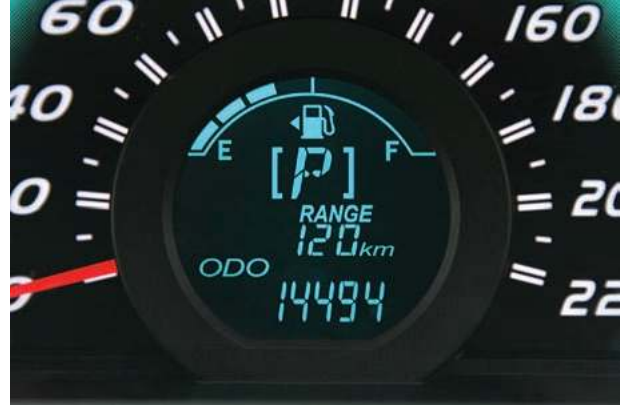
- Fill your vehicle with fuel and record the odometer reading (the kilometres shown on your dashboard)
- Drive your vehicle normally
- When you fill up again, record the new odometer reading and how many litres of fuel you put in
- Calculate the distance travelled by subtracting the first odometer reading from the second
- Use the formula to calculate fuel consumption
Note
Formula: Fuel Consumption
Remember: The multiplication by is essential because fuel consumption is measured per km, not per km.
Example
Worked Example: Calculating Fuel Consumption
A medium-size car travelled km using L of petrol. What was the fuel consumption?
Solution:
Step 1: Write the formula
Step 2: Substitute the values ( L of fuel and km travelled)
Step 3: Calculate
Answer: The fuel consumption is 8 L per 100 km.
Understanding the result: This means the car uses litres of fuel for every kilometres it travels. If petrol costs $1.50 per litre, the fuel cost would be 1.50 = per km.
Important
Exam Tip: Always multiply the amount of fuel by 100 in the formula. This is because fuel consumption is measured per km, not per km. Forgetting this step is a common mistake that will give you an incorrect answer.
Remember!
Summary
Key Points to Remember:
-
Car running costs include eight main types: maintenance, repairs, fuel, improvements, parking, tolls, car washes, and fines.
-
Maintenance costs can be calculated per kilometre or per year by dividing the total cost by distance or time.
-
Fuel consumption measures how many litres of fuel a vehicle uses per km. Use the formula:
-
Lower fuel consumption means better fuel efficiency and lower running costs.
-
When calculating costs, always make sure your units match what the question is asking for.