Speciation (VCE SSCE Biology): Revision Notes
📚Revision Notes
Speciation
Introduction
Speciation is the process by which populations genetically diverge until they become distinct species. This evolutionary process occurs gradually over many generations as genetic differences accumulate through mutations, natural selection, genetic drift, and gene flow. When these differences become substantial enough that populations can no longer successfully interbreed, a new species has formed.
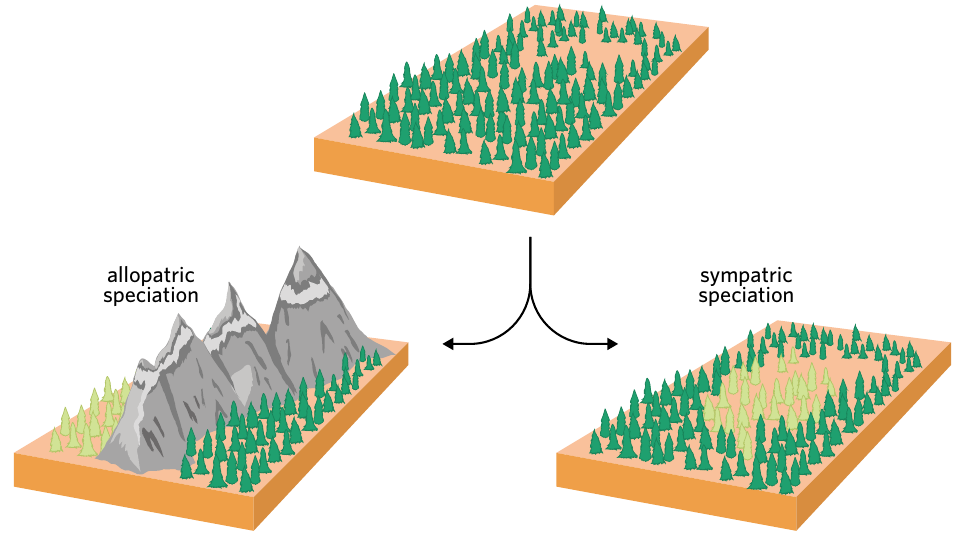
For VCE Biology, speciation is categorised into two main types: allopatric speciation and sympatric speciation. The key difference between these types lies in whether a geographic barrier separates the diverging populations.
Note
Key Distinction: Allopatric speciation requires populations to be in different places (separated by barriers), while sympatric speciation occurs in the same place (without geographic separation).
Understanding species
What is a species?
Species: a group of individuals who are able to breed with each other and produce viable and fertile offspring
This definition is central to understanding speciation. Two key terms are important here:
- Viable: able to survive
- Fertile: the ability to produce offspring
For organisms to be considered the same species, their offspring must not only survive but also be capable of reproducing themselves.
Important
Why Hybrids Aren't Separate Species
Hybrids like ligers (lion × tiger) and mules (donkey × horse) are not considered separate species. Whilst they are viable (can survive), they are infertile and cannot produce offspring of their own. This demonstrates why both viability AND fertility are essential for the species definition.
Other methods of identifying species
Besides reproductive capability, scientists can identify different species by:
- Comparing DNA sequences and amino acid sequences
- Analysing structural features and physical characteristics
Subspecies
Speciation is a slow and gradual process. During this process, subspecies can arise - these are populations that are phenotypically different from their original population but are still capable of interbreeding to produce viable and fertile offspring.
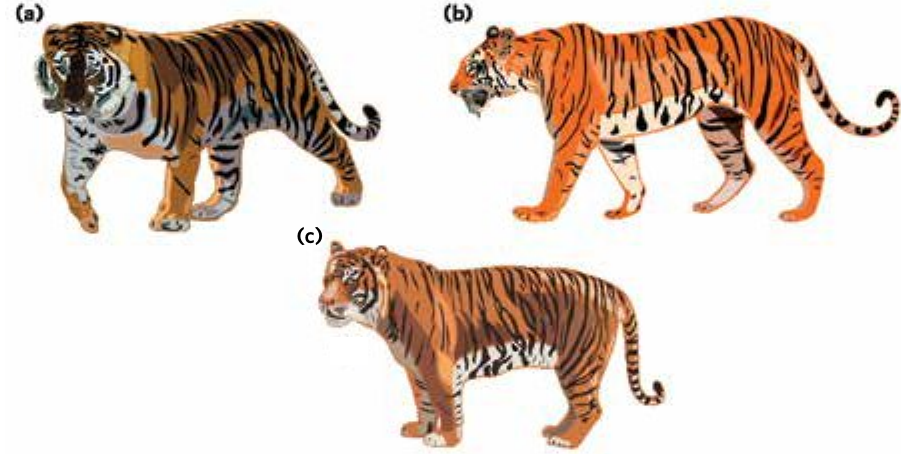
The three tiger subspecies shown above - Siberian tiger (Panthera tigris altaica), Sumatran tiger (Panthera tigris sumatrae), and Bengal tiger (Panthera tigris tigris) - demonstrate this concept. Whilst they look different and live in different regions, they can still successfully breed with each other, meaning they remain subspecies of the same species rather than distinct species.
Isolating mechanisms
For new species to form, populations must develop barriers that prevent successful interbreeding. These barriers are called isolating mechanisms and are categorised into two main types: pre-reproductive and post-reproductive barriers.
Note
Understanding the Timing: Pre-reproductive barriers stop reproduction BEFORE fertilisation occurs, while post-reproductive barriers prevent viable and fertile offspring AFTER fertilisation has taken place.
Pre-reproductive isolating mechanisms
Pre-reproductive barriers prevent mating or fertilisation from occurring in the first place. These mechanisms stop reproduction before a zygote can form:
| Mechanism | Explanation |
|---|---|
| Geographical isolation | Individuals cannot interact with each other due to separation by physical barriers such as mountains, rivers, or bodies of water |
| Ecological isolation | Individuals inhabit different ecological niches or habitats within the same area, so they do not encounter each other |
| Temporal isolation | The time of day or year when individuals are ready to breed differs between populations |
| Behavioural isolation | Mating behaviours vary between populations - for example, different mating calls or courtship rituals |
| Structural isolation | Physical characteristics of individuals vary drastically, physically preventing mating or reproduction |
Post-reproductive isolating mechanisms
Post-reproductive barriers operate after fertilisation has occurred. They prevent the production of viable and fertile offspring:
| Mechanism | Explanation |
|---|---|
| Gamete mortality | The sperm is unable to penetrate the ovum for fertilisation to occur |
| Zygote mortality | Fertilisation occurs and a zygote forms, however, it does not survive to develop further |
| Hybrid sterility | A viable offspring is produced and survives to adulthood, but is infertile and cannot reproduce |
Understanding these mechanisms helps explain why some closely related species cannot produce offspring together, or why their offspring (like mules) cannot reproduce themselves.
Allopatric speciation
Key concept
Allopatric speciation: the geographic separation of a population from a parent population resulting in the formation of a new species
The term "allopatric" comes from "allo" (different) and "patric" (place), reflecting that this type of speciation occurs when populations are in different geographic locations.
Geographic barrier: a physical factor that prevents gene flow, and thereby stops two populations from breeding together
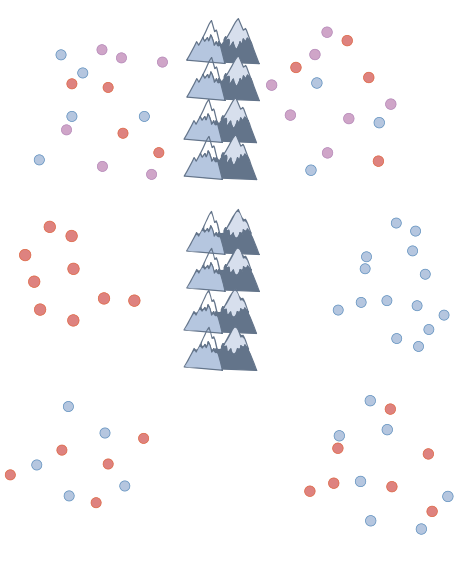
The process of allopatric speciation
Allopatric speciation follows a clear sequence of events:
1. Geographic separation occurs
A physical barrier separates a population into two or more isolated groups. These barriers can include:
- Mountain ranges
- Rivers or bodies of water
- Valleys or canyons
- Deserts or other inhospitable terrain
This barrier prevents gene flow (the movement of alleles between populations through interbreeding), meaning the separated populations can no longer exchange genetic material.
2. Different selection pressures act on each population
Once separated, the isolated populations typically experience different environmental conditions and selection pressures. These different environments favour different phenotypes in each population. Through natural selection, genetic drift, and the accumulation of different mutations, the populations begin to diverge genetically.
3. Speciation occurs
Eventually, sufficient genetic differences accumulate between the populations. At this point, even if the geographic barrier were removed, the populations could no longer interbreed to produce viable and fertile offspring. A new species has formed.
Example
Exam Tip: Answering Allopatric Speciation Questions
When answering questions about allopatric speciation, structure your answer using the GES framework:
-
G - Geographic barrier: Identify the physical barrier that isolated the population and prevented gene flow
-
E - Environment/selection pressures: Explain how different selection pressures favoured different phenotypes, allowing genetic differences to accumulate
-
S - Speciation: State that once sufficient genetic differences accumulated, the populations could no longer interbreed to produce viable and fertile offspring, forming new species
Example: Galápagos finches
The Galápagos Islands provide one of the most famous examples of allopatric speciation. This archipelago consists of 19 islands in the Pacific Ocean, located west of Ecuador. Each island represents a specific ecological niche with its own environmental conditions and selection pressures.
Ecological niche: the specific environmental conditions and resources or selection pressures within a particular environment
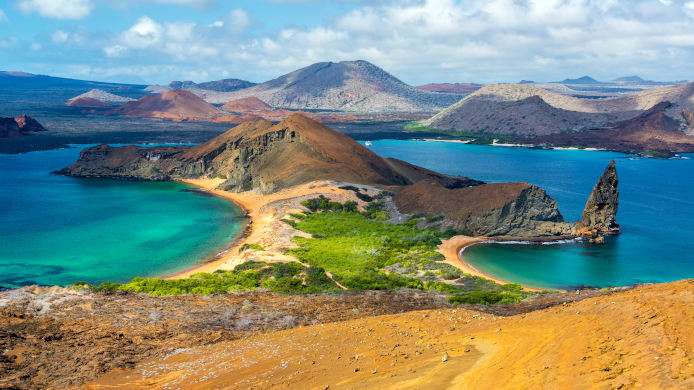
The ocean serves as a geographic barrier between the islands, preventing gene flow between finch populations on different islands. Currently, there are 18 known species of Galápagos finches (also called Darwin's finches), with different species showing remarkable variation in beak shape and size.
Beak adaptations in Galápagos finches
Different food sources on different islands created different selection pressures, leading to the evolution of different beak shapes:
| Species | Beak shape | Food source adaptation |
|---|---|---|
| Cactus finch (Geospiza scandens) | Thin and elongated | Adapted for extracting cactus seeds from cacti without contacting the protective spikes on the cactus surface |
| Large-ground finch (Geospiza magnirostris) | Thick and short | Provides significant force to crack open hard woody nuts and extract the nutritious interior |
| Medium-ground finch (Geospiza fortis) | Moderate width and short | Suited for eating soft seeds, but lacks the force to break open harder seeds |
Example
Worked Example: How Allopatric Speciation Occurred in Galápagos Finches
Step 1 - Geographic isolation: The ocean separated finch populations on different islands, preventing gene flow between them.
Step 2 - Different selection pressures: Each island had different food sources available. Islands with abundant cacti favoured finches with thin, elongated beaks. Islands with hard nuts favoured finches with thick, powerful beaks. These different selection pressures drove the accumulation of genetic differences.
Step 3 - Speciation: Over many generations, sufficient genetic differences accumulated that populations on different islands could no longer successfully interbreed to produce viable and fertile offspring, resulting in the formation of new species.

Sympatric speciation
Key concept
Sympatric speciation: the divergence of a species from an original species without the presence of a geographical barrier
The term "sympatric" comes from "sym" (same) and "patric" (place), indicating that this type of speciation occurs when populations share the same geographic location. This contrasts with allopatric speciation, where physical separation is essential.
How sympatric speciation occurs
Sympatric speciation can occur through two main mechanisms:
1. Polyploidy (chromosome number changes)
Polyploidy: when an organism contains additional sets of chromosomes in its genome
Sympatric speciation commonly arises from genetic abnormalities during gamete formation. Errors during meiosis can produce polyploid variants - offspring with different numbers of chromosome sets compared to their parents.
For example:
- A normal diploid (2n) organism produces haploid (n) gametes
- If an error occurs during meiosis, diploid (2n) gametes may be produced instead
- When two diploid gametes (2n) fuse during fertilisation, a tetraploid (4n) organism results
- If this tetraploid organism can produce viable and fertile offspring, it is considered a new species
Important
Polyploidy in Plants vs Animals
Whilst chromosome number changes in humans and animals typically result in embryo death, plants are generally tolerant to changes in chromosome sets. Therefore, sympatric speciation through polyploidy is almost exclusively observed in plants.
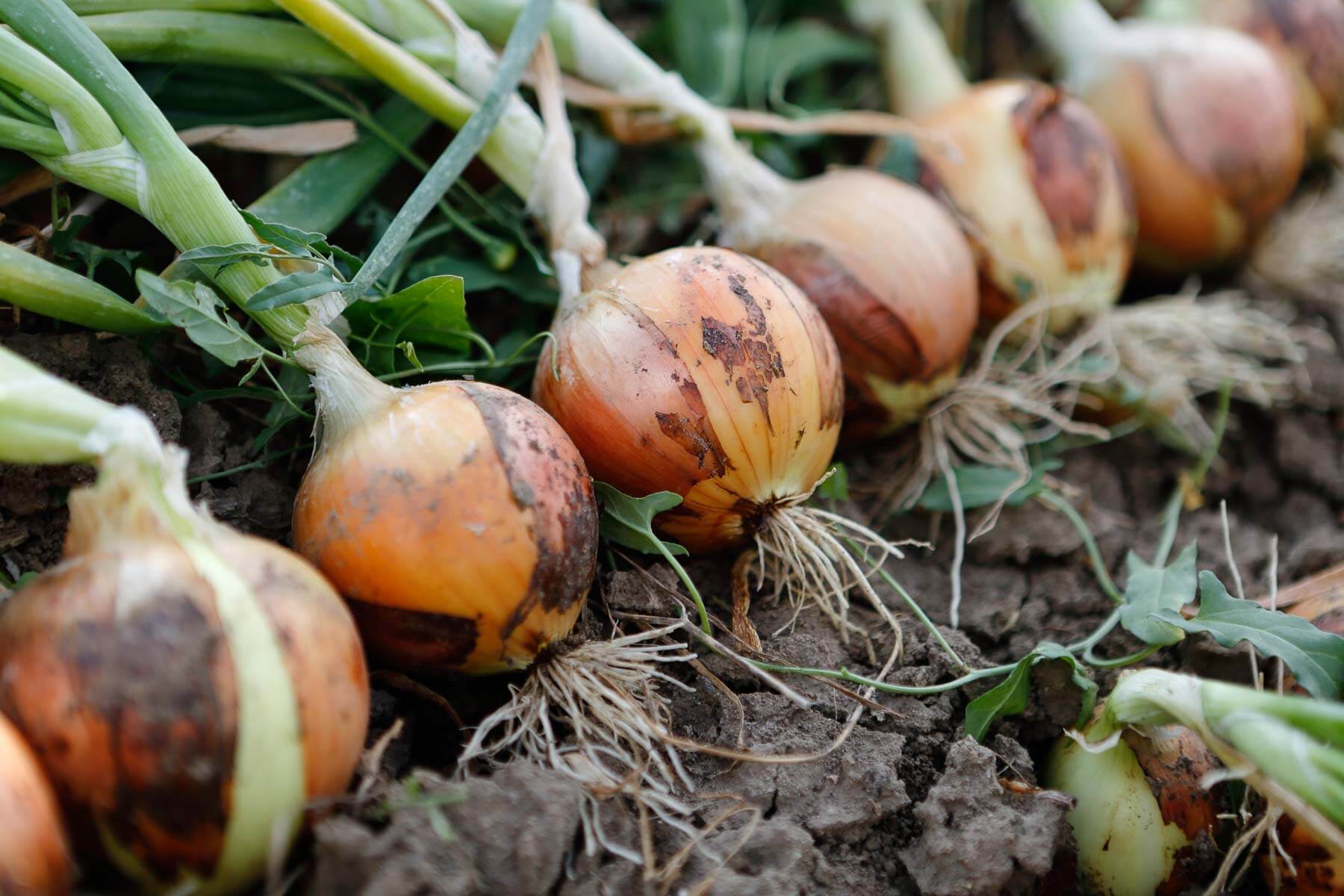

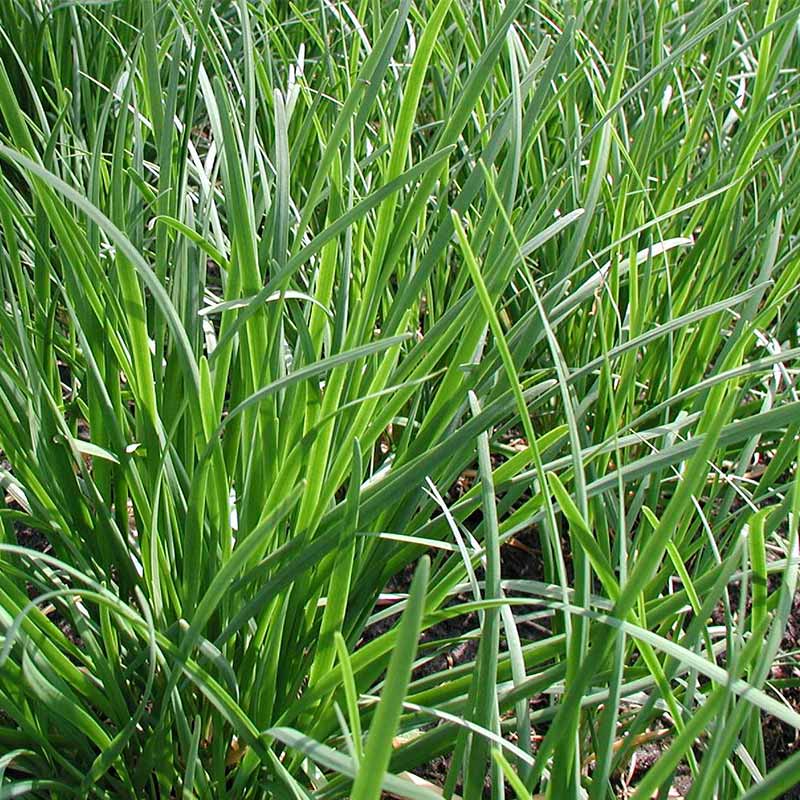
These Allium species demonstrate polyploidy in plants. Garden onions (Allium cepa) are diploid (2n), keeled garlic (Allium carinatum) are triploid (3n), and Chinese chives (Allium tuberosum) are tetraploid (4n).
2. Different selection pressures in the same location
Sympatric speciation can also occur when different selection pressures act on different phenotypes within a population sharing the same geographic area. This causes individuals with certain phenotypes to diverge from others, eventually forming a new species without geographic separation.
Example: Howea palms on Lord Howe Island
Lord Howe Island is a small Australian island in the Tasman Sea, 580 km off the eastern coast of Australia. This island provides one of the most conclusive examples of sympatric speciation, demonstrated by the Howea palm species.

Two Howea palm species of particular interest are Howea forsteriana and Howea belmoreana. Given the relatively small size of Lord Howe Island, it is unlikely these palms were ever geographically isolated from one another, supporting the conclusion that speciation occurred sympatrically.

Example
Worked Example: How Sympatric Speciation Occurred in Howea Palms
Step 1 - Soil pH differences created selection pressure: Researchers hypothesised that differences in soil pH served as the catalyst for speciation. Howea belmoreana inhabits neutral and acidic soils (low pH), whilst Howea forsteriana inhabits a region of alkaline soil (high pH) called calcarenite.
Step 2 - Physiological differences developed: After the initial population colonised the alkaline soil, which acted as a selection pressure, physiological differences began to develop between populations on different soil types.
Step 3 - Reproductive isolation through flowering time: Changes in flowering times served as a reproductive isolation mechanism. The two populations began flowering at different times, preventing them from interbreeding.
Step 4 - Speciation occurred: Over several generations, as genetic differences continued to accumulate, a new species formed when the populations could no longer interbreed to produce viable and fertile offspring.
Note
Ongoing Research
Whilst the evidence supporting sympatric speciation in Howea palms is significant, some aspects require further investigation. For example, there are different hypotheses about the sequence of events. Some researchers suggest that differences in flowering time may have arisen after the speciation event rather than before it, highlighting that our understanding of speciation processes continues to evolve.
Comparing allopatric and sympatric speciation
The key distinction between allopatric and sympatric speciation is the role of geographic barriers:
| Feature | Allopatric speciation | Sympatric speciation |
|---|---|---|
| Geographic separation | Populations are separated by a physical barrier (mountain, river, ocean, etc.) | Populations share the same geographic location |
| Gene flow | Geographic barrier prevents gene flow between populations | Different mechanisms (polyploidy, temporal isolation, etc.) prevent gene flow despite shared location |
| Selection pressures | Different environments typically create different selection pressures | Different selection pressures can exist within the same environment (e.g., different soil types) |
| Common in | All organism types | Polyploidy-based sympatric speciation is nearly exclusive to plants |
| VCE example | Galápagos finches on separate islands | Howea palms on Lord Howe Island |
Both types of speciation ultimately depend on the same outcome: populations must accumulate sufficient genetic differences that they can no longer interbreed to produce viable and fertile offspring.
The role of mutations and natural selection
Both allopatric and sympatric speciation rely on fundamental evolutionary processes:
- Mutations introduce new alleles and create variation in populations
- Natural selection favours advantageous phenotypes in response to environmental selection pressures
- These processes enable differences in physiology, behaviour, and morphology to arise
- Over time, these differences accumulate until reproductive isolation occurs
Summary
Key Points to Remember:
-
Species are defined as groups that can interbreed to produce viable (able to survive) and fertile (able to reproduce) offspring
-
Speciation is the gradual process by which populations diverge genetically until they become distinct species
-
Allopatric speciation requires geographic barriers that prevent gene flow, allowing populations to diverge due to different selection pressures in different environments (example: Galápagos finches on separate islands)
-
Sympatric speciation occurs without geographic barriers, through mechanisms like polyploidy in plants or different selection pressures within the same location (example: Howea palms on Lord Howe Island)
-
Isolating mechanisms prevent successful reproduction and can be pre-reproductive (preventing mating/fertilisation) or post-reproductive (preventing viable/fertile offspring)
-
Both types of speciation depend on the accumulation of genetic differences through mutations, natural selection, genetic drift, and differences in gene flow until populations can no longer successfully interbreed
-
Remember the memory aids: Allopatric = "different place" and Sympatric = "same place"; use the GES framework (Geographic barrier → Environment/selection pressures → Speciation) for allopatric speciation questions