Technological Developments in Marketing (VCE SSCE Business Management): Revision Notes
📚Revision Notes
Technological Developments in Marketing
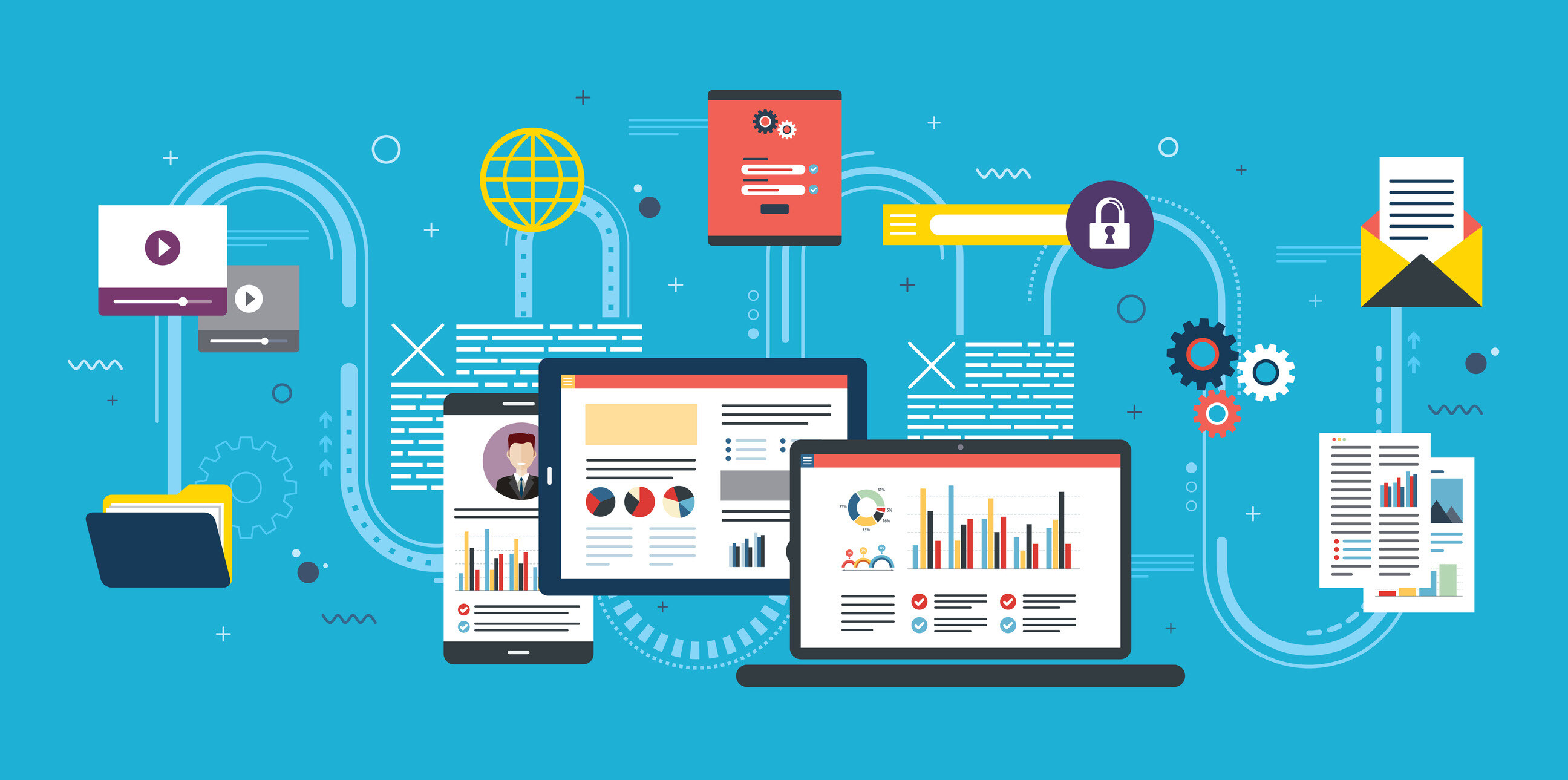
Technology has fundamentally transformed how businesses approach marketing. Modern technological advances enable businesses of all sizes to create targeted, personalised marketing strategies that were previously impossible. This transformation allows marketers to reach the right customers, at the right time, with the right message.
How technology has transformed marketing
Technology has changed marketing by helping businesses develop more sophisticated and personalised campaigns. These technological tools provide deeper insights into consumer behaviour, enabling businesses to forecast purchasing decisions more accurately. As a result, marketers can improve customer satisfaction, increase sales revenue, and build stronger brand loyalty.
The key technological developments affecting marketing today include social media platforms, email marketing systems, search engine optimisation, artificial intelligence, and data analytics tools. Each of these developments offers unique opportunities for businesses to connect with their target markets.
Note
The integration of multiple technological tools creates a powerful marketing ecosystem where each component reinforces the others. For example, data analytics informs social media targeting, which in turn generates more data for analysis.
Social media
Social media refers to forms of electronic communication through which users create online communities to share information, ideas, personal messages and other content, such as videos. When businesses use social media for marketing, they tailor content to specific platforms to communicate messages effectively to users.
Marketers use social media to achieve various objectives, including increasing sales, raising brand awareness, improving brand image, and enhancing customer engagement. The interactive nature of social media allows businesses to build relationships with customers and receive immediate feedback.
Major social media platforms
Different social media platforms serve different purposes and attract different audiences. Businesses must carefully select which platforms align with their target market and marketing objectives.
Important
Don't spread your resources too thin by trying to be active on every platform. Focus on the platforms where your target audience is most active and engaged. Quality presence on fewer platforms is more effective than minimal presence across many.
Facebook offers extensive advertising and marketing options. Businesses can create dedicated business pages containing their name, category, and contact information. The platform supports diverse content types including videos, images, and text posts. Facebook also provides comprehensive analytical data, allowing businesses to evaluate marketing performance effectively. This makes it particularly useful for businesses targeting a broad demographic range.
Instagram focuses primarily on visual content. Users can upload pictures and enhance them using built-in filters, and the platform supports short video content. Instagram is particularly valuable for businesses that can showcase their products visually. The platform also allows collaboration with influencers who share the same target market, making it effective for reaching specific audience segments.
YouTube is a Google-owned video platform ideal for demonstrations, tutorials, promotions, and video blogs. Businesses can cross-promote YouTube content through their websites, emails, and newsletters. Video content on YouTube remains accessible long-term, providing ongoing marketing value.
Note
YouTube's searchability through Google gives video content additional visibility beyond the platform itself, making it a valuable tool for SEO strategy.
LinkedIn operates as a professional social network. Businesses can use LinkedIn to drive traffic to their websites, blog posts, and advertising campaigns. It's particularly effective for B2B marketing and reaching professional audiences.
Twitter functions as a news and communication channel where businesses can directly contact customers. Social listening tools, such as Sprout Social, enable businesses to track brand mentions and customer sentiment. Businesses can build social capital (the resources available through networks and relationships) by retweeting popular and relevant content. Using relevant hashtags improves content visibility, whilst Twitter-exclusive deals can reward and engage followers.
Snapchat targets teenage demographics who share videos and pictures. The platform's ephemeral content creates urgency and authenticity in marketing messages.
TikTok appeals primarily to younger users, with 41% of users aged between 16 and 24. The platform's short-form video format encourages creative, engaging content that can rapidly reach large audiences.
Benefits of social media marketing
Social media marketing has become essential for modern businesses. It provides brand visibility, voice, and engagement opportunities at a lower cost than traditional marketing methods. However, businesses must strategically select which platforms best suit their needs and target audience rather than attempting to maintain presence on every platform.
Email marketing
Email marketing combines direct marketing and digital marketing by using email to promote products and services. This channel is particularly effective for building customer relationships and maintaining engagement. Businesses use email marketing to inform customers about new products, special offers, and company updates. Email campaigns can also direct customers to social media pages or blogs, creating an integrated marketing approach.
Developing an email marketing list
When building an email marketing list, businesses must follow important guidelines to maintain effectiveness and legal compliance:
Creating your own lists: Businesses should ask customers during purchases whether they'd like to join the email list. It's essential to assure customers that their personal information remains confidential and secure. Offering benefits such as exclusive discounts can encourage sign-ups.
Important
Legal Compliance is Essential
Businesses must understand and comply with privacy requirements and regulations regarding customer data collection and storage. Failure to comply can result in significant fines and damage to brand reputation. Key regulations include GDPR in Europe and CAN-SPAM in the United States.
Avoiding email overload: Sending too many emails can frustrate customers and damage relationships. Instead, businesses should send relevant, engaging emails that provide value. This approach helps establish customer loyalty and maintains positive brand perception.
Email marketing remains powerful because it provides direct access to customers' inboxes, allowing personalised communication that can be measured and refined based on response rates.
Search engine optimisation
Search engine optimisation (SEO) involves practices designed to improve both the appearance and positioning of webpages in organic (unpaid) search results. When users search for information, the search engine results page (SERP) displays unpaid listings determined to be most relevant to the user's query.
How search engines work
Search engines such as Google and Bing use crawlers (also called bots or spiders) to gather information about internet content. A crawler starts from a known webpage, following internal links within that website and external links to other websites. The content on these pages, combined with the context of followed links, helps the crawler understand each page's subject matter and its relationship to other pages.
Note
Think of crawlers as diligent librarians who continuously explore the internet, cataloguing every page they find and noting how pages connect to each other. This information helps search engines understand not just what's on a page, but how important and trustworthy it is.
This information is stored in the search engine's database, called an index. When users type or speak a query into a search box, the search engine uses complex algorithms to find and retrieve the most accurate and useful results from the index. Results might include web pages, news articles, images, videos, or business listings.
Maintaining high search rankings
Search engine algorithms continuously evolve to reflect changing user behaviour and advances in technology. For businesses to maintain high SERP rankings and attract quality user traffic, they must implement marketing strategies that recognise consumer priorities and changing trends.
Factors affecting search rankings include:
- Content relevance
- Website quality
- User experience
- Number and quality of links from other websites
Businesses that understand and respond to these factors can improve their visibility in search results, leading to increased website traffic and potential sales.
Artificial intelligence
Artificial intelligence (AI) combines computer science with expert systems and access to robust databases to assist with problem-solving. In digital marketing, AI makes it easier to forecast consumer behaviour and purchasing decisions.
Applications of AI in marketing
Marketers using AI platforms can gain sophisticated and comprehensive knowledge of their target markets. These insights help determine which strategies will enhance customer satisfaction and increase sales revenue.
Personalisation: AI can tailor emails and sales communications to specific target markets based on their behaviour and preferences. The technology analyses customer data to determine optimal contact times and creates content and subject lines that generate the most clicks.
Note
AI personalisation goes beyond simply inserting a customer's name into an email. It can analyse thousands of data points to predict what products a customer might want, when they're most likely to make a purchase, and what type of messaging will resonate with them.
Customer assistance: AI-powered chatbots help potential customers find what they're seeking through web searches, assisting in converting queries into purchasing decisions. These chatbots provide immediate responses, improving customer experience.
Social media targeting: Social media platforms use AI extensively to promote material based on users' searches and viewing habits. This targeted approach ensures users see content relevant to their interests, whilst businesses reach potentially interested customers.
Data analytics
Data analytics involves examining raw, unstructured data to make predictions, find trends, answer questions, and draw conclusions. Specialised software, such as Customer Relationship Management (CRM) systems, helps businesses gain insights into customers' purchasing history.
Using historical marketing data
Historical marketing data (often called "big data") provides valuable insights that help marketers plan strategies to personalise and engage customers. By understanding past purchasing patterns, businesses can predict future behaviour and create targeted offers.
Important
Customers represent one of the most valuable assets for any company—they transform a company into a recognisable brand. If businesses fail to meet customer expectations, they risk losing market share and experiencing business decline.
Data collection and analysis
Data analytics extends beyond purchase history to examine how customers interact with all aspects of a business, including brands, websites, products, and services. Common sources for data collection include:
- Websites
- CRM systems
- Call centres
- Marketing automation systems
- Billing systems
These sources are called "touch points"—places where businesses interact with customers. Data is collected to obtain a complete picture of each customer and identify the most effective ways to attract them. The ability to target the right market at the right time represents one of marketing's most valuable skills.
Predictive analytics
Using predictive analytics tools, businesses can identify which marketing channels (such as social media, email marketing, and advertising) will provide the best results for customer engagement and response rates.
Email marketing optimisation: Big data helps determine which email subject lines attract customers, the optimal timing for campaigns, and which personalised content generates more clicks and conversions.
Influencer identification: Big data can identify influencers and the communities they operate within. Developing relationships with influential individuals becomes a powerful marketing tool, particularly when their recommendations align with the business's brand values.
Real-world example: Amazon's use of data analytics
Amazon demonstrates sophisticated use of big data for targeted marketing. As a leading e-commerce platform offering services like Amazon Pay, Amazon Pantry, and Amazon Web Services (AWS), Amazon collects enormous amounts of customer data daily.
Example
Real-World Application: Amazon's Data-Driven Success
Amazon's approach to data analytics provides a masterclass in leveraging customer information for business growth:
Alexa voice recognition: Virtual assistants such as Echo and Echo Show collect audio recordings that are uploaded to Amazon's servers and stored in the cloud. Customers concerned about privacy can arrange for recordings to be deleted.
Personalised recommendation system: This system uses a comprehensive collaborative filtering engine that analyses purchasing patterns from previous purchases, shopping cart items, wish lists, and product reviews. The system then recommends additional products that other customers purchased when buying similar items. This suggestion-based approach encourages impulse purchases and generates approximately 35% of Amazon's annual sales.
One-click ordering: This patented Amazon feature allows customers to complete purchases quickly. Once an order is placed with a shipping address and payment method, customers have 30 minutes to modify their purchase before it's automatically processed.
Amazon uses these insights to:
- Improve supply chain efficiency by selecting warehouses closest to customers, reducing shipping costs
- Manage product pricing dynamically based on website activity, competitors' pricing, product availability, and desired profit margins
- Screen purchases and returns to identify fraudulent patterns
- Encourage larger orders through strategic product recommendations
Management of data
Data comes from numerous sources and exists in two main forms: structured and unstructured.
Structured data
Structured data is highly organised information that has been indexed, uploaded into databases, and made searchable through operations or algorithms. This data comes from:
- Point-of-sale transactions
- E-commerce or online purchases
- Behavioural transactions such as clickstream data (tracking which pages users visit)
Structured data is easier to analyse because of its organised format and clear categorisation.
Unstructured data
Unstructured data is typically people-generated and often language-based. It reveals more about people's opinions, emotions, and relationships with products. Sources include:
- Email content
- Audio and video files
- Blog posts
- Social media posts on Twitter, Facebook, Instagram, and other platforms
Unstructured data provides rich qualitative insights but requires more sophisticated analysis techniques.
Note
While structured data tells you what customers did (e.g., they purchased a product), unstructured data often reveals why they did it (e.g., social media posts expressing enthusiasm about a feature). Both types of data are valuable for creating a complete picture of customer behaviour.
Transforming data into actionable knowledge
Both structured and unstructured data must be transformed and managed to become actionable knowledge for marketers. Two common techniques are used:
Data mining: This technique reviews large amounts of data searching for consistent patterns or relationships. One approach establishes patterns through association—for example, identifying that customers frequently purchase bread and milk together because they're pantry staples. Another approach classifies customers by defining attributes based on age, income, and location. (This explains why businesses often request your postcode at purchase.)
Text mining: This technique uses technology to analyse numerous documents, locating key concepts, phrases, or word usage patterns. Text mining can:
- Identify and classify key elements using predefined categories, such as people's names, locations, or company names
- Identify and categorise opinions within text to determine writers' reactions to topics
- Analyse sentiment across large volumes of customer feedback
Importance of data management
Ongoing data management is essential for businesses seeking to increase market share. For data to become useful information supporting marketing decisions, it must be timely and accurate. Outdated or inaccurate data leads to poor marketing decisions, wasted resources, and missed opportunities.
Important
Data Quality is Critical
Poor data quality can be more harmful than having no data at all. Decisions based on inaccurate information can lead businesses down the wrong path, wasting resources and potentially damaging customer relationships. Regular data audits and quality checks are essential.
Effective data management requires:
- Regular updating of customer information
- Verification of data accuracy
- Secure storage compliant with privacy regulations
- Systems that make data accessible to authorised users
- Integration of data from multiple sources for comprehensive analysis
Remember!
Summary
Key Points to Remember:
-
Technology has transformed marketing by enabling more targeted and personalised strategies that help businesses connect with customers more effectively.
-
Social media platforms each serve different purposes—businesses must select platforms that align with their target audience rather than attempting presence on every platform.
-
Email marketing remains powerful for direct customer communication, but success requires building lists properly, maintaining legal compliance, and avoiding email overload.
-
SEO helps businesses improve visibility in search engine results through understanding how crawlers, indexes, and algorithms work together to rank webpages.
-
Artificial intelligence enables prediction of consumer behaviour, personalisation of marketing messages, and automation of customer service through chatbots.
-
Data analytics transforms raw data into insights that help businesses understand customer behaviour, optimise marketing channels, and personalise customer engagement.
-
Effective data management requires understanding the difference between structured and unstructured data, using appropriate mining techniques, and ensuring data remains timely and accurate.