Reactions of Acids and Bases (VCE SSCE Chemistry): Revision Notes
📚Revision Notes
Reactions of Acids and Bases
Acids and bases were originally grouped together because of their similar chemical behaviour. They react readily with many different chemicals, and understanding these reaction patterns helps us predict what products will form.
In this topic, you will learn about three main types of acid-base reactions and how to represent them using ionic equations.
General reactions of acids and bases
While acids and bases can react in many ways, we can categorise their reactions based on what they react with and what products form. The three main reaction types you need to know are reactions of acids with:
- metal hydroxides
- metal carbonates and hydrogen carbonates
- reactive metals
Note
Understanding these three reaction patterns is fundamental to predicting the products of acid-base reactions. Each reaction type produces a characteristic set of products that can help you identify which reaction is occurring.
Acids and metal hydroxides
When acids react with metal hydroxides, a neutralisation reaction occurs. These reactions produce two products: a salt and water.
Understanding neutralisation
Soluble metal hydroxides (such as , , and ) dissociate in water to form metal cations and hydroxide ions ((aq)). The hydroxide ions from the base react with the hydrogen ions ((aq)) from the acid to form water molecules.
The general equation for this reaction is:
What is a salt?
A salt is an ionic compound that consists of:
- The positive ion (cation) from the base
- The negative ion (anion) from the acid
Example
Worked Example: Neutralisation Reaction
When sulfuric acid reacts with sodium hydroxide, the products are sodium sulfate (the salt) and water:
In this reaction:
- The cation () comes from the base (sodium hydroxide)
- The anion () comes from the acid (sulfuric acid)
- These combine to form the salt sodium sulfate ()
Common salts from neutralisation reactions
The table below shows some common neutralisation reactions and the salts they produce:
| Reactants (acid + metal hydroxide) | Name of salt formed | Formulas of ions present in the salt solution |
|---|---|---|
| hydrochloric acid + potassium hydroxide | potassium chloride | |
| hydrochloric acid + magnesium hydroxide | magnesium chloride | |
| nitric acid + sodium hydroxide | sodium nitrate | |
| sulfuric acid + zinc hydroxide | zinc sulfate | |
| phosphoric acid + potassium hydroxide | potassium phosphate | |
| ethanoic acid + calcium hydroxide | calcium ethanoate |
Representing neutralisation with ionic equations
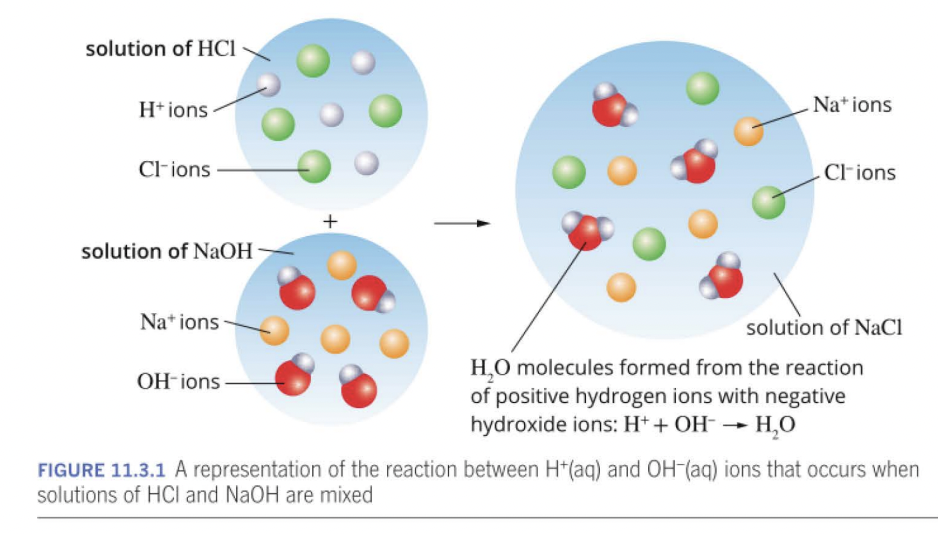
When we write ionic equations, we show only the ions that actually participate in the reaction. Ions that remain unchanged are called spectator ions and are omitted from the ionic equation.
The diagram below shows what happens at the ionic level when hydrochloric acid and sodium hydroxide solutions are mixed:
Important
In neutralisation reactions, the hydrogen ions from the acid react with the hydroxide ions from the base to form water molecules. The sodium and chloride ions remain in solution as spectator ions - they don't participate in the actual reaction.
Writing ionic equations step-by-step
Here's how to write an ionic equation for the reaction between hydrochloric acid and sodium hydroxide:
1. General reaction
Thinking: What is the general reaction? Identify the products formed.
Working: acid + metal hydroxide → salt + water
A solution of sodium chloride and water is formed.
2. Identify reactants and products (with states)
Thinking: Identify the reactants and products. Indicate the state of each, i.e. (aq), (s), (l) or (g).
Working:
Reactants:
- HCl(aq) is ionised in solution, forming H⁺(aq) and Cl⁻(aq)
- NaOH(aq) is dissociated in solution, forming Na⁺(aq) and OH⁻(aq)
Products:
- Sodium chloride is dissociated and exists as Na⁺(aq) and Cl⁻(aq)
- Water is a molecular compound and its formula is H₂O(l)
3. Write full ionic equation
Thinking: Write the equation showing all reactants and products, in ionised form where possible. (There is no need to balance the equation yet.)
Working:
4. Identify spectator ions
Thinking: Identify the spectator ions: the ions that have an (aq) state, both as a reactant and as a product.
Working: Na⁺(aq) and Cl⁻(aq)
5. Write net ionic equation
Thinking: Rewrite the equation without the spectator ions. Balance the equation with respect to atoms and charge.
Working:
Note: If hydronium ions are used instead of H⁺:
The final ionic equation is:
Alternatively, if we represent hydrogen ions as hydronium ions:
Practical applications of neutralisation
Neutralisation reactions are used in everyday situations to reduce the effects of acids or bases.
Treating insect bites and stings:
Methanoic acid () is released from the stings of ants, bees and nettles. If affected skin is rinsed with a dilute solution of ammonia (a weak base), the acid becomes neutralised and is no longer painful. In contrast, wasp venom is alkaline, so it can be neutralised by rinsing with vinegar (ethanoic acid).
Toothpaste:
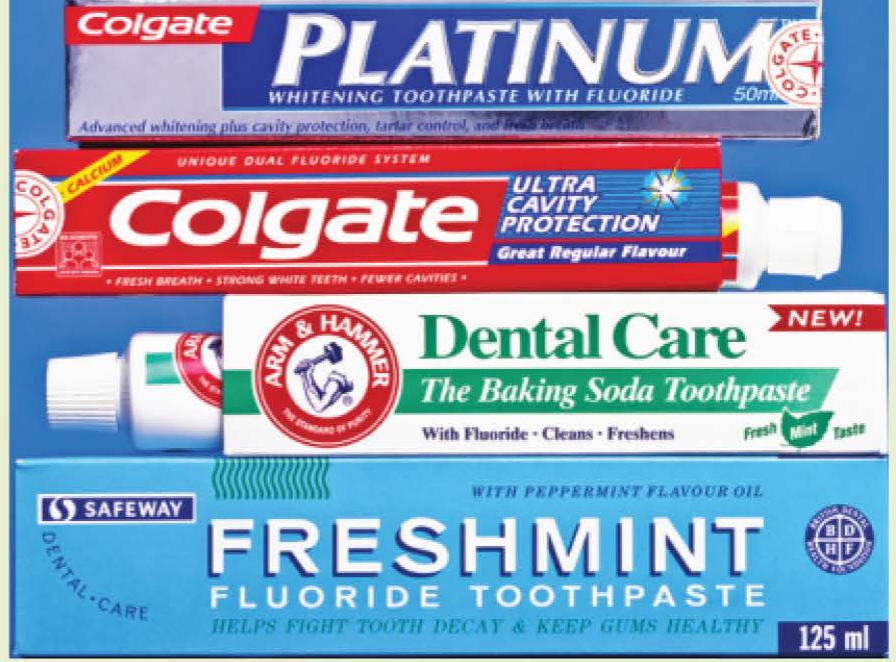
Bacteria on tooth enamel feed on sugars in food and produce acids as waste products. These acids attack the enamel, leading to tooth decay. Toothpastes are formulated as weak bases to neutralise these food acids and protect teeth.
Note
Exam tip: When treating bites or stings, we use weak acids and weak bases (like ammonia or vinegar) rather than strong ones (like sodium hydroxide or hydrochloric acid) to avoid causing chemical burns.
Acids and metal carbonates
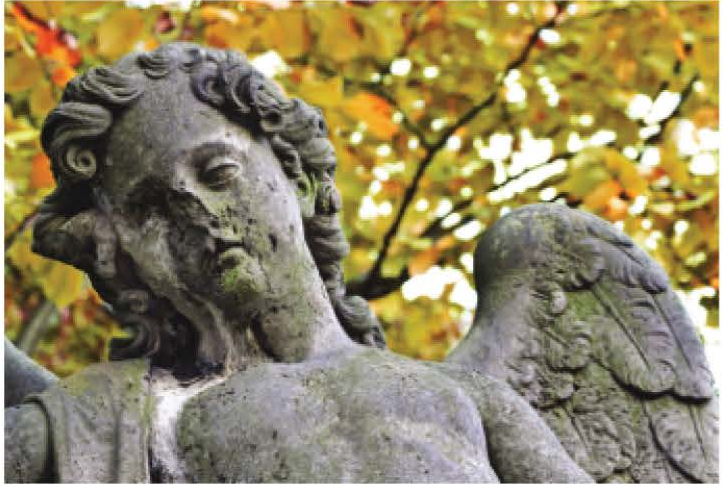
When acids react with metal carbonates or metal hydrogen carbonates, they produce three products: a salt, water, and carbon dioxide gas. This type of reaction is responsible for the weathering of limestone buildings and statues.
Reactions with metal carbonates
Metal carbonates include compounds like sodium carbonate (), magnesium carbonate (), and calcium carbonate ().
The general equation for these reactions is:
Example
Worked Example: Acid-Carbonate Reaction
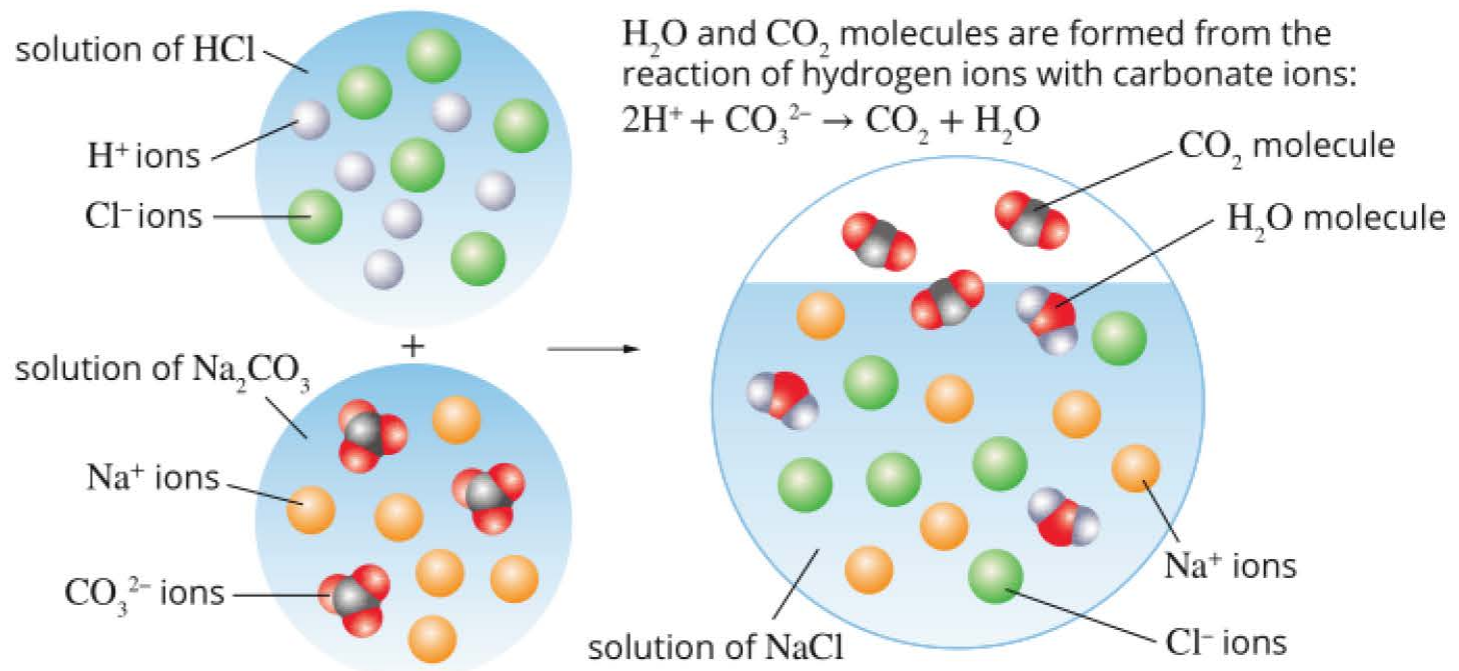
When hydrochloric acid reacts with sodium carbonate:
Products formed:
- Salt: sodium chloride ()
- Water:
- Carbon dioxide gas: (causes fizzing/bubbling)
The diagram below shows this reaction at the ionic level:
Reactions with metal hydrogen carbonates
Metal hydrogen carbonates (also called bicarbonates) include sodium hydrogen carbonate (), potassium hydrogen carbonate (), and calcium hydrogen carbonate (). These also react with acids to produce carbon dioxide, salt, and water.
The general equation is:
For example:
Writing ionic equations for carbonate reactions
The process for writing ionic equations is the same as for neutralisation reactions. Here's an example for the reaction between nitric acid and magnesium carbonate:
1. General reaction
Thinking: What is the general reaction? Identify the products.
Working: acid + metal carbonate → salt + water + carbon dioxide
Products of this reaction are magnesium nitrate in solution, water and carbon dioxide gas.
2. Identify reactants and products (with states)
Thinking: Identify the reactants and products. Indicate the state of each, i.e. (aq), (s), (l) or (g).
Working:
Reactants:
- Nitric acid is ionised in solution, forming H⁺(aq) and NO₃⁻(aq) ions
- Magnesium carbonate is an ionic solid, MgCO₃(s)
Products:
- Magnesium nitrate is dissociated into Mg²⁺(aq) and NO₃⁻(aq) ions
- Water has the formula H₂O(l)
- Carbon dioxide has the formula CO₂(g)
3. Write full ionic equation
Thinking: Write the equation showing all reactants and products. (There is no need to balance the equation yet.)
Working:
4. Identify spectator ions
Thinking: Identify the spectator ions.
Working: NO₃⁻(aq)
5. Write net ionic equation and balance
Thinking: Rewrite the equation without the spectator ions. Balance the equation with respect to atoms and charge.
Working:
Unbalanced:
Balanced:
Note: If hydronium ions are used instead of H⁺:
The final balanced ionic equation is:
Or using hydronium ions:
Practical applications
Bicarbonate of soda in baking:
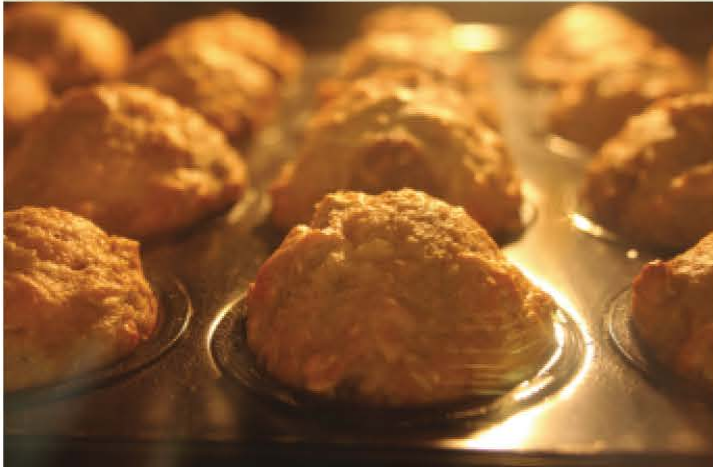
Self-raising flour contains tartaric acid and sodium hydrogen carbonate (bicarbonate of soda). When heated in the oven, these react to produce carbon dioxide gas, which causes cakes and muffins to rise.
Antacids:
Excess hydrochloric acid in the stomach can cause indigestion, heartburn, and upset stomach. Antacids contain bases that neutralise this excess acid. Common antacids include:
- Calcium carbonate and sodium hydrogen carbonate (quick-acting)
- Aluminium hydroxide and magnesium hydroxide (slower acting)
Important
While antacids are effective, they should not be used for long periods due to possible side effects.
Testing for carbonate salts:
You can detect carbonate salts by adding an acid to an unknown sample. If carbon dioxide is produced, the sample contains carbonate.
The limewater test confirms the presence of carbon dioxide. Limewater is a saturated solution of calcium hydroxide (). When carbon dioxide is bubbled through limewater, it turns milky or cloudy due to the precipitation of calcium carbonate:
Acids and reactive metals
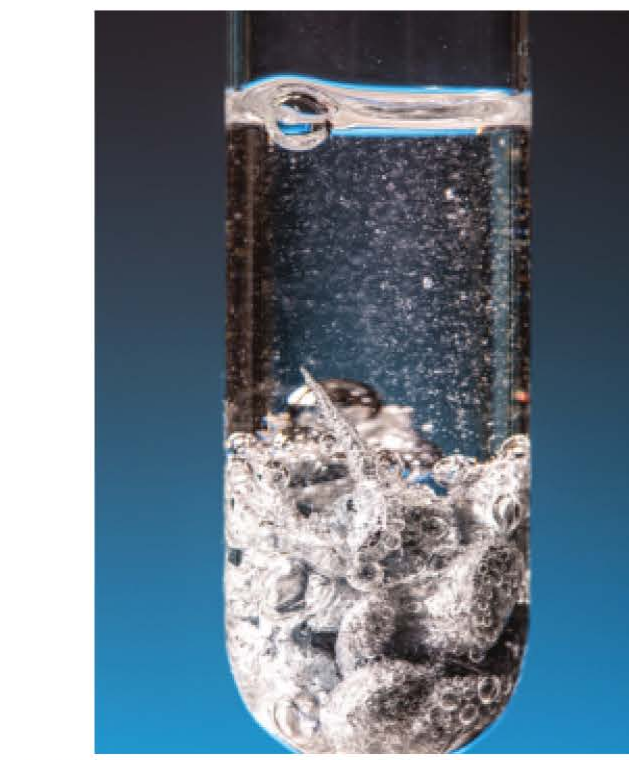
When dilute acids are added to reactive metals, bubbles of hydrogen gas are released and a salt is formed.
Understanding the reaction
The general equation for this reaction is:
Reactive metals include calcium, magnesium, iron, and zinc. Copper, silver, and gold do not react with dilute acids.
Example
Worked Example: Acid-Metal Reaction
When dilute hydrochloric acid reacts with zinc metal:
Products formed:
- Salt: zinc chloride ()
- Hydrogen gas: (visible as bubbles)
The vigorous bubbling you observe is the hydrogen gas being produced.
Writing ionic equations for metal reactions
Here's the step-by-step process for writing the ionic equation for hydrochloric acid reacting with zinc:
1. General reaction
Thinking:
What is the general reaction? Identify the products formed.
Working:
acid + reactive metal → salt + hydrogen
Hydrogen gas and zinc chloride solution are produced.
2. Identify reactants and products (with states)
Thinking:
Identify the reactants and products. Indicate the state of each, i.e. (aq), (s), (l) or (g).
Working:
Reactants:
- Zinc is a solid, Zn(s)
- Hydrochloric acid is ionised, forming H⁺(aq) and Cl⁻(aq) ions
Products:
- Hydrogen gas, H₂(g)
- Zinc chloride is dissociated into Zn²⁺(aq) and Cl⁻(aq) ions
3. Write full ionic equation
Thinking:
Write the equation showing all reactants and products.
(There is no need to balance the equation yet.)
Working:
4. Identify spectator ions
Thinking:
Identify the spectator ions.
Working:
Cl⁻(aq)
5. Write net ionic equation and balance
Thinking:
Rewrite the equation without the spectator ions.
Working:
The final balanced ionic equation is:
Note
Key observation: The vigorous bubbling you see when acids react with metals is the hydrogen gas being produced. This is a characteristic sign of this type of reaction and can be used to identify reactive metals.
Remember!
Summary
Key Points to Remember:
-
Neutralisation reactions occur between acids and metal hydroxides, producing a salt and water. The ionic equation is:
-
Acids reacting with metal carbonates or metal hydrogen carbonates produce a salt, water, and carbon dioxide gas.
-
Acids reacting with reactive metals (such as zinc, magnesium, iron, and calcium) produce a salt and hydrogen gas. Copper, silver, and gold do not react with dilute acids.
-
A salt is an ionic compound consisting of the positive ion from the base and the negative ion from the acid.
-
Spectator ions are ions that remain unchanged during a reaction. They are not shown in ionic equations.
-
Practical applications include using antacids to neutralise stomach acid, using toothpaste to neutralise food acids, treating insect bites and stings, and using bicarbonate of soda in baking.