Types of Fuels (VCE SSCE Chemistry): Revision Notes
📚Revision Notes
Types of Fuels
What is a fuel?
A fuel is a substance that contains stored energy that can be released relatively easily for use as heat or power. All chemicals contain stored energy, but what makes a fuel special is how readily this energy can be accessed.
Note
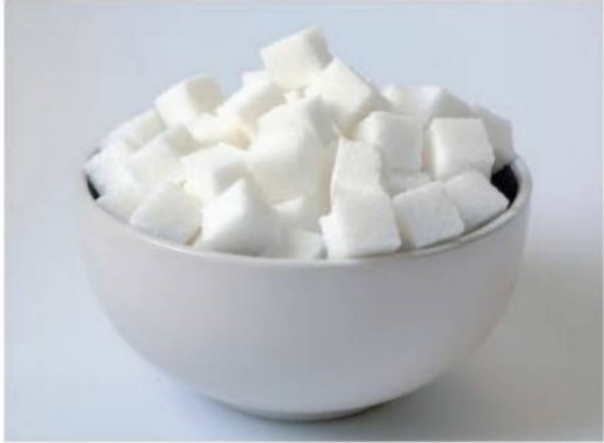
Sugar is a common example of a fuel. A single cube of table sugar (sucrose) provides your body with about of energy, which represents approximately 1% of your daily energy needs. When sugar is burnt, this stored chemical energy is released as heat.
Burning of sucrose releases enough energy to melt more than 5 kg of ice and then boil all the resulting liquid water.
While sugars fuel your body, we use different fuels for heating homes, powering vehicles, and generating electricity. These include wood, coal, oil, natural gas, LPG, ethanol, and petrol.

The need for fuels
The use of fuels can be examined at three different levels:
- Local level: For example, choosing which type of petrol to use in your car
- National level: For example, determining whether Australia's energy use is sustainable
- Global level: For example, assessing whether fossil fuel use contributes to climate change
Note
These levels are interconnected. Individual choices have regional and global effects, while government policies influence which fuels we use and how we use them.
Energy use in Australia
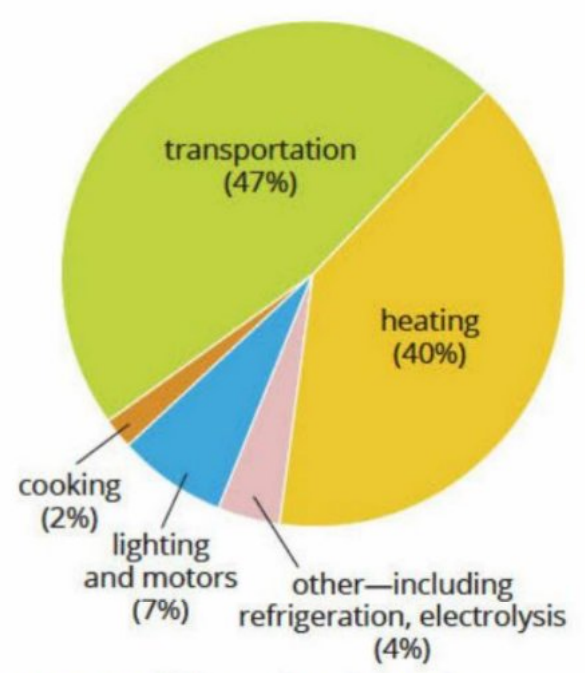
World energy consumption is approximately joules per year. Australia consumes about 1% of the world's energy, though our per-person consumption is among the highest globally.
Current and future energy sources
In Australia and worldwide, most energy for heating, electricity generation, and transport comes from fossil fuels. In 2021:
- Approximately 70% of Australian electricity came from fossil fuels
- About 50% from coal
- Remainder from natural gas and oil
- Approximately 30% came from renewable sources
- 6% from hydroelectricity
- 24% from wind, biofuels, and solar energy
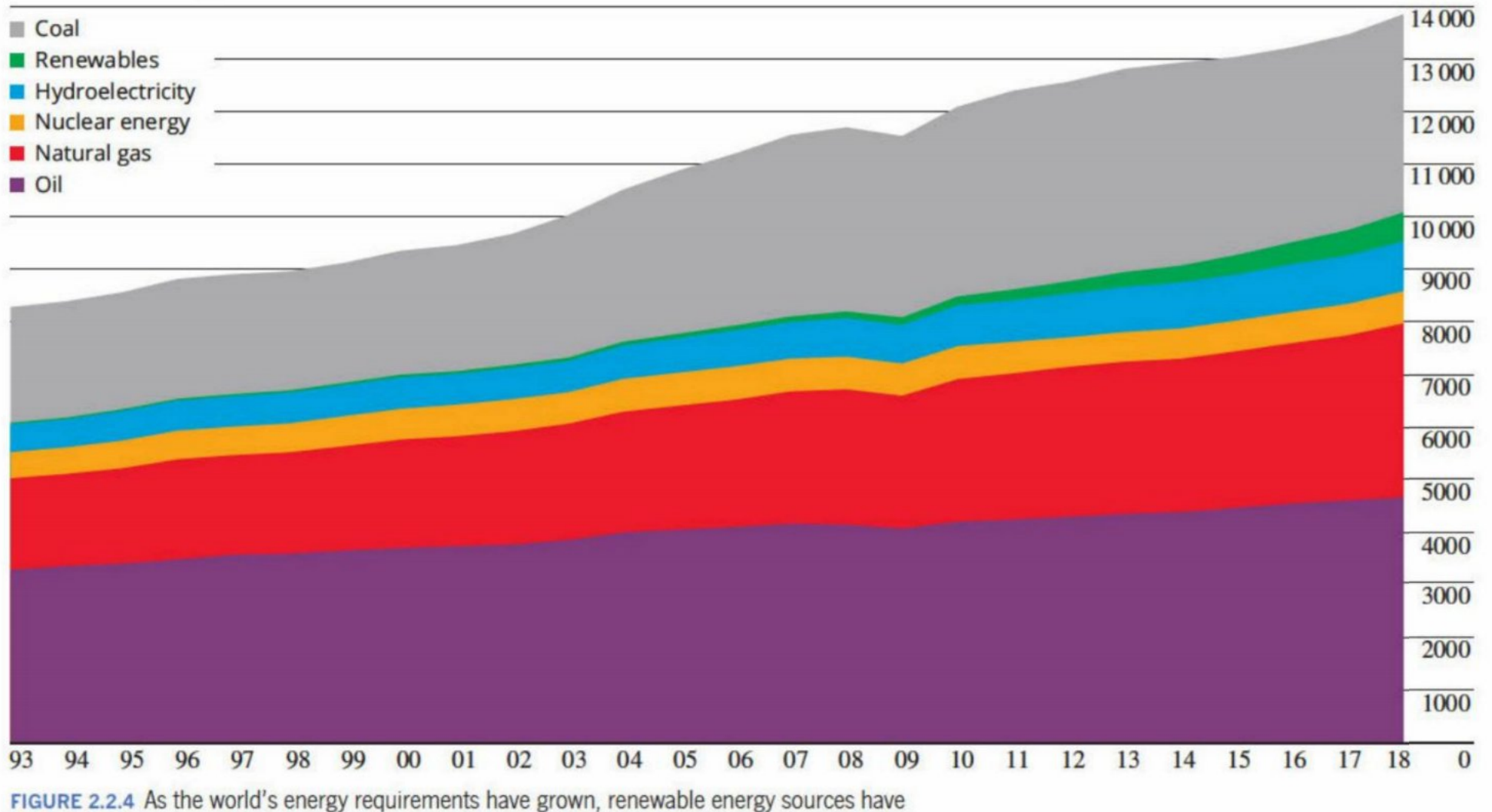
World energy supply is changing rapidly. For most of the 20th century, energy consumption grew exponentially, with coal and oil industries expanding to meet demand. However, we now recognise that:
- Fossil fuel reserves are finite and could eventually be exhausted
- Emissions from fossil fuels threaten climate stability
Important
This has led to considerable interest in developing alternative energy sources. Replacement fuels need to be reliable, sustainable, and cost-effective.
Fossil fuels
Fossil fuels are naturally occurring fuels (coal, oil, or gas) formed in the geological past from the remains of living organisms. They are non-renewable resources because they are consumed much faster than they can be replaced.
Formation of fossil fuels
Coal, oil, and natural gas formed from ancient plants, animals, and microorganisms. Buried under massive layers of mud, sand, and rock, this biological material underwent complex chemical changes over millions of years.
The organic matter still retains some of the chemical energy that plants originally captured through photosynthesis. This means the chemical energy in fossil fuels is essentially trapped solar energy. The photosynthesis reaction that originally captured this energy is:
Important
Because fossil fuel formation takes millions of years, these fuels are considered non-renewable. Once current reserves are used, they will not be replaced in the foreseeable future.
Coal
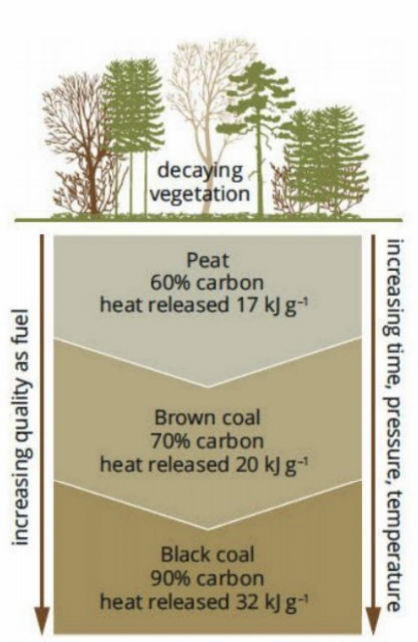
As wood and other plant material converts into coal, the carbon content increases while the proportion of hydrogen and oxygen decreases. The transformation progresses through several stages:
Example
Coal Formation Stages and Energy Content
The stages of coal formation show increasing carbon content and energy release:
- Peat: 60% carbon content, releases when burnt
- Brown coal: 70% carbon content, releases when burnt
- Black coal: 90% carbon content, releases when burnt
Note: Coal is a mixture of large molecules containing carbon, hydrogen, nitrogen, sulfur, and other elements.
Electricity from coal
Chemical energy from coal is released through combustion. The thermal energy from this process can be converted into electrical energy at power stations. This approach is more practical than transporting coal to every home and business.
The combustion reaction for coal is:
This reaction releases about of energy.
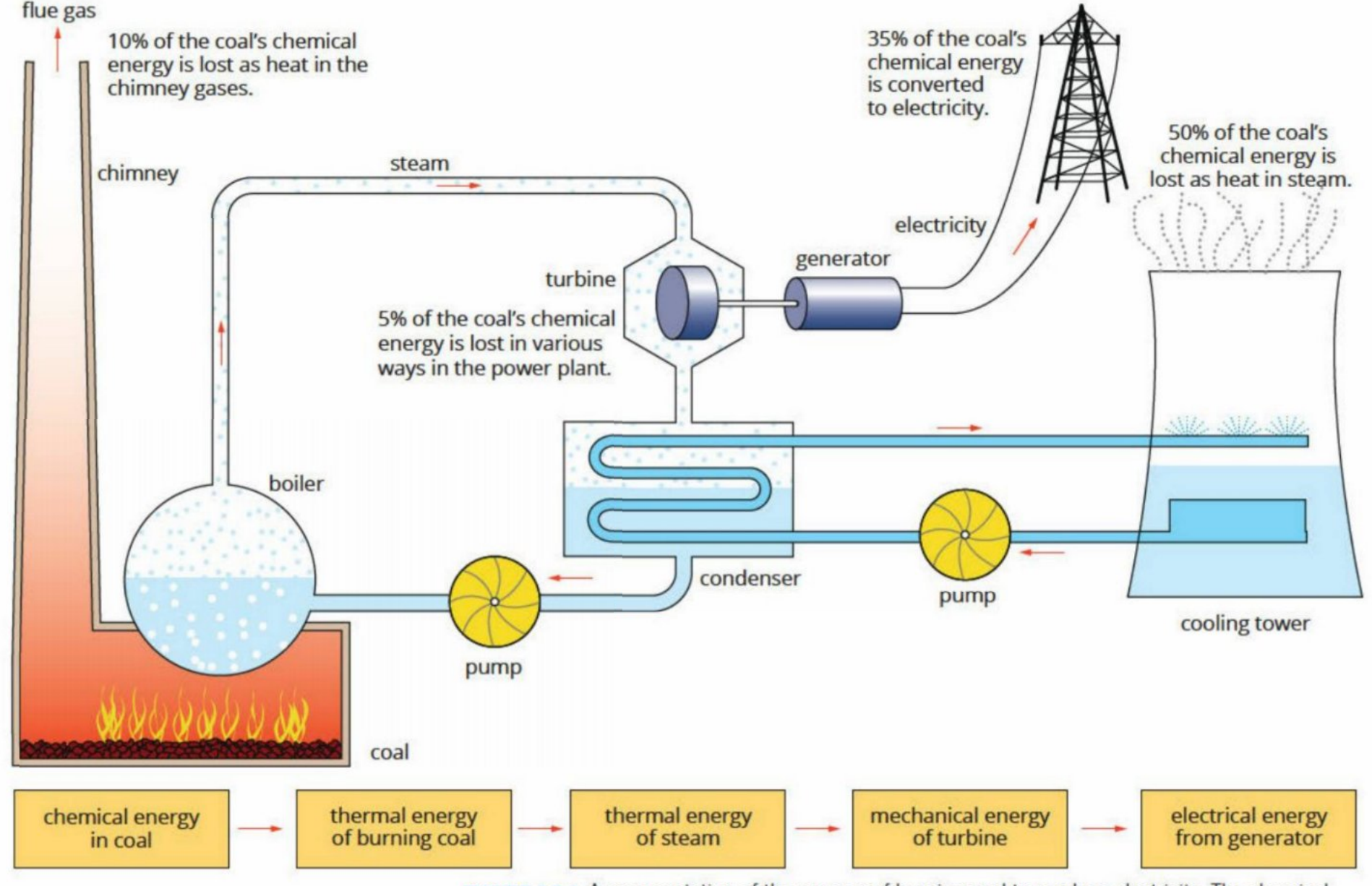
The conversion of coal's chemical energy to electricity involves several transformations:
Chemical energy in coal → Thermal energy from burning coal → Thermal energy of steam → Mechanical energy of turbine → Electrical energy from generator
Important
Energy Efficiency of Coal Power Plants
However, this process is quite inefficient:
- 35% of the coal's chemical energy is converted to electricity
- 50% is lost as heat in steam
- 10% is lost as heat in chimney gases
- 5% is lost through various processes in the power plant
This means that more than half of the energy is wasted as heat!
In 2021, coal combustion generated over 50% of Australia's electricity. However, many Australian states are working to close coal-fired power stations ahead of schedule due to concerns about greenhouse gas emissions.
Petrol
Crude oil (petroleum) is a mixture of hydrocarbon molecules, mostly alkanes. Crude oil itself cannot be used directly as a fuel, but it contains many useful compounds. These are separated through a process called fractional distillation.
Note
Fractional distillation doesn't produce pure substances. Each fraction remains a mixture of hydrocarbon compounds with similar boiling points. These fractions can be used as fuels or processed further to create more specific products.
Petrol is one fraction obtained from crude oil. It contains octane and other alkanes with similar boiling points. The combustion equation for octane is:
Combustion occurs in a car engine's cylinder. The hot gases produced push the pistons up and down, enabling the car to move.
Diesel (or petrodiesel) is also a fraction of crude oil. The alkanes in diesel are slightly longer molecules than those in petrol.
Natural gas
Natural gas is a fossil fuel found in deposits within the Earth's crust. It consists mainly of methane () along with small amounts of other hydrocarbons such as ethane () and propane (). Water, sulfur, carbon dioxide, and nitrogen may also be present.
Natural gas can be found:
- In gas reservoirs trapped between rock layers
- As a component of petroleum deposits
- In coal deposits, where it bonds to the coal surface
Note
When natural gas is found bonded to coal surfaces, it's called coal seam gas (CSG). Coal seams usually contain water, and the water pressure keeps the gas adsorbed to the coal. CSG is a major component of Queensland's energy supplies.
Natural gas is accessed by drilling, which allows it to flow to the surface. Australia is one of the world's leading exporters of natural gas. For export, natural gas is converted to liquid form (LNG) to increase energy density, though this liquification process itself consumes significant energy.
Electricity from natural gas
Natural gas is used in Victoria to generate electricity. In a gas-fired power plant, methane and other small alkanes are burnt to release energy.
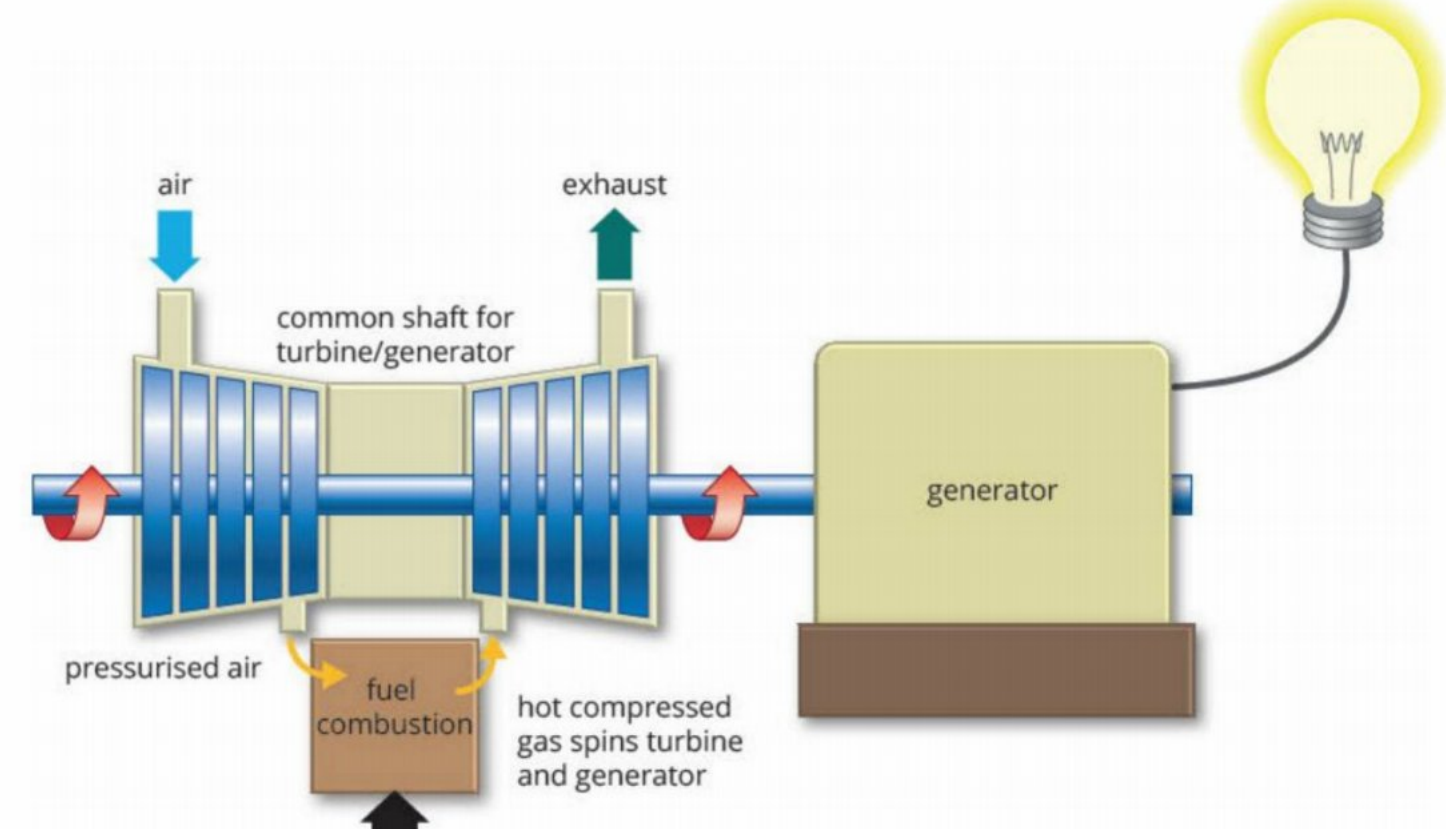
The hot gases produced by combustion cause air to expand in a combustion turbine, generating electrical energy. This is simpler than coal-fired plants, which must first use thermal energy to produce steam.
The main combustion reaction involves methane:
Natural gas has many domestic applications. A network of pipes delivers natural gas to most Victorian cities, where it's used for cooking, hot water, and home heating.
Biofuels
Governments and industries are exploring alternatives to fossil fuels to meet future energy needs and reduce environmental impact. Ideally, new energy sources should be renewable—meaning they can be obtained from natural resources that can be constantly replenished.
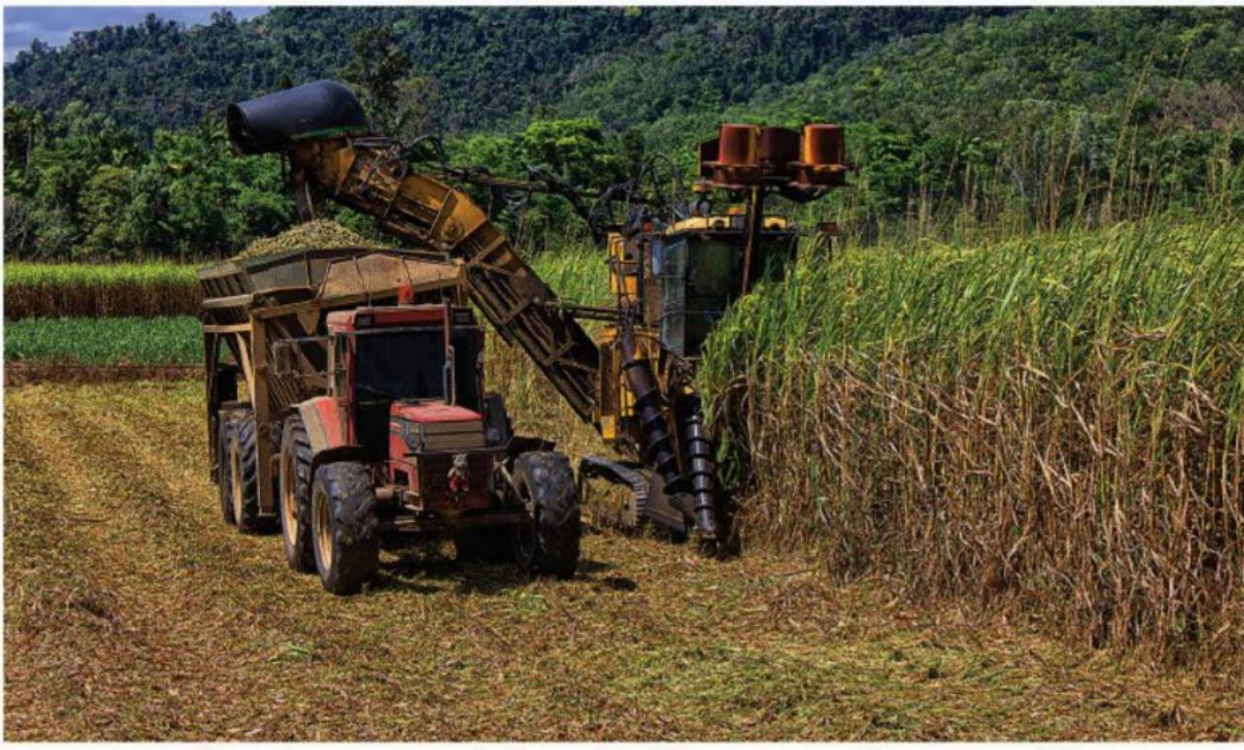
Biofuels are fuels derived from plant materials (such as grains, sugar cane, and vegetable waste) or animal materials. The three main biofuels are bioethanol, biogas, and biodiesel. They can be used alone or blended with fossil fuels like petrol and diesel.
Note
Advantages of Biofuels Over Fossil Fuels
Biofuels offer several advantages:
- They are renewable
- They can be replenished at a sustainable rate
- They have less environmental impact
The plant materials used to make biofuels are produced through photosynthesis, which removes carbon dioxide from the atmosphere and produces glucose:
Plants convert this glucose into cellulose and starch. When biofuel is burnt, carbon dioxide is released back into the atmosphere. However, the net impact should be less than for fossil fuels.
Important
Carbon Neutrality Concept
In theory, a biofuel could be carbon neutral—absorbing the same amount of during formation as is released during combustion.
In practice, energy is required to farm, fertilise, and transport biofuels, so they're unlikely to be fully carbon neutral.
Biogas
Biogas is gas released when organic waste breaks down through the action of anaerobic bacteria. These bacteria decompose complex molecules in substances like carbohydrates and proteins into simpler compounds: carbon dioxide and methane.
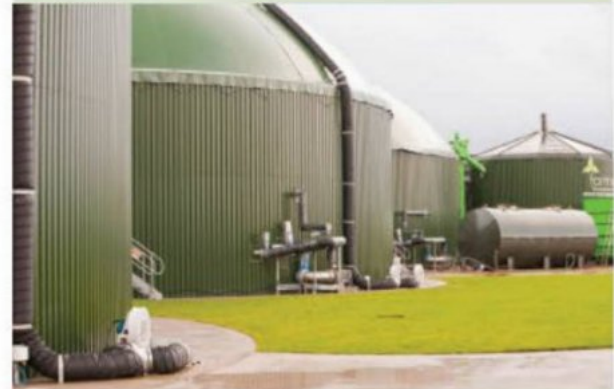
A digester is a large tank filled with anaerobic bacteria that digest (consume) complex molecules to form biogas.
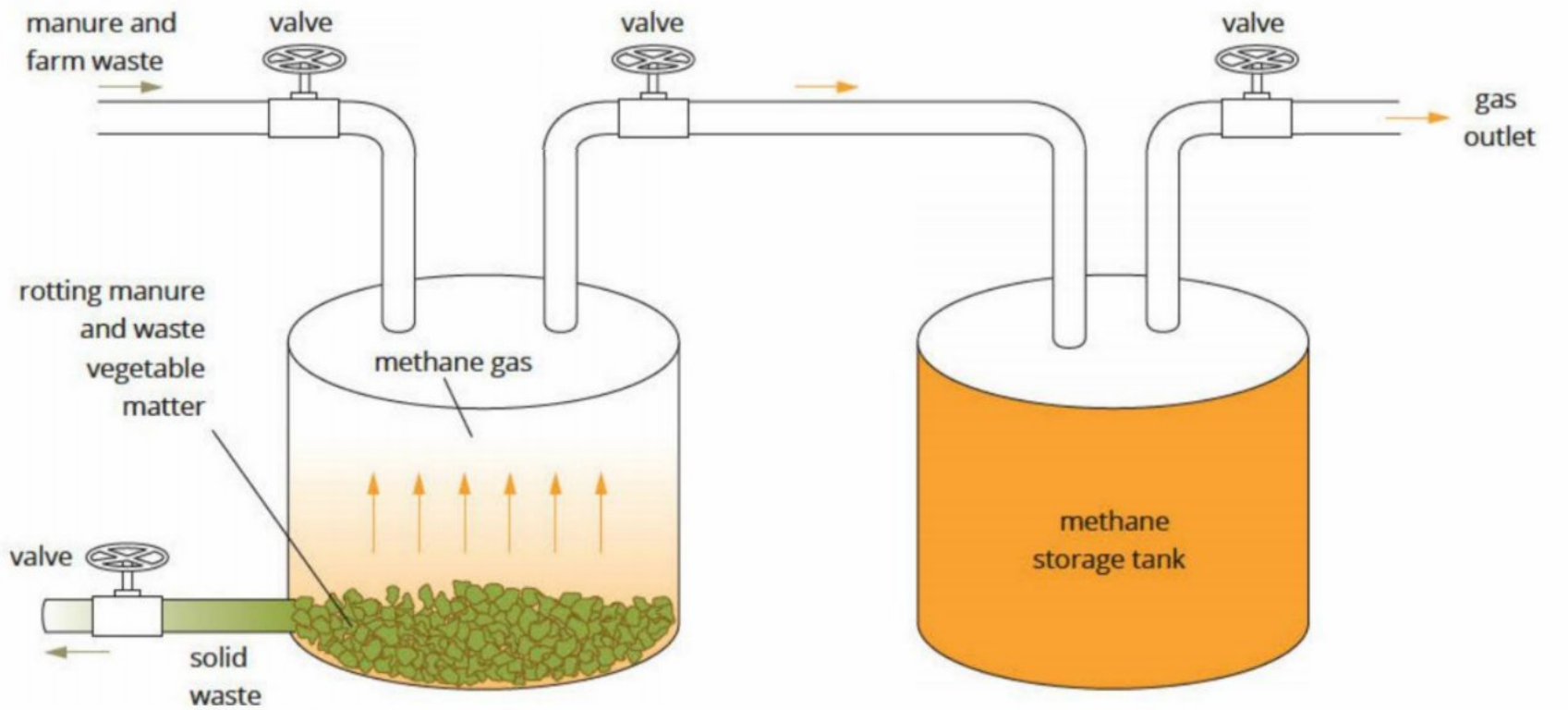
Various materials can be used to produce biogas, including:
- Rotting rubbish
- Decomposing plant material
- Animal manure
- Farm waste
Example
Biogas Composition
The composition of biogas depends on the original material and decomposition method. Here is the typical composition:
| Gas | Formula | Percentage (by volume) |
|---|---|---|
| Methane | 60% | |
| Carbon dioxide | 32% | |
| Nitrogen | 4.5% | |
| Hydrogen sulfide | 2% | |
| Oxygen | 1% | |
| Hydrogen | 0.5% |
Note: Biogas consists mainly of methane and carbon dioxide.
Biogas can be used for heating and to power homes and farms. There are more than 30 million biogas generators in China. Biogas generators are particularly suited to farms because the waste from a biogas generator makes rich fertiliser.
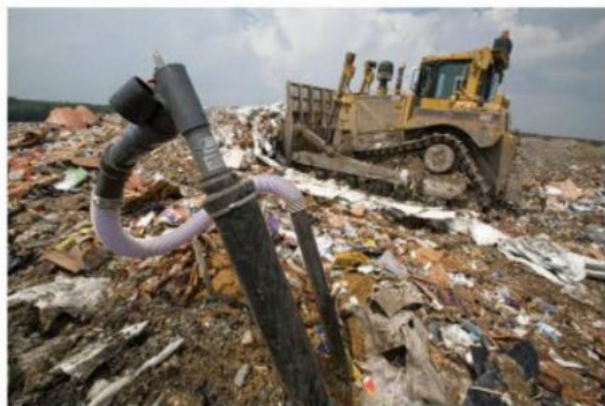
In the future, more energy will likely come from biogas generated at sewage works, chicken farms, piggeries, food-processing plants, and rubbish tips. The gas can be used directly for small-scale heating or to generate electricity.
Electricity from biogas
Biogas can generate electricity, usually in small-scale generators located where the biogas is produced. For example, sewage works commonly burn biogas to supply some of their power needs.
Note
The main reaction in biogas combustion is the same as in gas-fired power stations—the combustion of methane. However, the energy released per gram of biogas is less than natural gas because biogas has a lower methane content.
Biodiesel
Biodiesel is a mixture of organic compounds called esters. These esters are produced by a chemical reaction between vegetable oils or animal fats and an alcohol (most commonly methanol, ).
The usual raw material for biodiesel production is vegetable oil from sources such as:
- Soybean
- Canola
- Palm oil
- Recycled vegetable oil
- Animal fats
Fats and oils are triglycerides—molecules with three hydrocarbon chains, each attached by an ester functional group to a backbone of three carbon atoms.
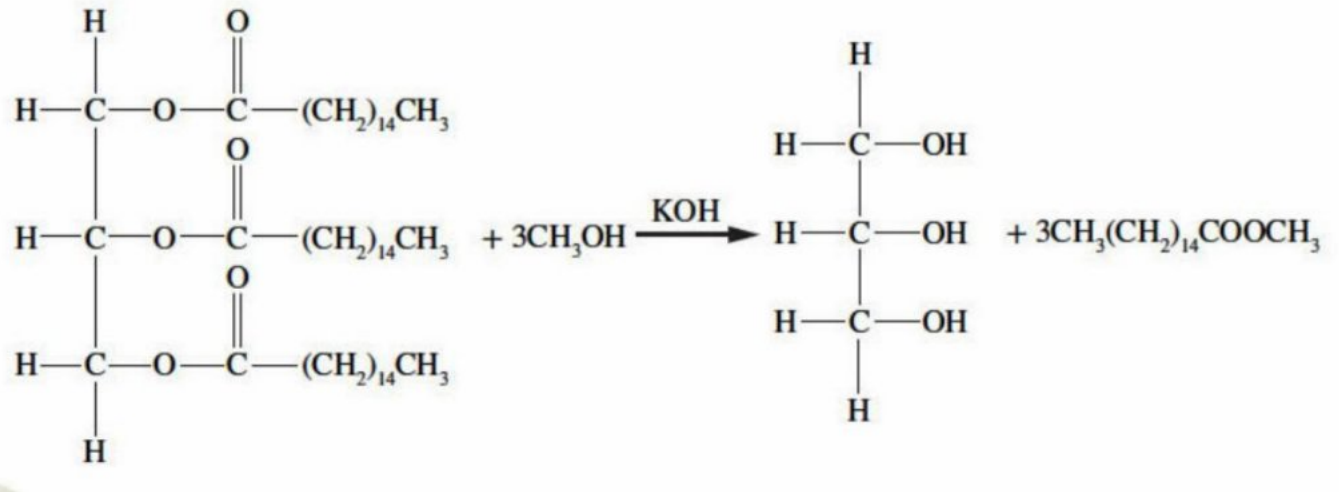
The triglyceride is converted into biodiesel by warming it with an alcohol (usually methanol or ethanol) in a process called transesterification. Concentrated acts as a catalyst in the reaction.
Example
Transesterification Process
In transesterification, the triglyceride converts into:
- A small molecule called glycerol
- Three ester molecules with long carbon chains (the biodiesel product)

The structure shows a typical biodiesel molecule—a fatty acid methyl ester with a long hydrocarbon chain.
Renewability and sustainability
Fossil fuels are non-renewable energy sources. Their formation took millions of years, so we cannot expect new deposits to form in any useful timeframe.
Biofuels are renewable, and current production levels are sustainable. However, biofuels currently produce only a small percentage of Australia's fuel needs. To increase biofuel production significantly, we would need to grow crops specifically for this purpose. This would present several challenges:
- Land degradation
- Clearing of forests and bushland
- Maintaining adequate food supplies
Note
Currently, it's mainly wind and solar investments that are steadily replacing fossil fuels.
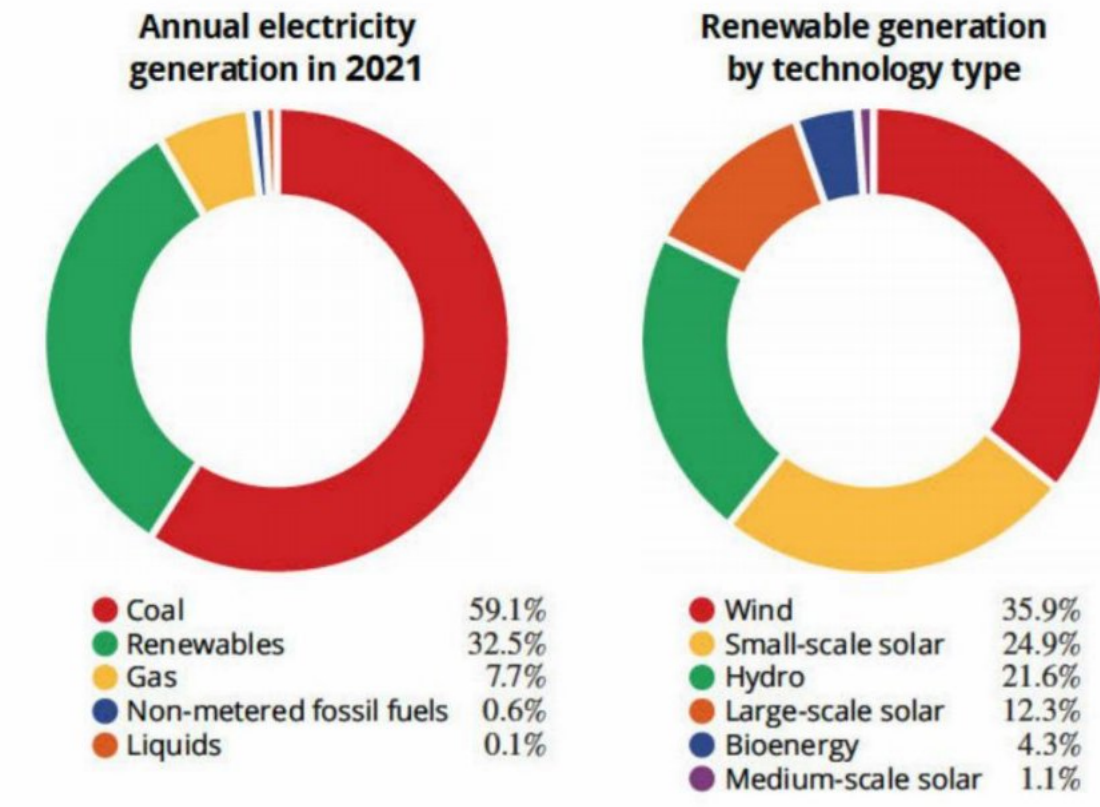
In 2021, renewables accounted for over 32% of Australia's electricity generation, and this figure increases each year. The breakdown shows:
Annual electricity generation in 2021:
- Coal: 59.1%
- Renewables: 32.5%
- Gas: 7.7%
- Non-metered fossil fuels: 0.6%
- Liquids: 0.1%
Renewable generation by technology type:
- Wind: 35.9%
- Small-scale solar: 24.9%
- Hydro: 21.6%
- Large-scale solar: 12.3%
- Bioenergy: 4.3%
- Medium-scale solar: 1.1%
Important
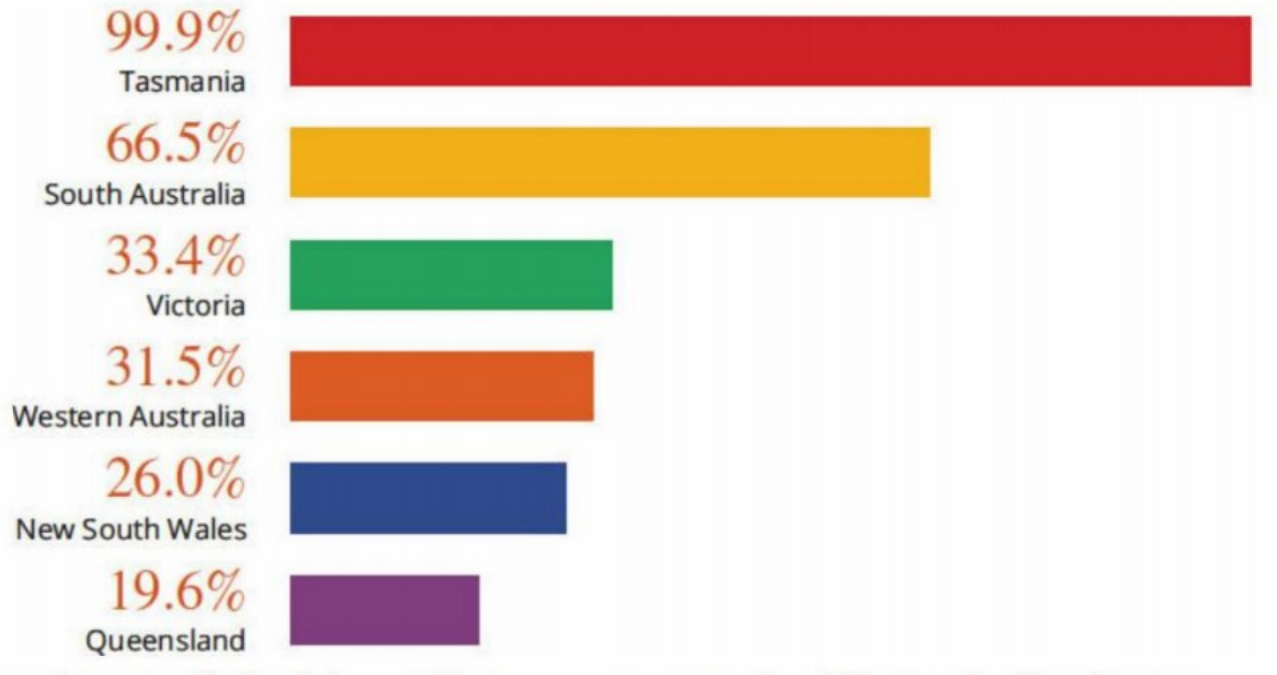
State Variations in Renewable Energy
The level of renewable energy use varies significantly between Australian states:
- Tasmania: 99.9%
- South Australia: 66.5%
- Victoria: 33.4%
- Western Australia: 31.5%
- New South Wales: 26.0%
- Queensland: 19.6%
Comparing fuels
Different fuels have various advantages and disadvantages:
Coal:
- Advantages: Large reserves, relatively high energy content
- Disadvantages: Non-renewable, high emissions, difficult to transport as solid
Natural gas:
- Advantages: More efficient than coal for electricity production, easy transport through pipes, relatively high energy content
- Disadvantages: Non-renewable, limited reserves, polluting (though less than coal and petrol)
Petrol:
- Advantages: High energy content, ease of transport
- Disadvantages: Non-renewable, polluting (though less than coal), limited reserves
Biogas:
- Advantages: Renewable, made from waste, reduces waste disposal, low running costs, absorbed during photosynthesis
- Disadvantages: Low energy content, limited supply of waste raw materials
Biodiesel:
- Advantages: Renewable, can be made from waste, absorbed during photosynthesis, burns smoothly, produces fewer particulates than petrol
- Disadvantages: Limited supply of raw materials, lower energy content than petrol, may require farmland otherwise used for food production
Summary
Key Points to Remember
-
Fuels store chemical energy that can be released relatively easily for use as heat or power.
-
Fossil fuels (coal, oil, natural gas) are non-renewable—they formed over millions of years from ancient organisms and cannot be replaced on human timescales.
-
Coal formation progresses from peat (60% carbon) → brown coal (70% carbon) → black coal (90% carbon), with increasing energy content at each stage.
-
Biofuels are renewable alternatives derived from plant or animal materials, including biogas (mainly methane from organic waste) and biodiesel (esters from vegetable oils/fats).
-
Australia's energy mix is transitioning—in 2021, about 70% came from fossil fuels and 32% from renewables, with significant variation between states.