Producing and Recycling Metals (VCE SSCE Chemistry): Revision Notes
📚Revision Notes
Producing and Recycling Metals
Introduction to metal sources
Most metals in Earth's crust exist as mineral compounds rather than pure elements. Only platinum and gold are found naturally in their elemental state, as they are inert and unreactive.
Note
The fact that platinum and gold are found in their pure elemental form is due to their exceptional chemical stability and resistance to oxidation. This property has made them valuable throughout human history.
Minerals are naturally occurring solid substances with a definite chemical composition, structure and properties. Common metal-containing minerals include oxides, sulfides and silicates.
When minerals are concentrated enough in rock to make extraction economically viable, that rock is called an ore. The concentration of minerals determines whether mining is worthwhile.
Metal production from ores
Obtaining pure metal from ore involves three main stages: mining, ore processing and metal extraction.
Mining
Mining extracts ore from Earth's crust using different techniques depending on the deposit location:
Surface mining removes vegetation, soil and bedrock to access ore deposits below the surface. Open-pit mining is a common surface technique where excavation creates an increasingly wide and deep pit. Large vehicles transport ore from the pit to processing facilities.
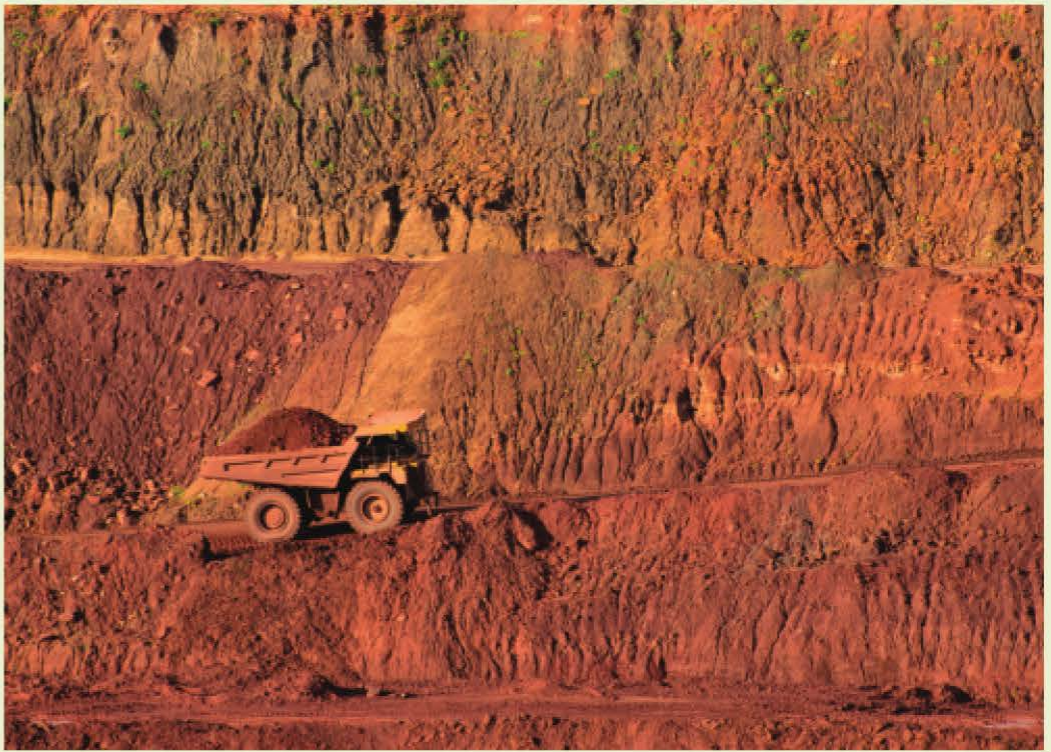
Underground mining involves digging vertical shafts into the ground, then creating horizontal tunnels to reach the ore. Ore travels via vehicles and conveyors to the shaft, where it's lifted to the surface for processing.
In-situ leaching mines certain metals (including rare earth elements and uranium) by injecting solutions into holes in the ore deposit. The solution dissolves minerals, then gets pumped to the surface where minerals are recovered. This method avoids conventional mining costs.
Note
Each mining method has specific advantages: surface mining is typically more cost-effective for shallow deposits, underground mining accesses deeper resources with less surface disruption, and in-situ leaching minimizes physical excavation entirely.
Ore processing
After mining, ore is processed to separate valuable minerals from waste rock. The processing method depends on the ore's nature and the mineral's properties (such as density and magnetism).
Ore is typically crushed into pebble-sized pieces or ground into fine powder. Some ores, like iron ore, need no further processing. Others require additional treatment based on their specific mineral properties.
Metal extraction
The extraction method depends on the metal's reactivity:
Important
Choosing the Right Extraction Method
The reactivity of the metal determines which extraction technique is most economical and practical:
- Most reactive metals (sodium, potassium, aluminium) → Electrolysis required
- Moderately reactive metals (iron, zinc) → Smelting with carbon
- Least reactive metals (copper, silver, gold) → Simple heating or roasting
Electrolysis can extract all metals by passing electric current through the molten (liquefied) compound. However, this requires large amounts of electrical energy, making it expensive. Electrolysis is reserved for very reactive elements such as aluminium, sodium and potassium.
Smelting extracts less reactive metals like iron by heating ore at high temperatures with carbon. Iron is extracted from iron oxide ores through this process.
Roasting converts sulfide ores (containing copper, lead and zinc) to metal oxides by heating in air. The metals are then produced from oxides by smelting with carbon. Copper and zinc require further purification by electrolysis after smelting.
Environmental issues
Metal production contributes significantly to global environmental problems. The industry uses approximately 8% of total global energy supply and manufactures metals in large quantities.
Important
Four Categories of Environmental Impact
Metal production affects the environment in multiple interconnected ways, making it one of the most significant industrial contributors to environmental degradation globally.
Environmental impacts fall into four categories:
Land impacts:
- Vegetation clearing and soil erosion
- Large quantities of waste production
- Coarser waste stockpiled in long-term storage dumps
- Tailings (finely ground rock) stored in ponds
- Waste management described as one of the world's largest environmental issues
Water impacts:
- High water consumption
- Potential release of toxic substances into groundwater and surface water
Air impacts:
- Substantial greenhouse gas emissions, primarily carbon dioxide and sulfur dioxide
- Emissions from fossil fuel energy sources
- Carbon use in smelting processes
- Dust and particulates causing local ecosystem and health damage
- Contribution to global warming
Biodiversity impacts:
- Landscape and ecosystem degradation
- Decline in species number and variety in affected areas
Metal recycling and the circular economy
Linear and circular economies
Traditionally, economies operated on a linear economy model - a 'take-make-dispose' or 'take-make-waste' approach. In this system, natural resources become products that are ultimately thrown away after use.
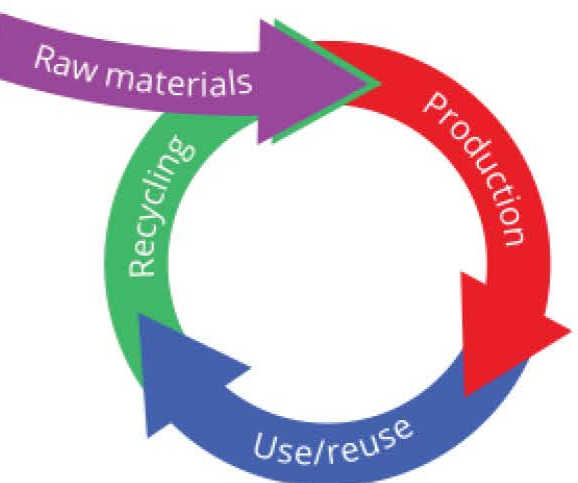
However, there's growing momentum toward a circular economy model where manufacturers design products to be reusable and recyclable.
Important
Circular Economy Definition
A circular economy is an economic system that seeks to minimise climate change, waste, pollution and loss of biodiversity. The model aims to eliminate waste and pollution, keep products and materials in use, and regenerate natural systems.
Reasons for transitioning to a circular economy include:
- Resources becoming scarcer with declining quality
- Rising raw material prices
- Increasing demand for manufactured goods from growing, prosperous populations
- Desire to minimise environmental impacts (air and water pollution, climate change, land degradation, biodiversity loss)
To achieve circular economy goals, processes and technologies must be developed with reusing and recycling in mind. For example:
- Electrical devices designed to last longer and be easier to repair
- Plastic products recycled to make new plastic items
- Metal recycling playing a key role in sustainability initiatives
Metal recycling benefits
Metals are ideal for recycling because they can be re-melted and reshaped without losing their properties, allowing repeated recycling. Once a metal-containing product is no longer needed, it can usually be reprocessed relatively easily, with recovered metals returned to production.
Note
Energy required to recycle metals is a small fraction of energy needed to produce metals from ores, since energy is needed mainly for melting rather than chemical reactions. This represents more efficient use of energy and materials.
There's a long history of metal recycling with considerable infrastructure already in place. For example, more than 90% of the 180,000 tonnes of gold ever mined is still in use.
Metals used in pure form (gold, copper, platinum) have high recovery rates. Average recycling rates for precious metals exceed 50%, with large variations across applications:
- Over 90% of precious metals from chemical and oil-refining catalysts are recovered
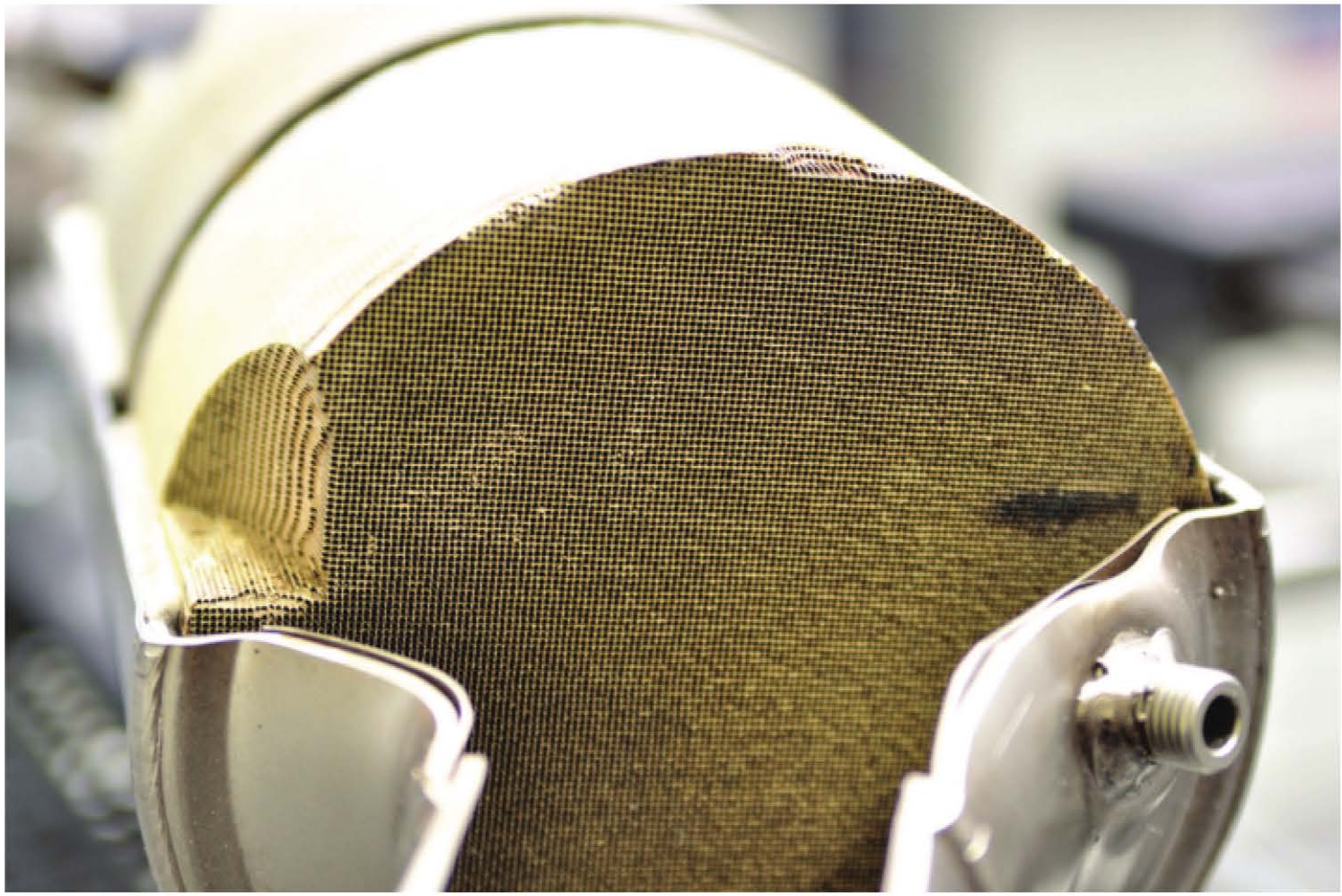
- About 65% recycling rate for platinum in automotive catalysts
Aluminium and steel also have high recycling rates.
Example
Energy Savings from Metal Recycling
Compared to mining and extracting metals from ores, recycling provides dramatic energy savings:
- Aluminium: 95% energy saved
- Copper: 84% energy saved
- Zinc: 75% energy saved
- Lead: 65% energy saved
- Steel: 60% energy saved
Note: Energy savings tend to increase going up the reactivity series because more reactive metals require more energy for extraction from ores.
Highly reactive group 1 and 2 metals (sodium, potassium, calcium) are abundant in Earth's crust. Since their compounds have more uses than the metals themselves, these metals aren't usually extracted during recycling.
Metal recycling contributes to circular economy and environmental protection by:
- Saving up to 20 times the energy needed to extract metals from ores, with economic benefits from lower material costs
- Avoiding metal-containing waste in landfill, preventing loss of valuable raw materials and environmental damage from metal compounds leaching into water
- Reducing emissions (lower energy consumption) and impacts on land and water from mining and extraction
- Reducing air pollution by approximately 80%, water pollution by 75%, and water use by 40%
Metal recycling helps close the loop in production processes, reducing raw material consumption and waste sent to landfill.
Note
Sustainable Approaches Beyond Recycling
Mining and extraction industries are also implementing sustainable approaches:
- Increased use of solar and wind power
- Water treatment and collection programmes avoiding wastewater discharge
- Optimising smelting and refining to minimise wastes and increase efficiency
- Creating industrial parks (e.g., Kwinana, Western Australia; Gladstone, Queensland) where one industry reuses another's wastes
- Investigating new production methods (e.g., Fortescue Metals planning hydrogen production from renewable sources to produce steel without carbon emissions)
The recycling process
Metal recycling is called secondary production. Today, more aluminium and lead is produced by secondary production than from ores, and large quantities of steel and copper are also manufactured this way.
Metals recovered for recycling are called scrap metal or scrap, coming from three sources:
- Waste from initial metal manufacture and processing
- Waste from metal fabrication into products
- Discarded metal-based products
The recycling process has four steps:
1. Collection
Scrap metal yards serve as collecting centres for metals.
2. Preparation for recovery
Scrap metal is classified into two main groups:
- Ferrous (containing iron, such as steel) - magnetic and easily separated from mixed waste
- Non-ferrous (other metals)
Large sorting facilities use sensors based on X-ray and infrared scanning to identify metals and improve recovery rates. New separation methods are under development.
Recycled metal is compacted and shredded because small metal pieces can be melted using less energy than larger pieces.
3. Smelting
Scrap metal is fed into one of two smelter types:
- Primary smelter - also used for extracting metal from ores
- Secondary smelter - designed especially for recycled metal
4. Purification
After melting, impure metal is refined to ensure the final product is free of impurities. Different purification methods are used for different metals. Other chemicals may be added to molten metal to form alloys with desirable properties.
Note
The process sustainability is enhanced when other metals are recovered simultaneously. For example, copper producers may recover copper plus gold and silver.
Recycling aluminium
More aluminium is used in manufacturing than any other metal except iron. It's employed in cans, foils, window frames and aeroplane parts. Aluminium is often alloyed with elements like copper, manganese and magnesium because pure aluminium isn't particularly strong.
Globally, approximately 50% of new aluminium products are made from recycled aluminium. Seventy-five per cent of all aluminium produced since commercial production started in 1886 is thought to still be in use today.
Aluminium is recycled at low cost using secondary smelters. Scrap metal is placed in a furnace heated with gas or oil burners. Molten aluminium is run off and solidified.
Note
Efficient Aluminium Recycling
Metals like aluminium (usually manufactured as alloys) require careful handling during recycling. Different waste forms are collected and sorted before smelting. This allows new aluminium cans to be made from old cans composed of particular alloys most suitable for this purpose.
Gases produced when can labels burn can be used as fuel for melting scrap metal, further increasing efficiency.
Recycling a single aluminium can may save about 95% of the energy needed to make a new one.
Challenges and opportunities
Despite relatively high recycling rates for some metals, there's room for improvement. Insufficient collection of consumer goods and inefficient recycling chain handling are major challenges.
Important
Opportunities for Improved Metal Recovery
Much more metal could be recovered from:
- Industrial waste
- Consumer goods at end of useful life (vehicles, electronic devices, rechargeable batteries)
- Electronic waste (currently less than 15% recovery)
Efforts focus on moving toward more efficient circular economy by increasing recovery rates, reducing raw resource consumption and minimising dumped waste.
Case study: Iron production
Modern society depends heavily on iron. Iron is blended with other transition metals and carbon to produce steel used for construction and many purposes.
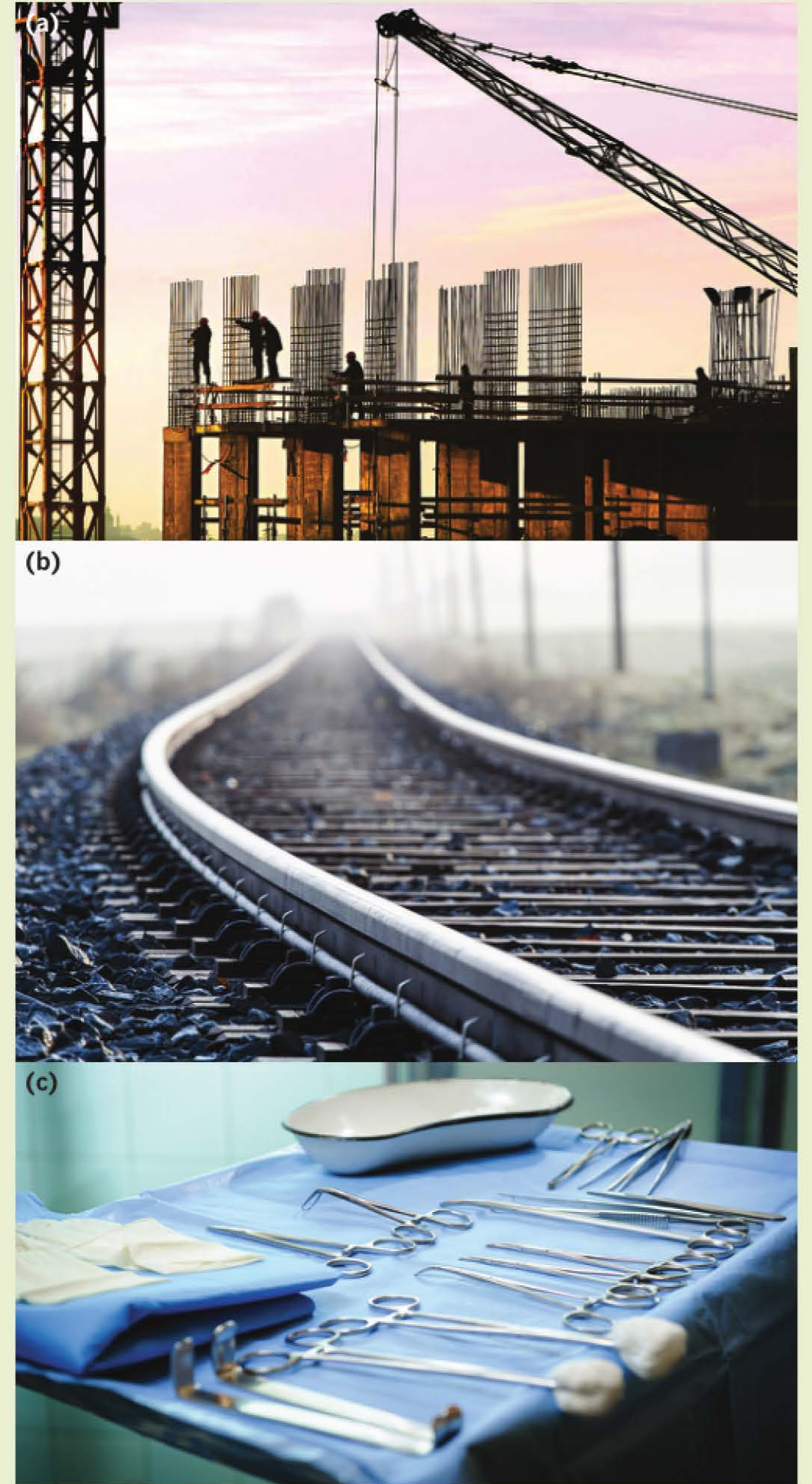
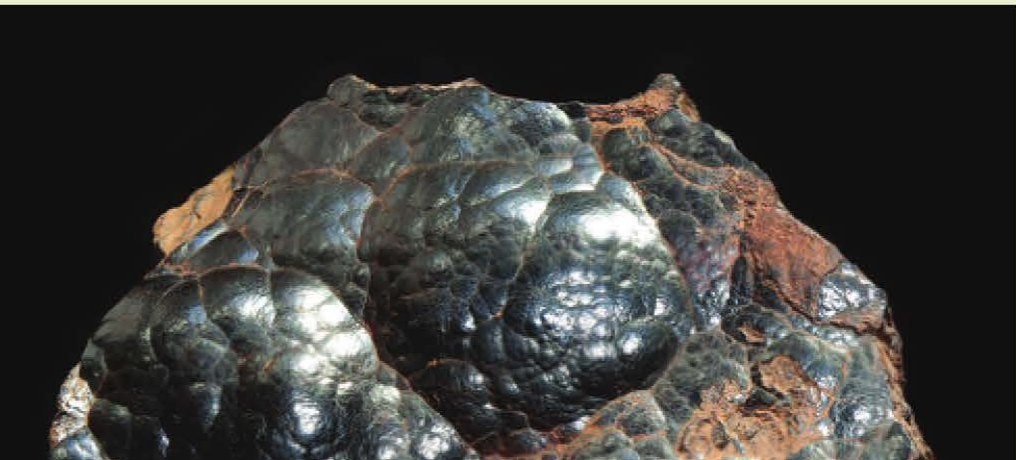
Australia is the world's largest iron ore exporter. Massive deposits in Western Australia's Pilbara region contain iron as haematite ().
Mining
Iron ore is mined by open-pit methods. Coal and limestone are also mined for iron extraction.
Coal is converted to coke (a solid containing 80-90% carbon) by strongly heating coal in air-tight ovens for about 15 hours.
Limestone is sedimentary rock mainly composed of calcium carbonate ().
Iron extraction
Iron extraction from ore occurs at very high temperatures in a tall, bottle-shaped tower called a blast furnace.
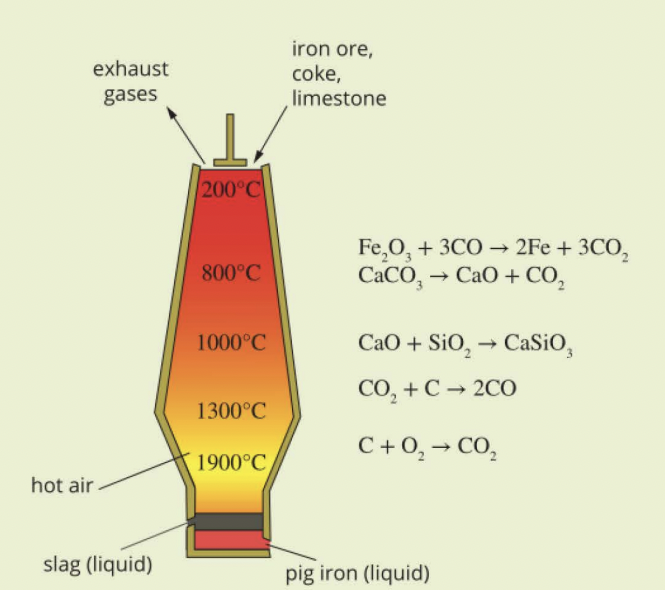
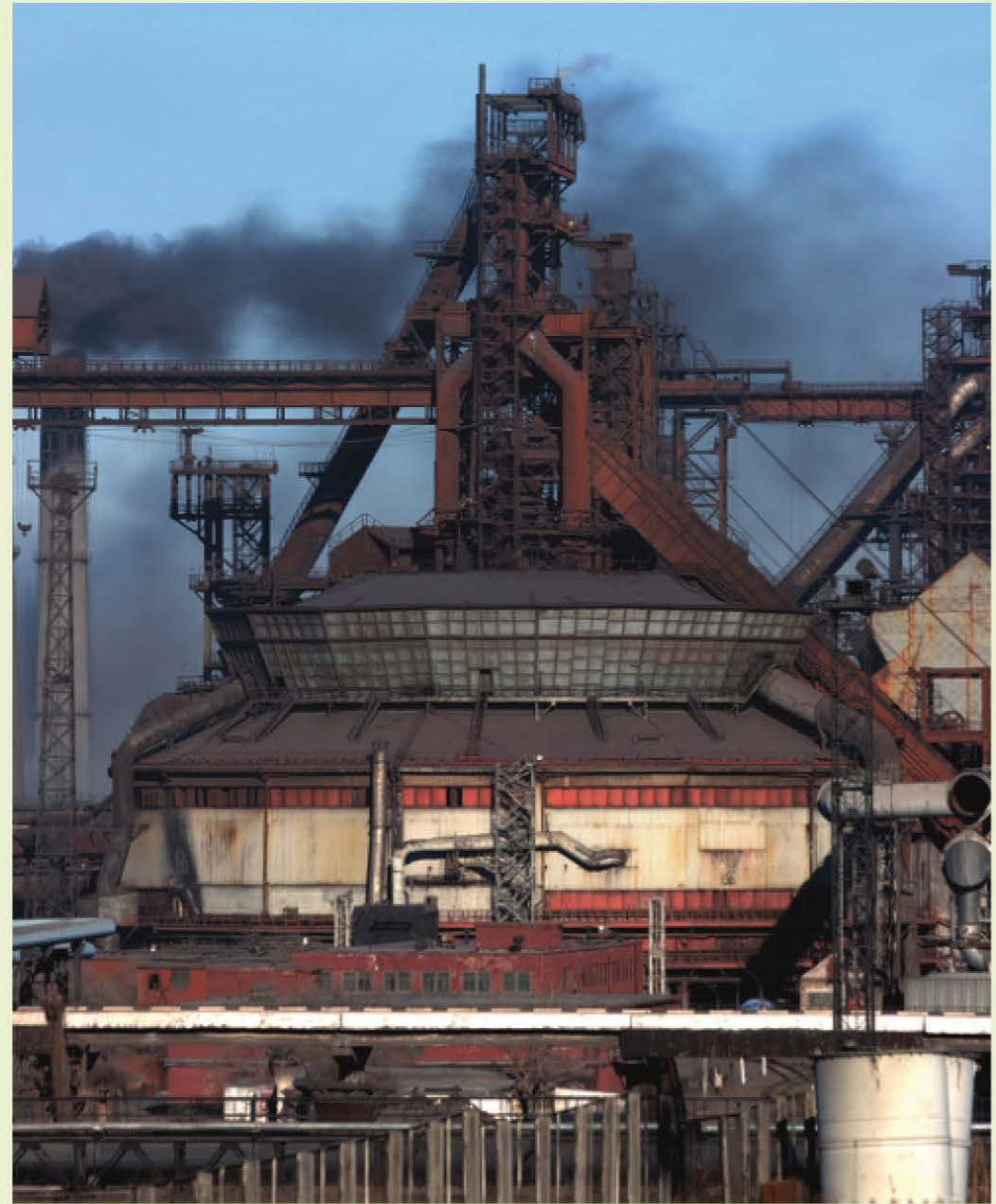
Hot air is blasted into the furnace bottom while solid 'charges' (scoops) of iron ore, coke and limestone are added to the top.
Example
The Blast Furnace Process
As air rises through the furnace and meets descending charge, oxygen reacts with coke to ultimately produce carbon monoxide. Iron extraction from iron oxide occurs in steps summarised by:
Impurities like silica (silicon dioxide) in iron oxide are removed by adding limestone. It breaks down in the furnace:
Calcium oxide reacts with impurities to form materials like calcium silicate () called slag:
Other reactions in the furnace include:
Holes at the furnace base are opened and molten iron and slag are drained out and separated. The iron contains dissolved carbon. To make steel, molten iron is usually transferred to another furnace where oxygen is blown through the metal to reduce carbon content. Other elements are added to form the steel alloy.
Important
Environmental Impact of Iron and Steel Production
The iron and steel industry produces nearly 10% of all global greenhouse gas emissions (carbon dioxide) from blast furnaces and steel-making furnaces.
New methods using hydrogen gas instead of coke are being explored. Hydrogen reacts with iron oxide to form iron metal with water vapour as the main byproduct. If hydrogen is derived from renewable or low-carbon sources, steel-making could become almost completely emission-free.
Case study: E-waste recycling
E-waste describes discarded electrical or electronic devices. It's considered the fastest-growing source of hazardous waste globally, with tens of millions of tonnes generated annually. Less than 20% of e-waste is recycled; most ends up in landfill, potentially damaging the environment through leakage of hazardous substances like mercury, lead and cadmium.
A typical mobile phone contains over 40 different metals. Printed circuit boards in e-waste contain precious metals (gold, silver, platinum) and other metals (copper, iron, aluminium).
Note
E-waste Metal Content
Metal content in e-waste is significantly higher than in ores:
- Computer circuit boards: around 200 g t gold and 80 g t palladium
- Mobile phone handsets: up to 350 g t gold and 130 g t palladium
This is significantly higher than metal content in ores (usually less than 10 g t).
Processing approaches include melting circuit boards, burning cable sheathing to recover copper wire, and using acid to dissolve and separate valuable metals.
Recycling is essential for managing e-wastes, offering potential for reducing environmental damage and natural resource use. However, since e-wastes are complex material mixtures containing relatively small metal concentrations, processing can be challenging. Recycling likely needs encouragement through local authority regulation. Several countries have enacted legislation requiring electronic manufacturers to pay for product recycling and disposal.
The e-waste recycling industry is growing. One Japanese smelter extracts hundreds of thousands of tonnes of gold, silver, copper, palladium and other valuable metals each year from circuit boards of discarded appliances, computers and mobile phones.
Example
Tokyo 2021 Olympic Medals: Closing the Loop
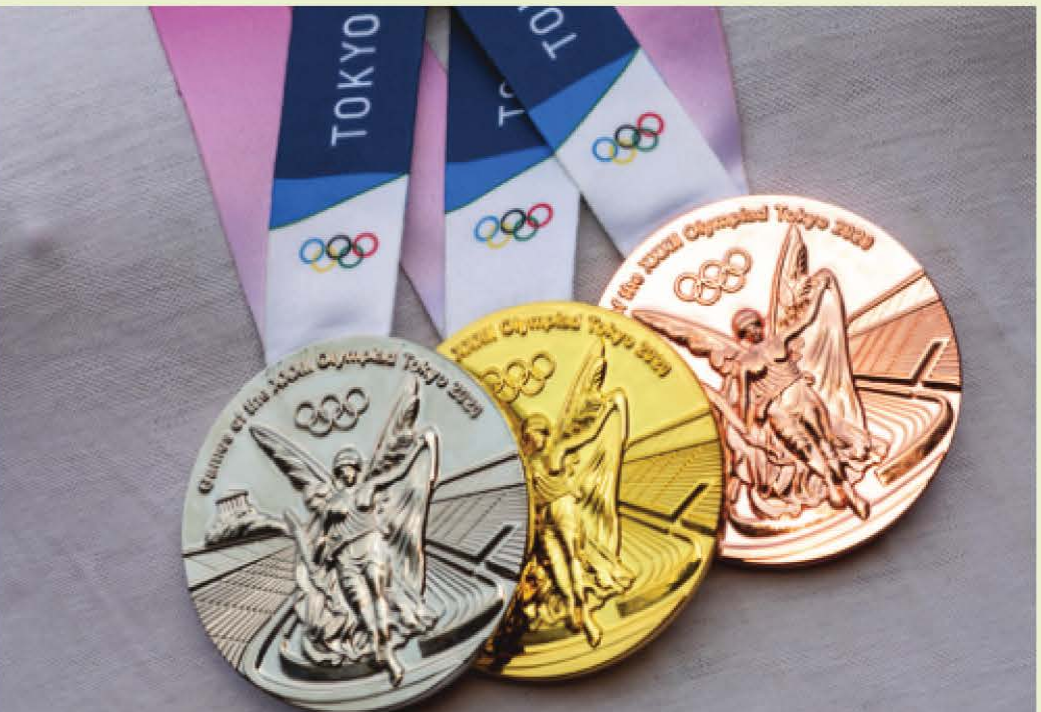
In the two years before the Tokyo 2021 Olympic Games, small unwanted electronic devices were collected from Japanese people so all athlete medals were made from recycled metals.
Efficiently recycling e-waste demonstrates 'closing a loop' in a section of the economy.
Lithium-ion batteries: A challenge
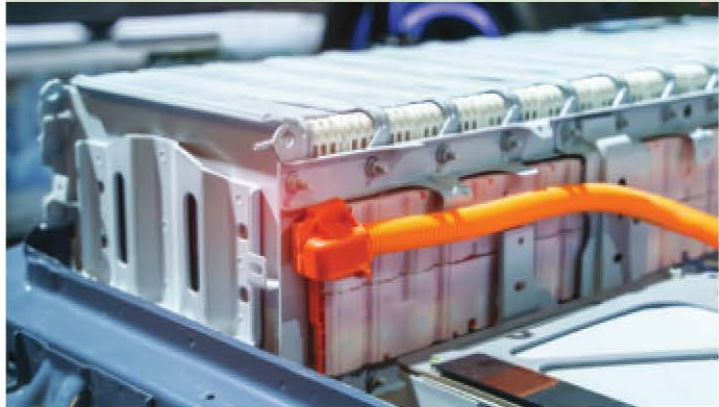
Lithium-ion batteries are being widely adopted as portable energy sources. Electric car numbers powered by these batteries are expected to grow spectacularly. This raises environmental concerns because less than 9% of spent batteries are recycled (in Australia, less than 3%).
Batteries contain valuable metals like cobalt, nickel, copper and manganese. Recovering these metals has been the main recycling focus. Lithium metal is rarely recycled.
Important
The Lithium Challenge
Lithium demand is rapidly increasing, with consumption more than doubling in the last decade. The element isn't evenly distributed globally and is in limited supply, encouraging development of battery recycling technologies.
Lithium is a reactive group 1 element, and existing processes are complex and energy-intensive. Improved recovery methods are currently being developed.
Summary
Key Points to Remember:
-
Metals exist in Earth's crust mainly as mineral compounds in ores. Only platinum and gold are found naturally in pure elemental form.
-
Metal production involves three stages: mining (surface, underground, or in-situ leaching), ore processing, and extraction (by electrolysis for reactive metals or smelting for less reactive metals).
-
Environmental impacts of metal production affect land (vegetation clearing, waste), water (consumption, pollution), air (greenhouse gases, particulates), and biodiversity (ecosystem degradation).
-
Circular economy models replace linear 'take-make-dispose' systems by designing products for reuse and recycling, aiming to eliminate waste and pollution.
-
Metal recycling saves significant energy (up to 95% for aluminium) compared to ore extraction, reduces emissions, conserves resources, and helps close production loops by reducing raw material consumption and landfill waste.