Reactivity of Metals (VCE SSCE Chemistry): Revision Notes
📚Revision Notes
Reactivity of Metals
Metals share many common properties, but they differ significantly in their chemical reactivity. Reactivity describes how readily a substance takes part in chemical reactions. Some metals react vigorously with water, oxygen, and acids, while others barely react at all. Gold and platinum, for example, are essentially unreactive and are described as inert. Understanding the relative reactivity of different metals can be determined through experimental observation.
Note
The reactivity of metals is a fundamental concept in chemistry that helps us understand why different metals behave differently in chemical reactions and why they are used for different purposes in everyday applications.
Determining the reactivity of metals
The reactivity of metals can be assessed by observing their reactions with three main substances: water, oxygen, and acids. The intensity and speed of these reactions provide clear evidence of a metal's reactivity.
Reactivity with water
Group 1 metals (alkali metals) demonstrate high reactivity when exposed to water. When potassium reacts with water, it produces potassium hydroxide and hydrogen gas. The reaction generates sufficient heat to melt the potassium immediately and ignite the hydrogen gas, creating a dramatic flame.
The chemical equation for this reaction is:
potassium + water → potassium hydroxide + hydrogen gas
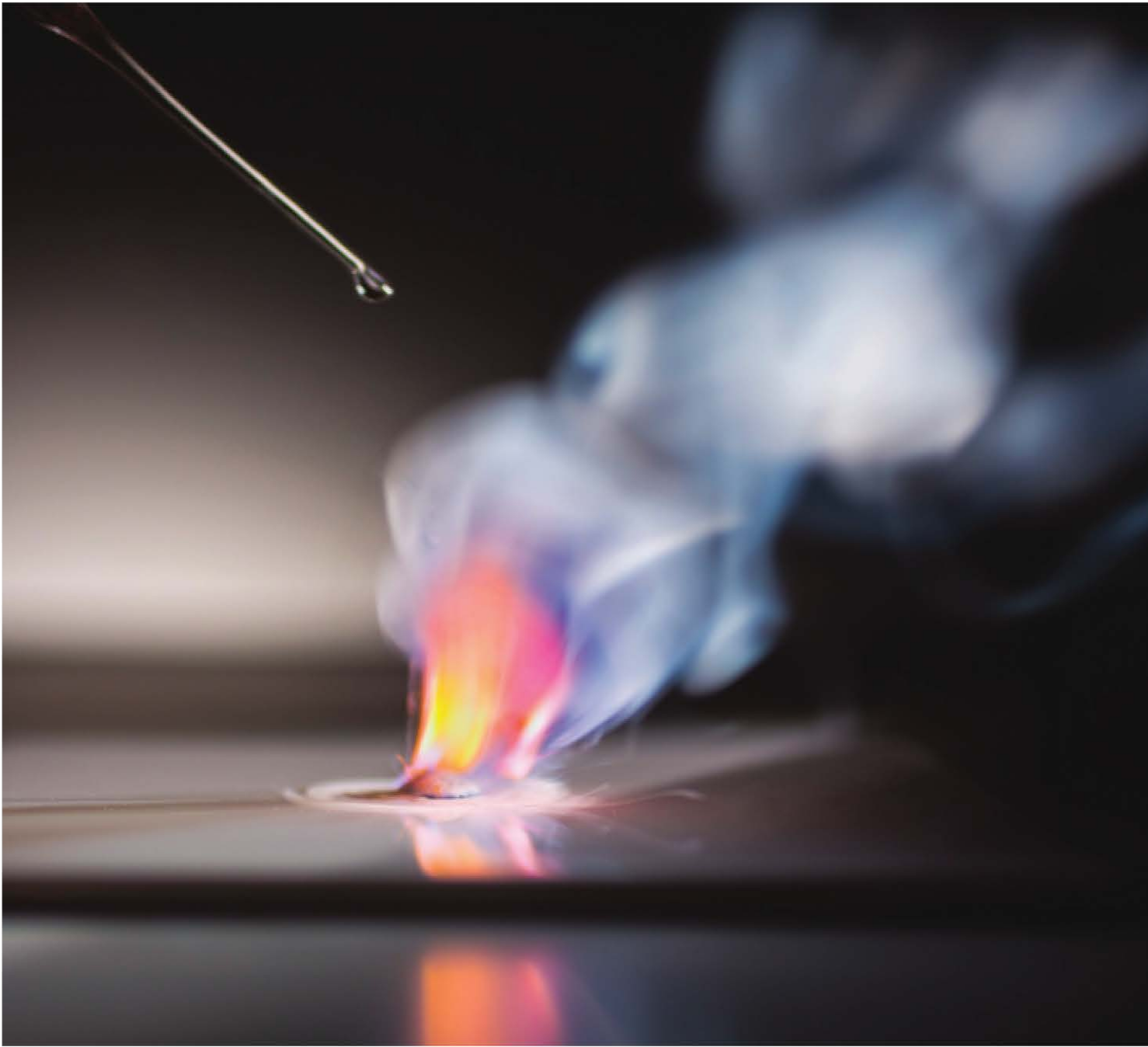
Example
Worked Example: Potassium Reacting with Water
When a small piece of potassium is placed in water:
- The potassium immediately begins to fizz and move rapidly across the water surface
- Sufficient heat is generated to melt the potassium metal
- The hydrogen gas produced is ignited by the heat, creating a distinctive flame
- The products are potassium hydroxide (dissolved in water) and hydrogen gas
This vigorous reaction demonstrates why potassium is positioned at the top of the reactivity series.
Different metals show characteristic patterns in their reactions with water:
Group 1 metals (Alkali metals) show increasing reactivity going down the group:
- Lithium floats on water surface, producing a steady stream of hydrogen gas bubbles. The metal gradually becomes smaller until it disappears completely.
- Sodium reacts vigorously, generating enough energy to melt the sodium, which then fizzes and moves rapidly across the water surface.
- Potassium reacts violently, producing crackling sounds as the heat released ignites the hydrogen gas generated by the reaction.
- Rubidium explodes violently immediately upon contact with water, releasing hydrogen gas.
Group 2 metals (Alkaline earth metals) show moderate reactivity:
- Magnesium does not react with water at room temperature but will react with steam.
- Calcium reacts slowly with water at room temperature, producing hydrogen gas gradually.
- Strontium reacts more vigorously than calcium. The metal sinks in water, and after a brief period, hydrogen bubbles become visible.
Group 13 metals:
- Aluminium rapidly develops a thin protective layer of aluminium oxide that prevents the metal from reacting with water. However, it will react with steam to produce hydrogen gas.
Transition metals generally show low reactivity:
- Iron reacts with water and oxygen over an extended period to form hydrated iron oxide, commonly known as rust.
- Copper does not react noticeably with water or steam.
- Gold shows no reaction with water, even as steam.
Important
Because of their high reactivity, sodium and potassium must be stored under oil to prevent contact with moisture in the atmosphere. This storage method ensures these highly reactive metals don't undergo spontaneous reactions with water vapour in the air.
Reactivity with oxygen
Many metals react with oxygen to form metal oxides. The rate and vigour of these reactions vary considerably among different metal groups.
Group 1 metals react rapidly with oxygen. When sodium metal burns in pure oxygen, the sodium atoms and oxygen molecules rearrange to form a new compound called sodium oxide. The reaction produces bright light and significant heat.
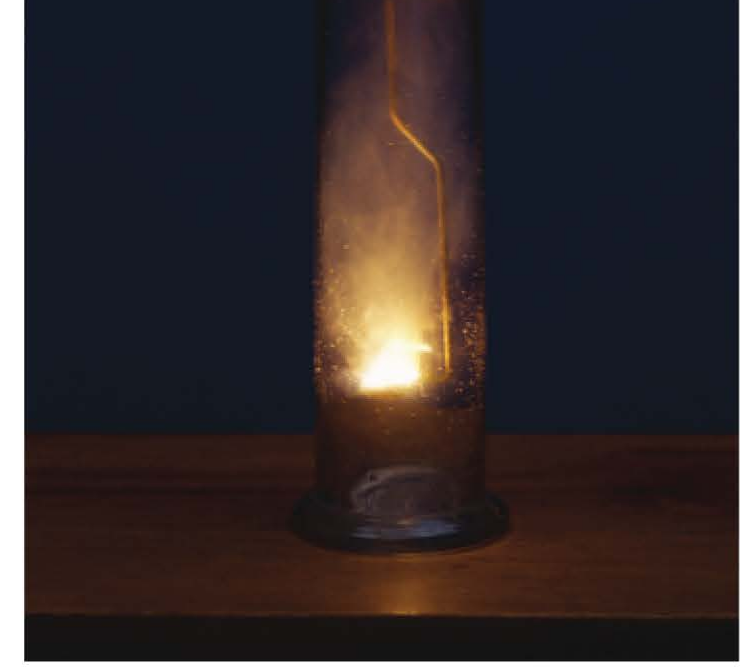
The chemical equation for this reaction is:
sodium metal + oxygen gas → solid sodium oxide
Group 2 metals also react with oxygen to form oxides, though not as rapidly as Group 1 metals. These reactions typically require heat to initiate the reaction.
Transition metals are less reactive with oxygen than metals in Groups 1 and 2, but their reactions remain important. Iron exposed to oxygen and water over time forms rust (hydrated iron oxide). This slow oxidation process demonstrates that even less reactive metals can form oxides given sufficient time and exposure.
Note
The reactivity of metals with oxygen has significant implications for how metals occur in nature. Many industrially important transition metals such as iron, copper, titanium, and aluminium cannot be found in the Earth's crust as pure elements. Instead, they exist as oxide minerals and must be chemically processed to extract the pure metal.
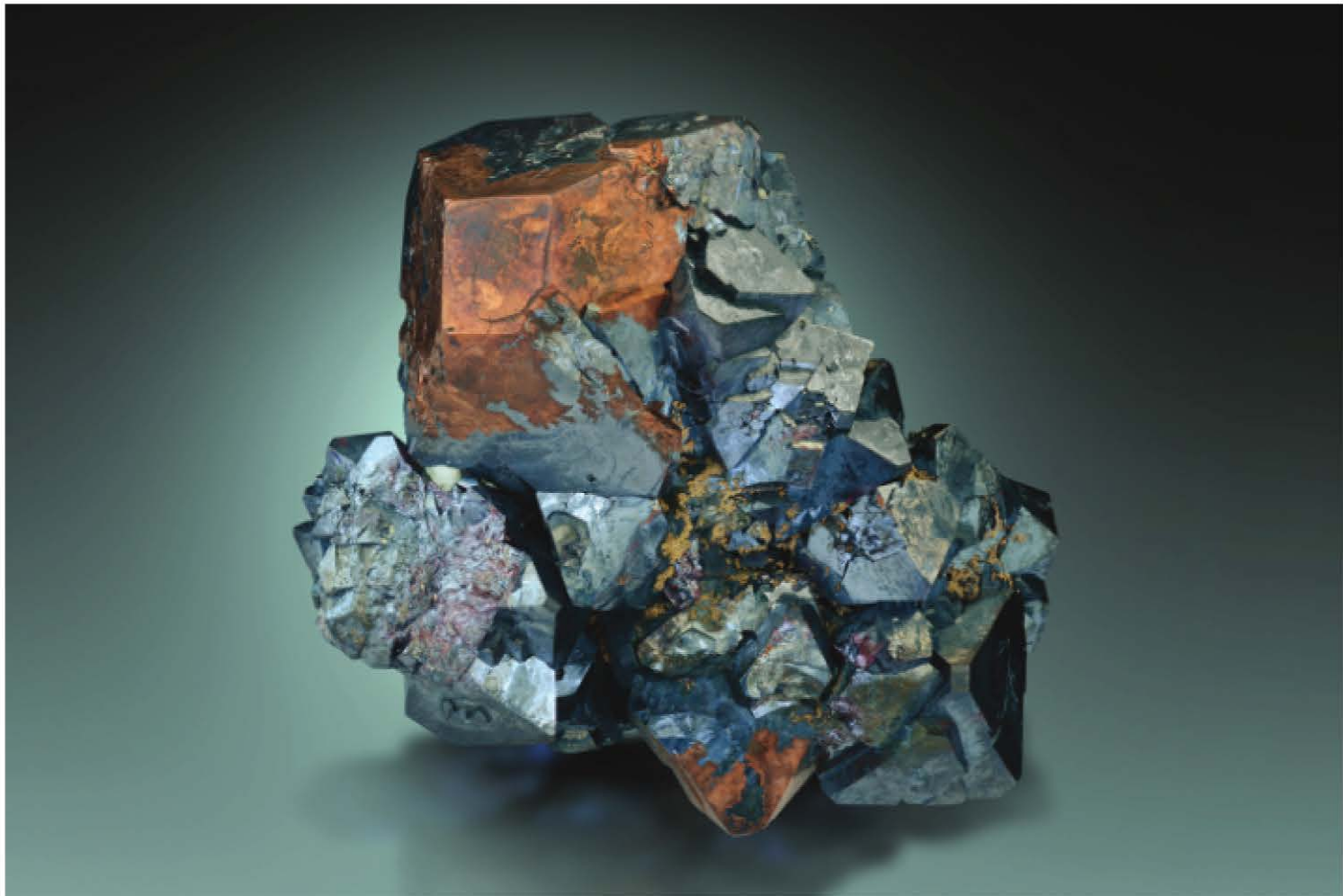
Minerals are naturally occurring solid substances with a definite chemical composition, structure and properties. Copper, for instance, is commonly found embedded in cuprite, a copper oxide mineral with distinctive orange-red crystals.
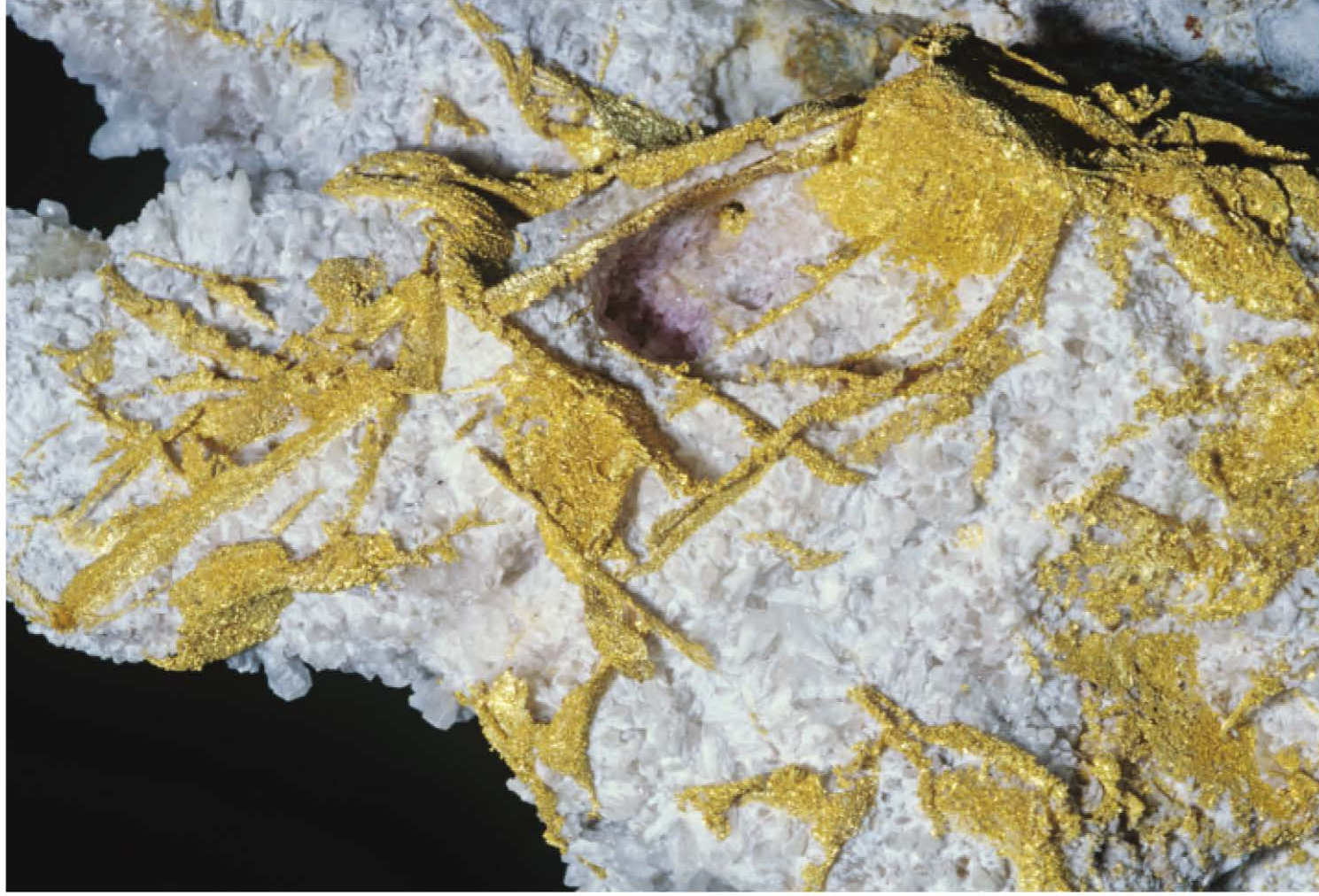
In contrast, unreactive metals like gold and platinum exist in the Earth's crust in their pure metallic form because they do not readily react with oxygen. Gold is often found in rock formations called seams alongside quartz.
Important
Why Some Metals Are Found as Oxides:
Reactive metals (iron, copper, aluminium, titanium) are found in nature as metal oxides because they have already reacted with oxygen over geological time. These must be extracted from their ores through chemical processing.
Unreactive metals (gold, platinum) are found in their pure elemental form because they resist oxidation even over millions of years.
Reactivity with acids
The reactivity patterns of metals with acids follow similar trends to their reactivity with water and oxygen, though metals typically show greater reactivity with acids. The reactions with acids tend to be more energetic and proceed more rapidly.
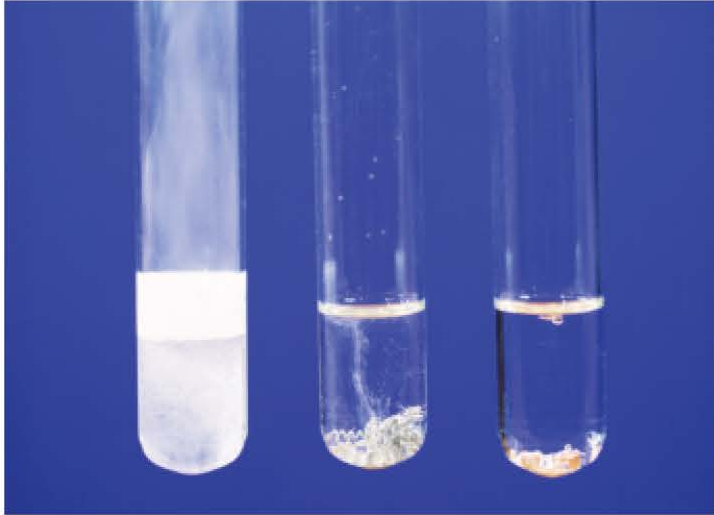
When equal amounts of different metals are placed in dilute acid, distinct differences in reactivity become apparent. Magnesium ribbon reacts most rapidly, producing large amounts of bubbles and mist that indicate vigorous hydrogen gas production. Iron filings react less vigorously than magnesium, showing moderate bubbling. Copper turnings do not react at all with the dilute acid. This experimental observation clearly demonstrates the relative reactivity of these three metals. Hydrogen gas is produced in the reactions involving magnesium and iron.
Example
Worked Example: Comparing Metal Reactivity with Acids
When magnesium, iron, and copper are each placed in dilute hydrochloric acid:
Magnesium: Reacts vigorously
- Observation: Rapid, vigorous bubbling with heat and mist production
- Equation:
- Conclusion: Highly reactive metal
Iron: Reacts moderately
- Observation: Steady bubbling, less vigorous than magnesium
- Equation:
- Conclusion: Moderately reactive metal
Copper: No reaction
- Observation: No bubbles, no visible change
- Conclusion: Low reactivity metal (below hydrogen in reactivity series)
The intensity of the reaction (amount of bubbling and heat) indicates the metal's position in the reactivity series.
Reactivity series of metals
Based on experimental observations of metal reactions, chemists have developed a reactivity series that arranges metals in order of decreasing reactivity.
Important
The Reactivity Series (Most to Least Reactive):
- Potassium (K)
- Sodium (Na)
- Calcium (Ca)
- Magnesium (Mg)
- Aluminium (Al)
- Zinc (Zn)
- Iron (Fe)
- Nickel (Ni)
- Lead (Pb)
- Copper (Cu)
- Silver (Ag)
- Gold (Au)
- Platinum (Pt)
Group 1 metals appear at the top of the series (most reactive), while transition metals appear towards the bottom (less reactive).
Periodic trends in reactivity
Metal reactivity demonstrates clear periodic patterns:
- Down a group: Reactivity increases as you move down a group in the periodic table
- Across a period: Reactivity decreases as you move from left to right across a period
These trends can be explained by examining how valence electrons behave in metal atoms. When metals undergo chemical reactions, their atoms form positive ions by donating one or more valence electrons to other atoms. The ease with which a metal loses its valence electrons determines its reactivity.
Note
Metals that require less energy to remove electrons are more reactive. Therefore, the most reactive metals are those with the lowest ionisation energies (the energy required to remove an electron from an atom). These metals are found in the bottom left-hand corner of the periodic table. Transition metals typically have higher ionisation energies and are therefore less reactive than Group 1 and Group 2 metals.
Exam tip: Remember that reactivity relates directly to ionisation energy. Lower ionisation energy means higher reactivity because the metal more easily loses electrons to form positive ions.
The special case of aluminium
Although aluminium ranks relatively high in the reactivity series, it is widely used for products exposed to air and water, such as cooking utensils, window frames, and aeroplane bodies. This appears contradictory - how can a reactive metal resist corrosion?
The answer lies in aluminium's surface chemistry. Aluminium is indeed quite reactive, but it has already reacted with oxygen in the air. A thin protective layer of aluminium oxide forms rapidly on the metal's surface, preventing further reaction with water or oxygen. This oxide layer is transparent, tightly bonded to the metal surface, and effectively seals the reactive aluminium beneath from further attack.
Example
Demonstration: Aluminium's True Reactivity
The protective nature of aluminium's oxide layer can be demonstrated experimentally:
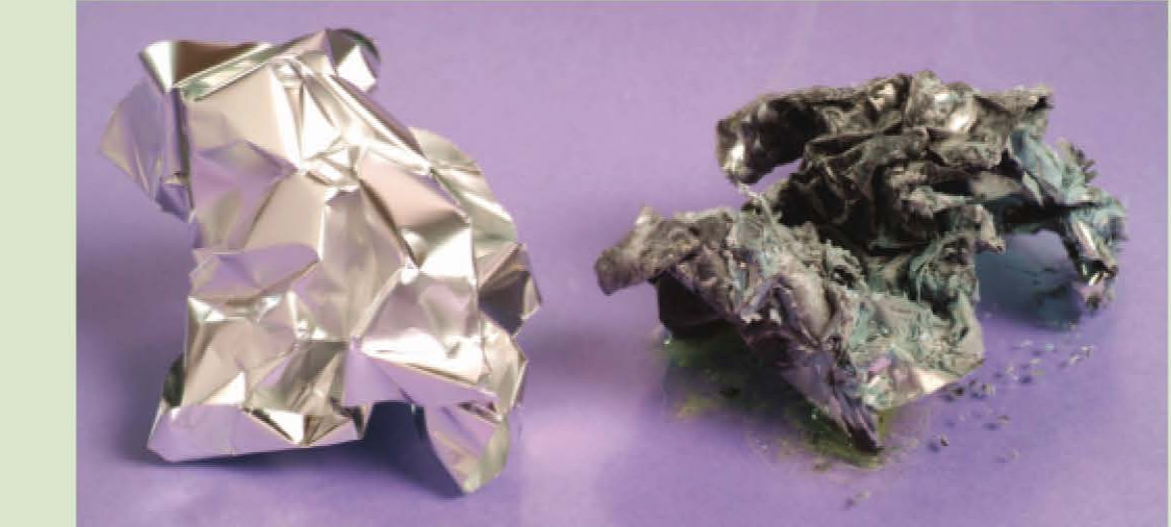
Step 1: Treat aluminium with mercury to form a surface amalgam (an alloy containing mercury)
Step 2: This amalgam disrupts the protective oxide layer
Step 3: When exposed to moist air, 'whiskers' of aluminium oxide grow rapidly from the surface
Result: The amalgamated aluminium can spontaneously ignite, revealing aluminium's true reactivity when its protective layer is removed.
This dramatic demonstration shows that aluminium's apparent resistance to corrosion is due to its protective oxide coating, not low reactivity.
Summary
Key Points to Remember:
-
Reactivity describes how readily a metal undergoes chemical reactions. Different metals show varying reactivity levels, from highly reactive (potassium, sodium) to essentially inert (gold, platinum).
-
Metals can be tested for reactivity using water, oxygen, and acids. Generally, metals are more reactive with acids than with water or oxygen, producing more vigorous reactions.
-
The reactivity series arranges metals from most reactive (potassium) to least reactive (platinum). Group 1 metals are most reactive, transition metals are less reactive.
-
Periodic trends: Metal reactivity increases going down a group and decreases going across a period from left to right. This relates to ionisation energy - metals with lower ionisation energies are more reactive.
-
Practical implications: Highly reactive metals like sodium and potassium must be stored under oil. Many industrially important metals (iron, copper, aluminium) are found in nature as oxides because of their reactivity with oxygen. Unreactive metals like gold exist in pure form.
-
Aluminium's paradox: Despite being reactive, aluminium resists corrosion due to its protective oxide layer that forms immediately upon exposure to air.