Reactions of Alcohols, Carboxylic Acids, and Esters (VCE SSCE Chemistry): Revision Notes
📚Revision Notes
Reactions of Alcohols, Carboxylic Acids, and Esters
Introduction
Alcohols are widely used organic compounds in modern society. One important example is ethanol, which is commonly blended with petrol to create fuel mixtures. You may have seen E10 fuel at your local petrol station.
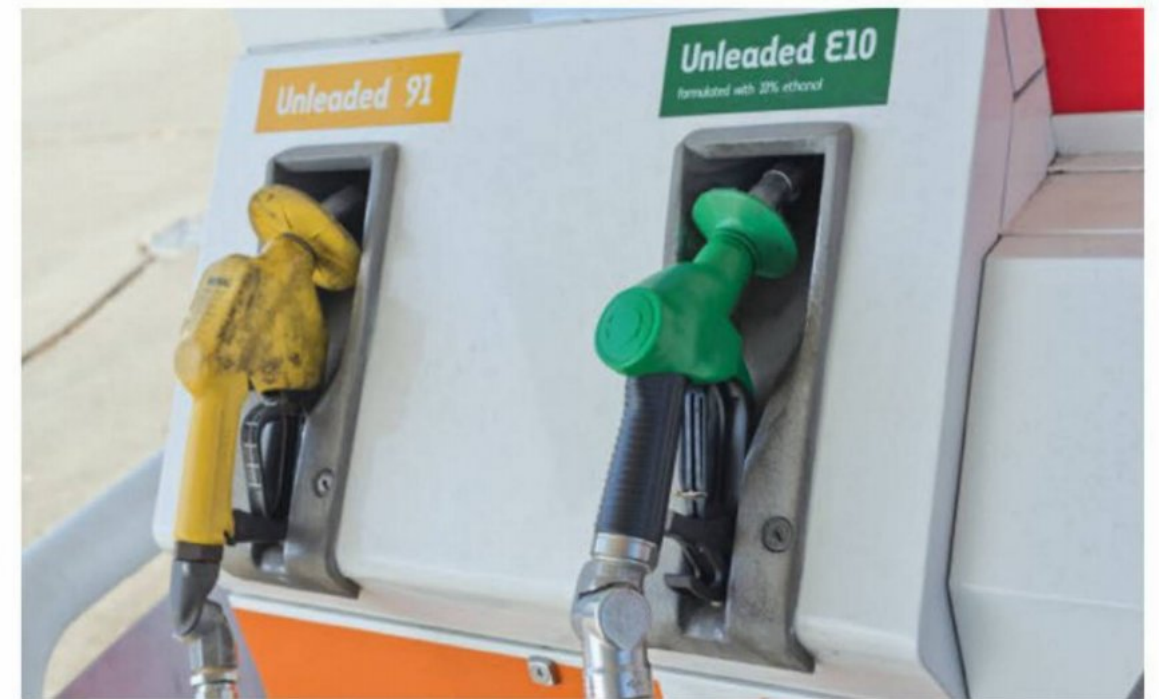
The 'E10' label means the petrol contains 10% ethanol by volume. In some countries like Brazil, ethanol from fermented sugarcane is used extensively as a biofuel, with some vehicles running on 100% ethanol.
Note
Alcohols undergo several important chemical reactions due to their hydroxyl () functional group, making them significantly more reactive than alkanes. This functional group is the key to understanding all the reactions discussed in this chapter.
Reactions of alcohols
Combustion of alcohols
Like alkanes and alkenes, alcohols combust readily when exposed to oxygen in the air. The products are carbon dioxide and water. For ethanol, the combustion equation is:
This reaction releases significant amounts of energy (it is highly exothermic), which is why ethanol can be used as a fuel. On a smaller scale, methylated spirits (approximately 95% ethanol mixed with other chemicals) is sometimes used as fuel for camping stoves.
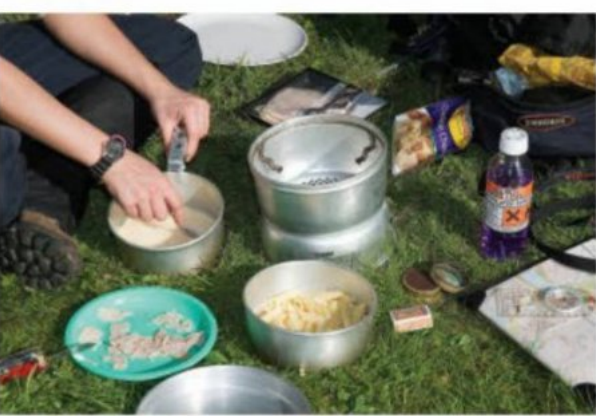
Some cooking techniques even use burning alcohol to add dramatic flair and flavour to dishes.
Classification of alcohols
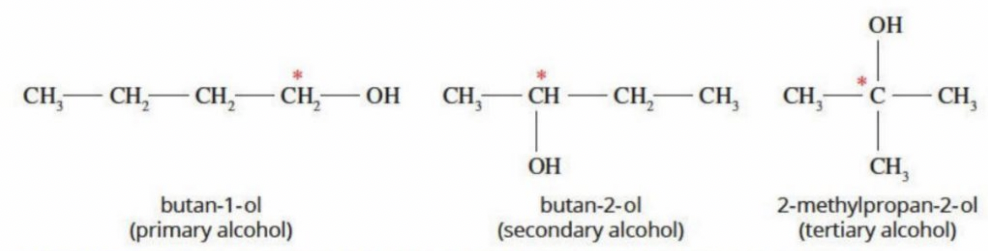
Before studying oxidation reactions, we need to understand how alcohols are classified. Alcohols fall into three categories based on the position of the hydroxyl group within the molecule:
Important
Classification of Alcohols
Primary alcohols (1°): The group is bonded to a carbon atom that is attached to only one other alkyl group (or none, as in methanol). When oxidised, primary alcohols first form aldehydes, which can be further oxidised to carboxylic acids.
Secondary alcohols (2°): The group is bonded to a carbon atom that is attached to two alkyl groups. These alcohols oxidise to form ketones.
Tertiary alcohols (3°): The group is bonded to a carbon atom that is attached to three alkyl groups. These alcohols resist oxidation by typical inorganic oxidising agents.
The following diagram shows how different isomers of butanol () can be classified. The asterisk marks the carbon atom that determines the alcohol's classification.
Note
Memory Aid: "PACK" for Alcohol Classification
- Primary = 1 Alkyl group
- Secondary = 2 Alkyl groups
- Tertiary = 3 Alkyl groups
Chemists often use the symbols 1°, 2°, and 3° as shorthand for primary, secondary, and tertiary respectively.
Oxidation of alcohols
Combustion is one type of oxidation reaction that alcohols can undergo. However, alcohols can also be oxidised using strong inorganic oxidising agents. The two most common oxidising agents used are:
- Acidified potassium dichromate solution ()
- Acidified potassium permanganate solution ()
The products formed depend on which type of alcohol is being oxidised.
Oxidation of primary alcohols
Primary alcohols undergo oxidation in two distinct stages when heated with strong oxidising agents.
Example
Worked Example: Two-Stage Oxidation of Primary Alcohols
Stage 1: The primary alcohol is oxidised to an aldehyde under mild conditions.
Stage 2: With continued heating and excess oxidising agent, the aldehyde is further oxidised to a carboxylic acid.
For example, propan-1-ol oxidises first to propanal (an aldehyde), then to propanoic acid (a carboxylic acid):

Although aldehydes are important intermediates, their detailed chemistry is not covered in this course.
The oxidation can be represented without showing the aldehyde intermediate:
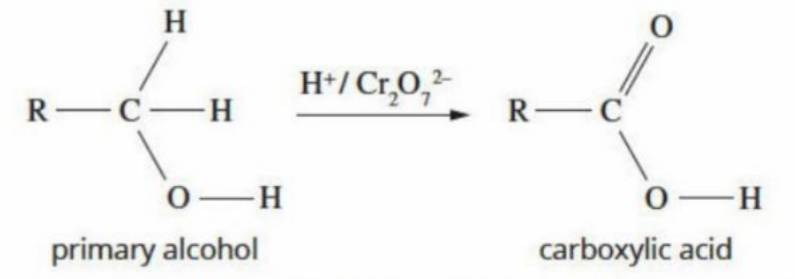
This general equation shows how any primary alcohol (represented by R) can be oxidised directly to a carboxylic acid.
Note
In these equations, the formulas of inorganic reactants are written above the arrow, and only organic products are shown below. This is a common convention in organic chemistry that simplifies the representation of reactions.
Important
Key Point: Primary Alcohol Oxidation
Primary alcohols are oxidised to carboxylic acids by strong oxidising agents such as acidified potassium dichromate and acidified potassium permanganate.
Memory Aid: "Primary produces Acids" (both start with vowels)
Oxidation of secondary alcohols
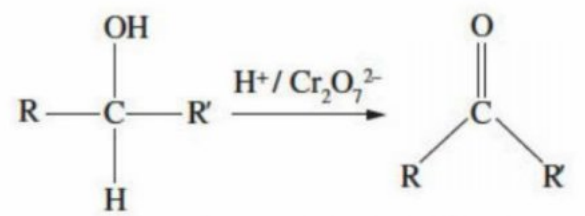
When secondary alcohols react with strong oxidising agents like acidified potassium dichromate or permanganate, they produce ketones. The general equation is:
Example
Worked Example: Oxidation of a Secondary Alcohol
Here's a specific example showing propan-2-ol being oxidised to propan-2-one (a ketone):
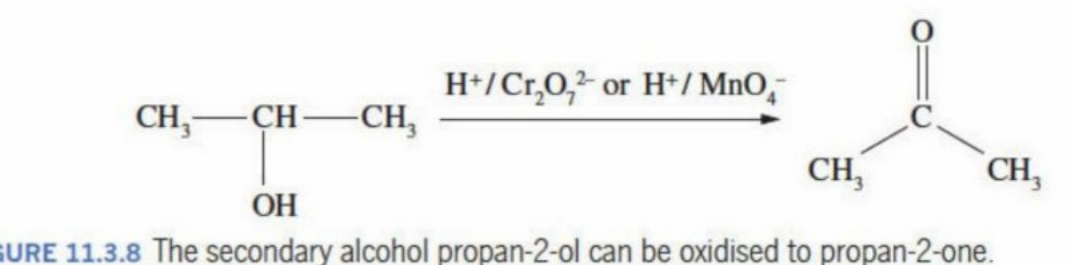
Notice that unlike primary alcohols, secondary alcohols cannot be oxidised further beyond the ketone stage under normal conditions.
Note
Memory Aid: "Secondary produces Ketones" (both have 'e' as second letter)
Tertiary alcohols and oxidising agents
Tertiary alcohols resist oxidation by acidified potassium dichromate or permanganate solutions. They do not normally react with these oxidising agents.
The reason lies in their molecular structure. During oxidation of primary and secondary alcohols, the single bond of the hydroxyl group converts into a double bond. Simultaneously, at the same carbon atom, the number of bonds decreases.
Important
Why Tertiary Alcohols Don't Oxidise
In tertiary alcohols, there is no bond attached to the same carbon atom as the hydroxyl group. Without this bond, oxidation cannot occur at this carbon atom, making tertiary alcohols resistant to oxidation.
Colour changes in oxidation reactions
The oxidising agents used to oxidise alcohols are highly coloured due to the presence of transition metal elements (chromium and manganese). These colour changes can be used as qualitative tests to identify the type of alcohol present.
Important
Oxidation Test Colour Changes
Dichromate test:
- Solution of dichromate ions () in water is orange
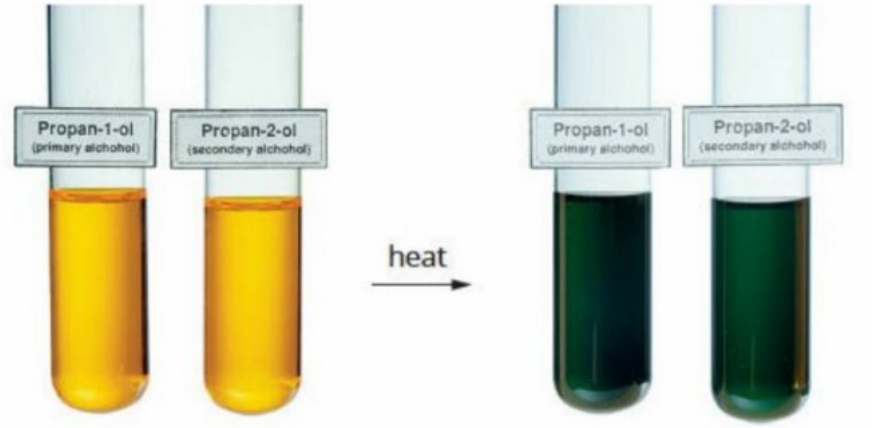
- When it oxidises a primary or secondary alcohol, the dichromate is reduced to chromium ions (), which are green
- Colour change: orange → green
Permanganate test:
- Solution of acidified potassium permanganate is deep purple
- When it reacts with primary or secondary alcohols, the permanganate ion () is reduced to , which is colourless
- Colour change: purple → colourless
The following image shows the colour change observed when propan-1-ol and propan-2-ol react with acidified dichromate upon heating:
The table below summarises the oxidation reactions and colour changes for primary and secondary alcohols:
| Type of alcohol | Products | Colour change with acidified potassium dichromate | Colour change with acidified potassium permanganate |
|---|---|---|---|
| Primary (1°) | Aldehydes (under mild conditions); Carboxylic acids (at higher temperatures with longer reaction times) | Orange → green | Purple → colourless |
| Secondary (2°) | Ketones (higher temperatures and longer reaction times may be needed) | Orange → green | Purple → colourless |
Note
Exam Tip
Remember that tertiary alcohols show no colour change with these oxidising agents because they do not undergo oxidation under these conditions.
Reactions of carboxylic acids
Molecules containing carboxyl groups () are common in nature and found in most plants. Solutions of carboxylic acids taste sour—this explains the sour taste of vinegar, lemons, yoghurt, rhubarb, and most unripe fruits.
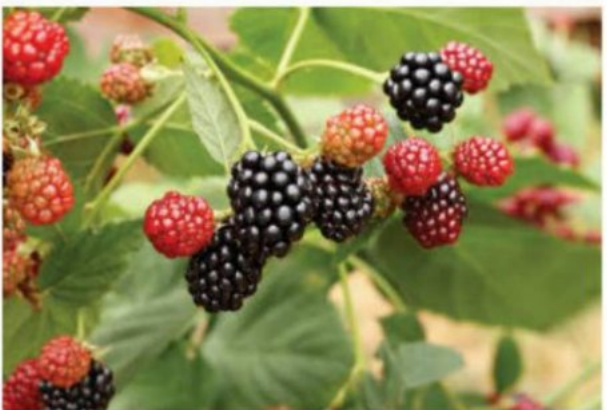
When fruits like blackberries ripen, complex chemical reactions occur. These include the conversion of carboxylic acids into other compounds. Some of these reactions involve carboxylic acids reacting with alcohols to produce esters, which give many fruits their characteristic aromas and flavours.
Ionisation in water
Carboxylic acids are weak acids that only partially ionise in water. Ethanoic acid, for example, ionises to a small extent to form hydronium ions and ethanoate ions:
The reaction is reversible, shown by the equilibrium arrows, and the equilibrium constant is small. This means that at equilibrium, most of the acid remains in its molecular form rather than being ionised. Other carboxylic acids behave similarly in water.
Note
Key Point: Weak Acid Behaviour
Carboxylic acids only ionise partially in water because the equilibrium constant for the reaction is small. This is why they are classified as weak acids, unlike strong acids such as hydrochloric acid which ionise completely.
Reactions of carboxylic acids with alcohols (esterification)
When two molecules react to form a larger molecule while releasing a small molecule like water, the reaction is called a condensation reaction. Esters are produced by a condensation reaction between a carboxylic acid and an alcohol. This specific type of condensation is also known as an esterification reaction.
Example
Worked Example: Esterification Reaction
Ethyl ethanoate can be produced by gently heating a mixture of ethanol and pure ethanoic acid with a trace amount of sulfuric acid, which acts as a catalyst. The products are the desired ester and water.
The general equation and specific examples are shown below:
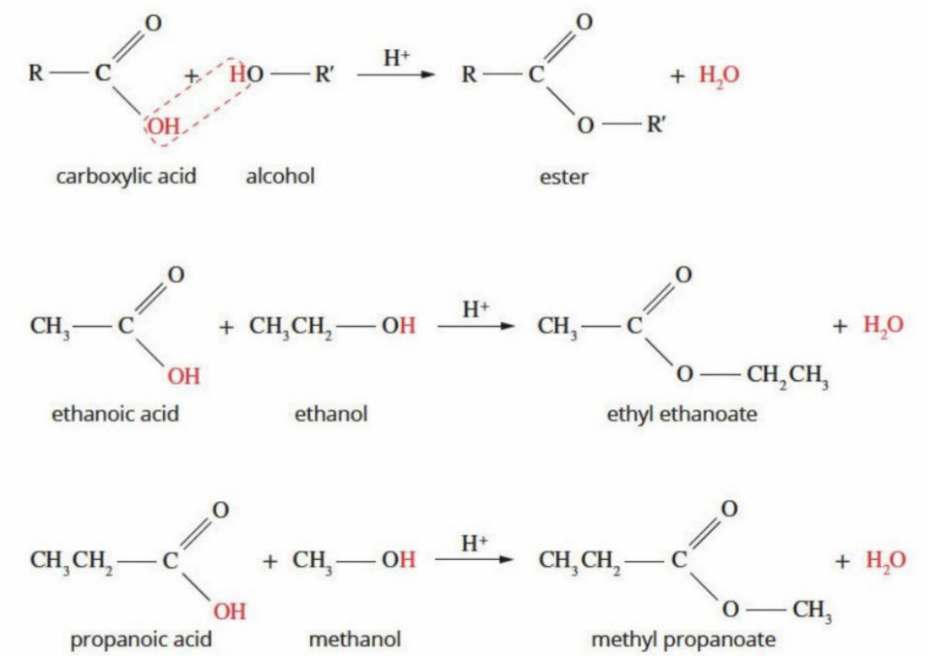
In the esterification reaction, the hydrogen atom from the hydroxyl group of the alcohol combines with the group from the carboxylic acid to form water, which is the small molecule eliminated.
Note
Naming Esters
The first part of an ester's name comes from the alcohol used, and the second part comes from the carboxylic acid. For example, methanol reacting with propanoic acid produces methyl propanoate.
General pattern: [alcohol name] [acid name with -oate ending]
Important
Definition: Condensation Reaction
In organic chemistry, when two molecules react to form a larger molecule and a smaller molecule such as water is released, the reaction is called a condensation reaction. This is a fundamental reaction type in organic chemistry.
Aromas of organic compounds
Many carboxylic acids with short hydrocarbon chains have unpleasant odours. Butanoic acid, for instance, smells similar to smelly feet and socks, and contributes to the characteristic smell of human vomit. However, when short-chain carboxylic acids react with alcohols to produce esters, there is usually a remarkable transformation—many esters have very pleasant aromas.
Example
Worked Example: Transformation of Aroma
Butanoic acid (unpleasant smell) reacts with ethanol to produce ethyl butanoate, which smells like fresh pineapple.

This dramatic change in odour properties demonstrates how esterification can completely alter the sensory properties of organic compounds.
Hydrolysis of esters
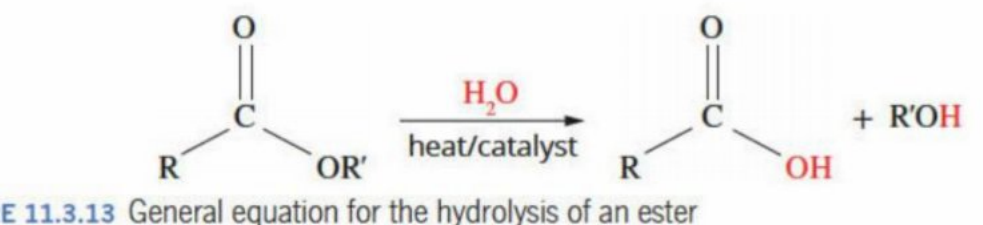
The condensation reaction between carboxylic acids and alcohols is reversible. Esters can react with water to regenerate a carboxylic acid and an alcohol. Reactions of this type are called hydrolytic reactions or simply hydrolysis. This reaction is catalysed by either dilute acid or alkali, and requires heating.
Example
Worked Example: Acid-Catalysed Hydrolysis
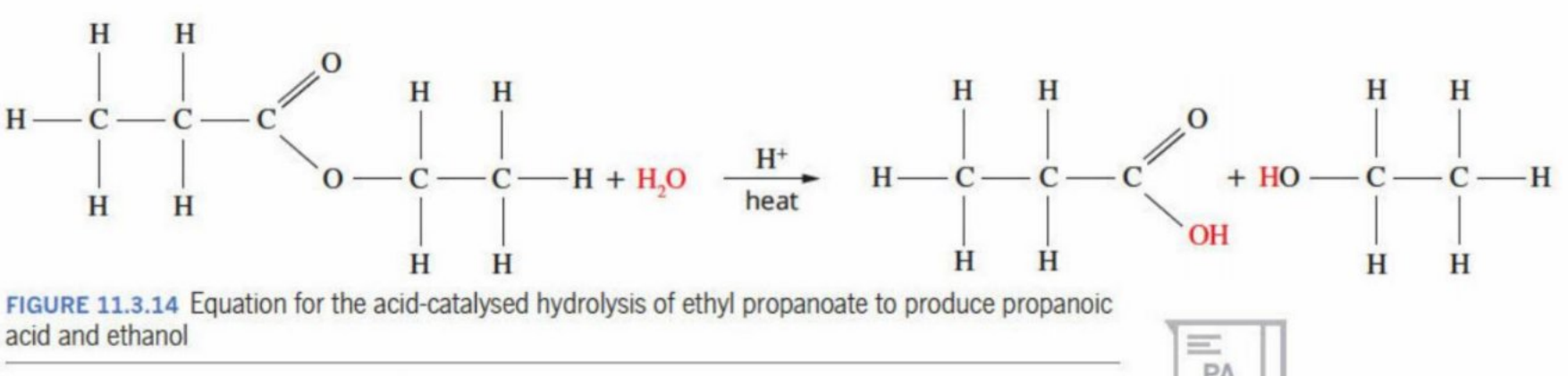
When esters are hydrolysed in acidic solution, the products are an alcohol and a carboxylic acid. Here's the equation for the hydrolysis of ethyl propanoate:
Note
Base-Catalysed Hydrolysis
When the hydrolysis is catalysed by an alkali such as sodium hydroxide, the products are an alcohol and the sodium salt of the carboxylic acid. The sodium salt can be easily converted to the carboxylic acid by adding dilute acid solution, such as hydrochloric acid.
Important
Key Point: Ester Hydrolysis Products
Esters hydrolysed by metal hydroxides form a salt of the carboxylic acid. Addition of excess acid regenerates the protonated carboxylic acid.
Transesterification and the production of biodiesel
Biodiesel can be made from vegetable oils through a process called transesterification. To understand this, we first need to look at the structure of fats and vegetable oils.
Structure of triglycerides
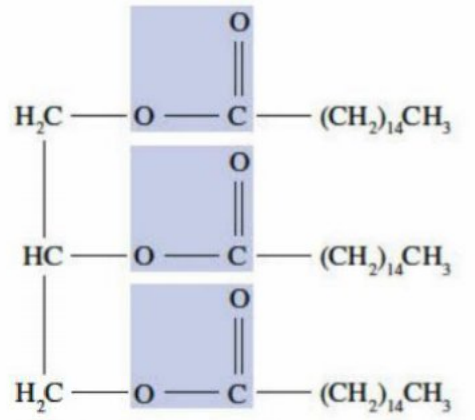
Fats and vegetable oils are triglycerides—molecules consisting of three hydrocarbon chains attached by ester functional groups to a backbone of three carbon atoms.
Note
The three ester functional groups are highlighted in the diagram. These ester linkages are the key to understanding how transesterification works. You will study the chemistry of these compounds in more detail in later units.
The transesterification process
A transesterification reaction occurs between an alcohol and an ester. During this reaction, an alkyl group on the alcohol molecule swaps places with the alkyl group on the part of the ester molecule that was originally derived from an alcohol.
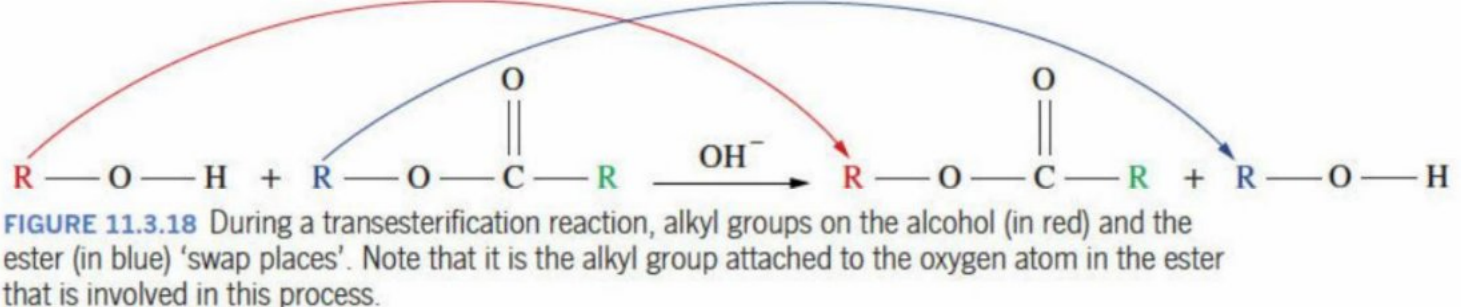
The curved arcs in the diagram show how the alkyl groups exchange positions.
Producing biodiesel from triglycerides
Important
Biodiesel Production Process
In biodiesel production, a triglyceride (from vegetable oil) is warmed with an alcohol (usually methanol) in the presence of a catalyst (potassium hydroxide solution). The triglyceride converts into:
- Glycerol (a small molecule with three hydroxyl groups)
- Three ester molecules with long carbon chains (these are the biodiesel product)
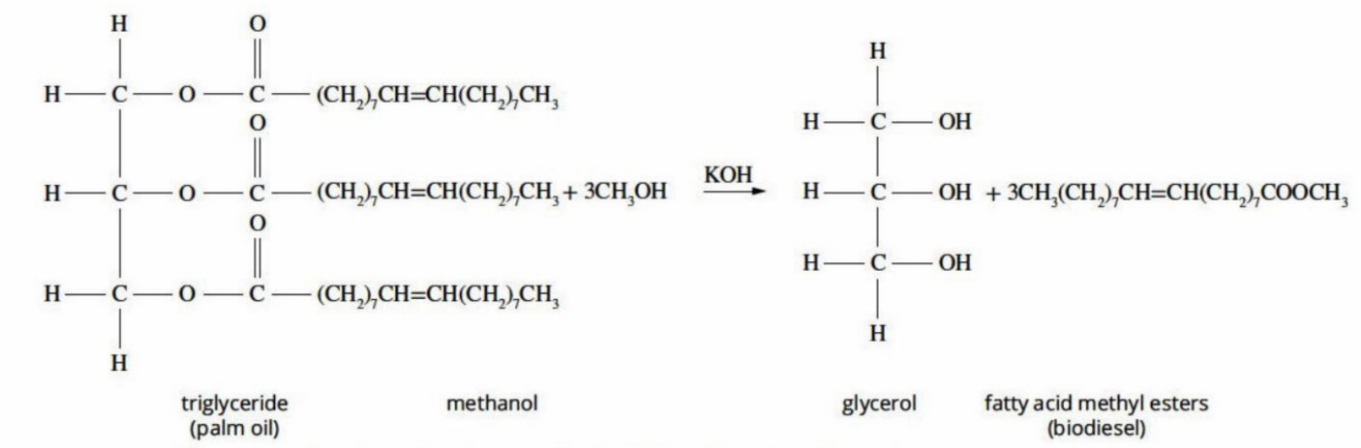
The ester molecules produced are called fatty acid methyl esters. A typical biodiesel molecule has a long saturated or unsaturated hydrocarbon chain with a methyl ester group at one end:

This biodiesel can be used as an alternative to petroleum diesel in many engines.
Case study: making margarine
The raw materials used to make many margarines include vegetable oils. Most vegetable oils are liquids at room temperature and cannot be spread on bread in the same way as butter.
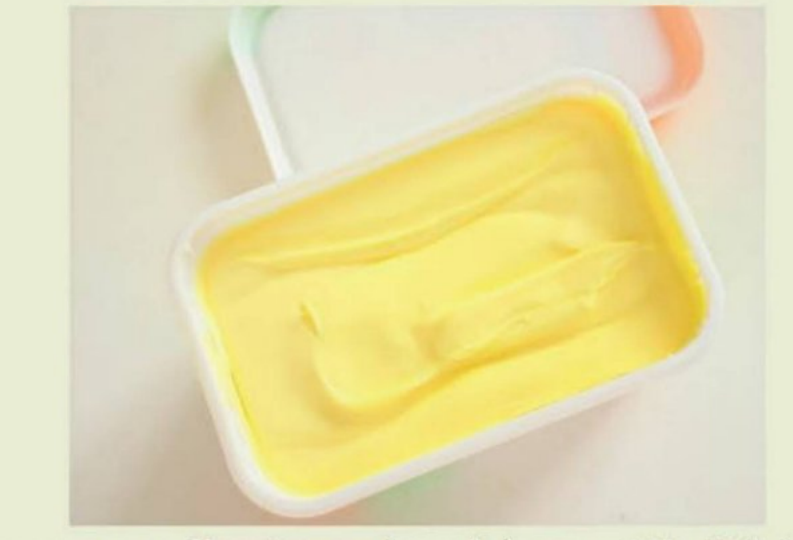
Vegetable oils contain ester groups and long hydrocarbon chains that are polyunsaturated, meaning they contain multiple carbon-carbon double bonds. If some of these double bonds are converted to single bonds, the molecules can pack more closely together. This results in stronger dispersion forces between molecules and higher melting points, converting the liquid into a semi-solid suitable for spreading.
Traditionally, one step in making margarine involved reacting vegetable oils with hydrogen gas using a metal catalyst such as nickel. In this step, some carbon-carbon double bonds undergo addition reactions with hydrogen and are converted into single bonds.
Important
Health Concerns: Trans Fats
Scientific studies have shown that hydrogenation of vegetable oils can produce compounds known as 'trans fats', which can contribute to cardiac health problems. As a result, many countries have restricted or prohibited the manufacture of margarine by hydrogenation, and alternative methods have been developed.
Summary
Summary
Key Points to Remember:
-
Combustion of alcohols: Alcohols burn in air to produce carbon dioxide and water in a highly exothermic combustion reaction.
-
Classification of alcohols: Alcohols are classified as primary (1°), secondary (2°), or tertiary (3°) based on how many alkyl groups are attached to the carbon bearing the hydroxyl group.
-
Oxidation products differ by alcohol type:
- Primary alcohols oxidise to carboxylic acids (via aldehyde intermediates)
- Secondary alcohols oxidise to ketones
- Tertiary alcohols resist oxidation
-
Colour changes identify oxidation:
- Dichromate changes from orange → green
- Permanganate changes from purple → colourless when reacting with primary or secondary alcohols
-
Esterification is a condensation reaction: A carboxylic acid and alcohol react (with acid catalyst) to produce an ester and water.
-
Hydrolysis reverses esterification: Esters react with water (with acid or base catalyst) to regenerate carboxylic acids and alcohols.
-
Transesterification produces biodiesel: Triglycerides from vegetable oils react with methanol (using base catalyst) to form glycerol and fatty acid methyl esters (biodiesel).