Sustainable Production of Chemicals (VCE SSCE Chemistry): Revision Notes
📚Revision Notes
Sustainable Production of Chemicals
Introduction
Modern society depends heavily on chemicals in everyday life. However, as the 20th century progressed, scientists and environmentalists became increasingly aware of the negative impacts that some manufactured chemicals were having on both the environment and human health. This awareness led to a shift towards producing chemicals in a more responsible and sustainable manner.
The ozone layer crisis
The role of ozone
Ozone ( ) is a gas found in the upper levels of Earth's atmosphere. Although present in low concentrations, it plays a crucial role in protecting life on Earth by absorbing dangerous ultraviolet radiation from the Sun.
Note
Without this protective ozone layer, harmful UV wavelengths would reach Earth's surface, causing severe health problems including sunburn, skin cancer, cataracts and other eye damage. The ozone layer acts as Earth's natural sunscreen.
Discovery of the ozone hole
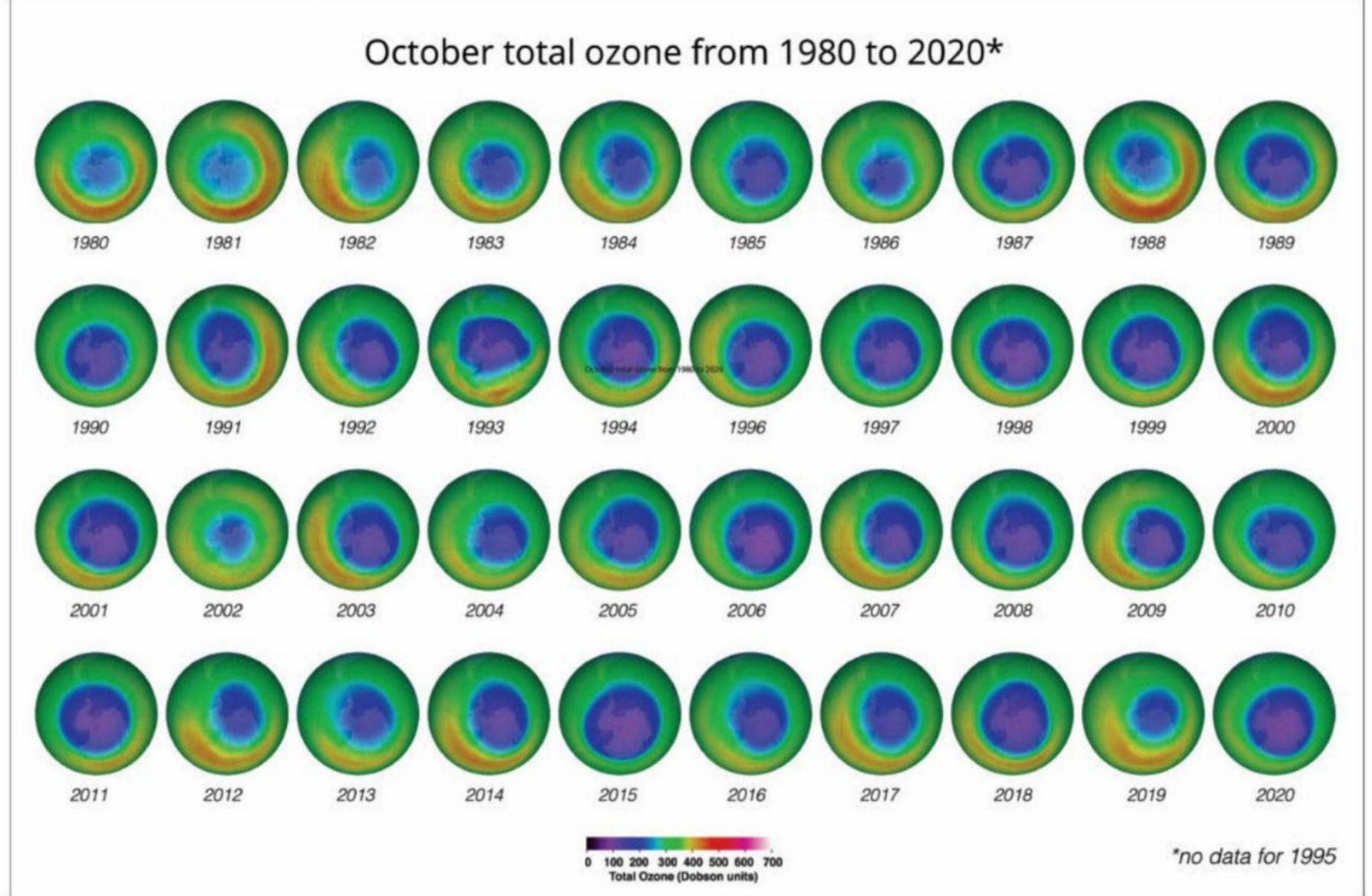
In the early 1980s, atmospheric scientists observed a significant decline in ozone concentration over Antarctica during the Southern Hemisphere spring season. This phenomenon became known as "the hole in the ozone layer." The size of this hole steadily increased over subsequent years, causing particular alarm in countries close to Antarctica, such as Australia, New Zealand and Argentina.
Important
The discovery of the ozone hole was particularly concerning for countries in the Southern Hemisphere, where increased UV radiation posed immediate health risks to populations. Australia experienced rising rates of skin cancer during this period.
Chlorofluorocarbons as the culprit
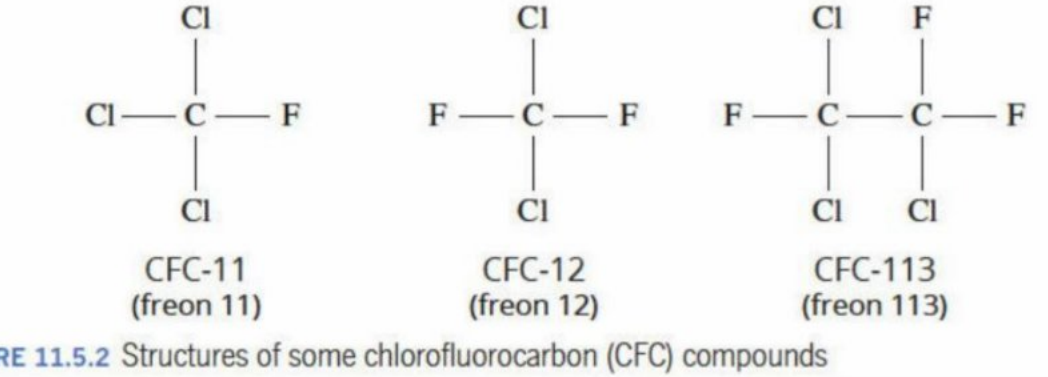
Scientists in the 1970s demonstrated that ozone was being broken down by compounds called chlorofluorocarbons (CFCs). At that time, CFCs were widely used as propellants in aerosol cans and as refrigerants in air conditioners for cars and homes.
CFCs are extremely stable compounds. Once released into the atmosphere, they gradually make their way to the upper atmospheric levels. There, solar radiation interacts with CFC molecules, producing highly reactive chlorine free radicals. These chlorine free radicals then react with and destroy ozone molecules.
Note
The stability of CFCs that made them useful in industrial applications is precisely what made them dangerous to the ozone layer. Their long atmospheric lifetime allowed them to reach the upper atmosphere where they could cause damage.
The Montreal Protocol solution
In 1987, scientists and authorities from around the world reached a landmark agreement to phase out the use of CFCs in aerosols and refrigerants. This agreement became known as the Montreal Protocol.
Replacement compounds that did not contain chlorine were developed, including fluorohydrocarbons and alkanes. As a result of these efforts, atmospheric ozone levels have now stabilized and are estimated to return to pre-1987 levels by approximately 2050.
Note
The Montreal Protocol stands as an encouraging example of what can be achieved when scientists and authorities work together collaboratively to address worldwide environmental challenges. It remains one of the most successful international environmental agreements in history.
Green chemistry
The ozone layer depletion was just one of many environmental problems that emerged during the second half of the 20th century. While chemical research led to advances in polymers, solvents, fertilisers, insecticides, pharmaceuticals, detergents, glues, paints and fabrics, there was also growing awareness of the negative impacts these manufactured chemicals could have on the environment and human health.
This recognition led to the development of a new approach called green chemistry - the design and manufacture of chemicals in ways that minimize environmental and health impacts.
Fundamental aims of green chemistry
Chemical industries following green chemistry principles should:
- Design manufacturing processes that produce minimal waste
- Replace fossil fuels and resources with renewable alternatives
- Produce goods that are biodegradable or recyclable; any manufacturing waste should also be biodegradable or recyclable
- Design processes that are efficient and not harmful to the environment
The 12 principles
In 1998, two US scientists, Paul Anastas and John Warner, published the "12 principles of green chemistry." These principles provide guidelines for the chemical industry to design products and processes with reduced impacts on human health and the environment.
Note
This topic focuses on three key green chemistry principles that have the greatest impact on sustainable production:
- Use renewable feedstocks (raw materials)
- Use catalysts
- Design safer chemicals and products
Renewable feedstocks
A feedstock is a raw material used in the preparation of other products. For example, vegetable oils serve as feedstock for biodiesel production.
Fossil fuels as traditional feedstocks
Coal, crude oil and natural gas have provided sources for many essential chemical products throughout the 20th century and into the present day. While commonly known as fossil fuels, these resources have numerous other applications:
| Resource | Product |
|---|---|
| Coal | Tar, coke for iron smelting, creosote, medicines |
| Crude oil | Polymer feedstock, bitumen, petroleum jelly, paraffin wax |
| Natural gas | Hydrogen gas, polymer feedstock |
The problem with fossil fuel feedstocks
Important
Using fossil fuels as feedstock presents two significant problems:
- Non-renewable nature: These resources cannot be replaced once depleted
- Environmental persistence: Products made from these resources are often not biodegradable and persist in the environment
Recent decades have seen increased efforts to find replacements for non-renewable feedstocks, with significant progress achieved in developing alternative sources.
Biopolymers
Early in the 20th century, most polymers were actually biopolymers - made from plant-derived feedstocks. Examples included celluloid and cellophane, both based on cellulose from plant material. Celluloid was used for movie film as early as the 1920s, and cellophane is still used for wrapping material. These polymers are biodegradable.
However, by mid-century, most polymers were made from crude oil fractions through fractional distillation. These included polyethene, polypropene, polystyrene and polyvinylchloride. Unlike cellulose-based polymers, these compounds do not biodegrade easily and persist in the environment for extended periods.
With greater attention now paid to biodegradability and reduced reliance on non-renewable resources, biopolymer development has accelerated.
Example
Worked Example: Polyglycolic Acid from Renewable Sources
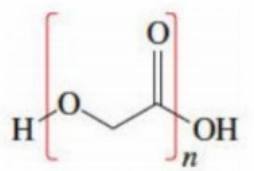
Polyglycolic acid can be made from materials obtained from cane sugar, similar to bioethanol production.
Application: Due to its biodegradability, it is used in manufacturing sutures that can be absorbed by the human body.
Benefits:
- Made from renewable plant sources (cane sugar)
- Completely biodegradable in the body
- Eliminates need for suture removal
- Reduces patient discomfort and medical visits

Biosolvents
The solvent industry is large and diverse, with applications in:
- Paints and coatings
- Fertilisers, fungicides and herbicides
- Inks
- Cleaning agents
- Cosmetics
- Pharmaceuticals
Traditionally, these solvents were manufactured using precursors from fossil fuels (coal, crude oil and natural gas).
Note
Traditional vs renewable solvents:
White spirits, a solvent made from crude oil components, comes from a non-renewable resource. In contrast, turpentine is made from pine tree resin and is therefore renewable. Both serve as paint thinners and grease solvents.
Recent interest has focused on developing solvents from natural products such as corn, sugarcane and vegetable oils.
Example
Worked Example: Solketal as a Biossolvent
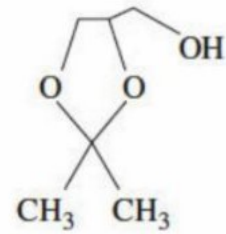
Glycerol is produced in large quantities as a by-product of biodiesel manufacture from vegetable oils. While glycerol itself serves as a solvent in the cosmetics industry, it is also used to manufacture other solvents.
Product: One such product is solketal, a polar solvent used in ink and paint manufacture.
Advantages:
- Made from biodiesel by-product (waste utilization)
- Renewable source (vegetable oils)
- Reduces dependence on fossil fuel-based solvents
Advantages of biopolymers and biosolvents
Biopolymers and biosolvents offer several benefits:
- Their manufacture does not require finite resources such as coal, oil or natural gas
- They can be obtained from renewable plant sources
- Many (though not all) are biodegradable and do not persist as waste in the environment
- Many biopolymers can be recycled
Example
Case Study: Tea Tree Oil
The Bundjalung people of coastal New South Wales have traditionally used leaves from the tea tree (Melaleuca alternifolia) as an antiseptic. The leaves are brewed in hot water like tea to treat sore throats, or crushed into a paste for application on cuts and wounds. When dissolved in carrier oils like olive or almond oil, tea tree oil can reduce skin inflammation.
Green chemistry alignment:
- Renewable resource - continuously harvested from tea trees
- Minimal energy use - simple extraction process
- Biodegradable waste - all by-products break down naturally
Today, tea tree oil is commercially available and used as an antiseptic, deodorant and insect repellent.

Catalysts in sustainable production
Catalysts increase chemical reaction rates by providing an alternative reaction pathway with lower activation energy. This lower activation energy means reactions can proceed at lower temperatures, providing substantial savings in fuel costs for industrial processes requiring heating.
Note
The key to catalyst efficiency is that they provide an alternative reaction pathway. Instead of reactants needing enough energy to overcome a high activation energy barrier, the catalyst creates a route with a much lower energy requirement.
Industrial catalysts
The table below shows examples of catalysts used in large-scale chemical production:
| Chemical product | Catalyst |
|---|---|
| Sulfuric acid () | Vanadium(V) oxide |
| Polyethylene | Activated chromium oxide |
| Nitric acid () | Platinum and rhodium |
In each case, catalysts allow reactions to occur at much lower temperatures than would otherwise be needed.
The Haber process
Ammonia production provides an excellent example of catalyst efficiency. Ammonia is manufactured on a large scale for agricultural fertilisers, including ammonium sulfate, ammonium nitrate, urea and ammonia itself.
Example
Worked Example: The Haber Process Efficiency
Traditional method:
Ammonia was traditionally made by reacting ammonium compounds with strong alkalis:
The Haber process:
First produced industrially in 1913, the Haber process heats nitrogen and hydrogen under high pressure:
Temperature comparison:
- Without catalyst: approximately 3000°C required
- With iron catalyst: approximately 400°C at 200 atmospheres pressure
Energy savings: The catalyst enables a temperature reduction of 2600°C, resulting in enormous savings in heating costs and dramatically reduced fossil fuel consumption.
Important
Advantages of the Haber process:
- Ammonia is the only product; no waste products are generated
- The catalyst can be used repeatedly without being consumed
- Reactant chemicals are cheaper and more readily available (nitrogen from air; hydrogen potentially from water electrolysis rather than methane)
- Massive reduction in energy costs compared to traditional methods
Enzymes as biological catalysts
Enzymes are biological catalysts responsible for catalysing the many chemical reactions occurring in the human body. They catalyse reactions such as the hydrolysis of proteins into amino acids, carbohydrates into monosaccharides, and fats and oils into glycerol and fatty acids. All these reactions occur at body temperature.
Industrial use of enzymes is becoming increasingly common. Enzyme-based processes reduce the need for chemicals, conserve resources, minimize heating costs and reduce waste. Bioethanol, for example, can be produced from plant matter using enzymes as catalysts at low temperatures, without requiring additional heating from fossil fuel combustion.
Examples of industrial enzyme applications:
| Industry | Process | Enzyme type |
|---|---|---|
| Leather | Dehairing hides | Proteases and lipases |
| Fabric | Cotton softening, denim finishing | Cellulases, proteases, amylase |
| Personal care | Hair dyeing | Oxidases, peroxidases |
| Cleaning | Detergents | Lipase, protease |
| Waste management | Crude oil hydrocarbon degradation | Lipases |
Note
Enzymes offer particular advantages in industrial processes:
- They work at low temperatures (often room temperature or body temperature)
- They are highly specific to particular reactions
- They reduce the need for harsh chemicals
- They are biodegradable themselves
Advantages of catalysts
Catalysts offer significant benefits:
- They are not consumed in reactions, reducing resource consumption
- They decrease the temperature at which reactions occur, reducing heating costs and fuel consumption
- They increase reaction rates, yielding more product in shorter time periods
- They can be used continuously without replacement
Designing safer chemicals
Many chemicals once commonly used in consumer products are now banned due to established damaging impacts on human life and the environment.
Examples of banned chemicals in Australia
| Chemical | Use | Environmental/health effects | Date banned | Replacement examples |
|---|---|---|---|---|
| DDT | Insecticide | Persistent in environment, bird eggshell thinning, carcinogen | 1987 | Various pyrethroids |
| Lead in petrol and paints | Engine performance improvement | Toxic to human health, brain damage in children | Petrol: 2002 Paints: 2010 | Paints: titanium dioxide Petrol: hydrocarbon mixture |
| CCA (arsenic compound) | Timber preservative, protection against white ants | Arsenic is poisonous, carcinogenic, linked to birth defects | 2006 (banned from children's play equipment, picnic tables, seating, domestic decking and handrails) | ACQ (copper compound) |
Important
Banning dangerous chemicals reduces their presence in the environment, leading to better outcomes for human health and environmental protection. However, effective replacements must be developed to maintain the benefits these chemicals once provided.
PFAS compounds and fire-fighting foams
The properties of fire-fighting foam chemicals provide a recent example of replacing dangerous chemicals with safer alternatives.
Example
Case Study: PFAS Compounds - From Useful to Problematic
What are PFAS compounds?
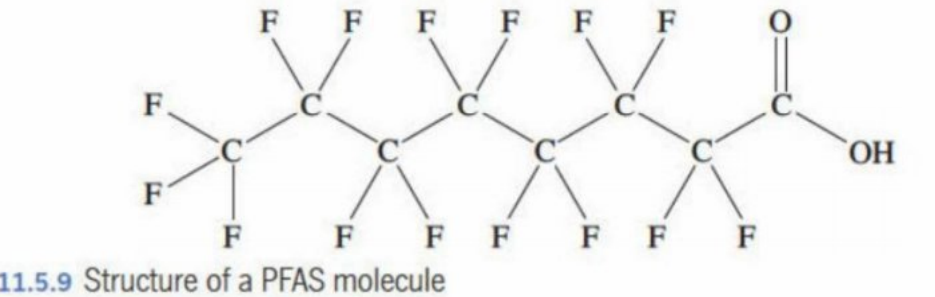
PFAS is an acronym for perfluoroalkyl substances or polyfluoroalkyl substances. These compounds contain long carbon chains with fluorine atoms bonded to many of the carbon atoms.
How fire-fighting foams work:
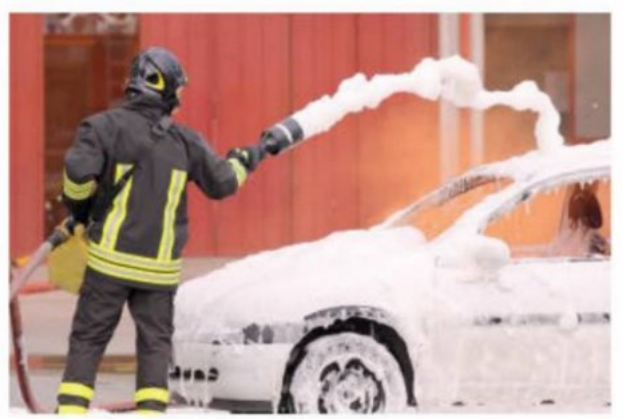
Fire-fighting foams work by blanketing and smothering fires. They cool burning materials, separate air and flames from the fuel source, and reduce the release of vapours that could reignite the fire.
Problems with PFAS:
The carbon-fluorine bonds in PFAS molecules are extremely strong, resulting in:
- High heat resistance and stability (making them suitable as fire retardants)
- Resistance to breakdown, leading to potential accumulation in soil, groundwater and waterways
- Environmental pollution
- Toxicity to some animals
- Ongoing investigations into human health effects
Example
Australian Case Study: Tindal Air Force Base
Located 14 km from Katherine in the Northern Territory, Tindal Air Force Base's use of PFAS in fire-fighting trials resulted in contamination of surrounding areas. Testing revealed significant PFAS levels in soil and underground aquifers around Tindal. Katherine's water supply comes from bore water and the Katherine River.
Response measures at significant expense:
- Special water treatment facilities were installed to remove PFAS from Katherine's underground water supply
- Soil removal clean-up commenced around the base
- In 2022, plans were developed to transport tonnes of contaminated soil to Altona, Victoria for decontamination in high-temperature furnaces
This case demonstrates the long-term costs of using persistent chemicals without fully understanding their environmental impacts.
Important
Safer alternatives:
Research has identified replacements for PFAS in fire-fighting foams, including:
- Non-fluorine-containing detergent mixtures
- Polyglycosides
- Alkylsulfates
These compounds are non-toxic and biodegradable, breaking down in the environment within a reasonably short time.
As of 2021, South Australia and New South Wales had banned PFAS use in normal fire-fighting practices.
Remember!
Summary
Key Concepts in Sustainable Chemical Production:
-
The Montreal Protocol (1987) successfully addressed ozone layer depletion by phasing out CFCs, demonstrating effective international cooperation on environmental challenges. Ozone levels are expected to return to pre-1987 levels by 2050.
-
Green chemistry principles guide the chemical industry towards sustainable practices: using renewable feedstocks instead of fossil fuels, employing catalysts to reduce energy consumption, and designing safer, biodegradable chemicals.
-
Catalysts (including enzymes) allow industrial reactions to proceed at much lower temperatures, dramatically reducing fuel costs and energy consumption while not being consumed in the reactions themselves.
-
Biopolymers and biosolvents made from plant materials offer renewable alternatives to fossil fuel-based products, are often biodegradable, and help reduce environmental persistence of chemical waste.
-
Replacing hazardous chemicals like DDT, lead and PFAS with safer alternatives protects both human health and the environment, though this requires ongoing research and development of effective substitutes.