Road Safety and the Role of Health Promotion in Improving Population Health (VCE SSCE Health and Human Development): Revision Notes
📚Revision Notes
Road Safety and the Role of Health Promotion in Improving Population Health
What is road safety?
Road safety encompasses all interventions designed to reduce the risk of crashes, deaths and injuries that occur as a result of using roads. This area of health promotion is crucial because it affects everyone who uses roads in any capacity.
Note
Who are road users?
Road users include a diverse range of people who face different risks on the road:
- Pedestrians walking along or crossing roads
- Cyclists using bikes for transport or recreation
- Motorcyclists on powered two-wheelers
- Drivers of cars, trucks and commercial vehicles
- Passengers in all types of vehicles
- Users of public transport including trams and buses
Effective road safety promotion must consider the needs and behaviours of all these groups.
Why is road safety a target for health promotion?
Road safety has been identified as a priority area for health promotion in Australia due to the significant burden of death and injury it causes. Since recordkeeping began in 1925, more than 190,000 Australians have lost their lives on our roads. This staggering figure highlights the ongoing need for comprehensive health promotion strategies.
Inequalities in road trauma
Road-related deaths and injuries do not affect all population groups equally. Research by the Australian Institute of Health and Welfare (AIHW) has identified several groups that experience disproportionately high rates of road trauma:
Important
Males and Road Trauma Risk
Males are particularly vulnerable, being almost three times more likely to die on the road compared to females. This disparity relates to differences in risk-taking behaviour, driving patterns and types of vehicles used.
Aboriginal and Torres Strait Islander peoples experience significantly higher rates of road trauma. The death rate for Indigenous males due to transport accidents is more than double the rate for non-Indigenous males, reflecting broader health inequalities and differences in access to safe vehicles and road infrastructure.
People living outside major cities face considerably greater risk. Those in remote areas are more than four times as likely to die in road crashes compared to people living in major cities. This reflects factors such as longer distances travelled, higher speeds on rural roads, longer emergency response times and differences in road infrastructure quality.
Low socioeconomic groups experience road trauma at higher rates. People in the lowest socioeconomic group have a death rate 2.2 times higher than those in the highest socioeconomic group. This relates to factors including older vehicles with fewer safety features, longer commutes, and potentially riskier driving conditions.
Young people are over-represented in road deaths. In 2020, 208 drivers aged 17-25 years were killed in road crashes. People in this age group account for 19 per cent of drivers killed on Australia's roads yet represent only 16 per cent of the adult population. This over-representation reflects factors such as inexperience, risk-taking behaviour and distractions.

The preventable nature of road crashes
A critical factor that makes road safety an ideal target for health promotion is that all road crashes are considered preventable. The causes can be identified and addressed through targeted interventions. The main contributing factors include:
Note
Main Contributing Factors to Road Crashes
-
Driver behaviour issues such as fatigue, distraction and human error. These factors account for the majority of crashes and can be addressed through education, enforcement and environmental changes.
-
Non-compliance with road laws including alcohol and drug use while driving, speeding and failure to use appropriate restraints like seatbelts and child seats. These behaviours significantly increase crash risk and severity.
-
Infrastructure factors including poor road quality, inadequate barriers to separate traffic or prevent run-off crashes, and insufficient lighting. Investment in road infrastructure can create safer environments for all road users.
-
Vehicle quality issues including older vehicles lacking modern safety features, poorly maintained vehicles and design flaws. Encouraging newer, safer vehicles through various means can reduce crash severity.
The daily impact of road trauma
Every single day in Australia, an average of three people are killed and 90 are seriously injured as a result of using our roads. These statistics represent real people, families and communities affected by preventable tragedy. The consistency of these figures highlights the ongoing need for sustained health promotion efforts.
Economic consequences
The Australian government estimates that the economic impact of road crashes costs at least $27 billion per year. This enormous financial burden includes:
- Lost productivity when people are unable to work due to injury or death
- Reduced taxation revenue from lost productivity
- Healthcare costs for emergency treatment, hospital care and ongoing medical support
- Rehabilitation expenses to help injured people regain function
- Long-term care costs for people with permanent disabilities
- Insurance system costs
- Social security payments to support injured people and their families
This economic impact affects not just individuals and families, but the entire community through taxes, insurance premiums and reduced economic growth.
Social and emotional impacts
Beyond the statistics and economic costs, road trauma causes profound social and emotional impacts. Deaths and injuries from road crashes are particularly devastating because they are sudden and unexpected, causing significant shock to families, friends and communities.
When someone is permanently disabled in a road crash, they may experience intense frustration as they struggle to relearn tasks they once performed easily. They may need to adapt to life without a limb or without the use of limbs, fundamentally changing their daily experience and future plans. Family members often become carers, changing their own life trajectories.
Note
The ripple effects extend throughout communities, affecting workplaces, social groups and broader social networks. Each road death or serious injury touches many lives.
The global context
While Australia has made significant progress in reducing road trauma, the problem is far more severe in many other countries. Globally, more than 3,500 people die each day from road crashes, totalling over 1.35 million deaths and 50 million injuries per year worldwide.
Australia's success in implementing effective interventions provides a reference point for other countries working to reduce their own road tolls. Our experiences demonstrate what is possible when comprehensive, sustained health promotion strategies are implemented.
Case study: Victoria records lowest road toll ever, but is it really possible to get to zero?
Victoria recorded its lowest annual road toll since records began, with 214 lives lost. However, experts agree this number can and should be reduced further. The Transport Accident Commission (TAC) is working towards a goal of zero road deaths, raising the question of whether this ambitious target is realistic.
A realistic goal?
Behavioural change expert Peter Bragge from Monash University described achieving zero road deaths as a huge challenge but argued it is possible. He explained that the language of "road toll" implies society is willing to accept a certain number of deaths. However, Victoria, Australia and many countries worldwide have now decided that zero should be the target.
Note
Evidence for Zero Road Deaths
Bragge noted that emerging evidence from Australia and internationally suggests zero is achievable. Believing in this possibility can help communities redouble their efforts to change behaviour and implement effective interventions.
Strategies having an effect
TAC road safety director Samantha Cockfield explained that the record low road toll demonstrated that police, government and community interventions were working effectively. She emphasised that continued reductions require looking at evidence and targeting high-risk regions and demographics.
One example is the focus on country Victoria, where road users travelling on high-speed rural roads were identified as being at particularly high risk. People are four to five times more likely to be killed on country roads compared to metropolitan roads, leading to concentrated efforts in these areas.
Example
Worked Example: The Impact of Flexible Barriers
The installation of 1,500 kilometres of flexible barriers, including on major routes such as the Hume Freeway, has significantly reduced serious crashes. These barriers prevent drivers from veering into trees or oncoming traffic.
Cockfield noted that three or four years before the barriers were installed, reports of someone being killed on the Hume came in every month or so, but the barrier system has dramatically improved safety.
Additional factors contributing to reduced road deaths among young drivers include more comprehensive education programmes and stricter rules around practice hours during the learner phase. These measures help new drivers gain experience in a supervised, safer environment.

Breaking the mobile phone habit
Professor Bragge identified mobile phone use while driving as the next major challenge for achieving long-term behavioural change. He explained that mobile phones are cleverly manufactured to be addictive, with notifications, likes and messages triggering dopamine releases in the brain that make people feel good.
Important
The Addiction Challenge
For some people, this creates an addiction where they become glued to their phones, a habit that extends into time spent in cars. This addiction makes it particularly challenging to change behaviour around phone use while driving.
The multitasking myth
Despite what many people believe, neuroscience has proven that multitasking is impossible. The human brain cannot pay attention to two things simultaneously. What people think of as multitasking is actually rapid attention switching.
This means that for the time someone engages with their phone while controlling a car, they are not engaging with the road. This complete loss of attention to driving is why mobile phone use contributes to so many deaths and accidents on roads.
No letting up
Victoria Police Superintendent John Fitzpatrick emphasised that while the record low toll is encouraging, much more work remains. He stated that one life lost is one too many, expressing the determination of police and road safety partners to prevent and reduce road trauma through both law enforcement and education about unsafe behaviour risks.
Summary
Key Takeaways from Victoria's Success
- Significant progress has been made, but sustained effort across multiple fronts remains essential
- The goal of zero road deaths, while ambitious, is supported by evidence
- Achieving zero is possible through continued comprehensive interventions
- Mobile phone use while driving represents the next major behavioural challenge
Effectiveness of health promotion in promoting population health
Although Australia still experiences road deaths and injuries, the impact of health promotion interventions has been substantial and measurable. Road trauma levels have declined dramatically over the past four decades, despite considerable population growth and a threefold increase in registered motor vehicles. This achievement demonstrates the power of sustained, evidence-based health promotion.
The dramatic decline
During the period from 1970 to 2020, the number of road deaths per year fell from 3,798 deaths in 1970 to 1,105 deaths in 2020. This represents a decline of approximately 71 per cent, despite the population growing significantly during this period. The graph below shows this decline alongside the introduction of various health promotion interventions.
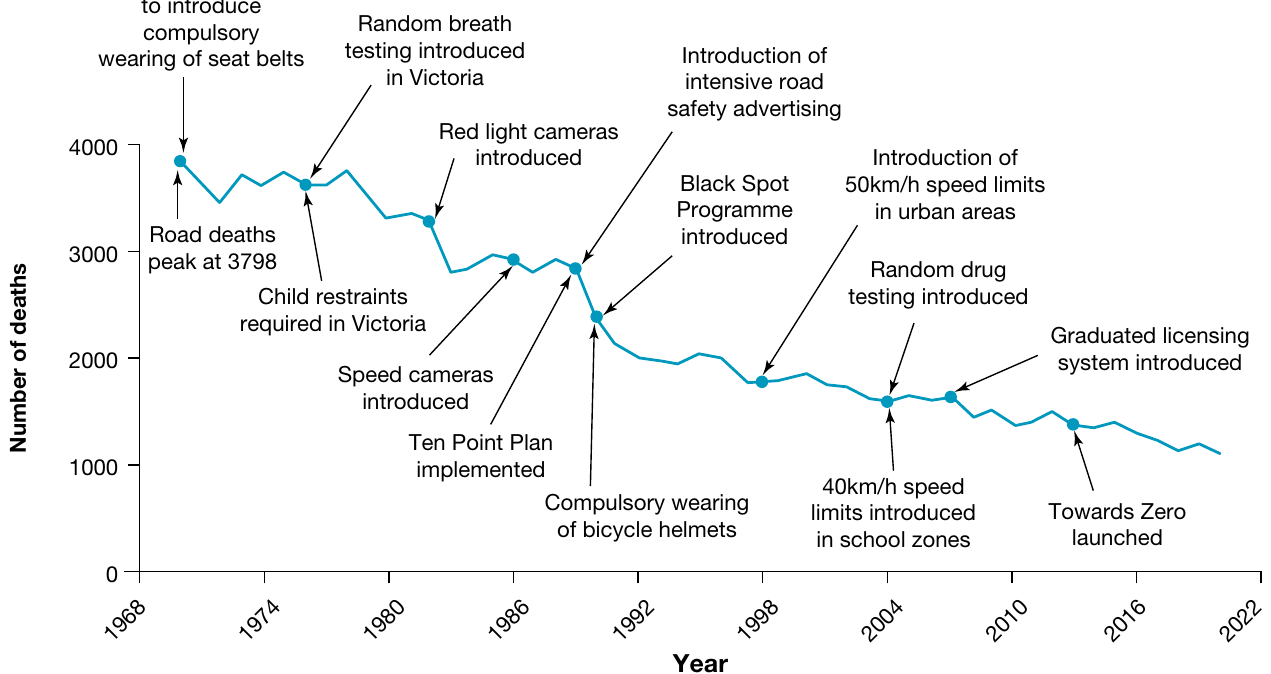
As the graph illustrates, major interventions have been introduced progressively over the decades, with each contributing to the overall downward trend in road deaths. Key milestones include:
- Introduction of compulsory seatbelts in 1970
- Random breath testing beginning in the 1970s
- Speed cameras in the 1980s
- The Ten Point Plan in 1989
- Compulsory bicycle helmets in the 1990s
- Graduated licensing systems
- The Towards Zero campaign in recent years
Understanding the rates
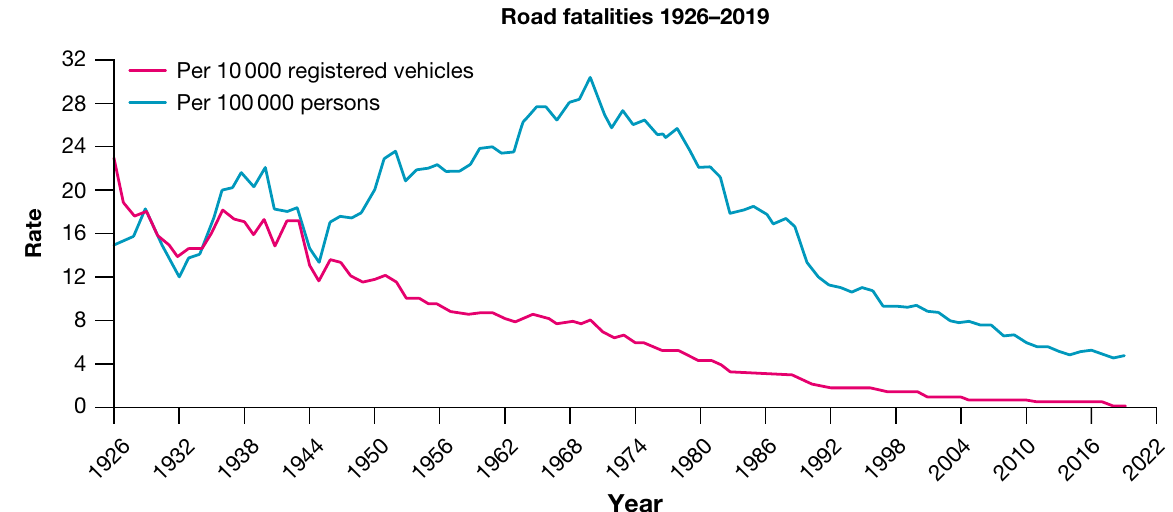
When examining road safety data, it's important to consider not just absolute numbers but also rates that account for population growth and increased vehicle use. The graph below shows two important measures over time.
Note
Interpreting Road Safety Statistics
The purple line shows fatalities per 10,000 registered vehicles, demonstrating that as more vehicles have taken to the roads, the death rate per vehicle has decreased dramatically. This reflects improvements in vehicle safety technology, road infrastructure and driver behaviour.
The blue line shows fatalities per 100,000 persons, which peaked around 1968 before declining substantially. This measure shows that even as the population has grown, the rate of death has fallen significantly, meaning the average person is much safer on roads today than in previous decades.
Population health perspective
It's crucial to understand that road safety improvements affect population health, not just individual health. When examining effectiveness, we need to consider the health and wellbeing of groups of people, such as:
- The mental health and wellbeing of young people, many of whom have lost friends or family members to road trauma
- The incidence of injuries among males, who remain over-represented in road deaths
- The health status of people from low socioeconomic backgrounds, who experience disproportionately high rates of road trauma
- The wellbeing of communities in regional and rural areas, where road deaths are more common
By considering these population groups, we can better understand where interventions have been most effective and where continued focus is needed.
Health promotion interventions
Multiple health promotion interventions have contributed to the success experienced in improving road safety. These interventions reflect different action areas of the Ottawa Charter for Health Promotion, which provides a framework for developing comprehensive health promotion strategies.
The Ottawa Charter identifies five key action areas:
- Build healthy public policy
- Create supportive environments
- Strengthen community action
- Develop personal skills
- Reorient health services
Important
Multi-Factor Approach Required
Road trauma results from multiple factors, so the most significant improvements are achieved when interventions address multiple action areas of the Ottawa Charter. No single intervention can solve the complex problem of road safety, which is why Australia has implemented a comprehensive suite of programmes and policies.
Government laws and policies
Road rules represent healthy public policies, and the development and enforcement of rules have been major contributors to reducing the road toll. Research reviewing road safety measures in Australia found that seatbelt wearing, random breath testing and speed cameras explain almost all the variation in mortality rates since the late 1960s.
Seatbelt legislation
In 1969, the Australian Design Rules required all new vehicles to be fitted with seatbelts. The following year, in 1970, Victoria became the first jurisdiction in the world to mandate the wearing of seatbelts. This groundbreaking legislation marked the beginning of a significant decrease in road deaths and set a precedent followed by jurisdictions worldwide.
Seatbelts work by preventing occupants from being ejected from vehicles during crashes and by distributing crash forces across stronger parts of the body. Before mandatory seatbelt use, many people who would have survived crashes with minor injuries instead died or suffered severe trauma.
Random breath testing
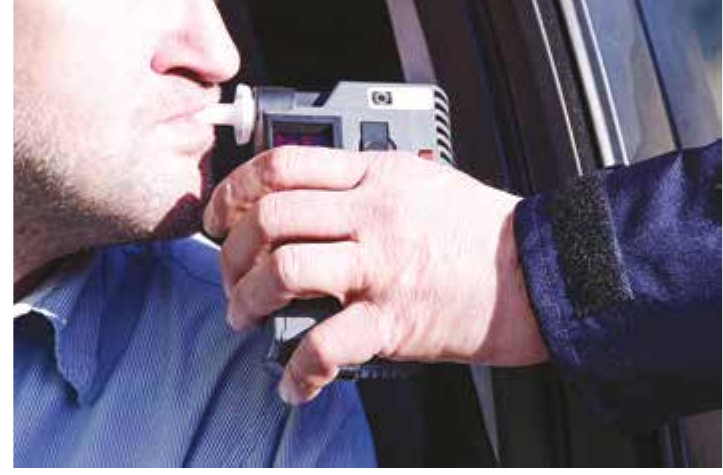
The introduction of random breath testing began in the 1970s and contributed to a further substantial decrease in road deaths. This intervention allows police to stop any driver and test their blood alcohol concentration, even without suspicion of impairment.
Note
Random breath testing creates a supportive environment by reducing the number of drivers on the road who are affected by alcohol or drugs. It also acts as a deterrent, as drivers know they may be tested at any time. The combination of actual testing and the perception of risk has changed social norms around drink-driving.
The Ten Point Plan
In 1989, the Ten Point Plan was created, marking a comprehensive national approach to road safety. This plan saw the progressive implementation of a range of road-related laws that reflect building healthy public policies:
- A national blood alcohol concentration limit of 0.05 for drivers
- National licensing standards for drivers of buses and heavy trucks
- National uniform speed limits with no limits exceeding 110 km/h
- Mandatory speed limiters for heavy vehicles to prevent excessive speeds
- Zero blood alcohol limits for young and inexperienced drivers
- Enforcement targets ensuring one in four drivers is subjected to random breath testing each year
Each element of the Ten Point Plan addressed a specific risk factor for road crashes, creating a comprehensive policy framework that has contributed significantly to road safety improvements.
Bicycle helmet legislation
Victoria introduced legislation requiring compulsory wearing of bicycle helmets in 1990, becoming a world leader in this area. By 1992, all Australian states and territories had adopted similar legislation. Bicycle helmets significantly reduce the risk of head injuries in cycling crashes, protecting one of the most vulnerable groups of road users.
Traffic enforcement cameras
Red light and speed cameras were first introduced in Victoria in the 1980s. These technological interventions assist in reducing average speeds and improving compliance with traffic signals, creating a supportive environment for all road users.
Note
Speed cameras encourage drivers to moderate their speeds, even when police are not visibly present. This is important because speed is a major factor in both crash occurrence and crash severity. Even small reductions in average speed can lead to significant reductions in serious crashes.
TAC campaigns
Since 1989, the Transport Accident Commission (TAC) has played a substantial role in promoting road safety by focusing on a range of issues to change public behaviour. Working collaboratively with Victoria Police and VicRoads, the TAC has developed a multi-faceted approach to road safety.
The TAC addresses road safety through several strategies:
- Providing resources to target speeding and drink-driving
- Creating high-profile, hard-hitting mass media campaigns that capture public attention
- Focusing on key risk factors including drink-driving, speeding, fatigue and young drivers
- Providing public education programmes to support police enforcement efforts
- Conducting and funding road safety research to ensure evidence-based interventions
The hard-hitting approach
The TAC has become known for its confronting, emotionally powerful campaigns that address the key causes of road crashes. By focusing on the attitudes and behaviours of road users, these campaigns work to change social norms and individual decision-making.
Examples of memorable TAC campaign slogans include:
- "If you drink, then drive, you're a bloody idiot" – challenging drink-driving behaviour directly
- "Wipe off 5" – encouraging drivers to reduce speed by 5 km/h
- "Everybody hurts when you speed" – highlighting the impact on others
- "Drinking. Driving. They're better apart" – separating two incompatible activities
- "Belt up, or suffer the pain" – emphasising seatbelt use
- "Take a break, fatigue kills" – addressing driver tiredness
- "If you're on your phone, you're in blind" – highlighting distraction risks
- "Start talking about the dangers of night driving. Before it's too late" – focusing on young drivers
- "The lucky ones get caught" – reframing enforcement positively
Note
These campaigns work to develop personal skills relating to decision-making, risk assessment and safe driving practices across various scenarios including young driver behaviour, fatigue management, drug-driving risks, motorcycle safety, distraction avoidance, vehicle safety and speed management.
Reorienting health services
Through a partnership with the Road Trauma Support Services, the TAC provides seminars to community groups, schools and businesses to educate people about road use risks. Significantly, ambulance officers participate in presenting these programmes, representing an example of reorienting health services.
By involving ambulance officers who have direct experience with road trauma, the TAC creates powerful learning experiences that connect health services with prevention efforts. This reorientation moves health services beyond just treating injuries to actively preventing them.
Road safety education – Victoria
Road safety education Victoria is a comprehensive programme of educational activities that works to develop the personal skills of children and young people in formal and community education settings, including early childhood services, primary schools and secondary schools.
This programme strengthens community action because all members of school and general communities are encouraged to share responsibility for the safety of young people when travelling. Rather than placing all responsibility on individuals, this approach recognises that keeping young people safe requires collective effort.
Note
Safe road-use behaviour develops gradually over time and needs constant practice and reinforcement in a range of different scenarios as young people develop and learn to take responsibility for themselves. The programme recognises this developmental process and provides age-appropriate education at each stage.
The road safety education website creates a supportive environment by helping Victorian teachers, early childhood professionals, students, parents and carers to better understand evidence-based road safety education. By making resources and information easily accessible, the website supports consistent messaging across different settings.
Driver Reviver program
For over 25 years, the Driver Reviver programme has been a national initiative campaigning to reduce road collisions by addressing driver fatigue. This programme takes a different approach to other road safety issues because, unlike speeding and drink-driving, driver fatigue is not a criminal offence but can be equally deadly.
Because it is difficult to address driver fatigue through legislation alone, the Driver Reviver programme was established to create a supportive environment for drivers undertaking long journeys.
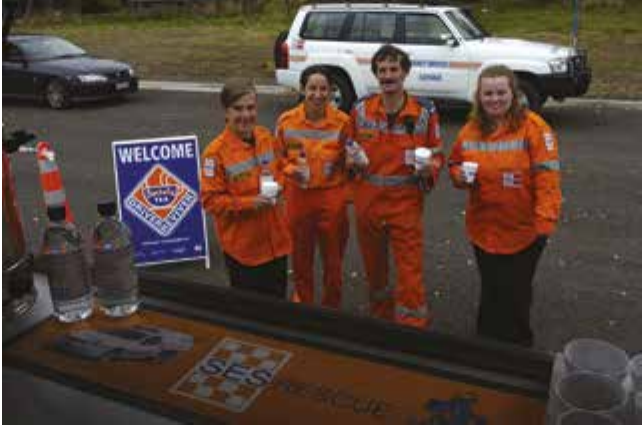
Each holiday season, up to 220 Driver Reviver sites open across Australia to provide motorists with safe places to stop and refresh. These sites offer practical support including:
- Safe locations to pull off the road and rest
- Toilet facilities for driver comfort
- Free coffee, tea and biscuits to help drivers refresh
- Friendly interaction and conversation to help combat monotony
Note
Community-Led Initiative
The programme strengthens community action by involving a diverse range of organisations. Throughout Australia, Driver Reviver sites are staffed by State Emergency Services volunteers, rural and volunteer fire services, Lions Club and Apex members, State Police forces and TAC representatives. This collaborative approach demonstrates community commitment to road safety.
The Driver Reviver programme also develops personal skills by offering "holiday motoring tips" on their website. These resources help drivers operate vehicles safely and educate the public about fatigue recognition and management, empowering drivers to make better decisions about rest breaks.
Black Spot program
The Black Spot programme represents a targeted approach to road safety, focusing on specific locations where crashes occur repeatedly. By identifying these high-risk sites and funding targeted improvements, the programme creates a supportive physical environment that reduces crash risk.
Black Spot projects fund measures such as:
- Installation of traffic signals at dangerous intersections
- Construction of roundabouts to manage traffic flow more safely
- Improved road surfaces to reduce skidding risks
- Better lighting to improve visibility
- Clearer road markings and signage
- Removal of roadside hazards
These infrastructure improvements are cost-effective, with the community benefiting many times over from the reduced crashes compared to the relatively minor cost of road improvements.
Effectiveness evidence
Example
Worked Example: Black Spot Programme Impact
According to evaluation reports, crashes involving injury at Black Spot sites would have been 2.5 times higher if the interventions had not been applied.
This means that for every injury crash that occurs at a treated Black Spot site, 1.5 additional crashes have been prevented. This data provides strong evidence for the effectiveness of targeted infrastructure improvements.
P.A.R.T.Y. program
The Prevent Alcohol and Risk-related Trauma in Youth (P.A.R.T.Y.) programme is a trauma prevention and health promotion initiative that takes an innovative approach to developing personal skills among young people.
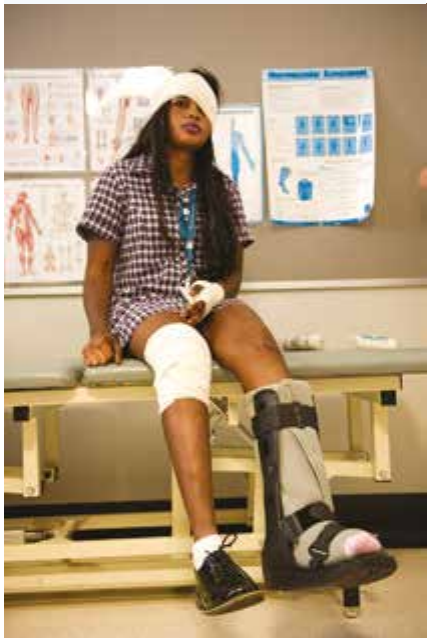
Operating at the Royal Melbourne and Alfred hospitals, the programme provides real, direct experiences of major trauma services to help young people understand the consequences of risky behaviour. This experiential approach is often more powerful than traditional education methods.
The programme reorients health services by utilising the knowledge and experiences of various healthcare workers, including:
- Emergency services personnel who respond to crashes
- Doctors who treat trauma patients
- Nurses who provide ongoing care
- Allied health professionals who assist in rehabilitation
- Researchers who study injury prevention
Target audience and approach
The programme is aimed at 15-24 year olds, the age group most over-represented in road deaths. Participants spend a day touring trauma facilities and meeting with healthcare workers and patients who have experienced road trauma. This immersive experience creates lasting impressions that influence future decision-making.
Note
By seeing firsthand the reality of serious injuries and hearing from people who have experienced trauma, participants gain a deeper understanding of how quickly lives can change. The initiative assists participants to make smarter choices and think carefully about taking risks that could harm themselves and others.
Victorian Road Safety Strategy 2021-2030
The Victorian Road Safety Strategy 2021-2030 represents a comprehensive healthy public policy developed by Road Safety Victoria in collaboration with Victoria's Road Safety Partners, including the Transport Accident Commission, Victoria Police, the Department of Justice and Community Safety and the Department of Health and Human Services.
This strategy sets ambitious targets:
- Halve the road toll by 2030
- Eliminate road deaths by 2050 (the "Towards Zero" goal)
The strategy works towards these goals by addressing the full range of factors contributing to road-related injuries, including infrastructure, road laws, human behaviour and vehicle safety. This comprehensive approach recognises that road safety requires action on multiple fronts.
Strengthening community action
The strategy strengthens community action by acknowledging that road safety is complex and requires collective response. Rather than relying on government alone, the strategy involves government agencies, industry partners and the Victorian community working together to deliver safer roads.
Creating supportive environments
Under the strategy, the Victorian government is investing $35 million to deliver a fleet of new generation AI-enabled camera systems. These advanced systems utilise high-resolution cameras with image processing and machine learning software capable of detecting:
- Illegal mobile phone use while driving
- Absence of seatbelts
- Other traffic offences
Note
This technology creates a supportive environment by deterring risky behaviour and detecting offences that are difficult to detect through traditional means.
The strategy also continues infrastructure improvements such as:
- Rumble strips that alert drivers who drift from their lanes
- Wire rope barriers throughout regional Victoria that prevent run-off crashes and head-on collisions
- Improved road surfaces and marking
- Better lighting in high-risk areas
Building healthy public policy
Healthy public policies under the strategy include developing new laws and penalties to remove persistent risk-takers from roads more swiftly. By targeting those who repeatedly endanger others, these policies create a safer environment for compliant road users.
Developing personal skills
The strategy includes substantial focus on education initiatives. Agencies work to develop personal skills by supporting drivers to better understand the safest vehicle options within their price range. This education helps drivers maximise benefits from advanced in-vehicle lifesaving and crash prevention technology.
A flagship education initiative is the Road to Zero: Road Safety Experience at Melbourne Museum, which provides engaging education to secondary school students.
Road to Zero: Road Safety Experience
Developed by the TAC in partnership with Melbourne Museum, Road to Zero targets Year 9 and 10 students, aiming to build knowledge and increase awareness in pre-learner drivers. The programme is built on decades of TAC research into what influences young driver behaviour.
The Road to Zero Experience Space allows students to explore an immersive gallery with multi-sensory interactive technologies. Highlights include:
- A 3-minute virtual reality experience where students travel in a car from 1970 to 2055, experiencing how road safety has evolved and will continue to evolve
- An elevator simulation where students experience a dramatic "drop" from the 11th floor of the Royal Exhibition Building, creating a visceral understanding of crash forces
- A digital exploration of TAC's well-known Graham sculpture

Note
Understanding Human Vulnerability: Graham
Graham is a sculpture created by the TAC showing what humans might look like if we evolved to survive car crashes. With a reinforced skull, airbag-like chest and tough skin, Graham illustrates how vulnerable human bodies are in crashes, helping students understand why safe behaviour is essential.
Ottawa Charter action areas in road safety
The table below summarises how various road safety interventions reflect the five action areas of the Ottawa Charter for Health Promotion. Understanding these connections helps demonstrate how comprehensive the approach to road safety has been.
| Action area | Examples relating to road safety |
|---|---|
| Build healthy public policy | Road laws such as seatbelts, speed limits and drink-driving laws create policy frameworks that support safety. The Ten Point Plan saw progressive implementation of comprehensive road-related laws. |
| Create supportive environments | Random breath testing reduces the number of drivers affected by alcohol or drugs, making roads safer for all users. Road Safety Education Victoria provides teaching and learning activities organised into modules that create supportive educational environments. |
| Strengthen community action | The Driver Reviver programme involves State Emergency Services volunteers, rural and volunteer fire services, Lions Club and Apex members, State Police forces and the TAC. Road Safety Education Victoria encourages all members of school and general communities to share responsibility for children's safety when travelling. |
| Develop personal skills | TAC campaigns provide education relating to young drivers, fatigue, drug-driving, motorcycle safety, distractions, vehicle safety, speeding and drink-driving. The P.A.R.T.Y. programme educates young people by providing real experience of major trauma services. |
| Reorient health services | Through the TAC, ambulance officers assist in presenting seminars to community groups, schools and businesses about road use risks. The P.A.R.T.Y. programme utilises experiences of presenters including emergency services, doctors, nurses, allied health professionals and researchers. |
Important
The Power of Integrated Approaches
This table demonstrates that effective road safety promotion requires action across all five areas of the Ottawa Charter. While some interventions focus primarily on one action area, the most significant impact comes from the combined effect of multiple interventions addressing different action areas.
Remember!
Summary
Key Points to Remember:
-
Road safety is a major public health issue in Australia, with more than 190,000 deaths recorded since 1925, though significant progress has been made through sustained health promotion efforts.
-
Road trauma affects different population groups unequally, with males, Aboriginal and Torres Strait Islander peoples, people living in regional areas, low socioeconomic groups and young people experiencing disproportionately high rates of death and injury.
-
All road crashes are considered preventable because their causes can be identified and addressed through health promotion activities targeting driver behaviour, compliance with road laws, infrastructure improvements and vehicle safety.
-
The number of annual road deaths in Australia has fallen from 3,798 in 1970 to 1,105 in 2020, representing a decline of approximately 71% despite significant population growth and increased vehicle numbers, demonstrating the effectiveness of comprehensive health promotion interventions.
-
Multiple health promotion interventions work together across all five action areas of the Ottawa Charter (build healthy public policy, create supportive environments, strengthen community action, develop personal skills and reorient health services) to address the complex, multi-factorial nature of road trauma, with the greatest improvements achieved when interventions address multiple action areas simultaneously.