Internal and External Stressors (VCE SSCE Psychology): Revision Notes
📚Revision Notes
Internal and External Stressors
Understanding stress and stressors
When we encounter challenging situations in our lives, we experience stress. A stressor is any event that causes stress or is perceived as a threat and a challenge to our ability to cope. Stressors can range from minor daily irritations (such as being caught in traffic or having excessive homework) to major life-changing events (such as a serious injury or losing your home in a natural disaster).
Note
Interestingly, positive events can also act as stressors, such as receiving offers from multiple desirable university courses. This shows that stress isn't always negative - it's about how our body and mind respond to any significant change or challenge.
Stress is a state of mental, emotional and physiological tension, resulting from a stressor. What makes stress particularly interesting is that it is a psychobiological process, meaning it involves both psychological and biological components working together.
The psychological components of stress include our subjective thoughts and feelings. When stressed, we might experience emotions such as fear, anxiety or excitement, and have thoughts like "I can't cope with this" or "This is too much for me". These mental experiences are unique to each individual and vary based on personal interpretation of the situation.
The biological components of stress involve physical responses in our body. These include measurable changes such as increased heart rate, elevated blood pressure, muscle tension, and changes in breathing patterns. These responses occur automatically through our nervous system, regardless of whether we consciously recognise them.
Important
An important aspect of stress is perception. We typically experience stress only when we believe the demands of a situation threaten our ability or resources to cope. If we believe we can manage the situation effectively, we may view it as challenging but not necessarily stressful.
For instance, one person might find a job interview extremely anxiety-provoking, whilst another might see it as an opportunity to demonstrate their skills to a potential employer.
Classification of stressors
Stressors can be categorised as either internal or external, based on their origin. Understanding this distinction helps us recognise the different sources of stress in our lives.
Internal stressors
An internal stressor is a cause of stress that originates within an individual; it can be both psychological and biological/physiological. These stressors come from inside our own bodies and minds.
Psychological internal stressors arise from our mental processes, including our thoughts, mindset and feelings. Examples include:
- Having high expectations of ourselves, which places unrealistic pressure on us to achieve perfection
- Negative self-talk or pessimistic thinking patterns
- Fear and anxiety about future events
- Feelings of inadequacy or low self-worth
- A mindset that predicts failure or focuses on worst-case scenarios
Example
Worked Example: Psychological Internal Stressor
High expectations serve as a psychological internal stressor because they create internal pressure to be perfect, leading to negative thought patterns and inevitably causing stress. The stress originates from within our own minds rather than from external circumstances.
Biological internal stressors result from physiological processes or conditions within the body. These include:
- Physical pain from injuries, which activates pain receptors in the nervous system
- Illnesses, diseases or medical conditions that cause unpleasant physical symptoms (such as viruses, cancer or chronic fatigue syndrome)
- Lack of sleep or sleep deprivation
- Hormonal changes
- Physical exhaustion or fatigue
Example
Worked Example: Biological Internal Stressor
Pain from an injury exemplifies a biological internal stressor because it stems from physiological damage to body cells, which activates pain receptors in the nervous system. These physical symptoms can impair our ability to complete daily tasks, meet deadlines or attend school or work, thus generating stress.
External stressors
An external stressor is a cause of stress that originates from outside an individual, such as an event or environmental extreme. These stressors arise from our surrounding environment and social context.
Environmental external stressors involve physical aspects of our surroundings:
- Loud noises (such as construction work or traffic)
- Extreme temperatures (heatwaves or severe cold)
- Poor air quality or pollution
- Natural disasters (earthquakes, floods, bushfires)
- Uncomfortable or unsafe physical conditions
Sociocultural external stressors involve social interactions, cultural expectations and life circumstances:
- Daily hassles (minor annoyances like queuing or misplacing items)
- Major life events (planning a wedding, graduating from school, starting a new job)
- Loss of relationships through divorce, death or separation
- Interpersonal conflicts and arguments
- Work or academic deadlines
- Financial pressures
- Social isolation or loneliness
Important
It is worth noting that whilst internal and external stressors can be distinguished from one another, they often interact and influence each other. For example, an external stressor (such as a work deadline) might trigger internal stressors (such as negative thoughts about one's abilities), which in turn might cause biological symptoms (such as headaches or stomach aches).
Acute versus chronic stress
Stressors vary not only in their source but also in their duration and intensity. This gives rise to two main categories of stress: acute and chronic.
Acute stress
Acute stress is stress that usually occurs because of a sudden threat and only lasts for a short time. This type of stress response is typically triggered by immediate situations that require quick adaptation.
Characteristics of acute stress include:
- Sudden onset in response to a specific trigger
- Short duration (lasting from minutes to hours, occasionally days)
- More intense physiological and psychological responses
- Quick recovery once the stressor is removed or managed
- Rapid return to homeostasis (the body's normal balanced state)
Examples of acute stressors include sitting an examination, starting a new job, giving a presentation, facing a work deadline, or being involved in a near-miss car accident. In more extreme cases, acute stress can involve life-threatening situations such as being the victim of an assault or experiencing a natural disaster.
Note
Interestingly, acute stress can be beneficial because it mobilises our resources to help us respond effectively to challenges. The heightened arousal and focus that accompanies acute stress can enhance performance and enable us to cope with demanding situations. However, particularly intense acute stress can be overwhelming and may have negative consequences.
Chronic stress
Chronic stress is stress that lasts for a long time. This involves a prolonged and persistent feeling of stress that continues over weeks, months or even years.
Characteristics of chronic stress include:
- Ongoing or prolonged duration
- Less intense responses compared to acute stress (though still present)
- Slower recovery, requiring considerable time to resolve
- More detrimental effects on physical health and mental wellbeing
- Difficulty in achieving lasting relief whilst the stressor persists
Examples of chronic stressors include social isolation and loneliness, ongoing relationship difficulties, persistent workplace problems, bullying, living in an unsafe environment (such as a conflict zone), caring for someone with a chronic illness, or experiencing long-term financial hardship.
Important
Chronic stress is particularly problematic for health because the sustained activation of stress responses takes a toll on body systems. It can:
- Suppress immune system function, making us more vulnerable to infections and illnesses
- Disrupt digestive and reproductive systems
- Increase risk of cardiovascular problems, including heart attack and stroke
- Accelerate the ageing process
- Increase vulnerability to mental health conditions such as anxiety and depression
- Impair cognitive functions including memory and concentration
Despite being worse for ongoing physical health and mental wellbeing, chronic stress tends to be less intense or severe than acute stress at any given moment. However, the cumulative effects over time make it more damaging overall, and recovery takes considerably longer due to the ongoing problems it creates.
The flight-or-fight-or-freeze response
When we encounter an acute stressor, our body undergoes rapid physiological changes. These changes occur automatically and involuntarily, without our conscious awareness, through what is known as the flight-or-fight-or-freeze response.
The flight-or-fight-or-freeze response is an automatic biological response to a perceived stressor that increases our chances of survival in our environment. This acute stress response is considered adaptive because it minimises potential harm and enables us to respond to stressors most effectively by instinctively adopting one of three options.
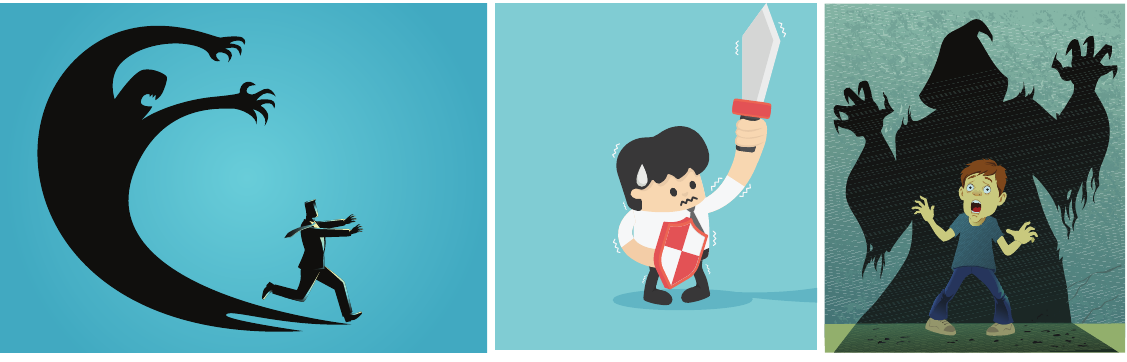
The three response options are:
- Flight response: This involves evading or escaping from the stressor. For example, quickly running out of your home to escape an intruder, or leaving a situation that feels threatening.
- Fight response: This involves confronting and dealing with the stressor directly. For example, picking up an object to defend yourself against an intruder, or standing your ground when challenged.
- Freeze response: This involves immobilisation of the body, including minimising movement and vocal sounds to avoid detection. For example, hiding quietly in a cupboard when an intruder is in your home, or remaining very still when faced with a predator.
Fight or flight responses
During fight or flight responses, the sympathetic subdivision of the autonomic nervous system becomes dominant. The autonomic nervous system operates unconsciously, without our awareness, to regulate arousal and internal bodily functions. When a threat or stressor is identified by our nervous system, arousal increases to prepare us to manage the situation and enhance our chances of survival.
Example
Worked Example: Fight or Flight in Action
Consider an example: if you had an important interview for school captain and were worried about your preparation, you might experience various physiological symptoms beforehand, such as a racing heart rate, sweaty palms or an upset stomach. These symptoms result from involuntary biological processes that we all experience automatically, regardless of the type of stressor we face.
Physiological changes during fight or flight
The sympathetic nervous system activation produces several measurable changes in the body. The table below outlines key physiological changes and explains their adaptive benefits:
Additional physiological changes include:
- Increased blood flow to major muscle groups in the extremities (arms and legs)
- Release of stress hormones including adrenaline (epinephrine)
- Decreased blood flow to non-essential systems (such as digestion)
- Sharpened sensory awareness
- Faster reflexes and reaction times
Note
These changes occur very rapidly, usually within seconds of perceiving a stressor. They prepare the body for intense physical activity, whether that involves fighting off a threat or fleeing from danger. The increased oxygen delivery to muscles, enhanced visual acuity, conservation and redirection of energy, temperature regulation through sweating, and physical readiness through muscle tension all contribute to improved survival chances in threatening situations.
Freeze response
The freeze response differs from fight or flight responses in several ways. Whilst fight and flight responses are dominated by sympathetic nervous system activation, the freeze response involves the parasympathetic nervous system becoming dominant.
The freeze response is employed when fleeing a situation is not possible or when aggressive responses are likely to be ineffective. It is sometimes referred to as 'tonic immobility' and includes both motor inhibitions (inability to move) and vocal inhibitions (inability to make sounds).
Characteristics of the freeze response include:
- Parasympathetic nervous system dominance
- Temporary paralysis or inability to move
- Reduced vocalisation or silence
- Decreased heart rate and breathing (compared to fight/flight)
- Muscle tension maintained despite immobility
- Heightened sensory awareness to monitor the threat
Important
The freeze response is not a passive state but rather represents a parasympathetic brake on certain body systems. Whilst skeletal muscles become inactive to conserve energy and avoid detection, they remain slightly tense and ready for immediate action if needed. This means that if circumstances change (for example, if you sense you are about to be discovered whilst hiding), you can rapidly shift into fight or flight action because your muscles are prepared to respond.
This response is thought to have adaptive value in several ways:
- Avoiding detection by remaining motionless and silent
- Playing dead to discourage predators that only attack moving prey
- Conserving energy whilst assessing the situation
- Preparing the nervous system to immediately transition to fight or flight if necessary
- Reducing the likelihood of provoking an attack through sudden movements
Research on animals has shown that freezing can be an effective survival strategy when attacked by predators. The same mechanisms appear to operate in humans when faced with threats where neither fighting nor fleeing seems viable.
Cortisol and chronic stress
When we experience stress, a cascade of hormonal and physiological responses occurs throughout the body. During the initial flight-or-fight-or-freeze response to an acute stressor, the adrenal glands (which sit on top of each kidney) are activated, producing a surge of stress hormones including adrenaline. However, when stress becomes prolonged and chronic, a different hormone called cortisol plays a particularly important role.
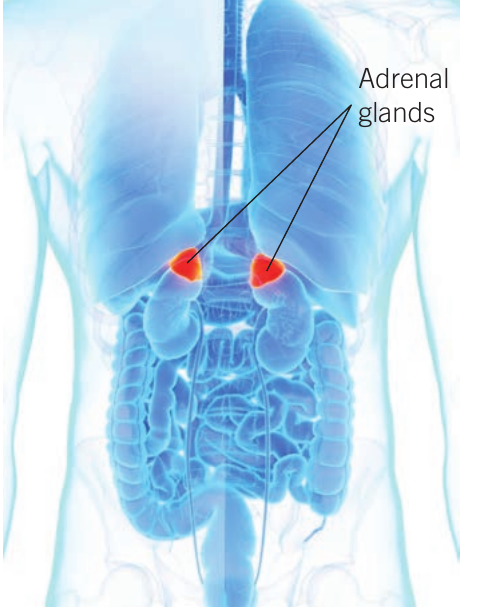
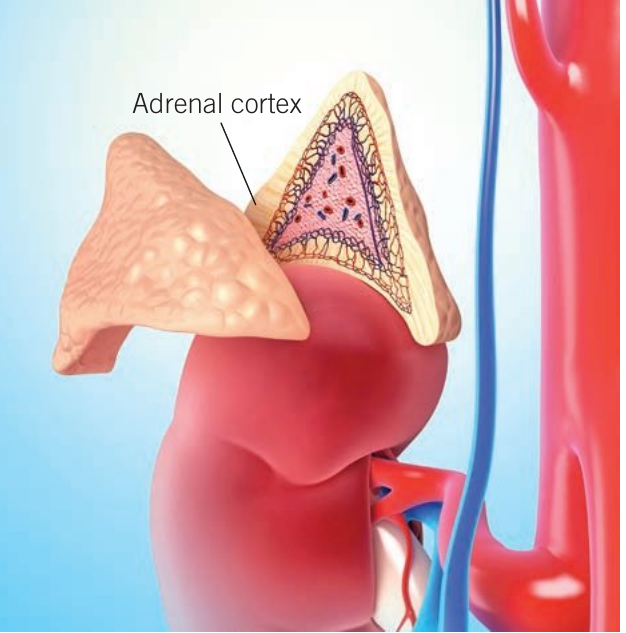
Cortisol is a hormone produced by the adrenal glands that regulates a wide range of bodily processes, including metabolism, and is released in response to stress. Specifically, cortisol is produced and released from the adrenal cortex, which is the outer layer of the adrenal glands.
Functions of cortisol
Cortisol is released directly into the bloodstream and transported throughout the body. Almost every cell in the body contains receptors for cortisol, which means it can have diverse actions depending on which cells it affects. Under normal circumstances, cortisol performs several important functions:
- Regulating metabolism and how the body uses carbohydrates, fats and proteins
- Controlling blood sugar (glucose) levels
- Regulating blood pressure
- Acting as an anti-inflammatory agent to reduce inflammation
- Controlling salt and water balance in the body
- Influencing the sleep-wake cycle
- Supporting the immune response
Benefits of cortisol during chronic stress
When stress persists and the body continues to perceive a threat, cortisol production increases. This allows the body to maintain heightened alert status over extended periods. In conjunction with other hormones, cortisol provides several benefits during times of chronic stress:
- Boosting energy levels: Cortisol increases blood glucose levels, providing readily available energy for the brain and body to use. This helps maintain alertness and physical capability during prolonged stressful periods.
- Heightening alertness: By increasing the brain's use of glucose, cortisol helps maintain mental focus and vigilance even during extended periods of stress.
- Increasing tissue repair ability: Cortisol enhances the body's capacity to repair damaged tissue, which is beneficial if the stressor has caused or might cause physical harm.
- Diverting energy from non-essential functions: Cortisol redirects energy away from bodily processes that are not immediately necessary for survival, such as digestion, growth and reproduction. This ensures that available resources are focused on managing the stressor.
Note
These adaptations can be helpful in the short to medium term, enabling us to maintain performance and cope with ongoing challenges.
Detrimental effects of prolonged cortisol elevation
Despite the benefits outlined above, having high levels of cortisol in the bloodstream for prolonged periods can be detrimental to health. The same mechanisms that help us cope with stress in the short term become problematic when activated continuously.
Important
Long-term elevation of cortisol can lead to:
- Immune system suppression: Making us more susceptible to infections, colds and other contagious illnesses
- Increased disease risk: Higher risk of cancer and autoimmune diseases
- Cardiovascular problems: Increased risk of heart attack and stroke due to prolonged elevation of blood pressure
- Metabolic issues: Weight gain (particularly around the abdomen), increased blood sugar levels, and potential development of type 2 diabetes
- Digestive problems: Ongoing disruption to digestive system function
- Reproductive system disruption: Interference with normal reproductive hormone cycles
- Mental health problems: Increased vulnerability to psychiatric conditions including anxiety and depression
- Cognitive impairment: Memory problems and difficulty concentrating
- Accelerated ageing: Speeding up of cellular ageing processes
- Sleep disturbances: Disruption of normal sleep-wake cycles
The case of healthcare workers during the COVID-19 pandemic illustrates these effects. Research conducted with around 200 healthcare workers at a hospital in Buenos Aires, Argentina, found that 40% had hair cortisol levels outside the healthy reference range. These elevated cortisol levels were correlated with higher perceived stress levels, as well as emotional exhaustion and burnout. The study concluded that healthcare workers experienced increased levels of stress and burnout that could have long-term health effects requiring management.
Comparing stress-related concepts
Understanding the relationships between different stress concepts helps develop a deeper appreciation of how stress operates. The table below summarises key similarities and differences:
Internal versus external stressors: Both types cause stress responses and can trigger psychological and biological reactions. However, internal stressors originate within the individual (from thoughts, feelings or bodily processes), whilst external stressors originate from outside the individual in their environment. Internal stressors include psychological factors (such as expectations and mindset) and biological factors (such as pain and illness). External stressors include environmental factors (such as noise and temperature) and sociocultural factors (such as life events and catastrophes).
Acute versus chronic stress: Both represent stress responses that increase arousal and activate the sympathetic nervous system. However, acute stress is characterised by sudden onset and short duration with more intense symptoms, whilst chronic stress is prolonged or long-term with less intense but more persistent symptoms. Acute stress allows for quick recovery once the stressor is removed, whereas chronic stress recovery takes much longer and is generally more detrimental to overall health.
Fight-or-flight versus freeze responses: All three responses (fight, flight and freeze) prepare us for encounters with perceived stressors and increase our chances of survival. However, they involve different nervous system activation patterns. In fight-or-flight responses, the sympathetic nervous system is dominant, producing increased heart rate, breathing rate, blood pressure and muscle tension. In freeze responses, the parasympathetic nervous system is dominant, producing immobilisation whilst maintaining readiness for sudden action if needed.
Summary
Key Points to Remember:
-
Stress is a psychobiological process involving both psychological components (thoughts and feelings) and biological components (physical responses such as increased heart rate).
-
Stressors can be internal or external: Internal stressors originate within the individual (psychological factors like expectations, or biological factors like pain). External stressors originate outside the individual (environmental factors like noise, or sociocultural factors like life events).
-
Acute stress is short-term and intense, often beneficial for dealing with immediate challenges, whilst chronic stress is prolonged and less intense but more detrimental to long-term health.
-
The flight-or-fight-or-freeze response is an automatic survival mechanism: flight involves escaping, fight involves confronting, and freeze involves remaining still. Fight and flight responses are driven by the sympathetic nervous system, whilst the freeze response involves parasympathetic dominance.
-
Cortisol is released during chronic stress to maintain alertness and energy over extended periods. Whilst beneficial in the short term, prolonged elevated cortisol levels can suppress immune function, increase disease risk, and contribute to mental health problems.