Mitosis (AQA A-Level Biology): Revision Notes
📚Revision Notes
Mitosis
The cell cycle
Mitosis is a type of cell division that produces two genetically identical daughter cells from a single parent cell. This process is essential for growth in multicellular organisms, starting from a single fertilised cell that divides repeatedly to form all the cells in the adult organism.
Cells undergo a cell cycle that includes both growth phases and the division process itself. The cell cycle consists of:
- Interphase - the longest phase where cells carry out their normal activities including producing cytoplasm and organelles, respiration, and protein synthesis
- Mitosis - the actual division phase
Interphase is further divided into three stages:
- G₁ phase - initial growth phase
- S phase - DNA replication occurs, creating identical copies of each chromosome
- G₂ phase - further growth phase
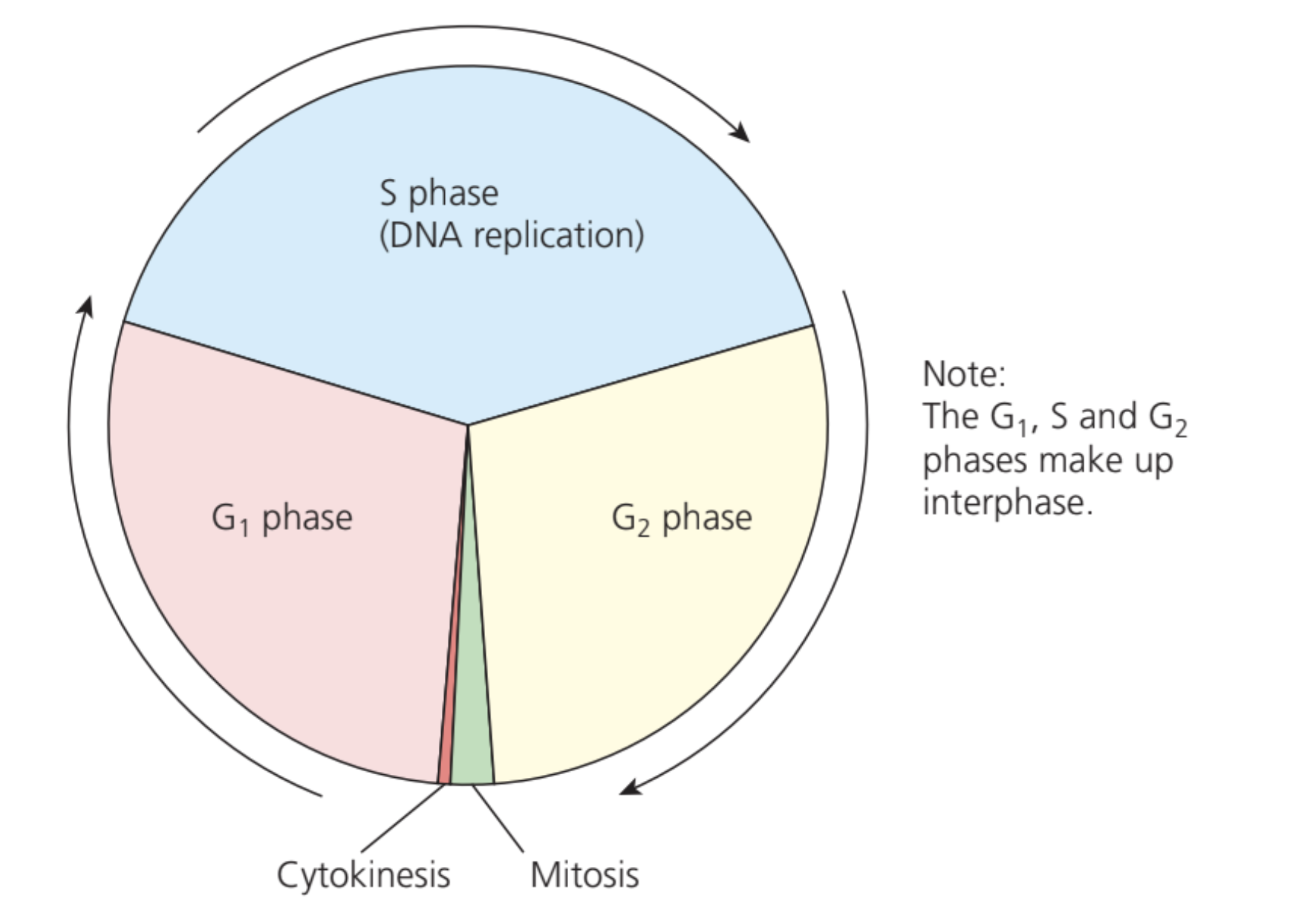
Note
During the S phase, DNA replication takes place, resulting in each chromosome consisting of two identical DNA molecules ready for division. This is the most critical phase as it ensures each daughter cell will receive an exact copy of the genetic material.
Chromosome structure
After DNA replication in the S phase, each chromosome contains two identical DNA molecules called chromatids. These chromatids remain joined together at a region called the centromere. This structure is vital for ensuring that genetic material is distributed equally between daughter cells during division.
Important
The centromere is crucial for proper chromosome separation. If the centromere fails to function correctly, chromosomes may not separate properly, leading to genetic abnormalities in daughter cells.
The stages of mitosis
Mitosis consists of four main stages, followed by cytokinesis:
- Prophase
- Metaphase
- Anaphase
- Telophase
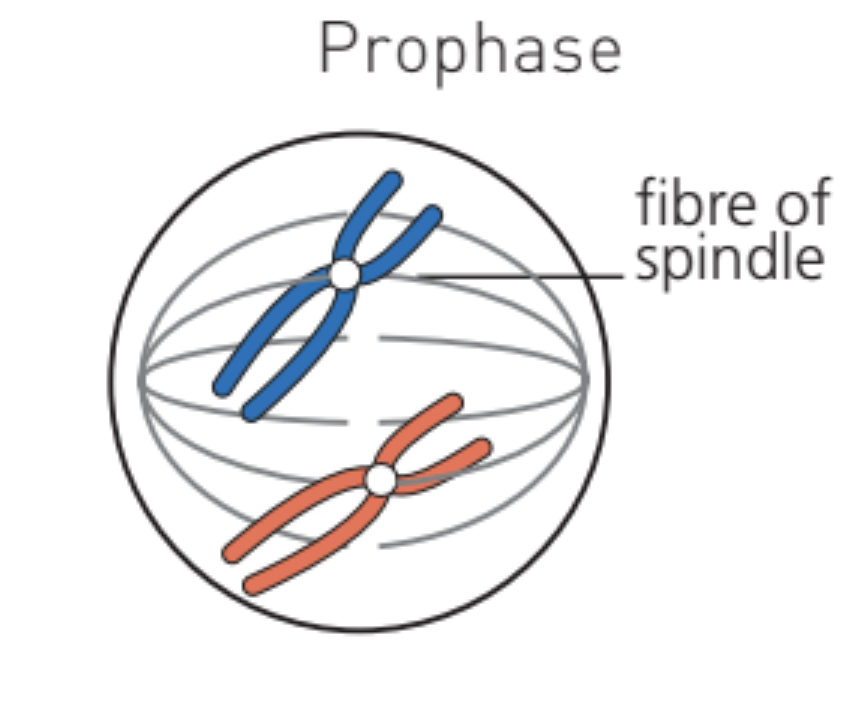
Prophase
During prophase, several important changes occur:
- Chromosomes condense and become visible under a microscope
- The centrioles duplicate and begin moving towards opposite poles of the cell
- The spindle apparatus starts to form
- Centriole pairs separate and move to opposite ends of the cell
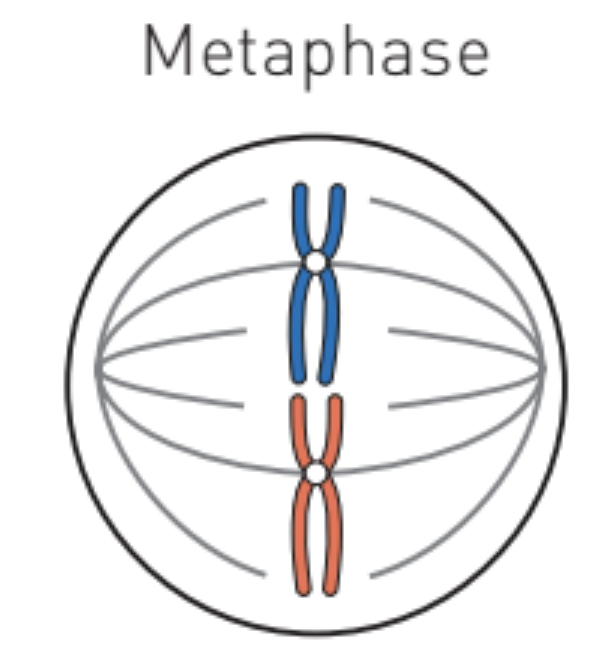
Metaphase
The key events of metaphase include:
- The nuclear envelope disappears completely
- Centriole pairs reach the opposite poles of the cell
- The spindle is now fully formed
- Chromosomes continue to condense and become more compact
- Microtubules from the spindle attach to the centromeres of chromosomes
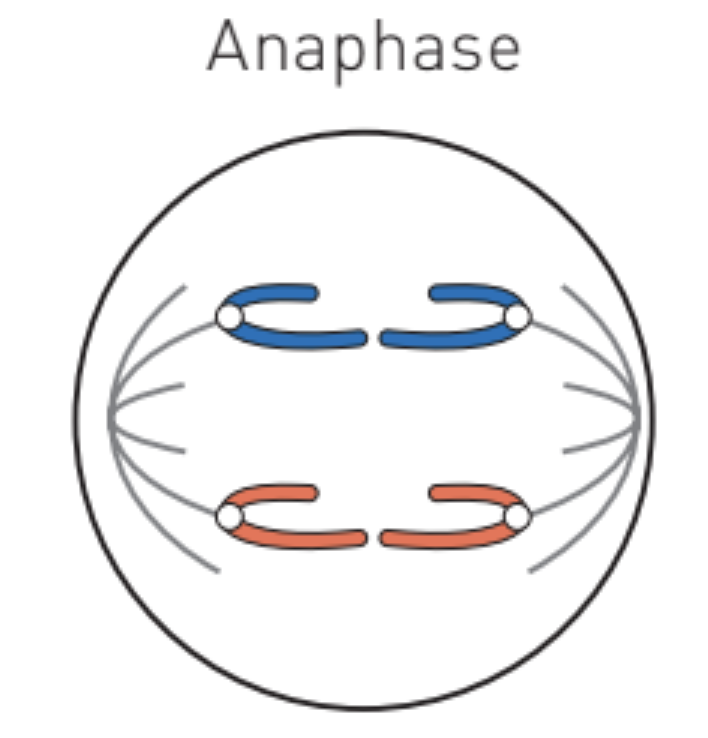
Anaphase
Anaphase is characterised by:
- The connections between sister chromatids break
- Individual chromatids (now separate chromosomes) move apart
- Microtubules pull the chromatids towards opposite poles of the cell
- The centromeres of sister chromatids separate, pulled by spindle microtubules
Telophase
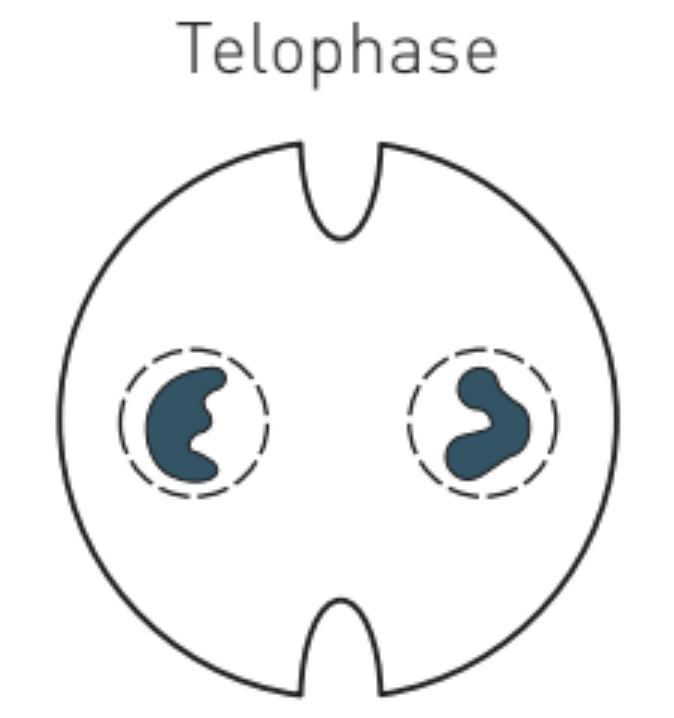
During telophase:
- Individual chromatids (now effectively separate chromosomes) reach the opposite poles of the cell
- Chromosomes decondense and return to their extended form
- Nuclear envelopes reform around each group of chromosomes at opposite poles
- The spindle apparatus disappears
Cytokinesis
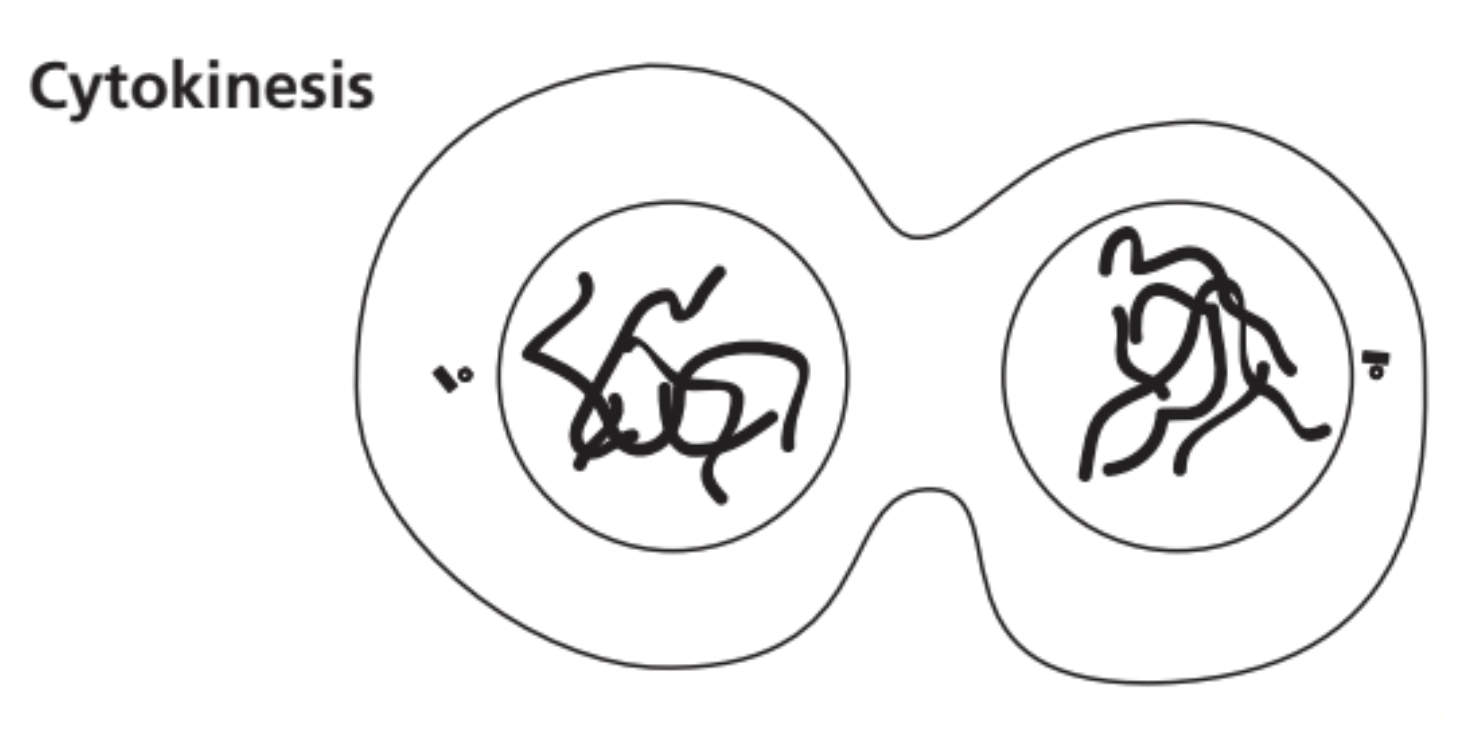
Cytokinesis is the final stage where:
- The cell divides into two separate daughter cells
- In animal cells, this occurs by infolding of the plasma membrane
- In plant cells, a new cell wall and plasma membrane form between the two nuclei
- Each daughter cell receives approximately half the organelles from the parent cell
Example
Worked Example: Following a Chromosome Through Mitosis
Let's follow what happens to a single chromosome during mitosis:
Step 1: Interphase (S phase) - The chromosome replicates, forming two sister chromatids joined at the centromere
Step 2: Prophase - The chromosome condenses and becomes visible under the microscope
Step 3: Metaphase - The chromosome aligns at the cell's equator, with spindle microtubules attached to its centromere
Step 4: Anaphase - The sister chromatids separate and move to opposite poles of the cell
Step 5: Telophase - Each chromatid (now an individual chromosome) reaches opposite poles and decondenses
Cell division and differentiation
As multicellular organisms develop, many cells become differentiated - they specialise for specific functions. When cells differentiate, they typically lose their ability to divide by mitosis. Most adult human cells have lost the capacity for division, though some cells (such as skin cells) can still divide a limited number of times before they die.
Mitosis is a tightly controlled process. When the control mechanisms that regulate cell division break down, cells may begin dividing repeatedly in an uncontrolled manner.
Important
This uncontrolled cell division can lead to the formation of cancer cells, which may develop into a tumour. Cancer occurs when the normal regulatory mechanisms of the cell cycle fail, allowing cells to divide without the usual checkpoints and controls.
Summary
Key Points to Remember:
- Mitosis produces two genetically identical daughter cells from one parent cell
- The cell cycle includes interphase (G₁, S, G₂) and mitosis, with DNA replication occurring during S phase
- Each chromosome consists of two sister chromatids joined at the centromere after DNA replication
- The stages of mitosis are prophase, metaphase, anaphase, and telophase, followed by cytokinesis
- Uncontrolled mitosis can lead to cancer