Case Study: The Sefton Coast Sand Dunes (AQA A-Level Geography): Revision Notes
📚Revision Notes
Case Study: The Sefton Coast Sand Dunes
Introduction and location
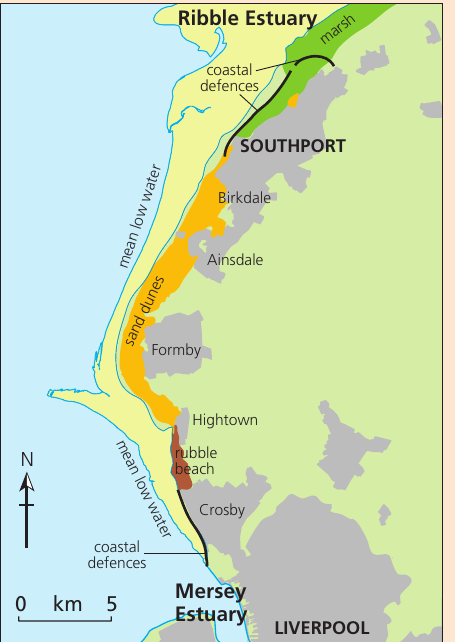
The Sefton Coast represents one of the most significant coastal dune ecosystems in Great Britain. This extensive natural landscape stretches for 17 kilometres along the Irish Sea coast, extending up to 4 kilometres inland, and covers a total area of 2,100 hectares. The dune system is positioned between two major estuaries: the Ribble Estuary to the north and the Mersey Estuary to the south, near Liverpool.
The dunes at Sefton are particularly impressive in their scale, with some reaching heights of up to 30 metres. This makes them among the tallest coastal dunes in Britain. The area is not just valued for recreation but also for its exceptional ecological importance.
Protection status
The ecological significance of the Sefton Coast is reflected in its multiple layers of environmental protection.
Note
Protected Status Designations
The dunes have been designated as:
- SSSI (Special Site of Scientific Interest)
- SAC (Special Area of Conservation)
- SPA (Special Protection Area)
- Protected under the RAMSAR convention on wetlands
- Home to three National Nature Reserves (NNRs)
- Contains three Local Nature Reserves (LNRs) within the borough of Sefton
These designations ensure that the area receives appropriate management and legal protection from damaging activities.
Biodiversity
The dunes support an exceptional range of wildlife. Key animal species found here include the sand lizard (a rare reptile in Britain), the natterjack toad (a protected amphibian species that breeds in dune slacks), the great crested newt (another protected amphibian), and the red squirrel (now rare in England, with the dune woodlands providing important habitat). The area also supports rare orchid species including the dune helleborine and pendulous flowered helleborine.
The botanical diversity is particularly impressive. Scientists have recorded 460 species of flowering plants in this area, with 33 of these classified as locally or regionally rare species. This makes the Sefton Coast a genuine biodiversity hotspot.
Sand dune succession
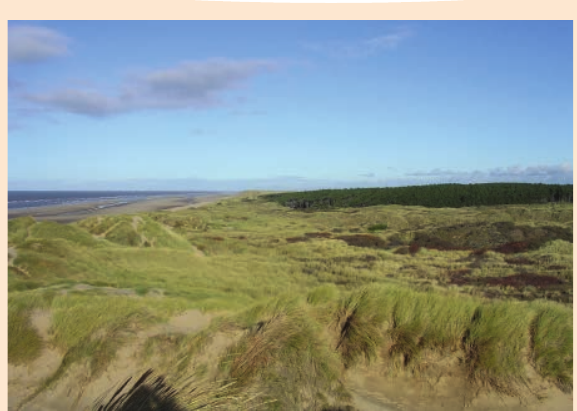
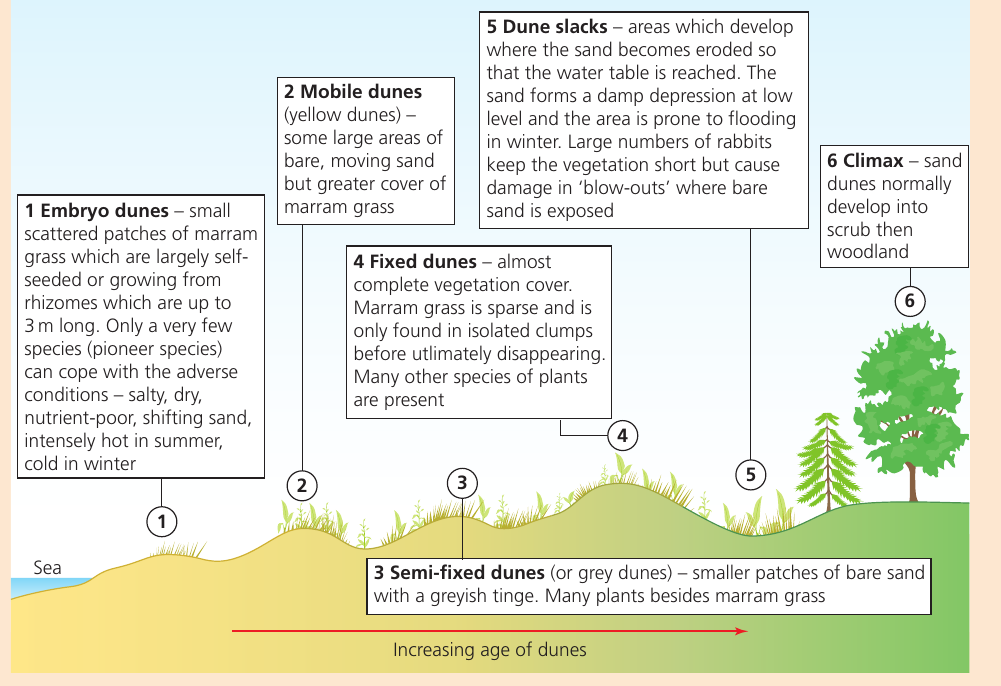
Sand dunes form through the accumulation of wind-blown sand, creating a dynamic landscape that changes over time. As you move inland from the beach towards the woodland, the dunes become progressively older and the vegetation and animal communities become more diverse and complex. This natural process of change over time is called succession.
Important
Understanding Psammosere
A psammosere is the specific term for the succession sequence that occurs on sand dunes. Each stage within the psammosere is identified by its position on the coastline and the characteristic plant communities found there.
This succession represents a gradual transformation from harsh, unstable coastal conditions to stable, vegetated inland habitats, with each stage building upon the changes created by the previous one.
Stage 1: The strand line
The strand line marks the point where sand dune formation begins, just above the highest tide mark. This environment presents extreme challenges for plant survival. The sand is bare and constantly shifting, making it highly unstable. The substrate is very dry and salty due to sea spray, and it is severely lacking in plant nutrients. Additionally, fragments of sea shells create a high pH environment (very alkaline). These harsh conditions mean the strand line is essentially inhospitable for most plant growth.
However, a few highly specialised annual plants have evolved remarkable strategies to survive here. These primary colonisers include sea rocket and prickly saltwort.
Note
These pioneer species are specifically adapted to the psammosere environment. They may form miniature sand dunes as sand accumulates around their plant bodies. The plants are able to grow upwards slightly as sand builds up around them. Alternatively, if conditions become too harsh, they may simply be washed away by the waves during the next high tide, with their seeds dispersed elsewhere to try again.
Stage 2: Embryo dunes
As sand continues to accumulate above the high-tide line, small mounds begin to form. These embryo dunes represent the first persistent sand accumulation in the succession. They are colonised by the first perennial (long-lived) plants in the dune succession, rather than annual species.
The specialised grasses that colonise embryo dunes include sand couch and lyme grass. These grasses possess crucial adaptations that allow them to survive in this stressful environment. They can grow upwards through accumulating sand and can tolerate burial to some extent. As the plants trap more wind-blown sand around their stems and leaves, low, hummocky dunes begin to form. The sand is still mostly bare, with just scattered patches of these pioneering grasses. The substrate remains salty, dry, and nutrient-poor, with intense heat in summer and cold conditions in winter.
Stage 3: Mobile dunes (yellow dunes)
The upward growth of the embryo dunes eventually raises the sand surface high enough that it sits well above the reach of even the highest storm tides. This change in elevation is critical because it means the sand can now be washed by fresh rainwater rather than salty seawater. This leaching process gradually reduces the salt content of the sand, making it less saline and slightly less unstable as more vegetation establishes.
Under these improved conditions, a different grass species becomes dominant: marram grass. This is the major dune-building grass and is responsible for creating the large, distinctive dunes that characterise coastal landscapes. Marram grass is remarkably effective at trapping wind-blown sand, which accumulates around the plant and reduces wind speed at the surface. The grass can grow upwards through accumulating sand at rates of up to one metre per year.
Important
Why are these called "mobile" or "yellow" dunes?
Despite the progress in vegetation establishment, the environment remains extremely stressful. Marram grass is highly adapted to these harsh conditions and is the dominant (and often the only) species present. These dunes are called "mobile" because the sand is still actively moving, and "yellow" because the colour of the bare sand remains visible between the tufts of grass.
Stage 4: Semi-fixed dunes (grey dunes)
On the landward (inland) side of the frontal mobile dunes, conditions become progressively more favourable for plant growth. The surface is more sheltered from onshore winds and the effects of sea spray. A greater variety of plant species can colonise here, with adapted plants able to tolerate the still-challenging conditions.
Good examples of colonising species at this stage include sea holly and sea spurge. As growing conditions continue to improve with increasing distance from the sea, species diversity continues to rise. A much smaller and finer-leaved grass begins to fill in the bare spaces between the clumps of marram grass. This grass is called red fescue. If conditions remain stable at the sand surface, red fescue and various moss species will continue to cover the bare sand between the patches of marram grass.
These semi-fixed dunes are also called "grey dunes" because the covering of plants and mosses gives the sand surface a greyish tinge, rather than the yellow colour of bare sand.
Stage 5: Fixed dunes
When the vegetation has developed to the point where it forms a more or less complete cover over the sand surface, the dunes are considered to be "fixed". This means they are stable and the sand is no longer actively moving. These fixed dunes still represent a stressful environment, despite appearing well-vegetated. The pH remains very high due to shell fragments, drought conditions persist because sand drains rapidly, and nutrients remain in very short supply.
In addition to these abiotic (non-living) environmental stresses, the dunes may also be affected by biotic (living) factors such as grazing by animals or trampling by people or livestock. A thin, brown organic layer has started to form at the surface of the soil as dead plant material decomposes. If the fixed dunes are grazed (for example, by rabbits or sheep), a distinctive plant community called fixed dune grassland develops.
Note
The Impact of Rabbit Populations
The rabbit population on the Sefton Coast was severely impacted by the introduction of myxomatosis disease in the 1950s. The absence of grazing pressure caused by the loss of rabbits allowed a different type of vegetation to develop. Large, coarse grasses and a woody plant called creeping willow began to spread. This demonstrates how grazing animals play an important role in maintaining certain types of dune habitat.
Stage 6: Dune slacks
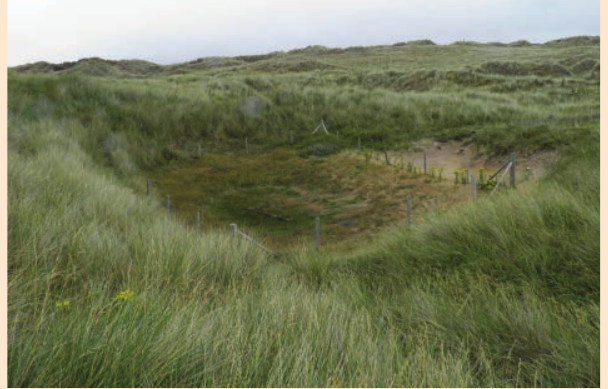
Within the dune landscape, there are a number of wet and sometimes very large depressions. These are called dune slacks and they represent a completely different habitat within the dune system. The water table in these areas fluctuates annually because of the differences in rainfall and evapotranspiration between summer and winter months. Because of this fluctuation, many dune slacks are flooded during the winter period.
The wet sand in the slacks is colonised by wetland plants, and a succession occurs on this wet substrate. However, this succession is very different from that on the dry dunes. A wide range of wetland plant species thrive here, and early vegetation can be extremely species-rich. Typical plants include sedges, horsetails, and various moss species.
Important
Critical Habitat for Protected Species
These slacks serve as the breeding grounds for the natterjack toad, one of the key protected species of the Sefton Coast dunes. The shallow, fluctuating water conditions are essential for this species' survival and reproduction.
In recent years, grazing by domestic stock has been reintroduced to the Ainsdale area, and the rabbit populations are now healthy again, which has helped maintain the unique dune slack vegetation.
Stage 7: Scrub and woodland (climax vegetation)
Following the near-destruction of the rabbit population in the 1950s, tall woody plants that had previously been controlled by rabbit grazing were able to invade and establish naturally on the dunes. These species include birch and hawthorn.
Additionally, pine plantations that were deliberately planted in the area began seeding naturally into the open dunes, with pine trees spreading from the plantation areas. Over time, if succession is allowed to continue without interference, the dunes would naturally develop into scrub and eventually woodland. This represents the climax vegetation community for this location.
Human impacts on the dunes
The Sefton Coast has experienced significant human pressure over many decades, which has shaped the current landscape and created challenges for conservation.
Historical impacts (19th century)
From the middle of the nineteenth century onwards, human activities began to significantly alter the natural dune landscape. After the Southport to Liverpool Railway was constructed, vast amounts of 'night soil' (human manure) from the backstreets of Liverpool were transported and dumped in the dunes at Freshfield and Formby.
Important
Large-Scale Habitat Destruction
The dunes were deliberately flattened and approximately 80 hectares of duneland was converted to agricultural use for growing asparagus. This practice continues on National Trust land today, although most of the flattened areas have since been converted to car parks, caravan sites, or other open recreational spaces.
This represents a significant permanent loss of natural dune habitat from the original ecosystem.
Recreation and tourism (1960s-1970s)
Uncontrolled public access during the 1960s and 1970s caused severe dune erosion, particularly at Formby Point. Multiple factors contributed to this damage:
- Dogs disturbing wildlife and vegetation
- People causing disturbance to ground-nesting birds
- Off-road vehicles damaging large areas of sand dunes
The situation in the 1970s and 1980s was particularly severe, with extensive damage occurring. This was eventually brought under control through the introduction of countryside management techniques, including access restrictions and designated paths.
Golf course management
Over 25 per cent of the Sefton Coast dunes are currently managed as golf courses. Management techniques used on these courses include drainage systems, irrigation, mowing, fertilising, and reseeding. These practices have damaged natural habitats in some areas.
Note
Balancing Recreation and Conservation
However, much of the golf course management has become sympathetic to conservation objectives. The characteristic dune landscape and its specialist species and habitat types are maintained alongside golf course operations. Approximately 70 per cent of each golf course area is not involved in active play and receives only indirect golf management, allowing natural vegetation to persist.
Pine plantations
In the early twentieth century, the dunes were deliberately planted with pine trees. The aim was to stabilise the shifting dunes and transform what was perceived as 'wasteland' into a more productive estate. The plantations were intended to provide timber crops, woodland products, and improved opportunities for agriculture and recreational hunting (game shooting).
The first pine trees were planted around 1900, and planting continued until the 1960s. Today, these woodlands provide important habitat for the red squirrel population, which is now rare in England. However, the slacks were generally not planted with trees. Instead, drainage ditches were dug in the slacks to lower the water table. This drainage led to a significant loss of wet slack habitat, which is crucial for protected species such as the natterjack toad.
Management strategies
Problems caused by pine plantations
Once the woodland canopy became established and fully formed, the trees created dense shade over the area beneath. This shading prevented other plants from growing, as insufficient light reached the ground. Huge areas of the natural dune landscape, along with their specialised dune plants and animals, were lost through this afforestation.
Important
Environmental Impacts of Pine Plantations
The plantations caused multiple serious problems:
- Lowered water tables: The trees draw large amounts of water from the soil, causing water levels to drop significantly
- Changed soil chemistry: Pine needles fall continuously onto the surface and alter the structure and chemistry of the soil as they decompose
- Loss of biodiversity: The accumulation of a very large layer of plant litter creates conditions that are very different from the original open dunes, and specialist dune species cannot survive
- Reduced dune slack viability: The drying effect on surrounding dune slacks has reduced their conservation value
These impacts demonstrate how well-intentioned management in the past can have long-term negative consequences for natural ecosystems.
Modern conservation approaches
Recognising these problems, conservation managers have taken action to restore natural dune habitats in some locations. In one part of the Ainsdale National Nature Reserve, the seaward plantations have been deliberately removed. This removal has allowed the recolonisation of the area by specialised plants such as yellow bartsia, and animals such as the sand lizard and natterjack toad. Monitoring of this restoration project shows it is already proving successful.
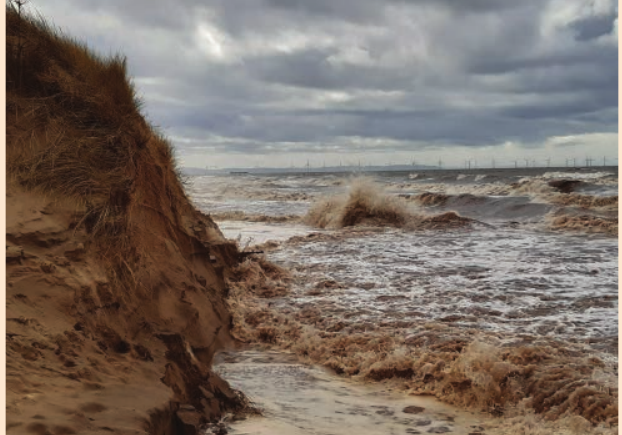
The National Trust manages 414 hectares of land along the Formby coast. Its management aims to safeguard the natural resources and wildlife present so that they remain for future generations. One of the significant challenges facing managers is the loss of mobile and fixed dunes due to increased marine erosion, which is gradually eating away at the coastline.
Conservation of fixed dunes
The fixed dunes and their associated specialist species face threats from various factors that reduce their nature conservation value. The spread of scrub vegetation and rank (tall, dense) vegetation leads to particular problems: soil development and the drying out of dune slacks, loss of open species-rich habitats, and dominance of a few competitive species rather than diverse communities.
To manage these issues effectively, several techniques have been implemented:
Example
Conservation Management Technique: Scrub Cutting and Clearance
Removing scrub allows light and warmth to reach the surface, which enables colonising plant species to begin growing again. This maintains the open character of the dunes and prevents succession from progressing to woodland.
Results: This technique has successfully maintained open dune habitats and prevented the loss of specialist dune species.
Example
Conservation Management Technique: Mowing
Controlling the height and density of vegetation, particularly in areas where creeping willow has become dominant, prevents the habitat from becoming overwhelmed by tall, competitive plants. This maintains the botanically diverse dune turf communities that characterise healthy fixed dunes.
Results: Regular mowing has helped preserve the species-rich fixed dune grassland communities.
Example
Conservation Management Technique: Turf-Stripping and Excavation
In some dune slack areas, the soil and vegetation have been deliberately scraped away to create bare patches. This technique serves to provide breeding pools specifically for the natterjack toad, as this species requires shallow, warm water bodies with sparse vegetation for successful reproduction.
Results: These artificial pools have provided essential breeding habitat for the threatened natterjack toad population.
Example
Conservation Management Technique: Controlled Grazing
Domestic grazing animals have been deliberately reintroduced to parts of the Ainsdale dunes by English Nature (now Natural England). This grazing programme has carefully controlled targets, including managing the spread of invasive species such as creeping willow.
Results: The results have been positive, with an increase in species diversity observed. The grazing has encouraged a return to a mix of vegetation types with bare sand patches, more closely resembling the natural dune grassland habitat.
Summary
Key Points to Remember:
-
The Sefton Coast is one of Britain's largest dune systems, covering 2,100 hectares with dunes up to 30 metres high, and supports 460 flowering plant species including 33 rare species.
-
Sand dune succession (psammosere) progresses through seven distinct stages from strand line to climax woodland, with each stage characterised by increasingly complex vegetation as conditions become less stressful.
-
Marram grass is the key dune-building species on mobile dunes, capable of growing upwards through sand at rates of up to one metre per year, while dune slacks provide crucial breeding habitat for the natterjack toad.
-
Historical human impacts include 19th-century agricultural conversion, 20th-century pine plantations, and recreational damage, with over 25% of the area now managed as golf courses.
-
Modern conservation management uses techniques including scrub clearance, controlled grazing, turf-stripping for natterjack toad pools, and removal of some pine plantations to restore natural dune habitats and increase biodiversity.