Case Study: Australian Bushfire Season 2019–20 (AQA A-Level Geography): Revision Notes
📚Revision Notes
Case Study: Australian Bushfire Season 2019–20
Introduction
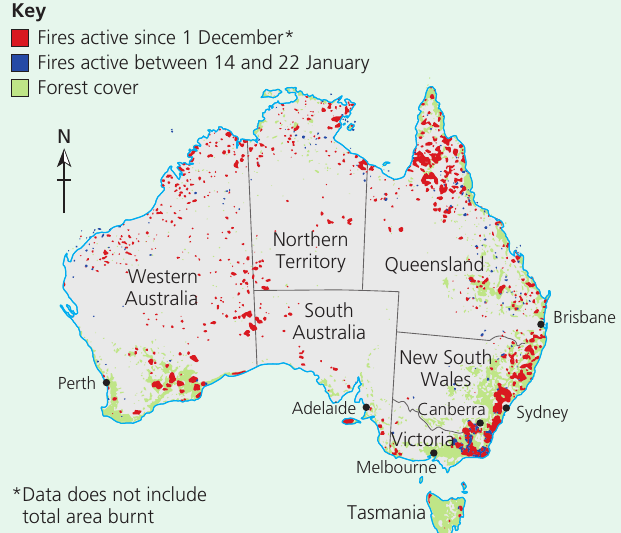
The 2019-20 Australian bushfire season, known locally as the Black Summer, represents one of the most catastrophic wildfire events in the nation's history. The fires began in June 2019 with several significant uncontrolled blazes. Throughout the summer months, the situation intensified dramatically, with the fires reaching their peak severity during December 2019 and January 2020.
The fires primarily affected the south-eastern regions of Australia. The scale of the disaster was so immense that even the nation's capital, Canberra, became blanketed in thick smoke that eventually spread across vast distances.
Note
The name "Black Summer" reflects the unprecedented severity and duration of the fire season, which burned through the Australian summer months and left a lasting impact on the nation's landscape and communities.
Risk and vulnerability factors
Several environmental conditions combined to create ideal circumstances for the bushfires. Understanding these factors helps explain why the 2019-20 season became so catastrophic.
Extreme drought conditions:
- Australia experienced its driest spring season on record for the entire continent
- Temperature readings were significantly above average across nearly all regions of the country
Record-breaking heatwave:
- The summer months saw an unprecedented heatwave
- The country's average temperature reached 40.9°C
- These extreme temperatures, combined with the prolonged drought, created perfect conditions for fires to ignite and spread rapidly
Important
Critical Fire Conditions
Prolonged drought combined with extreme heat creates the most dangerous conditions for bushfires. When vegetation becomes extremely dry, it acts as fuel that allows fires to spread quickly and burn intensely. The combination of record-breaking drought and temperatures created an environment where fires could ignite easily and spread with devastating speed.
Impacts of the bushfires
Environmental impacts
The bushfires caused environmental destruction on an extraordinary scale, affecting Australia's forests, wildlife, and atmosphere in ways that will take decades to recover.
Forest destruction:
- More than 20% of Australia's total forest area was burned
- By the beginning of March 2020, approximately 18.6 million hectares of forest had been destroyed
- This represents an exceptional magnitude of environmental damage unprecedented in modern Australian history
Note
To put this into perspective, 18.6 million hectares is roughly equivalent to the combined land area of England and Wales. The scale of forest loss exceeded all previous Australian bushfire seasons combined.
Wildlife casualties:
- An estimated one billion animals were killed in the fires
- Several endangered species may have become extinct as a result
- The loss of habitat and direct fire casualties created a conservation crisis that continues to affect Australia's biodiversity
Atmospheric impact:
- NASA calculated that 306 million tonnes of CO₂ had been released into the atmosphere
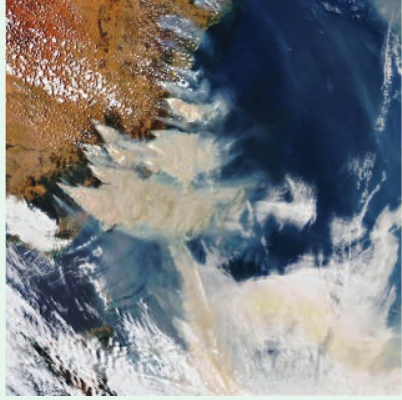
- The smoke from the fires traveled approximately 11,000 kilometres across the South Pacific Ocean, reaching as far as Chile and Argentina
- The smoke created air quality issues not just in Australia but across the Pacific region
Economic and infrastructure impacts
The bushfires caused massive destruction to buildings and infrastructure across the affected regions:
- Over 5,900 buildings were destroyed by the fires
- This total included 2,779 homes, leaving thousands of families displaced
- Analysts projected the total economic costs of the fires to be in the region of US$70 billion
Note
The economic costs include direct losses from destroyed property, agricultural losses, environmental restoration costs, and long-term impacts on tourism and local economies. The true economic impact may take years to fully calculate.
Human casualties
The bushfires resulted in significant loss of life, affecting both civilians and emergency responders:
- At least 34 people were killed directly by the fires
- During firefighting operations, an air tanker and two helicopters crashed, resulting in the deaths of three crew members
- Two fire trucks were involved in fatal incidents caused directly by fire conditions, killing three firefighters
Important
These casualties highlight both the direct danger posed by the fires and the extreme risks faced by those attempting to combat them. The loss of firefighters and emergency personnel demonstrates the unpredictable and dangerous nature of bushfire conditions, even for trained professionals.
Responses to the wildfires
National response
Australian authorities implemented comprehensive emergency measures to combat the fires and protect communities at risk.
Emergency declarations:
- States of emergency were declared across New South Wales, Victoria and the Australian Capital Territory
- These declarations enabled authorities to mobilise resources more effectively and implement emergency procedures
- The declarations also provided legal authority for evacuations and the closure of dangerous areas
Reinforcements:
- Firefighting reinforcements from across Australia were called in to assist affected states
- These reinforcements helped relieve exhausted local fire crews in New South Wales who had been battling the blazes continuously
- The rotation of crews ensured that firefighters could maintain effectiveness without complete exhaustion
Note
Many volunteer firefighters spent weeks away from their homes and families, working in dangerous conditions with minimal rest. The sustained effort required unprecedented coordination between state fire services and volunteer organizations.
Military mobilisation:
- The Australian Defence Force was mobilised to provide crucial support
- Military resources provided air support to firefighting efforts, including water-bombing operations
- The Defence Force also supplied additional manpower and logistical support to coordinate the response
- Military personnel assisted with evacuations and the establishment of emergency relief centers
International support
The scale of the disaster prompted international assistance, demonstrating global solidarity in responding to the crisis.
Firefighters, supplies and equipment arrived from Canada, New Zealand, Singapore and the United States, among other countries. International crews were particularly helpful in fighting the fires in New South Wales, bringing specialized expertise and equipment designed for large-scale wildfire management.
Note
International cooperation in firefighting is not uncommon, as countries with experience in managing wildfires often share resources during severe fire seasons. The reciprocal nature of this support means Australian firefighters have previously assisted other nations during their fire emergencies.
Focus area: Kangaroo Island
Kangaroo Island gained worldwide attention during the bushfire crisis due to the exceptional damage it suffered and its unique ecological significance.
Location and significance:
- Located 112 kilometres south-west of Adelaide in South Australia
- Sits just 13.5 kilometres from the mainland at its closest point
- More than one-third of the island is protected by nature reserves
- These reserves provide habitat for native wildlife including sea lions, koalas and numerous diverse bird species
- The western region includes Flinders Chase National Park, which is particularly known for its penguin colonies
Damage to the island:
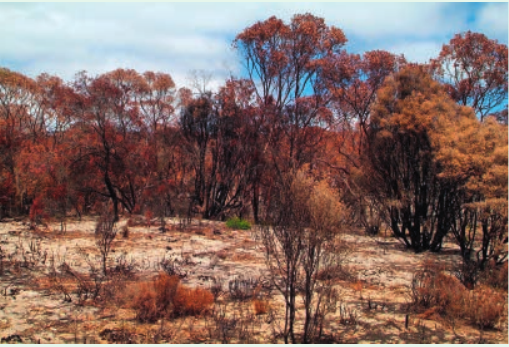
The impact on Kangaroo Island was devastating, with more than half of the island affected by the fires. A total of 215,000 hectares burned, destroying critical habitat and threatening the survival of endemic species found nowhere else on Earth.
Note
Reports emerged of so many animal corpses that they had to be buried in huge pits to prevent disease and allow the recovery process to begin. Injured animals were either cared for by local people who opened their homes as temporary wildlife hospitals, or transported to the mainland for professional veterinary treatment.
Conservation concerns:
The long-term ecological impact on Kangaroo Island remains a significant concern for conservationists and researchers:
- The fires destroyed critical habitat for native wildlife that had been protected for generations
- Species that were already vulnerable before the fires now face an uncertain future
- The loss of homes and livelihoods has impacted the island's human population, affecting the community's ability to support conservation efforts
- The long-term ecological recovery of the island remains uncertain and will require sustained monitoring and intervention
Important
Extinction Risk
There is significant concern that some of the island's wildlife species may now have become extinct. Kangaroo Island was home to several subspecies and isolated populations that existed nowhere else. The combination of habitat loss, direct casualties from fire, and the ongoing impacts on food sources and shelter may have pushed some species beyond the point of recovery.
Summary
Key Points to Remember:
-
The 2019-20 Australian bushfire season (Black Summer) began in June 2019 and peaked during December-January, making it one of the most destructive wildfire events in history
-
Extreme drought conditions and record heatwave temperatures (40.9°C country average) created ideal conditions for the fires to spread rapidly across south-eastern Australia
-
The environmental impact was catastrophic: over 20% of forests burned (18.6 million hectares), one billion animals killed, and 306 million tonnes of CO₂ emitted into the atmosphere
-
The fires caused 34 civilian deaths, destroyed over 5,900 buildings, and resulted in estimated costs of US$70 billion
-
The response involved national emergency declarations across three states and territories, Australian Defence Force mobilisation, and international firefighting support from multiple countries including Canada, New Zealand, Singapore, and the United States
-
Kangaroo Island suffered exceptional damage with over 215,000 hectares burned, raising serious concerns about the potential extinction of unique wildlife species endemic to the island