Impacts of Wildfires (AQA A-Level Geography): Revision Notes
📚Revision Notes
Impacts of Wildfires
Wildfires can have devastating consequences for both human populations and natural environments. These impacts are typically divided into primary effects (direct, immediate consequences) and secondary effects (indirect consequences that follow). Understanding these impacts is essential for developing effective response strategies.
Primary effects
Primary effects are the direct, immediate consequences that occur during and immediately after a wildfire event. These impacts can affect people, property, the environment and the economy.
Loss of crops, timber and livestock
Forest fires cause severe damage to agricultural and forestry areas. In regions where timber production is a major industry, wildfires can destroy vast numbers of trees. The challenge with this type of damage is the extremely long recovery period - it takes many years, sometimes decades, for forests to regenerate to their previous state. This means the economic impact continues long after the fire is extinguished. Livestock and crops are also lost, affecting food security and farmers' livelihoods.
Note
Timber losses are particularly devastating for local economies because forests require decades to regenerate to their previous state, meaning the economic impact persists long after the flames are extinguished.
Loss of life
Although many wildfires occur in locations where people can evacuate safely, some fires move quickly and trap people in their path. When fires spread rapidly through populated areas, escape becomes difficult or impossible.
Example
Case Study: Victoria Bushfires (Australia, 2009)
The Victoria bushfires tragically claimed 173 lives, demonstrating that wildfires can be deadly disasters, not just property hazards. This death toll was not typical for wildfires, but it highlights the serious threat these events pose when they reach urban areas with little warning.
Loss of property
Historically, wildfires primarily threatened rural communities and isolated properties. However, the continued expansion of urban development into wildland areas has dramatically increased the number of properties at risk. Cities and suburbs now extend into regions that were once considered wild or rural areas.
Major urban centres now face significant wildfire threats:
- Sydney, Australia
- Los Angeles, California
When fires reach these areas, the financial damage can be enormous. Property loss can reach hundreds of millions or even billions of pounds. These fires can destroy hundreds or thousands of homes in a single event, leaving large numbers of people homeless and requiring extensive emergency shelter provision.
Release of toxic gases and particulates
Wildfires produce massive amounts of smoke containing harmful gases and tiny particles. This smoke creates serious air pollution that can travel hundreds of kilometres from the fire source.
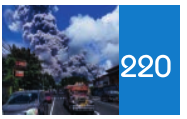
The Southeast Asian haze provides a striking example of this impact. This large-scale air pollution event occurs regularly and results from illegal slash-and-burn agricultural practices in Indonesia. Farmers clear forest by burning, but these fires frequently escape control and burn across huge areas for extended periods.
Example
Case Study: Indonesian Fires (1997-98)
The pollution from Indonesian fires affected multiple countries across the region:
- Singapore
- Malaysia
- Thailand
- Vietnam
This created political tensions, as neighbouring governments demanded that Indonesia take stronger action against illegal forest burning. The 1997-98 fires were particularly severe - one commentator described them as "probably amongst the two or three, if not the largest forest fires, in the last two centuries of recorded history."
Loss of wildlife
Natural habitats are destroyed during wildfires, killing wildlife and destroying ecosystems that take many years to recover. In Indonesia, the 1997 fires destroyed the Wein River orangutan sanctuary on Kalimantan, threatening this already endangered species. The loss of wildlife represents both an ecological tragedy and a loss of biodiversity that may not be recoverable.
Important
Wildlife losses represent permanent biodiversity damage. When endangered species like orangutans lose their habitat, the impact may be irreversible, as these species cannot simply relocate to new areas.
Damage to soil structure and nutrient content
The intense heat generated at ground level during a wildfire causes significant damage to soil. This heat destroys many essential soil nutrients and can fundamentally alter the soil's physical structure. This soil degradation has long-term consequences for vegetation regrowth and ecosystem recovery.
Note
The California wildfires of 2019 caused an estimated £80 billion in total damage and economic loss (both insured and uninsured). This figure, based on AccuWeather's comprehensive analysis, includes both direct damage (destroyed property, burnt forests) and indirect impacts (business disruption, health costs from air pollution, soil degradation).
Secondary effects
Secondary effects are the indirect consequences that follow from the initial fire event. These impacts may continue long after the flames are extinguished.
Evacuation
When wildfires threaten populated areas, residents must flee to safety. This displacement creates multiple challenges:
- People cannot return to the affected area for extended periods
- Emergency accommodation must be arranged for evacuees
- Food and basic supplies must be provided
- Some people may never be able to return if their homes are destroyed
Even when the fire is controlled, the affected area often remains dangerous or uninhabitable for a considerable time.
Increased flood risk
In certain environments, particularly those that experience heavy rainfall, the loss of vegetation creates a serious flooding hazard. This happens because:
- Trees and plants normally intercept (absorb) rainfall before it reaches the ground
- When vegetation is destroyed, this interception capacity is lost
- Rainfall reaches the ground more quickly and in greater quantities
- The soil may be unable to absorb the increased water flow
- Flooding becomes more likely, especially during heavy downpours
Important
Wildfires can increase vulnerability to other natural hazards. The loss of vegetation that normally intercepts rainfall means that one natural hazard (wildfire) directly increases the risk of another hazard (flooding).
Responses to wildfire hazards
Preparedness
Communities in fire-prone areas implement various preparedness measures to reduce wildfire impacts and protect residents.
Education programmes
Governments often produce comprehensive guidance to help communities and individuals prepare for fire hazards. In California, where wildfires are a recurring threat, the Department of Homeland Security provides detailed recommendations for residents.
Warning systems and information:
- Signing up for fire warning systems provided by California state authorities
- Monitoring federal weather service alerts and forecasts
- Understanding local fire risk levels throughout the year
Note
The emphasis in wildfire preparedness is on advance planning rather than last-minute responses, as wildfires can move extremely quickly and leave little time for evacuation.
Evacuation planning:
- Familiarising yourself with designated evacuation routes before an emergency occurs
- Preparing an emergency bag containing essential supplies (documents, medications, food, water)
- Keeping this bag readily accessible for rapid departure
- Planning where household members will meet if separated
Home preparation:
- Designating a safe room that can be sealed from outside air during poor air quality events
- Installing portable air filters to reduce indoor smoke and pollution
- Creating a fireproof safe location for important documents (passports, insurance papers, driving licences)
- Storing digital copies of all critical documents on cloud storage for access if physical copies are destroyed
Property modification:
- Using fire-resistant materials when building extensions or outbuildings
- Creating a fire-resistant zone by clearing flammable vegetation and materials within 10 metres of buildings
- Removing dead vegetation, wood piles and other combustible materials from around structures
- Maintaining this cleared space regularly to prevent fuel accumulation
These preparedness measures significantly reduce the risk of property loss and improve personal safety during wildfire events.
Summary
Key Points to Remember:
Primary effects include:
- Loss of life (Victoria bushfires killed 173 people)
- Property destruction
- Crop and timber loss with decades-long recovery periods
- Air pollution from toxic gases and particulates
- Wildlife deaths and habitat destruction
- Soil damage (California fires in 2019 caused £80 billion in damage)
Secondary effects include:
- Forced evacuation and displacement of populations
- Increased flooding risk due to loss of vegetation that normally intercepts rainfall
The Indonesian haze from 1997-98 fires:
- Affected multiple countries (Singapore, Malaysia, Thailand, Vietnam)
- Was among the largest forest fires in two centuries
- Created international political tensions
Preparedness measures focus on:
- Education and warning systems
- Evacuation planning with pre-designated routes
- Home modifications using fire-resistant materials
- Creating cleared zones around buildings (10 metres minimum)
- Advance planning rather than last-minute responses
Wildfires increasingly threaten urban areas as cities like Los Angeles and Sydney expand into previously wild areas, putting them at risk of catastrophic property loss.