Case Study → 2010 Haiti (LIC) earthquake (Edexcel A-Level Geography): Revision Notes
📚Revision Notes
Case Study → 2010 Haiti (LIC) earthquake
| Aspect | Details |
|---|---|
| Context | • Occurred between the Caribbean and North American plates • Located on a major fault line • Magnitude: 7.0 (lasted over 1 minute) • Epicentre was 15 miles from the capital, Port-au-Prince • Very shallow focus: 13 km deep |
| Vulnerability | • Haiti was highly vulnerable to this earthquake • Close to the nation's capital with a population of around 2 million • Main source of income was remittances • 80% of the national budget was spent on loan repayments by 1900 • 98% of Haiti was deforested, leading to unstable land • Widespread poverty; people could not afford quake-proof housing • The capital was built on unstable soils, causing intense shaking and liquefaction • Unemployment rate was 75%, with many people surviving on $2 a day • Nearly 40% of the population was under 14 years of age • Life expectancy was 52 years • GDP was only $1,300 • 80% of the population lived below the poverty line • Only 25 doctors per 100,000 people |
| Aspect | Details |
|---|---|
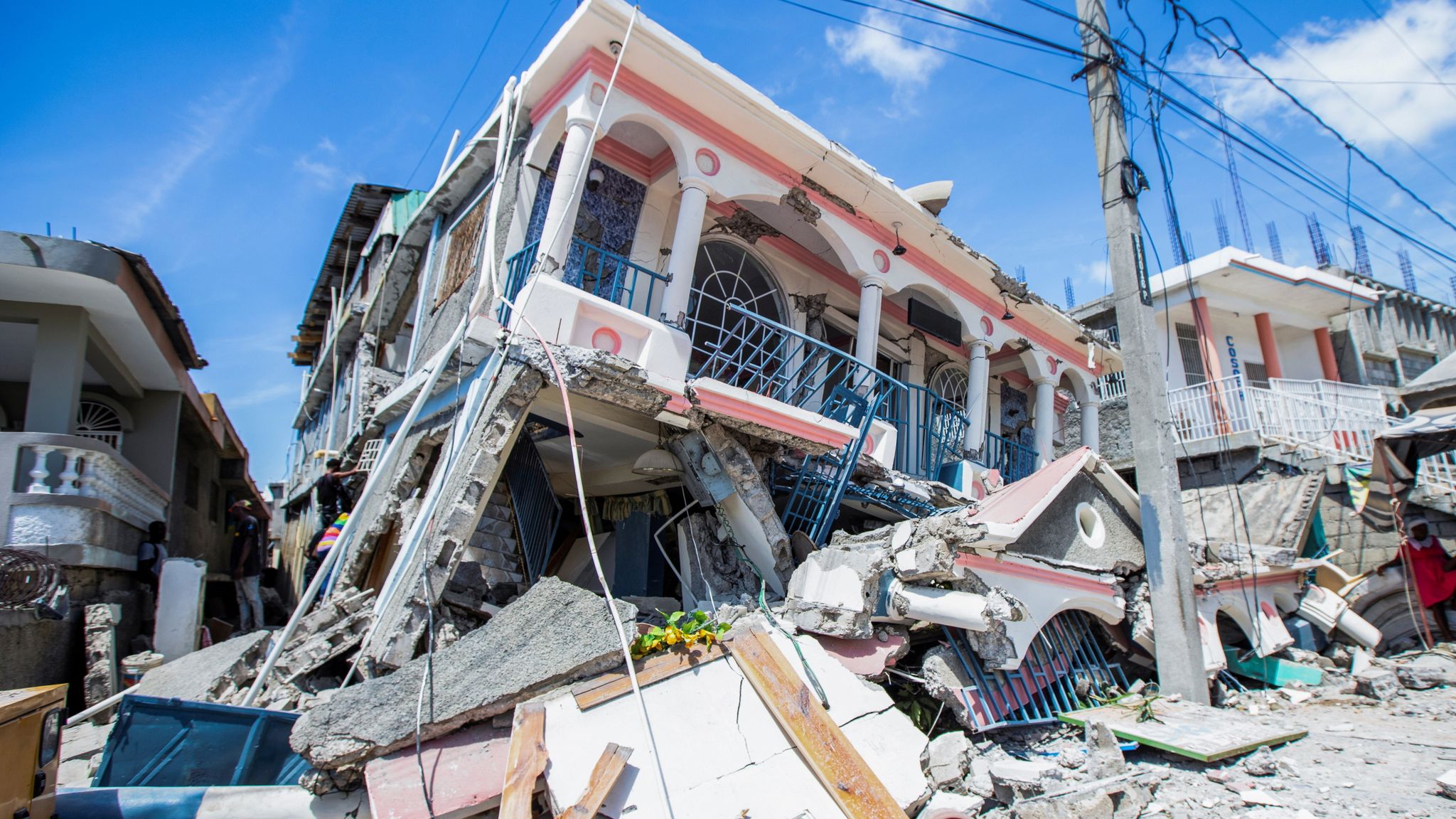
| Capacity to Cope | • Haiti did not have the resources to prepare for a major earthquake • Poor building quality led to widespread collapses • Over 500,000 people in the slums of Cité de Soleil lived in extreme poverty and were worst affected • Haiti was already reliant on international aid before the earthquake |
| Response (Short-term) | • Internal aid was virtually non-existent as institutions were destroyed • Foreign aid was delayed due to poor transport infrastructure • Satellite imagery from London was used to guide relief efforts • Many countries responded to appeals for aid, but confusion occurred over who was in charge |
| Aspect | Details |
|---|---|
| Response (Long-term) | • The USA coordinated aid distribution • The EU provided $330 million, and the World Bank waived Haiti's debt for 5 years • Senegal offered land to any Haitians who wanted to migrate • The Dominican Republic offered support and accepted refugees • 1.6 million people were in relief camps, but no transitional housing was built • Camps lacked electricity, water, and sewage disposal, with tents falling apart • Of the $1.1 billion raised by 23 major charities, only 2% had been released after 1 year • 1 million people were still displaced 1 year after the earthquake |
| Aspect | Details |
|---|---|
| Social Impacts | • Looting and sporadic violence occurred • Approximately 315,000 deaths • 1/4 of government officials died, causing a lack of coordinated relief • Over 1 million people were left homeless • 3 million people were affected • 250,000 residences and 30,000 commercial buildings collapsed or were severely damaged • 1 in 5 jobs were lost due to the earthquake |
| Economic Impacts | • The clothing industry, which accounted for two-thirds of Haiti's exports, suffered major structural damage • The main port was destroyed, severely reducing imports and exports |
| Environmental Impacts | • Sea levels changed in local areas, causing some parts of the land to sink below sea level • Animal habitats were destroyed due to the earthquake |