Complex Trends and Patterns for Tectonic Disasters (Edexcel A-Level Geography): Revision Notes
📚Revision Notes
Complex Trends and Patterns for Tectonic Disasters
Recent Trends in Tectonic Disasters:
Overall Trends:
- The total number of recorded hazards has ↑ increased over the last 50 years
- The number of reported disasters seems to be falling
- Number of deaths lower than in the recent past, but there are some spikes with mega events
- Total number of people affected is ↑ going up for some hazard types
- The economic costs associated with both hazards and disasters of all types have ↑ increased significantly
Wider Economic & Human Impacts of Tectonic Mega-Disasters:
- Global Energy: Nuclear power stations among other energy sources can be damaged (encourages governments to increase ↑ energy mix)
- Global & Regional Economic Activities: Volcanic ash may disrupt aircraft movements over large areas
- Global Pollution: Damaged and destroyed buildings, factories and power stations emit chemicals into the atmosphere, increasing ↑ ozone depletion
- Global Temperatures & Regional Food Supplies: Particulates from volcanic eruptions are carried around the world, increasing ↑ global warming
- Multinational Loss of Life: Due to international tourism and business, people from other countries can find themselves impacted during hazardous events
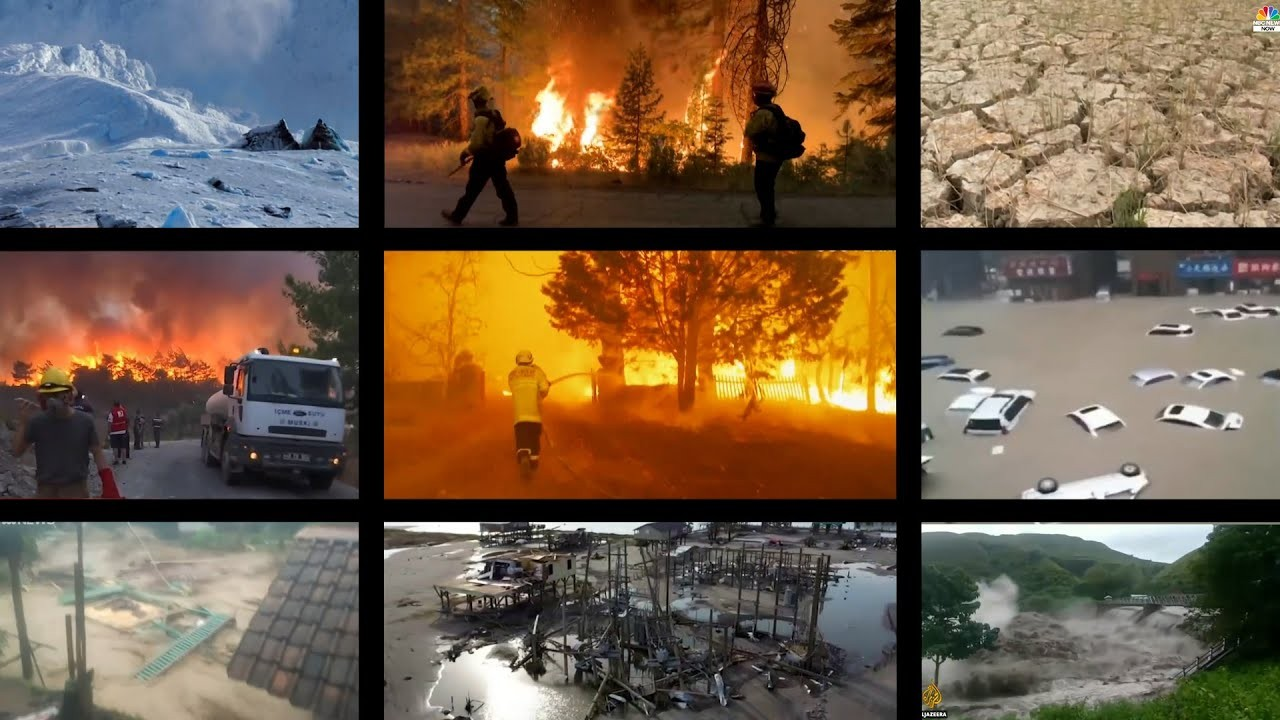
Impact of Natural Disasters in The Last 50 Years.
Reasons for Trends:
- Population increasing so more people affected
- Urbanisation rates are high - more people living in a small area
- Widespread poverty - people living in risky areas in insecure housing
- More expensive construction and belongings, ↑ the cost of damage
- Inequality - Increased risk for those lacking access to info and services
- Climate change - Increasing the severity of climate, weather, river and biological hazards
- Environmental degradation - reducing protection from natural systems
- More reporting - information through media
Reliability of Disaster Statistics:
- Deaths:
- Dependant on whether indirect deaths or associated disease are counted alongside direct deaths
- May be subject to political bias (eg. Tourist deaths played down to protect the tourist industry)
- Location:
- Local or regional events in remote places are often left unrecorded
- Stats of major disasters are often difficult to collect in areas that are remote
Note
Multiple Hazard Zones:
Places where a number of physical hazards combine to create an increased ↑ level of risk for the country and its population (made worse if a country's population is vulnerable).
↳ Such places seen as disaster hotspots → A country or area that is extremely disaster prone for several reasons.
Hazards can be grouped into several categories:
- Meteorological - Strong winds in a storm
- Hydrological - River floods
- Geophysical - Tectonic and mass movement
- Climatological - Long-term drought
- Biological - Diseases