The Global Distribution of Tectonic Hazards (Edexcel A-Level Geography): Revision Notes
📚Revision Notes
The Global Distribution of Tectonic Hazards
Tectonic hazards can be either classified as seismic or volcanic. Their impact is different depending on where in the world they occur due to different levels of preparedness and development.
The Global Distribution of Earthquakes:
- The main earthquake zones are found along plate boundaries (although intra-plate earthquakes can occur).
- Approx 70% of all earthquakes are found in the ring of fire in the Pacific ocean.
- Most powerful earthquakes associated with convergent or conservative boundaries.
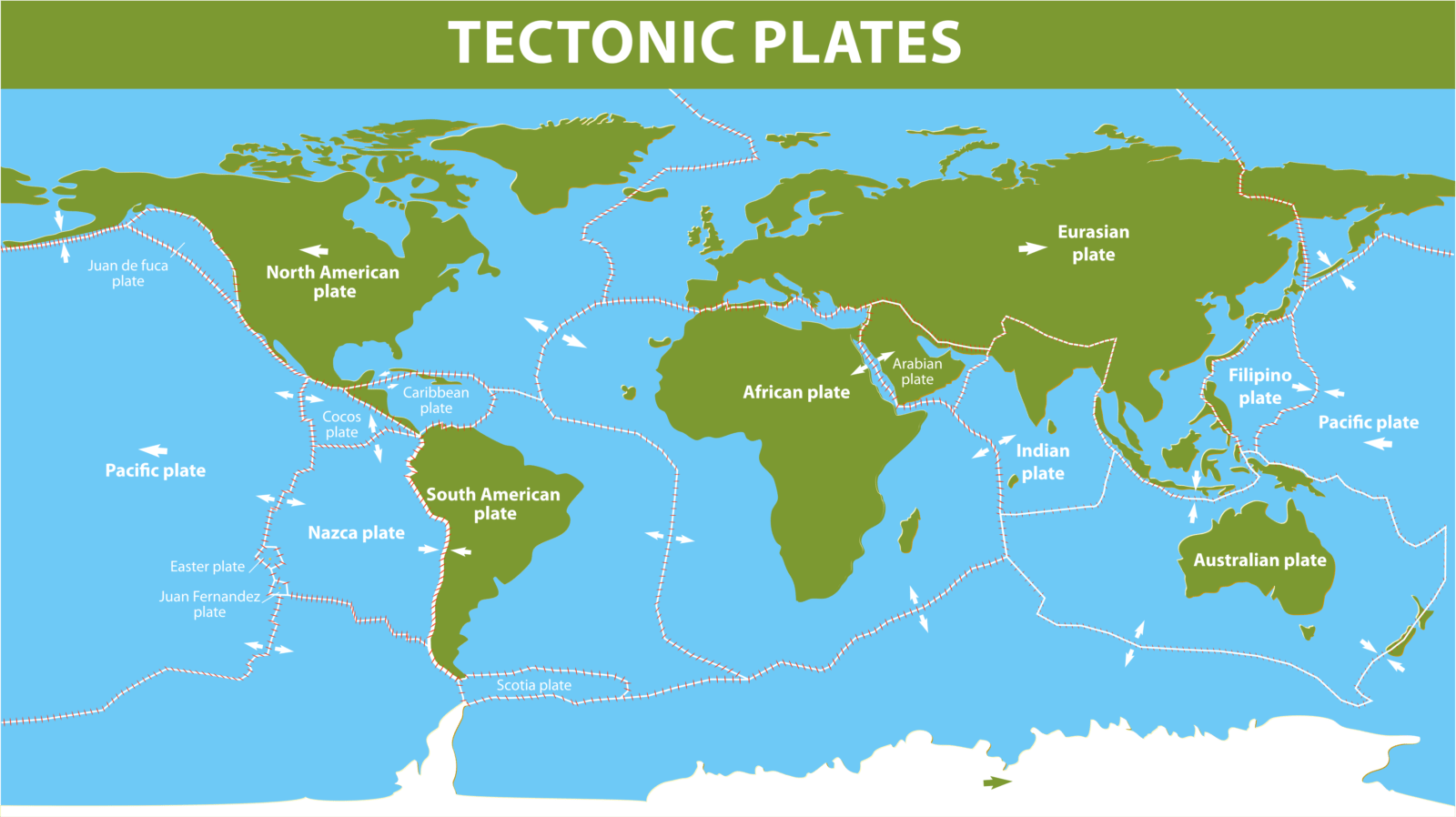
Distribution of earthquakes and volcanoes
Pattern of Tectonic Activity:
The distribution of earthquakes reveals the following pattern of tectonic activity:
- The Ocean Fracture Zone: A belt of activity through the oceans along the mid-ocean ridges, coming ashore in Africa, the Red Sea and Dead Sea Rift and California.
- The Continental Fracture Zone: A belt of activity following the mountain ranges from Spain, via the Alps, to the Middle East, the Himalayas to the E Indies.
- A small minority of earthquakes can also occur along old fault lines and the hazard is associated with the reactivation of this old weakness.
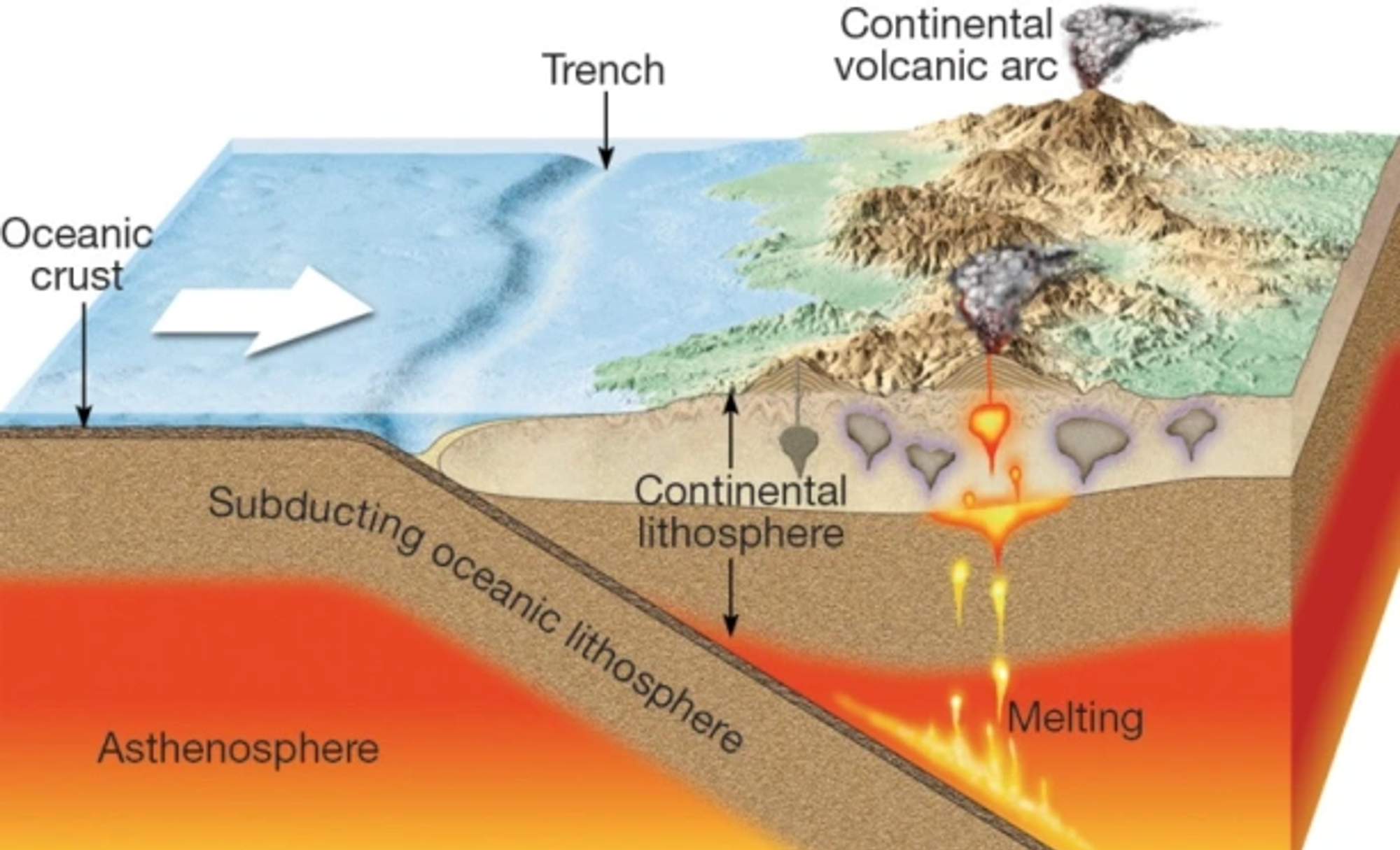
Tectonic activity and hazards
The Global Distribution of Volcanoes:
The violence of a volcano is determined by amount of built up gas and how easy it is for the gas to escape. There are approximately 500 active volcanoes, with 50 erupting per year.
Types of Plate Boundaries:
-
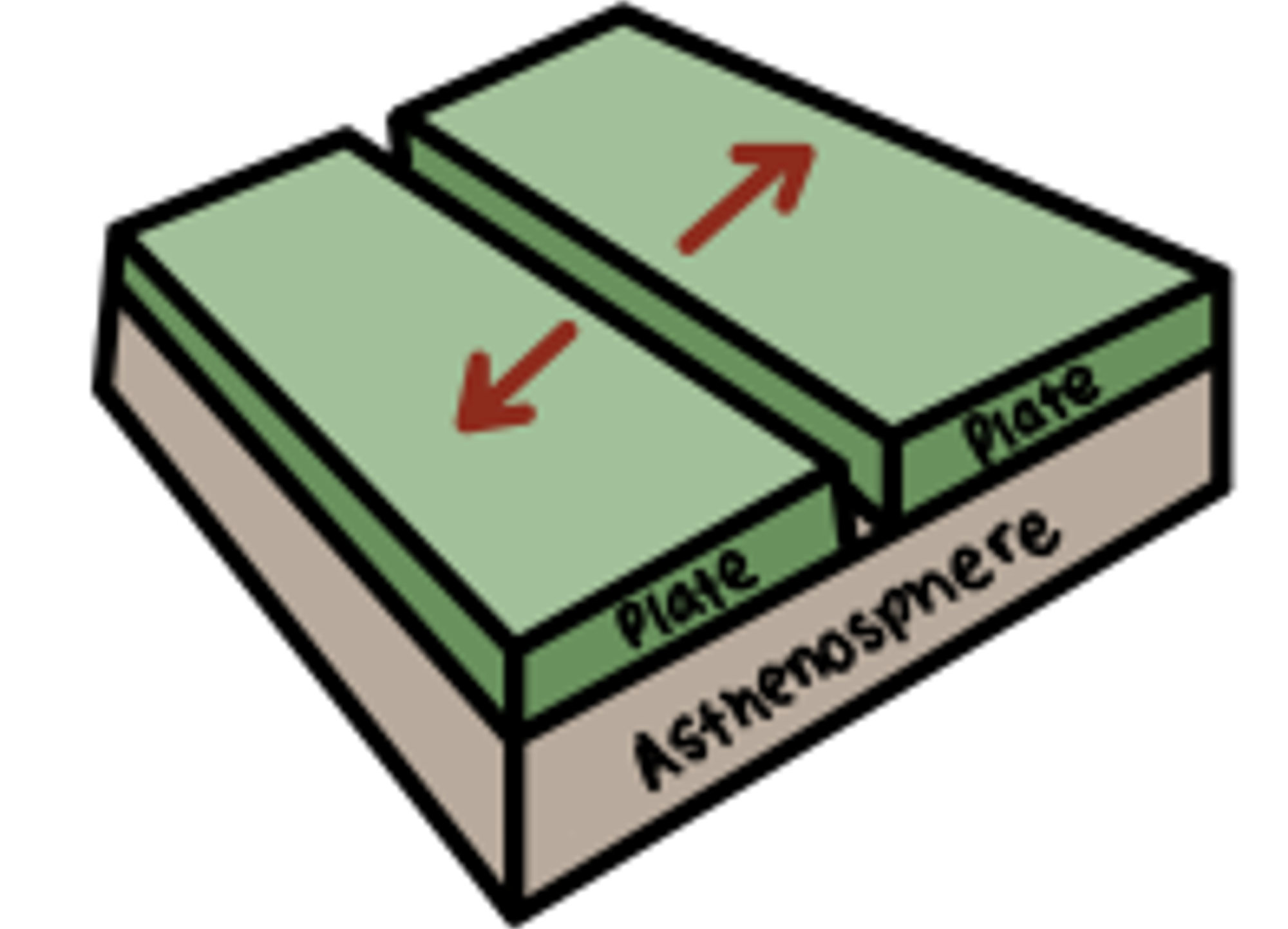
Divergent (constructive): At these locations there are generally large numbers of shallow focus and low magnitude earthquake events. Most are submarine.
-
Convergent: Plate material melts in the centre. Frequent earthquakes and volcanic eruptions occur here.
-
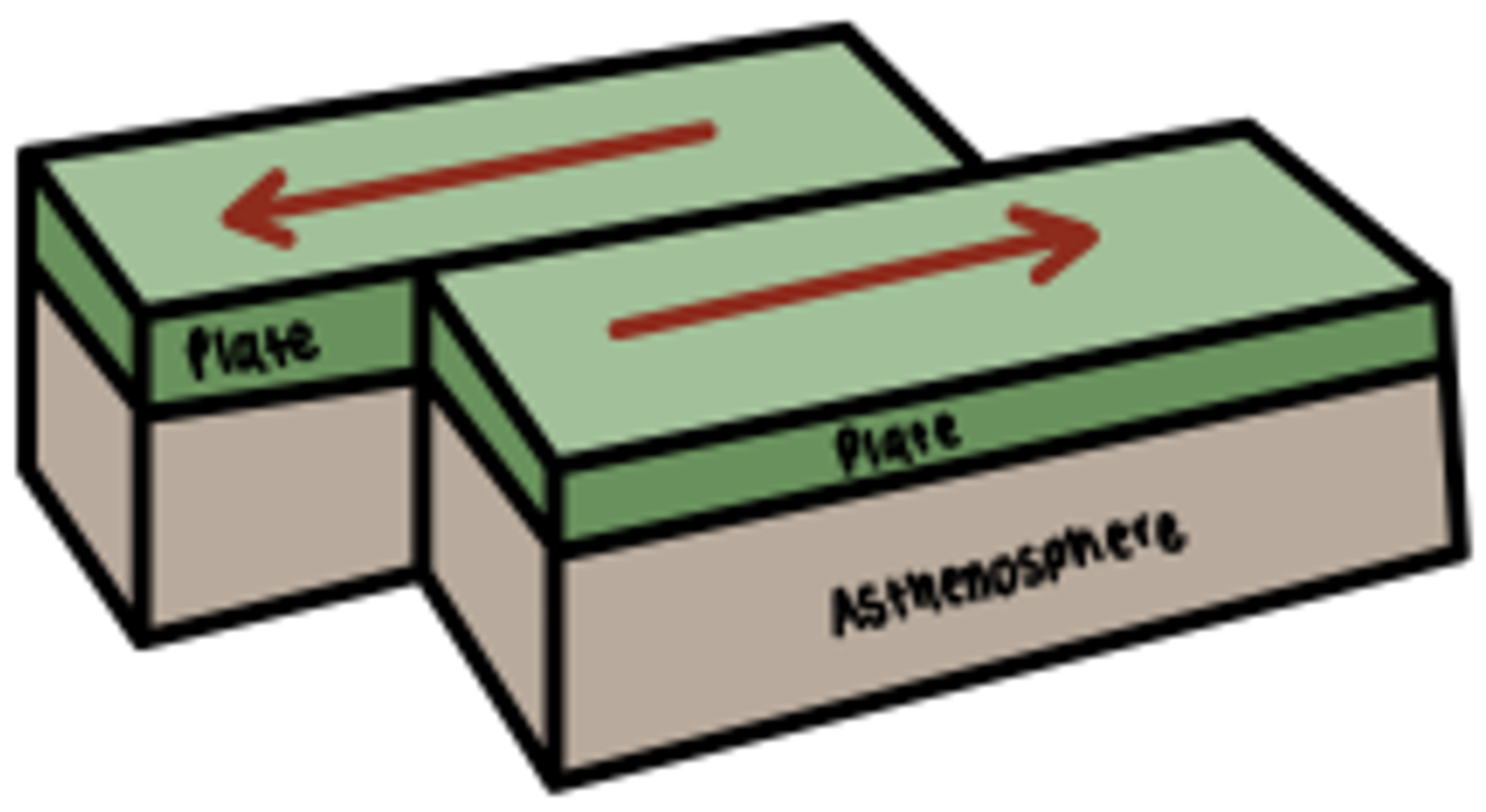
Conservative: Lithosphere is neither created nor subducted. Do not result in volcanic eruptions however they are sites of extensive shallow focus earthquakes.
Some intra-plate earthquakes and volcanoes do not occur at plate boundaries.
Earthquakes can occur in mid-plate settings, usually associated with ancient fault lines.
Note
Did you know? Volcanoes can also occur at a hot spot where there is a mantle plume. The plume remains stationary, although the tectonic plate above moves slowly over it.
Over time, continuing plate movement produces a chain of volcanic islands, with extinct ones furthest from the plume location.