Case Study → Bangladesh - flooding in low lying areas (Edexcel A-Level Geography): Revision Notes
📚Revision Notes
Case Study → Bangladesh - flooding in low lying areas
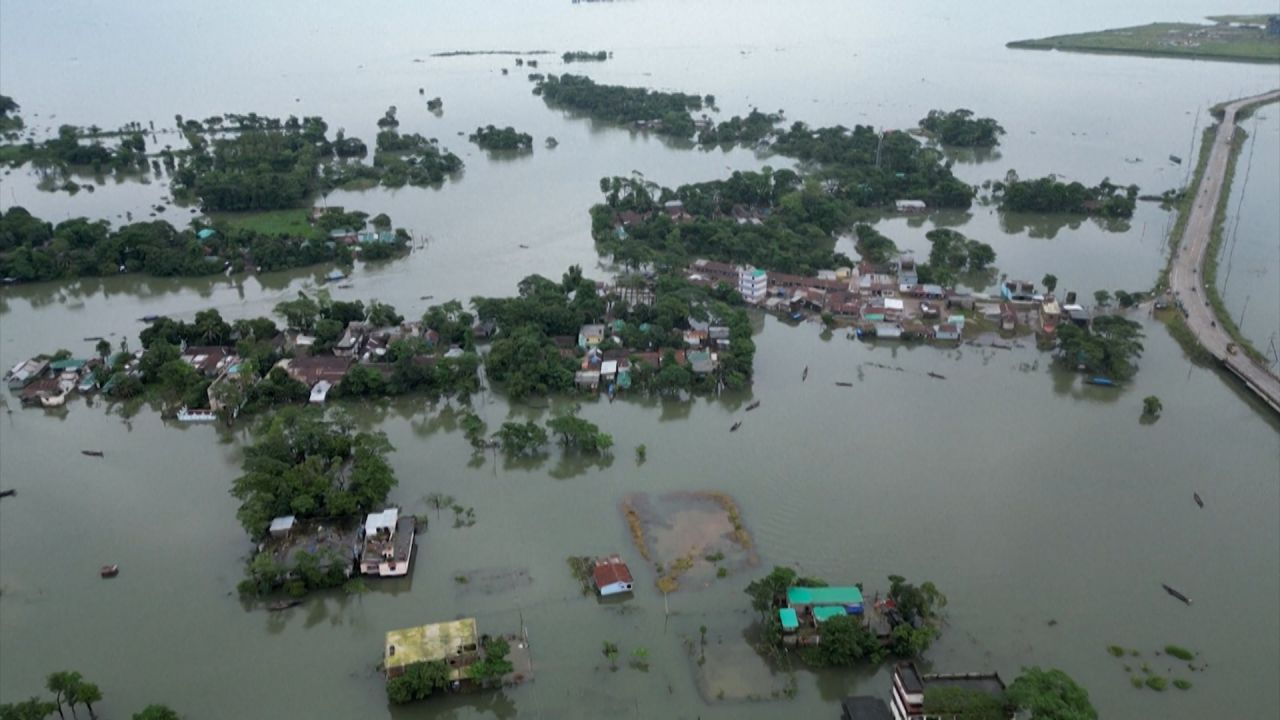
-
Bangladesh - flooding*
| Vulnerability | ● World's most densely populated country (approx 170 million, 2015) ● Much of country is very low-lying (1-3m above sea level) ● 46% of country lives less than 10 metres above sea level ● 70% of Bangladesh is less than 10m above sea level ● Lies on floodplains of 3 major rivers: Brahmaputra, Meghna and Ganges → empty into Bay of Bengal through smaller estuaries ∴ river and coastal flooding combine ○ Triangular shape of the Bay of Bengal concentrates a cyclone storm surge as it moves N ↑ its height when it reaches land ● Almost all the coastline consists of unconsolidated delta sediment, which is very susceptible to erosion ● Deforestation of coastal mangrove forests has removed vegetation that ince stabilised coastal swamps and dissipated wave energy during tropical cyclones |
|---|
| Cyclone Sidr | Most of the destruction and social and environmental losses were caused by the severity of
the storm; failure of embankment system; and the consequent flooding of many villages
Social
● High winds damaged housing, roads, bridges and other infrastructure
● Electricity and communications knocked out, roads and waterways became
impassable
● Drinking water contaminated by debris, fresh water sources were inundated with salt
water
● Sanitation infrastructure destroyed, raising the risk of disease
● 15, 000 deaths
○ However, Casualties were lower than expected due to improved
disaster-prevention measures (inc. forecasting, warning systems and use of
cyclone shelters).
Economic
● Total cost to Bangladesh approx US$1.7 billion
Environmental
● Strong winds up to 260 km/hr and large storm surges (6m in height) • Category 4
storm
● Breached many coastal and river embankments causing severe flooding in low-lying
areas | |
| General economic
impacts |
● Farmers have suffered heavy income losses due to crops being destroyed
● $150 mil in aid needed
● $290 mil of crops damaged in initial 2004 floods
● Damage to schools and hospitals alone estimated at $7 bn
| |