Coastal Retreat (Edexcel A-Level Geography): Revision Notes
📚Revision Notes
Coastal Retreat
Physical Factors
Mainly the result of physical factors, however, human factors can often exacerbate the rate of coastal recession
Marine Processes
- Wave Type
- Destructive waves with high energy
- Strong prevailing winds and long fetch = stronger and higher waves, stronger longshore drift
- Winter storms
- Tides - Higher tides enable waves to reach the backshore which is not normally impacted by marine erosion
- Submergent Coastlines - More of the cliff/coast within reach of marine erosion processes
Geology
- Geology
- Certain rocks are less resistant to erosion
- Certain cliffs are comprised of rocks/layered in a way that makes them vulnerable to mass movement
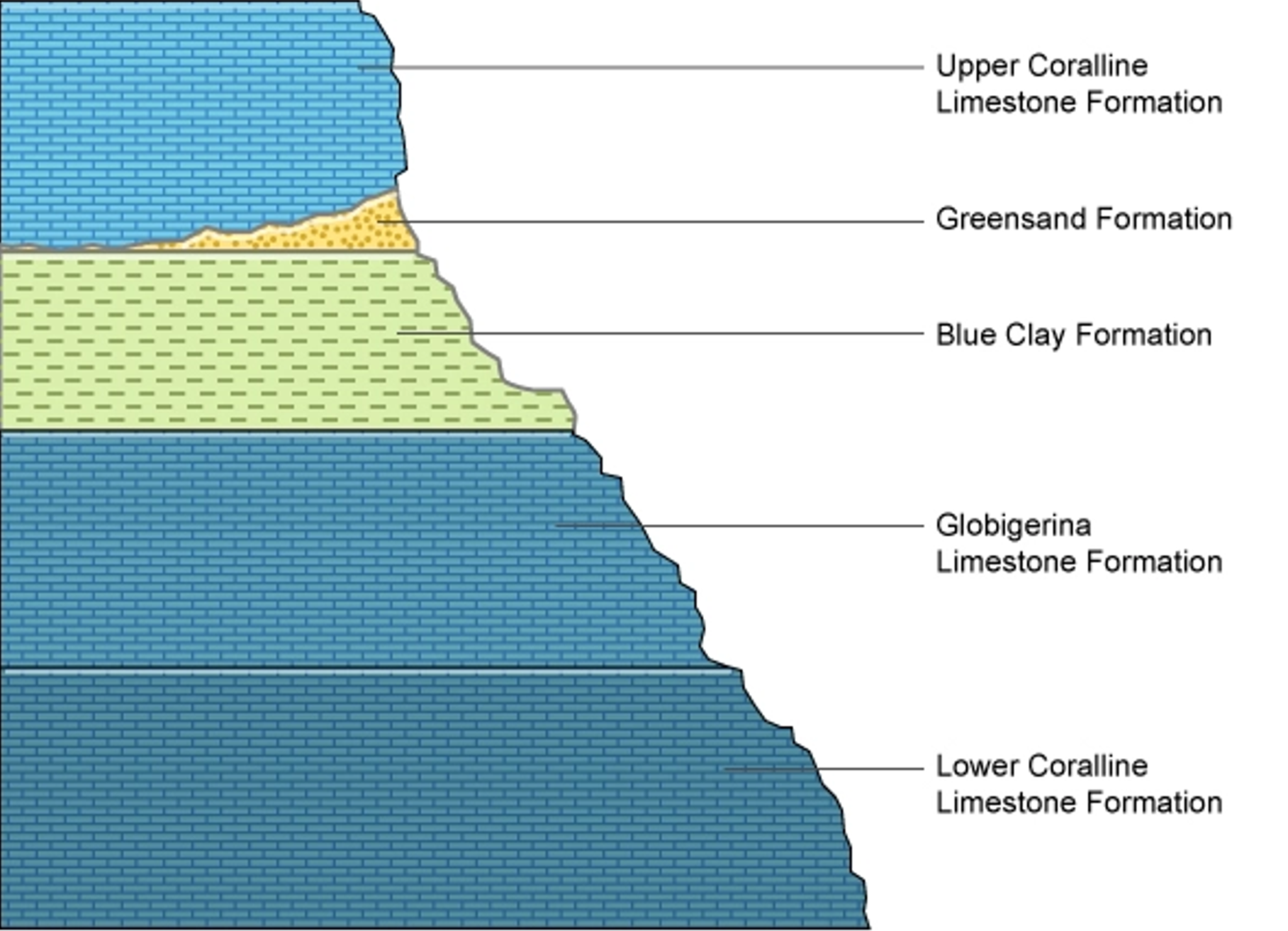
Lithology
Lithology
Joints and cracks within the rocks and bedding planes provide more weaknesses for erosive and weathering processes to 'work on'
Human Factors
↳ Human actions often alter the sources, transfers or sinks within the sediment cell which ultimately impacts the rate of recession on a coastline
Coastal Defences

Coastal defences built at one location will limit the supply of sediment within the cell and so another location downdrift may not receive enough sediment.
This could cause the beach to not be built at the rate of erosion meaning it becomes progressively narrower and therefore less able to absorb wave energy.
An example of this is terminal groyne syndrome (eg. cliff erosion after the sea defences at Mappleton, Holderness Coast)
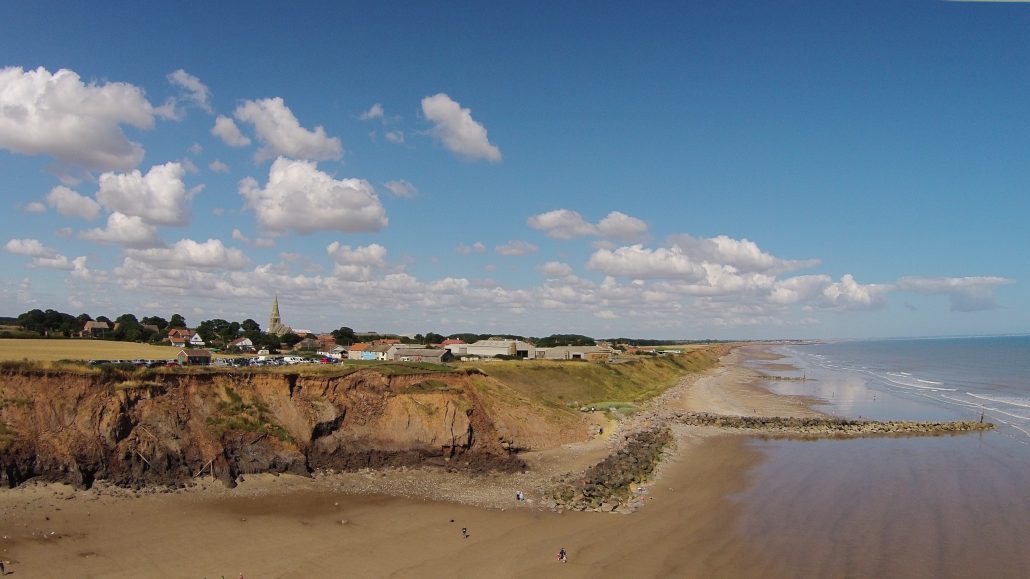
Mappleton
Other coastal defences:
- Dams - Result in less sediment input
- Offshore dredging removes sediment so decrease ↓ in supply of sediment that reaches beaches, so the beaches are unable to absorb as much wave energy
- Can also allow waves to maintain their circular motion and so energy closer inshore, so waves have more of a destructive impact
Subaerial Processes
↳ Work together and alongside erosion, causing an ↑ increase in coastal recession.
- Weathering - Certain cliffs are more susceptible (eg. limestone/chalk based cliffs)
- Mass Movement Large sections of rock eroded - sometimes leave more vulnerable rock types accessible Causes a sudden coastal retreat
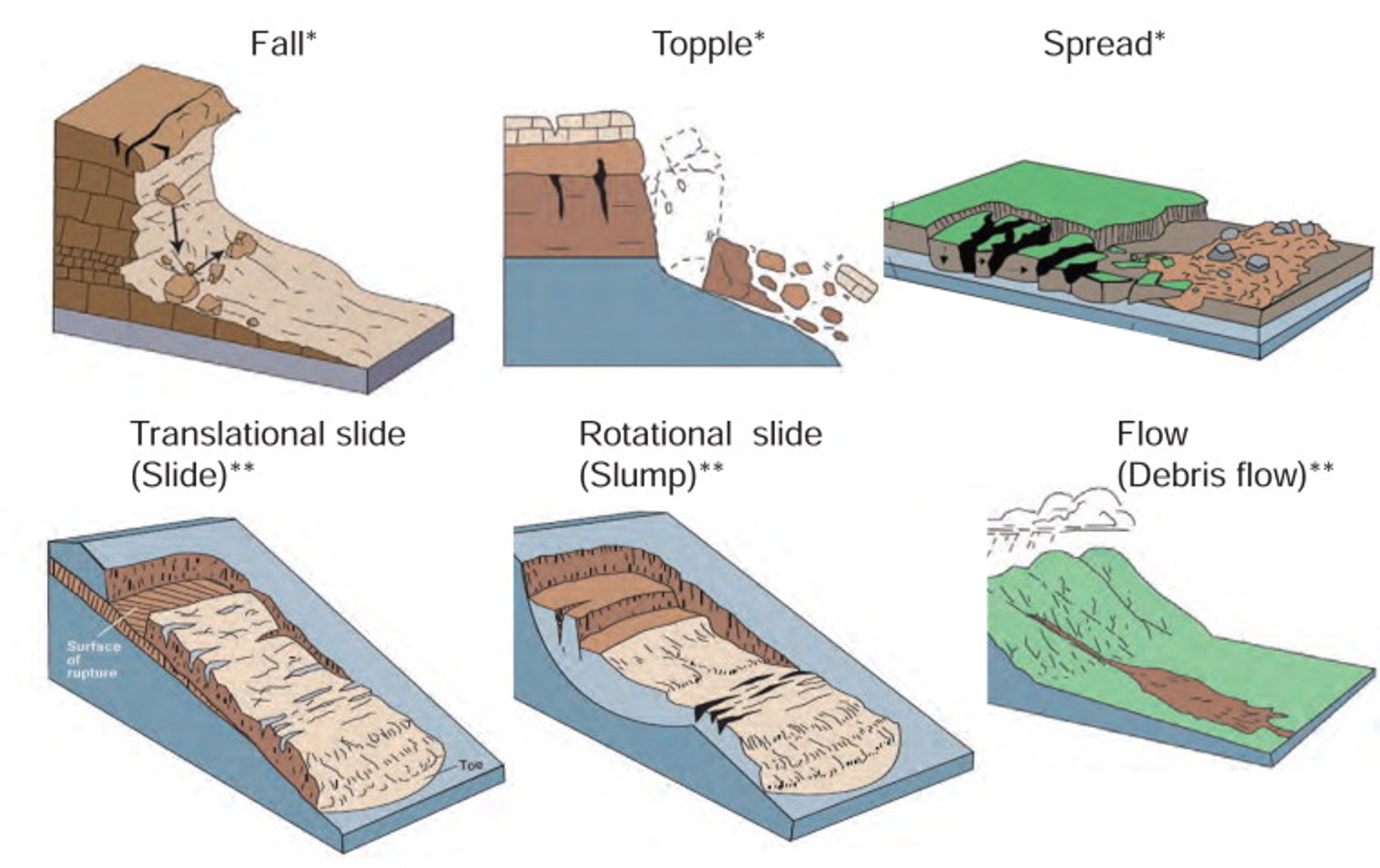
Subaerial Processes
Rates of Recession
Rate of recession will never be consistent, even on coastlines that are eroding rapidly
↳ Recession varies in two ways:
- Time → Peaks of erosion often associated with certain seasons and also annually
- Spatially → Some areas experience higher rates of erosion than others (often due to composition & how well shielded the coastline is)
Factors Influencing Rates of Recession
- Weather - Wind direction, fetch, seasonal changes, storms
- Physical Hardness of rocks, rates of weathering & mass movement, shape of coastline, tidal range
Human
- Presence of coastal management schemes (eg. Hornsea) have stopped erosion
- Sediment starvation due to groynes built upshore