There are consequences and risks associated with water insecurity (Edexcel A-Level Geography): Revision Notes
📚Revision Notes
There are consequences and risks associated with water insecurity
-
Physical Water Scarcity means a lack of available clean freshwater sources (ie. surface and groundwater) - sometimes known as 'blue water' flows. This is common in arid/semi-arid climates, but can also occur in any climatic area where over 75% supply is withdrawn for human uses: this currently applies to about 25% of the world's
-
Economic Water Scarcity means that whilst water resources are available, insufficient economic wealth limits access to it (lack of capital and technology). This type of scarcity can also arise due to poor management of supply and use (ie. bad governance). It is estimated that approximately 1 billion people are restricted from accessing freshwater due to high levels of poverty. Thus, the causes of water scarcity are twofold :
-
Lack of seasonal/annual rainfall
-
Lack of capital and/or governance needed to harness demand for
Water Shortages
Linked to:
- Availability
- Access
- Usage
- Rural to Urban Migration puts pressure on the water supply
Access
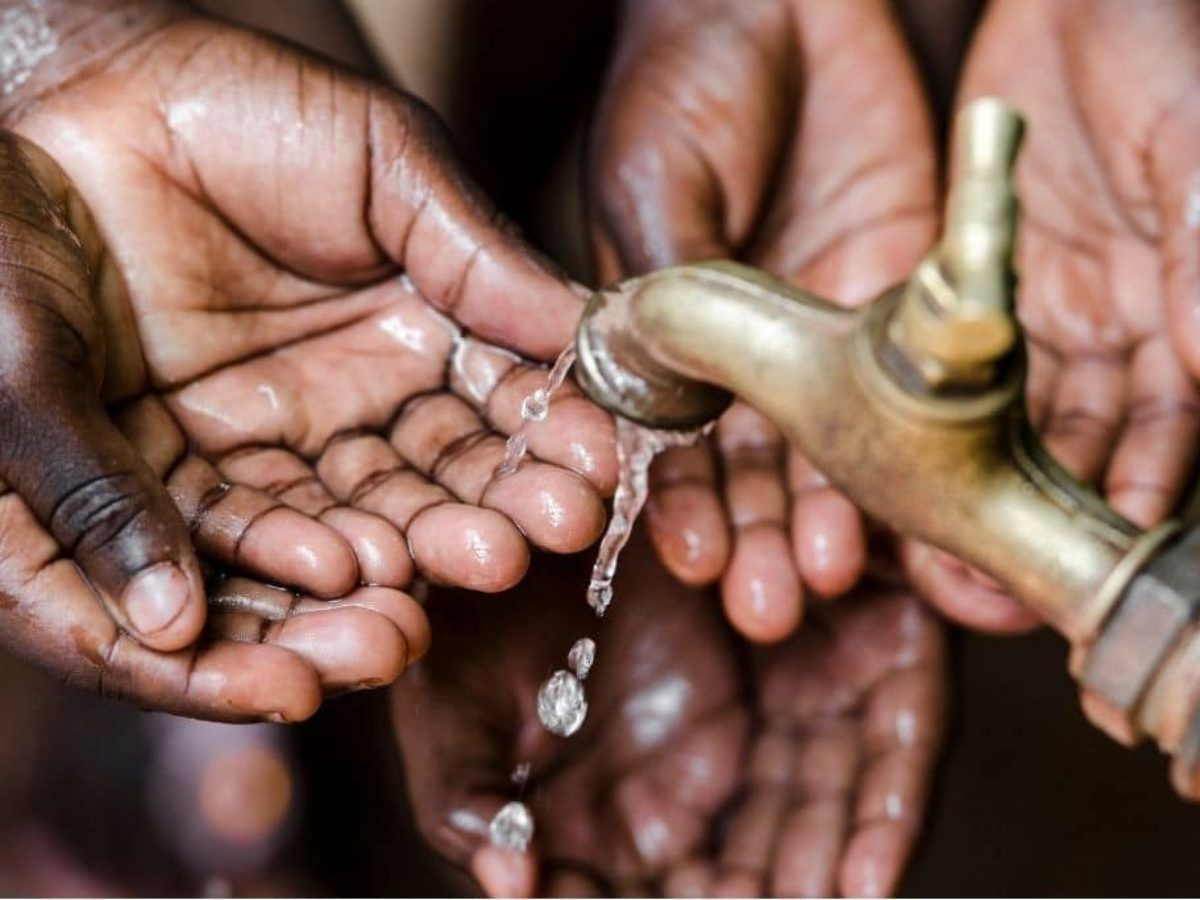
- Access to safe, potable water is regarded as a human right. However it is increasingly seen as a commodity for which a realistic market price should be In the developed world, much of the water supply industry is in the hands of private companies and people expect to have to pay for water.
- The price of water varies globally according to wealth. The process of cleaning water is expensive, so water price matches production In densely populated areas where demand exceeds supply, water prices increase: this has significant impacts on water scarcity and health in places such as Mexico and Kenya, because it is cheaper to buy a bottle of Coca-Cola than it is to buy a bottle of water.
- Supplying safe water in areas of physical scarcity is difficult, costly and well beyond the means of people living in poverty in the developing Charities such as WaterAid implement programmes to reduce the extent of economic water scarcity.
Dollars per m3
- Canada - $0.40
- SA - $0.47
- USA - $0.51
- Sweden - $0.58
- UK and N Ireland - $1.18
- Germany - $1.91
Water Price
Increasing because…
- Costs of supplying water vary a lot around the world and costs are increasing
- The physical costs of obtaining the supply
- The degree of demand for the water
- Supplying clean water needs construction of infrastructure to abstract, move, clean and deliver water to consumers
- Waste water must also be collected and treated after use, to remove harmful substances & bacteria, before returning it to the natural environment
- Developed countries are more able to provide expensive infrastructure and people can afford water rates
Consequences
- Famine - Lack of available food
Importance of Water Supply
Economic development
Water plays a central role in all economic productivity, either directly or indirectly
- Industrial use of water is ↑ , especially in emerging economies such as China and India
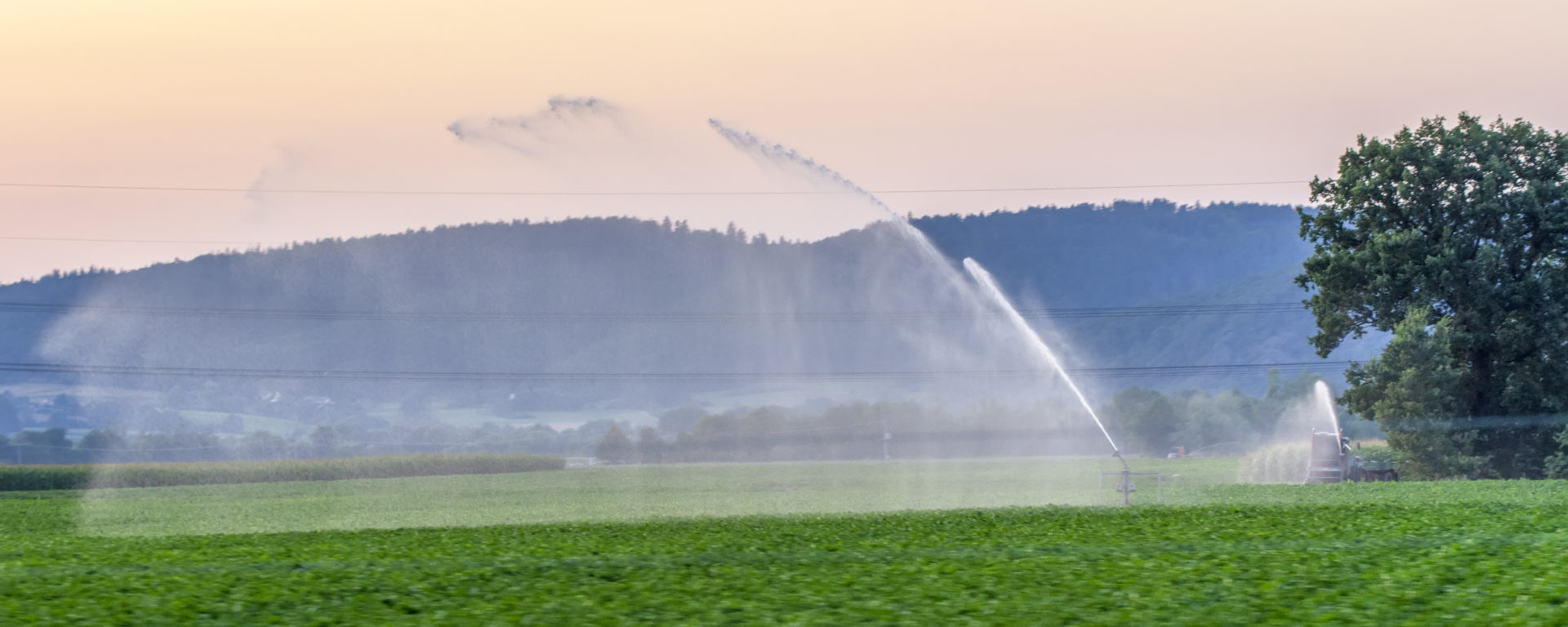
Agriculture
- Used for watering the plants
- Farmers try to store water for later use
- Approx ⅕ of the world's land is under irrigation
Importance of Water Supply Agriculture
Industry and Energy
- 20% of all freshwater withdrawal worldwide is for energy production and industry
- Over half of the water is used for either HEP production and cooling nuclear power reactors
- The growth of biofuels
- Crops grown to produce bioethanol and biodiesel are very thirsty
- Up to 10,000 litres of water is needed to produce 1L of bioethanol
Water Supply and Human Well-being

Water Supply and Human Well-being
- Health - Clean water for drinking avoids disease & ↑ life expectancy
- Cleanliness (improves social dignity)
- Food
- Ecosystems - Maintains environmental health so services and resources available
- Human rights - Disadvantaged groups require safe drinking water, sanitation
The Potential for Conflicts
Water conflict is a term describing a conflict between countries, states or groups over the rights to access water resources. As the risk of physical water shortages grows, the potential for conflict increases.
When demand for water overtakes the available supply, and a number of stakeholders wish to use the same diminished resources, there is a potential for conflict at all scales
-
Competing demands for diminishing water supplies for irrigation, energy, industry, domestic use, recreation and economic conservation can lead to tension both within countries and between countries
-
As well as surface water conflicts, groundwater conflicts often occur in similar areas to surface water ones Internal Conflicts
-
Within countries, conflicts can arise between riparian states with competing demands for water. Such is the case in India, where there are internal tensions between upstream Karnataka and downstream Tamil Nadu over water from the Cauvery river, which is a shared Jointly, these states require 90% of this water for crop irrigation and as a source of drinking water - so supply affects the livelihoods of millions of people living upstream and downstream Transboundary Conflicts
-
90% countries share water basins with at least one neighbour and many have rivers and aquifers that cross international boundaries. Patterns of economic development are often uneven on either side, causing different scarcity, stress and quality issues to build up. This can lead to water resources becoming contested at borders because the countries' interests are not aligned.
-
The UN estimates that 40% of the world's population depends on transboundary groundwater supplies and in over half of these situations there is no international agreement in place