The Long-Term Geological Cycle (Edexcel A-Level Geography): Revision Notes
📚Revision Notes
The Long-Term Geological Cycle
Most Global Carbon is Locked in Terrestrial Stores as part of the Long-Term Geological Cycle
Carbon is called the main building block of life. It is present in
- The atmosphere (CO2, methane)
- The hydrosphere (dissolved CO2)
- The lithosphere (carbonates in limestone and fossil fuels) - Majority of carbon is
- Limestone, shale & fossil fuels are important carbon stores
- The biosphere (in living and dead organisms)
Biogeochemical C_arbon_ C_ycle_
Carbon can move from one sphere to another by linked processes known as the biogeochemical carbon cycle. Fluxes include:
- Biological processes (living plants and animals)
- Geological processes (erosion, deposition, rock formation)
- Chemical processes (reactions under heat and pressure) ↳ Fluxes measured in Petagrame (Pg) or gigatonnes (Gt) - The same
Key Processes in the Geological Carbon Cycle
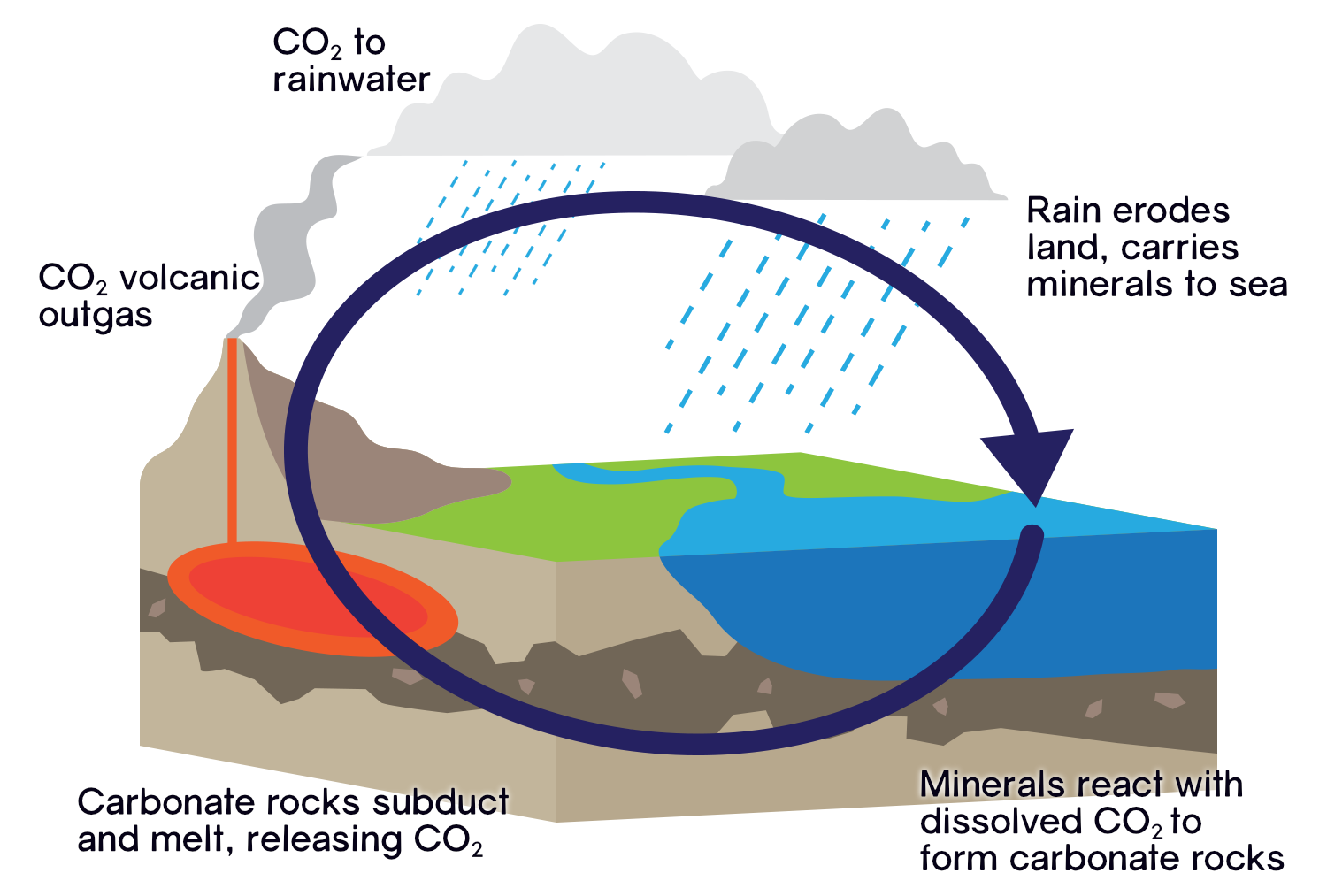
Key Processes in the Geological Carbon Cycle
Processes and Results of Weathering, Decomposition, and Rock Formation
1) Weathering: Mechanical, Biological & Chemical
- Mechanical: Rocks break up due to frost, shattering, and exfoliation. This creates small particles that are easily transported.
- Chemical: Rocks are broken down by carbonic acid in rain, which dissolves carbonate-based rocks.
- Biological: Burrowing animals and plant roots break rocks into smaller pieces.
2) Decomposition
- Result: Animal and plant particles from decomposition store surface carbon after death.
3) Transportation
- Result: Rivers transport particles to oceans where they are deposited.
4) Sedimentation
- Result: Sediments accumulate over time, burying older layers of sediment such as shale and limestone.
5) Metamorphosis
- Result: Sedimentary rocks, when deeply buried and compressed due to plate tectonics, are altered by heat and pressure into metamorphic rocks. Examples:
- Shale → Slate
- Limestone → Marble
Chemical Weathering
- In the atmosphere, water reacts with CO2 forming carbonic acid. Weakly acidic but once reaches surface as rain, it reacts w/ some surface minerals, slowly dissolving them into their component ions
- Calcium ions transported by rivers from land into oceans. These combine w/ bicarbonate ions to form calcium carbonate and precipitate out as minerals such as CaCO3 (calcite)
- Deposition and burial turns calcite → limestone
- Subduction of sea floor under continental margins
- Some C rises back to surface within heated magma, then degassed as CO2 and returned to atmosphere. Tectonic uplift can also expose previously buried limestone.
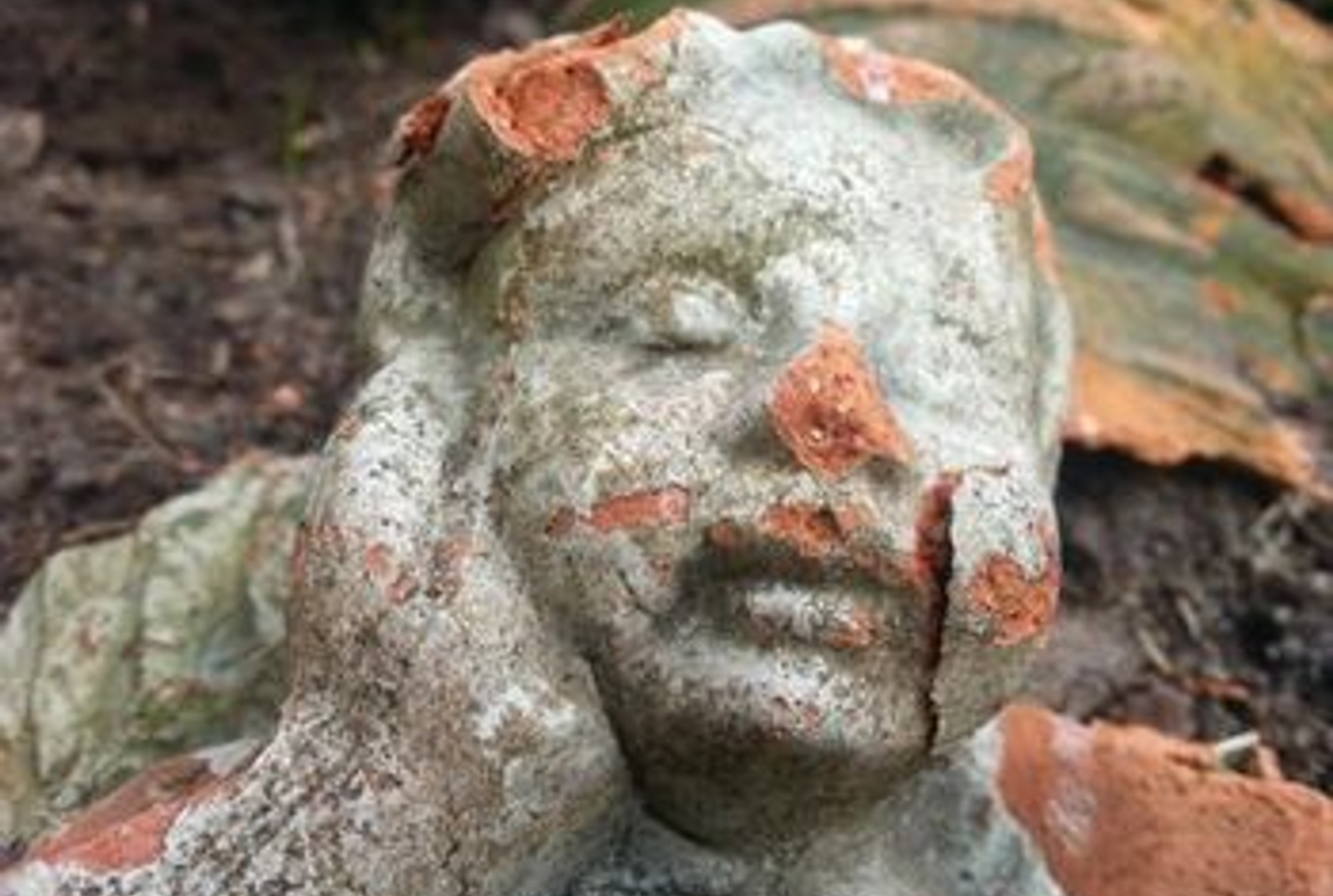
Demonstrating Chemical Weathering
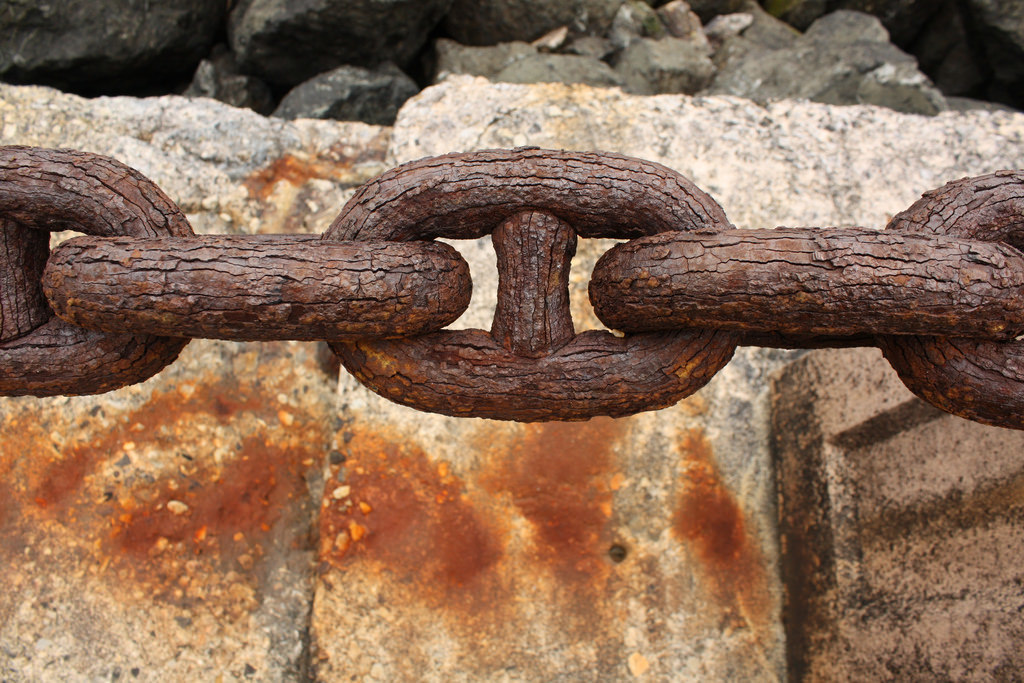
Chemical Weathering causing Erosion

Chemical Weathering of Rocks
Chemical Weathering near Ocean
Volcanic Outgassing
- CO2 exists in the earth's crust → Disturbance by volcanic eruptions or earthquake activity may allow pulses of CO2 release
- Outgassing can occur at
- Active/passive volcanic zones w/ tectonic plate boundaries
- Places w/ no current volcanic activity (eg. hot springs)
- Direct emissions from fractures in earth's crust
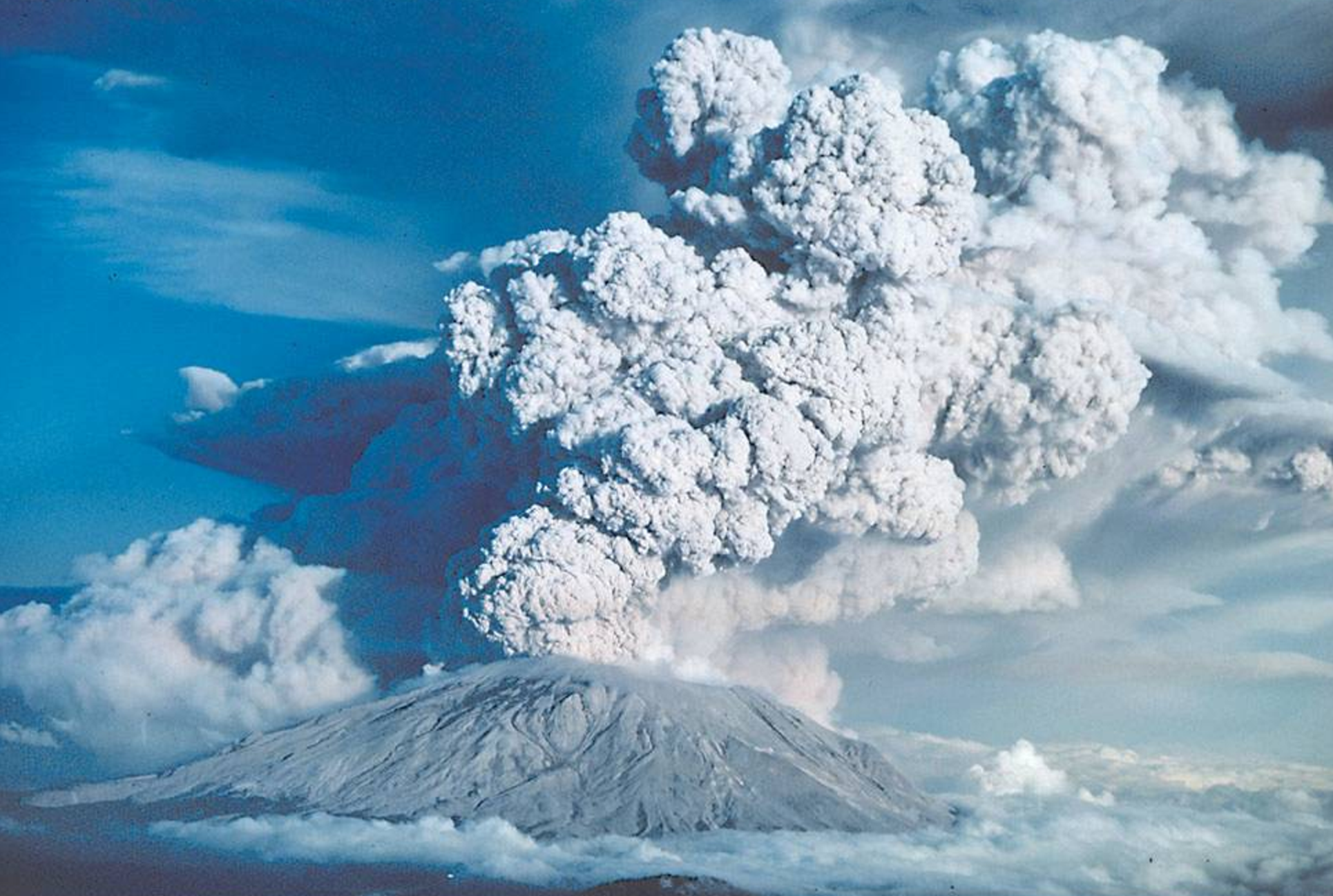
Volcanic Outgassing
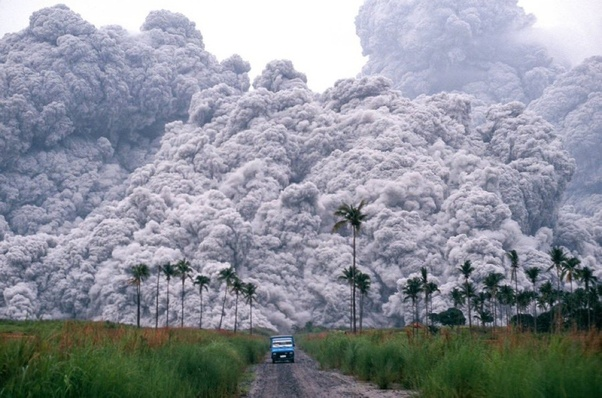
Volcanic Activity leading to Creation of Hydrosphere and Atmosphere