Deforming and reforming (AQA GCSE Design and Technology): Revision Notes
📚Revision Notes
Deforming and reforming timber-based materials
Introduction
Deforming and reforming are essential techniques in working with timber-based materials. These processes allow you to create curved shapes and strengthen timber components that would otherwise be weak or impossible to make from solid wood. The two main methods you need to understand are laminating and steam bending.
Note
Both laminating and steam bending transform the structural properties of timber, allowing craftspeople to create shapes and achieve strength characteristics that would be impossible with solid wood alone.
Laminating
What is laminating?
Laminating involves joining multiple thin layers of timber together using adhesive to create a single, stronger composite material. This technique is particularly valuable because it allows you to create curved shapes that would be difficult or impossible to cut from a single piece of solid timber.
Note
Key Principle of Laminating
The fundamental concept is that thinner layers of wood (called laminates) can bend more easily than thick pieces. The thinner you make the individual laminates, the tighter the curve you can achieve. When these thin layers are glued together and dried, they form a much stronger final product than the original individual pieces.
Benefits of laminating
Laminating offers several important advantages in timber construction. It creates composite materials that are significantly stronger than solid timber of the same dimensions. This increased strength comes from the way the grain direction is maintained throughout the laminated piece, reducing weak points that might occur in solid timber.
The process is particularly useful for creating plywood and manufacturing curved components. When you need to create shapes like chair backs, table legs with curves, or architectural elements, laminating allows you to achieve these forms while maintaining structural integrity.
Important
Understanding Short Grain Weakness
Laminating helps overcome areas where short grain would make solid timber weak. Short grain occurs when the wood grain runs perpendicular to the stress direction, creating potential failure points. By laminating multiple layers, you distribute these weak areas throughout the structure, making the overall piece much stronger.
Process of laminating
The laminating process follows five essential steps that must be completed carefully to ensure a strong, lasting bond:
Example
Step-by-Step Laminating Process
Step 1: Apply adhesive between each layer of the laminates. The adhesive must be spread evenly to ensure a consistent bond across the entire surface.
Step 2: Place a barrier sheet between the laminates and the former to prevent the two from sticking together during the process. This barrier is typically a plastic release sheet.
Step 3: Position the laminates in the mould (former) and align them correctly. The former must be strong enough to maintain its shape under pressure.
Step 4: Apply pressure to the former using either a vacuum bag system or mechanical clamps. This pressure ensures intimate contact between all layers and proper adhesive distribution.
Step 5: Allow the laminated timber to dry completely while maintaining pressure. The drying time depends on the adhesive used and environmental conditions.
Materials and equipment
For successful laminating, you need a suitable former that can withstand the forces applied during the process. The former must be strong enough to resist the pressure without deforming, as any movement will affect the final shape of your laminated piece.
Important
Adhesive Selection
The most suitable adhesive for laminating timber is PVA (Polyvinyl Acetate). This adhesive provides strong bonds and is relatively easy to work with. Contact adhesives can also be used, particularly when clamping presents challenges with thin veneers or complex curves.
Steam bending
What is steam bending?
Steam bending is a traditional technique that uses steam to temporarily soften timber fibres, making the wood flexible enough to bend into curved shapes. This process works by increasing the moisture content of the timber, which makes the wood fibres more pliable and easier to manipulate.
The technique is particularly effective with hardwoods such as ash, elm, hickory, and oak. These species respond well to steam treatment because their cellular structure allows moisture to penetrate effectively, creating the flexibility needed for bending.
Note
How Steam Bending Works
Steam penetrates the wood fibres and temporarily breaks down the lignin that normally keeps wood rigid. This process makes the timber flexible enough to bend around curves while maintaining the structural integrity of the grain pattern.
Advantages of steam bending
Steam bending offers unique benefits compared to other shaping methods. The curved timber produced through steam bending is actually stronger than if the same curved shape had been cut from a single piece of solid wood. This increased strength occurs because the grain follows the curve of the bend rather than being cut across.
Common applications for steam-bent timber include walking stick hooks, curved chair backs, and other furniture components where both strength and aesthetic appeal are important. The natural grain pattern that follows the curve creates an attractive visual effect that cannot be achieved through other methods.
Process of steam bending
Steam bending requires four main steps, each critical to achieving successful results:
Example
Step-by-Step Steam Bending Process
Step 1: Place the timber in a steam box where it will be exposed to high-temperature steam. The steam box must be designed to maintain consistent temperature and humidity.
Step 2: Allow the steam to increase the moisture content of the timber, making it more flexible. This typically takes around one hour per 25mm of timber thickness. The steam penetrates the wood fibres, temporarily breaking down the lignin that normally keeps wood rigid.
Step 3: Remove the timber from the steam box and quickly bend it around a former, then clamp it securely in place. Speed is essential during this step because the wood begins to lose flexibility as it cools.
Step 4: Allow the moisture to be driven from the timber as it dries, while maintaining the bent shape. The timber must remain clamped until it has dried sufficiently to hold its new shape permanently.
Important considerations
Important
Critical Success Factors for Steam Bending
The success of steam bending depends heavily on timing and temperature control. The timber must be bent while it is still hot and flexible from the steam treatment. Once the wood cools, it becomes rigid again, so you have a limited working time after removing it from the steam box.
The former used in steam bending must be precisely shaped to achieve the desired curve. Like with laminating, the former must be strong enough to resist the forces involved in the bending process and maintain its shape throughout the drying period.
 Practical applications
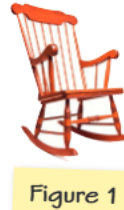
Both laminating and steam bending have important roles in furniture making and construction. The rocking chair shown in Figure 1 demonstrates how these techniques can be applied to create functional, attractive furniture pieces. The curved rockers could be produced using either laminating or steam bending techniques, each offering different advantages depending on the specific requirements of the project.
When choosing between laminating and steam bending, consider factors such as the complexity of the curve, the strength requirements, available equipment, and the type of timber being used. Laminating offers more precise control over the final shape and can handle more complex curves, while steam bending maintains the natural grain pattern and may be more suitable for certain aesthetic requirements.
Summary
Key Points to Remember:
- Laminating joins thin layers of timber with adhesive to create stronger composite materials that can form tight curves
- Steam bending uses steam to temporarily soften timber fibres, allowing wood to be bent into curved shapes while maintaining grain strength
- Thinner laminates allow for tighter curves in the laminating process
- PVA adhesive is the most suitable choice for laminating timber components
- Hardwoods like ash, elm, hickory, and oak work best for steam bending due to their cellular structure